 …
6 November 2026
Introduction
On 2 November 2026, the Securities and Futures Commission (the “SFC”) published its first Large Firm AI Readiness Survey (the “Survey”), covering 20 large financial firms and 78 affiliated licensed corporations that collectively account for over 75% of reported securities transactions in Hong Kong.
The central message is clear: AI is moving beyond standalone productivity tools and becoming embedded in firms’ systems, workflows and decision-making processes. As deployments scales and AI applications become more autonomous, the regulatory focus is correspondingly shifting towards governance, operational resilience and clear human accountability.
The Survey therefore provides an important indication of the SFC’s emerging supervisory expectations as financial institutions move from AI experimentation to scaled deployment.
Key Survey Findings
- AI Is Moving into Core Operations
The Survey shows that AI adoption among large financial institutions has entered a more mature phase. While 95% of respondents expect AI use to increase over the next 12 months, 90% have already connected AI tools to internal systems. The findings suggest that AI is increasingly being embedded within firms’ operational infrastructure rather than being used as a standalone productivity tool.
- Agentic AI Is Already Emerging
Agentic AI is also moving into production. The Survey found that 30% of respondents have already deployed agentic AI in production environments, while a further 25% are conducting controlled pilots. Use cases include information retrieval, drafting, software development and workflow automation. Although more autonomous systems are emerging, firms generally continue to maintain varying degrees of human review and oversight over AI-driven activities.
- Connectivity Expands the Control Perimeter
One of the Survey’s most significant observations is the extent to which AI tools are being integrated with internal systems. Connections to messaging platforms, document repositories, customer data systems and trading-related systems significantly expand AI’s operational footprint. As AI becomes more deeply connected to business processes, the control perimeter expands with it, bringing access rights, confidentiality, data quality, system permissions and downstream decision-making into the governance framework.
- Governance Is Emerging as the Key Scaling Challenge
Taken together, the Survey findings suggest that the challenge is increasingly shifting from demonstrating AI capability to scaling AI within robust control frameworks. Firms reported difficulties in scaling control frameworks, maintaining accountability, validating outputs and moving pilot projects into resilient production environments.
As AI applications become more interconnected and autonomous, regulators are likely to focus more closely on whether governance arrangements evolve at the same pace as technological deployment.
The SFC’s Supervisory Priorities
Drawing on the Survey findings, the SFC identified four supervisory priorities:
- investor protection;
- cybersecurity and operational resilience;
- effective AI governance with embedded human accountability; and
- industry engagement and collaboration.
Importantly, human accountability does not necessarily mean human approval of every AI-generated output or action. Rather, controls should be proportionate to the authority and potential impact of the relevant AI application.
Takeaways
The Survey suggests that supervisory focus is shifting from AI adoption to AI governance, particularly as AI becomes more deeply integrated into firms’ operations, systems and decision-making processes.
Licensed corporations should therefore consider whether they have:
- a complete inventory of AI applications, including embedded and third-party tools;
- risk-based approval and oversight arrangements proportionate to each application’s autonomy and potential impact;
- appropriate controls over data access, confidentiality and system integration;
- clear human accountability for AI-supported decisions and workflows; and
- testing, monitoring and escalation procedures that remain effective as AI use expands.
For financial institutions, the emerging regulatory question is therefore no longer simply “Can AI perform the task?”, but “Can the firm demonstrate that the task remains properly governed?”
Please contact our Partner Mr. Rodney Teoh for any enquiries or further information.
This news update is for information purposes only. Its content does not constitute legal advice and should not be treated as such. Stevenson, Wong & Co. will not be liable to you in respect of any special, indirect or consequential loss or damage arising from or in connection with any decision made, action or inaction taken in reliance on the information set out herein.
SFC Approves First Secondary Trading of Tokenised Public Funds on a Licensed VATP
 …
5 November 2026
On 26 October 2026, the Securities and Futures Commission announced its approval for secondary trading of the tokenised ChinaAMC HKD Digital Money Market Fund and ChinaAMC USD Digital Money Market Fund on an SFC-licensed virtual asset trading platform (VATP). According to the SFC, this represents the world’s first regulatory approval for secondary trading of tokenised public funds on a licensed VATP. Around-the-clock secondary trading of the two funds began on the same day.
The development is significant not merely because the funds can now be traded on a 24/7 basis, but because it begins to connect regulated investment products with Hong Kong’s licensed digital-asset trading infrastructure.
- First Implementation of the SFC’s Pilot Framework
The approval represents the first announced implementation of the SFC’s pilot framework for secondary trading of tokenised SFC-authorised investment products on licensed VATP, introduced in April 2026. Importantly, the approval is specific to the relevant funds and trading platform. It should not be understood as permitting every licensed VATPs to offer secondary trading in all tokenised authorised funds.
The SFC has therefore adopted a controlled, product-specific approach under which tokenised investment products are brought within Hong Kong’s existing regulatory architecture, rather than being placed under a separate or less regulated digital-asset regime.
- Why This Matters
Tokenised funds have so far largely focused on issuance, subscription and redemption. This approval extends the discussion to the development of a regulated secondary market and the supporting infrastructure required for trading, pricing, custody and settlement. For asset managers, the approval demonstrates a possible additional distribution and liquidity channel for appropriately approved tokenised products. For licensed VATPs, it indicates a potential role in facilitating the trading of tokenised forms of traditional financial products, subject to SFC approval and applicable regulatory requirements.
Around-the-clock trading may provide investors with greater flexibility. However, its practical impact on liquidity, price discovery and execution will depend on actual trading volumes, market-making arrangements and the operation of the relevant trading channel.
- Tokenised Funds, Money and Settlement
The SFC has also indicated that tokenised public funds may in future leverage tokenised-deposit capabilities developed under Project Ensemble. The longer-term significance lies in the potential interaction between tokenised investment products and tokenised money. If properly implemented, settlement on digital rails could improve settlement efficiency, facilitate asset mobility and allow trading proceeds to be redeployed more readily.
These benefits remain prospective. Nevertheless, the approval indicates the direction of Hong Kong’s tokenisation strategy: integrating regulated investment products, licensed trading platforms and emerging digital-settlement infrastructure within a connected financial ecosystem.
- Considerations for Market Participants
Asset managers, distributors and platform operators should consider:
- whether proposed products and trading arrangements fall within the SFC’s pilot framework and require specific approval;
- arrangements for valuation, fair pricing, liquidity provision and operation of the trading channel;
- investor disclosures concerning tokenisation and secondary trading;
- governance, compliance and operational controls; and
- further SFC guidance and any future broadening of the product scope.
- What Comes Next
The initial approvals concern tokenised money market funds, which may be particularly suitable for early implementation given their liquidity and cash-management characteristics. The SFC has indicated that it will monitor trading activity and may broaden the product scope after considering market developments and experience gained from the initial implementation. The development of the pilot will be particularly significant as the regulatory infrastructure for tokenised investment products begins to interact with Hong Kong’s broader tokenised-money and digital-settlement initiatives.
This remains a controlled first step rather than a general opening of licensed VATPs to tokenised securities. Nevertheless, it provides an important regulatory and operational template for bringing tokenised traditional financial products onto Hong Kong’s licensed digital trading infrastructure.
For market participants, the opportunity is not limited to 24/7 trading of two money market funds. The broader development is the emergence of an integrated ecosystem in which regulated investment products, tokenised money and digital-settlement infrastructure may increasingly operate together.
Please contact our Partner Mr. Rodney Teoh for any enquiries or further information.
This news update is for information purposes only. Its content does not constitute legal advice and should not be treated as such. Stevenson, Wong & Co. will not be liable to you in respect of any special, indirect or consequential loss or damage arising from or in connection with any decision made, action or inaction taken in reliance on the information set out herein.
SFC Circular: Heightened Scrutiny of Sponsor Work, Investor Demand and IPO Arrangements
 …
4 November 2026
On 13 October 2026, the Securities and Futures Commission (the “SFC”) issued a circular addressing sponsor resources, Principal capacity and the quality of listing applications, while setting out detailed expectations for identifying and reporting dubious IPO and post-IPO arrangements (the “Circular”).
Although sponsor resourcing has improved, the Circular signals heightened scrutiny of the substance of IPO transactions. In particular, the SFC is concerned about arrangements that may create artificial investor demand, conceal investor relationships, compromise public-float compliance or facilitate manipulative post-listing trading.
The Circular has immediate implications for sponsors, overall coordinators (“OCs”), capital market intermediaries (“CMIs”) and listing applicants alike. IPO participants should expect closer scrutiny of investor funding, unusual subscription orders, post-balance-sheet fund flows, issuer involvement in allocations and undisclosed arrangements concerning the holding or trading of listed shares.
SFC Warns Against Dubious IPO and Post-IPO Arrangements
The Circular’s most significant development is its detailed guidance on arrangements that may create artificial investor demand or facilitate post-listing market manipulation.
The SFC has identified cases in which listing applicants may have funded subscriptions, guaranteed investor returns or channelled corporate funds to investors or their connected parties. Shares may also be concentrated among designated investors that are subject to undisclosed arrangements concerning the holding, disposal or trading of shares, including mechanisms intended to maintain market capitalisation or generate turnover. Such arrangements may distort genuine demand, undermine price discovery, affect public-float compliance and form part of a broader post-listing manipulation scheme.
The Circular also has direct implications for listing applicants. Applicants should expect closer scrutiny of payments, loans, investments and other fund flows benefiting prospective investors or connected parties, the manner in which investors are introduced, subscription funding arrangements, investor independence, issuer involvement in bookbuilding or allocation decisions, post-balance-sheet transactions and any side arrangements concerning the subscription, holding, disposal, valuation or trading of shares.
The Circular identifies several non-exhaustive red flags that market participants should monitor closely, including:
- substantial payments, loans or investments benefiting investors shortly before listing;
- investors introduced by the issuer, its directors, shareholders or associates;
- issuer involvement in investor selection or share allocation beyond its proper role;
- unusual last-minute subscription orders;
- arrangements that obscure beneficial ownership or investor identity; and
- pre-agreed commitments with pre-IPO investors, or other undisclosed arrangements, that result in insufficient adjustments to the offer size or timetable despite weak genuine investor demand.
The SFC warns that such arrangements may indicate pre-arranged demand, concealed investor relationships or broader schemes extending into post-listing market manipulation.
Sponsor Resources Have Improved, but Regulatory Expectations Remain High
The SFC observed that sponsor capacity has improved materially. Sponsor work is less concentrated, the average number of engagements per signing Principal has declined and the number of “Strained Principals” has decreased significantly. The SFC considers these developments evidence that sponsors have improved resource planning and allocation. The Circular nevertheless makes clear that sponsor firms must continue to maintain adequate resources, appropriately allocate responsibilities and ensure effective supervision of transaction teams.
Concerns Regarding Principal Eligibility and Submission Quality
The SFC has sought to facilitate sponsors’ efforts to strengthen Principal capacity by processing new Principal submissions expeditiously. Approvals of new Principals between 30 January and 30 September 2026 increased by 65% compared with the corresponding period in 2025. Between 30 January and 30 September 2026, the SFC received 210 Principal submissions, of which 50 were returned to or withdrawn by sponsors, commonly because of incomplete information or fundamental eligibility issues. However, the SFC continues to identify recurring deficiencies in Principal submissions, including:
- failure to satisfy applicable competency requirements for Type 6 regulated activity;
- overstated or inadequately documented IPO experience; and
- insufficient evidence of the required corporate finance experience.
The Circular emphasises that management should critically assess all eligibility requirements before submitting Principal applications. Applications that are incomplete, inadequately supported or submitted on behalf of unsuitable candidates may call into question the effectiveness of the sponsor’s systems and controls, sufficiency of its resources and management oversight, and ultimately its fitness and properness to conduct sponsor work.
Continuing Concerns Over Listing Application Quality
The SFC also highlights continuing concerns about the quality of certain listing applications. Between January and September 2026, vetting was suspended for 65 listing applications. As at 1 October 2026, vetting had resumed for 14 of these applications after the initial concerns were resolved to the regulators’ satisfaction. The SFC also issued further written communications to 11 sponsors concerning deficiencies identified in 13 listing applications. The Circular identifies recurring issues including:
- acquisitions during the track record period that raise listing suitability concerns;
- inadequate information regarding business operations, revenue growth and R&D activities;
- insufficient due diligence on major transactions and revenue authenticity;
- questions regarding business sustainability;
- concerns over legality of operations;
- listing timetables designed to achieve technical compliance without a realistic implementation basis; and
- concerns about whether track-record results remained representative following a pre-IPO reorganisation undertaken without a reasonable basi
The SFC stresses that sponsors should prioritise quality over volume and exercise professional scepticism throughout the listing process. Sponsors are expected to focus on substantive due diligence rather than adopting a purely process-driven approach.
The Circular also cautions against excessive reliance on experts and third parties. Sponsors remain ultimately responsible for the quality of their due diligence and should independently assess the competence, resources and work performed by experts and external advisers before relying on their conclusions.
The Circular also highlights increasing involvement by overseas headquarters and group-level management in Hong Kong sponsor businesses. The SFC reminds firms that individuals whose actual functions amount to carrying on Type 6 regulated activity in Hong Kong must obtain the appropriate licence or approval. Firms should assess responsibilities based on actual functions performed rather than job titles, reporting lines or physical location.
Clarification of Active Listing Engagements
Following the Stock Exchange’s temporary waiver extending the validity period of new listing applications from six to 12 months, the SFC clarifies when a listing engagement may be treated as inactive. In general, an engagement may be regarded as inactive once the sponsor has received both a hearing bundle letter from the Stock Exchange and a no-comment letter from the SFC, subject to any subsequent developments or new information giving rise to material regulatory concerns.
Escalation and Reporting Are Expected
The Circular repeatedly emphasises that sponsors, OCs and CMIs should not merely identify red flags. They should make further enquiries, critically assess the responses and supporting evidence, document their assessments and conclusions, and escalate and report concerns where appropriate.
Where concerns remain unresolved, OCs and CMIs should:
- report dubious IPO and post-IPO arrangements to the SFC and the Stock Exchange; and
- reject suspicious orders.
The SFC encourages early regulatory engagement where information suggests that a dubious arrangement may exist. The Circular makes clear that regulatory expectations extend beyond technical compliance and require intermediaries to act as effective gatekeepers of Hong Kong’s IPO market.
Immediate Measures for IPO Participants
The Circular goes beyond high-level vigilance and identifies specific measures expected of market participants.
Sponsors should examine material transactions, agreements and fund flows arising between the date of the last audited balance sheet and listing and assess their commercial substance against information obtained during earlier due diligence. Shortly before listing, sponsors should conduct substantive bring-down interviews with controlling shareholders, executive directors and senior management, obtain back-to-back confirmations and require confirmers to notify them of any material change affecting the accuracy or completeness of the listing application materials.
OCs and CMIs should scrutinise unusual order-book patterns, investor funding sources, relationships between investors and the listing applicant, and arrangements that may affect investor independence, public-float compliance or post-listing market integrity. Suspicious orders must be rejected where concerns remain unresolved.
The listing applicant and its sponsor should ensure that the allotment results announcement confirms that, except as disclosed in the listing documents, no side agreement or arrangement relating to the subscription, purchase, disposal, valuation or turnover of the shares has been entered into between the applicant group or specified connected parties and any other party.
Regulatory Consequences
Sponsors, OCs and CMIs involved in IPOs giving rise to concerns may face more in-depth inspections and intensified supervisory engagement. Repeated deficiencies may also lead to engagement with group-level management and closer coordination with other regulators.
The Circular reflects a broader regulatory focus on substance rather than form. Sponsors and other intermediaries are expected not merely to identify red flags, but to investigate the commercial rationale, funding and relationships underlying relevant transactions, challenge unsupported explanations, maintain contemporaneous records and escalate unresolved concerns at an early stage.
Listing applicants should therefore review investor-introduction, funding, allocation and post-balance-sheet transaction arrangements well before bookbuilding begins. Matters that might previously have been treated as commercial or execution issues may now attract scrutiny as potential indicators of artificial demand, undisclosed investor relationships or post-listing market misconduct.
How We Can Assist
Sponsors, OCs, CMIs and listing applicants should review their IPO controls in light of the Circular, with particular attention to:
- allocation of sponsor resources and Principal supervision;
- eligibility and supporting records for Principal submissions;
- post-balance-sheet transactions, fund flows and bring-down due diligence;
- investor independence, funding sources and unusual subscription orders;
- bookbuilding, allocation and public-float controls;
- allotment-results confirmations concerning side arrangements; and
- internal escalation, regulatory reporting and record-keeping protocols.
We can assist sponsors, intermediaries and listing applicants in conducting targeted reviews of IPO procedures and controls, assessing due diligence and bookbuilding arrangements, identifying and addressing potentially problematic investor or funding arrangements, advising on disclosure and regulatory reporting obligations, and engaging with the SFC and the Stock Exchange where issues arise.
Please contact our Partner Mr. Rodney Teoh for any enquiries or further information.
This news update is for information purposes only. Its content does not constitute legal advice and should not be treated as such. Stevenson, Wong & Co. will not be liable to you in respect of any special, indirect or consequential loss or damage arising from or in connection with any decision made, action or inaction taken in reliance on the information set out herein.
Partners Calvin Lo and Kenneth Leung Named in LexisNexis 40 UNDER 40 2026
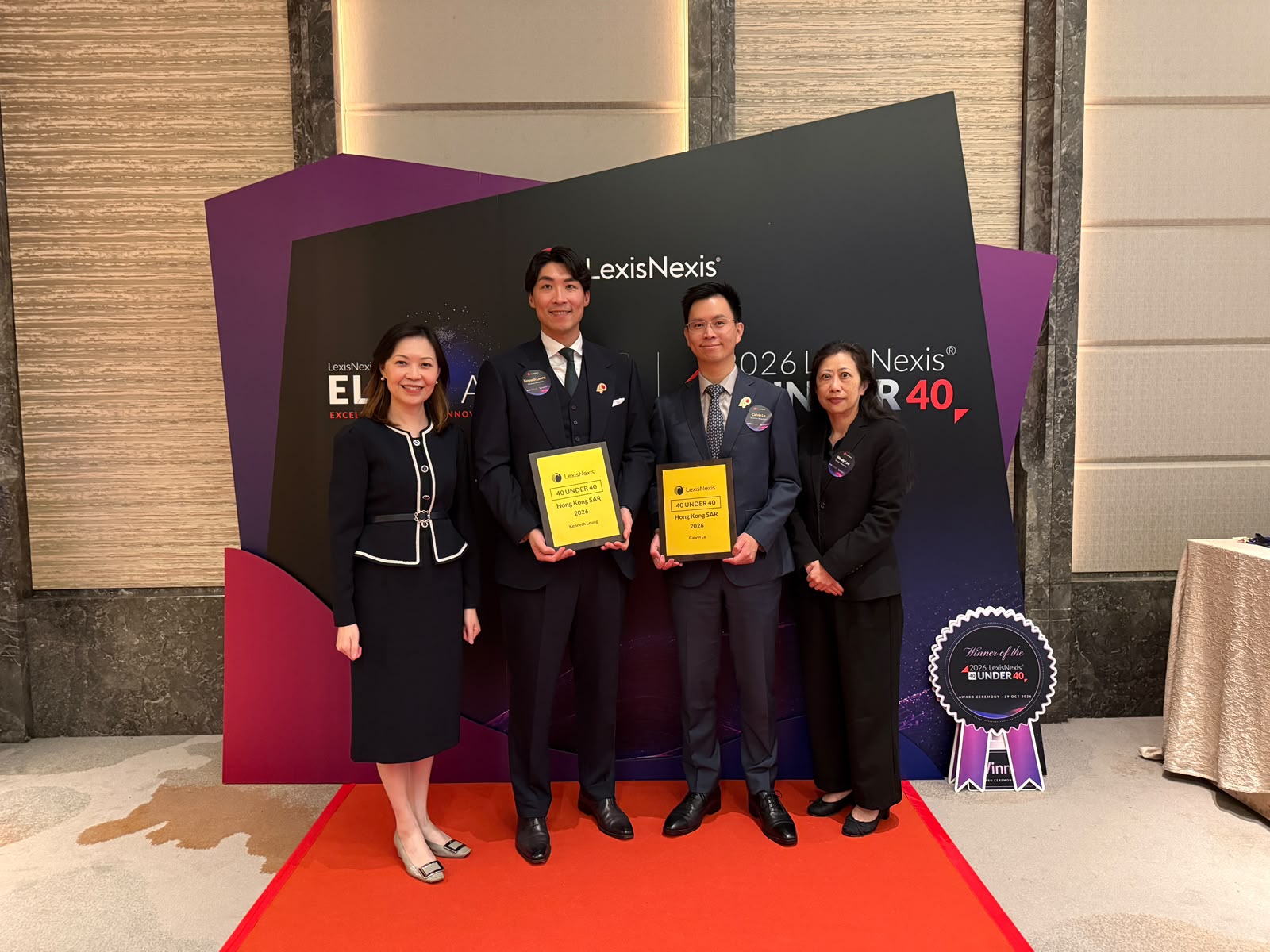 …
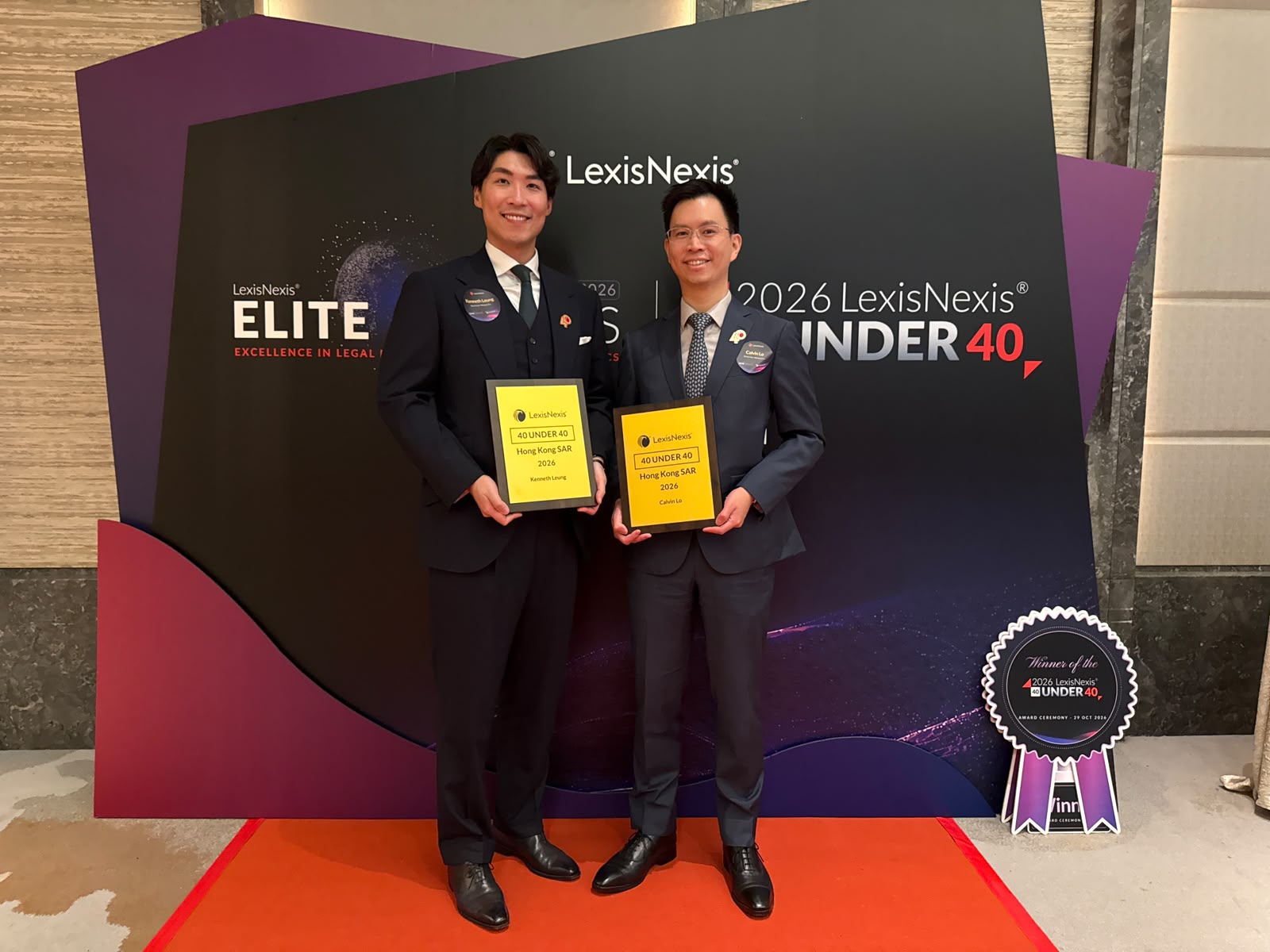
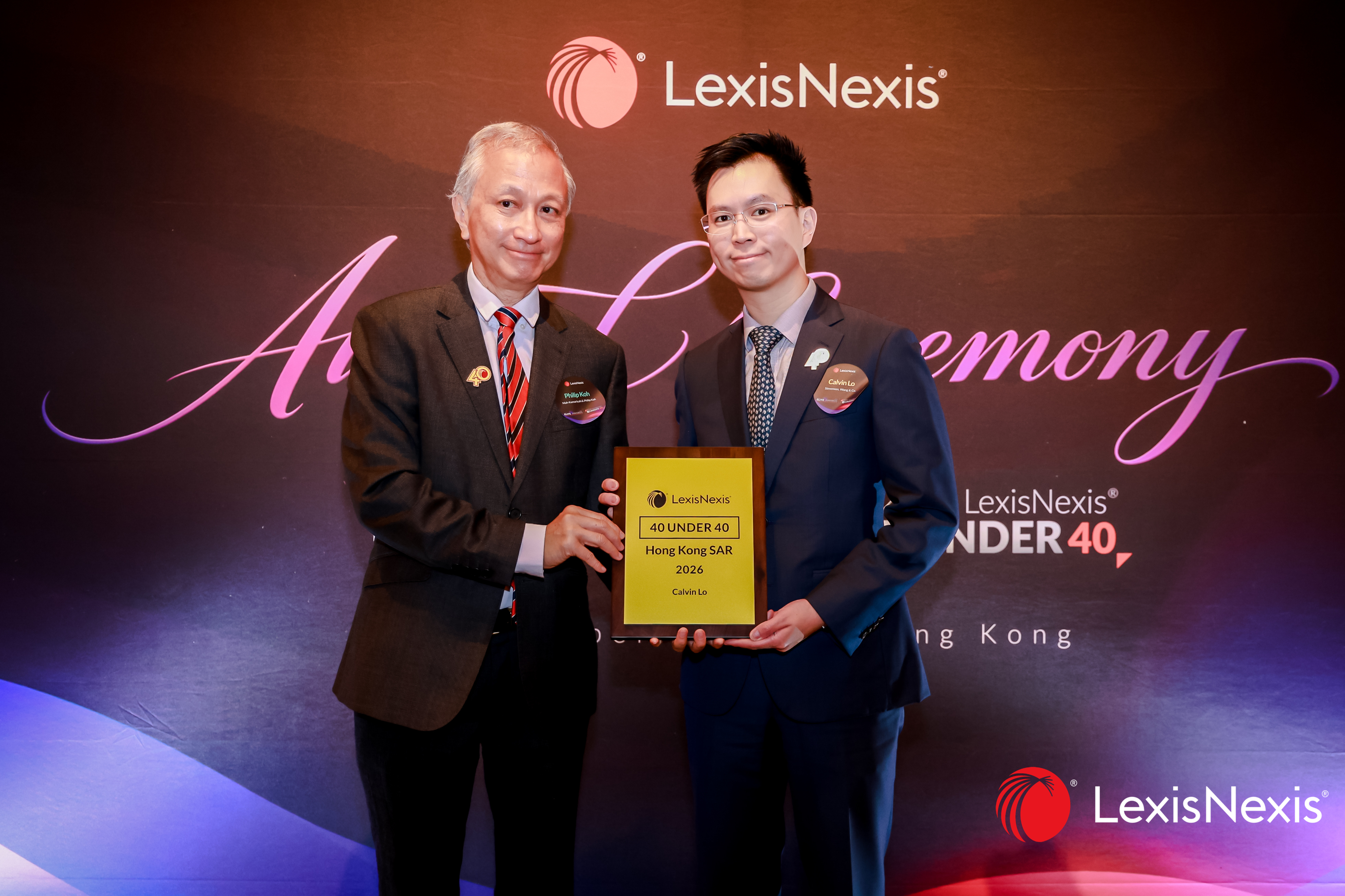
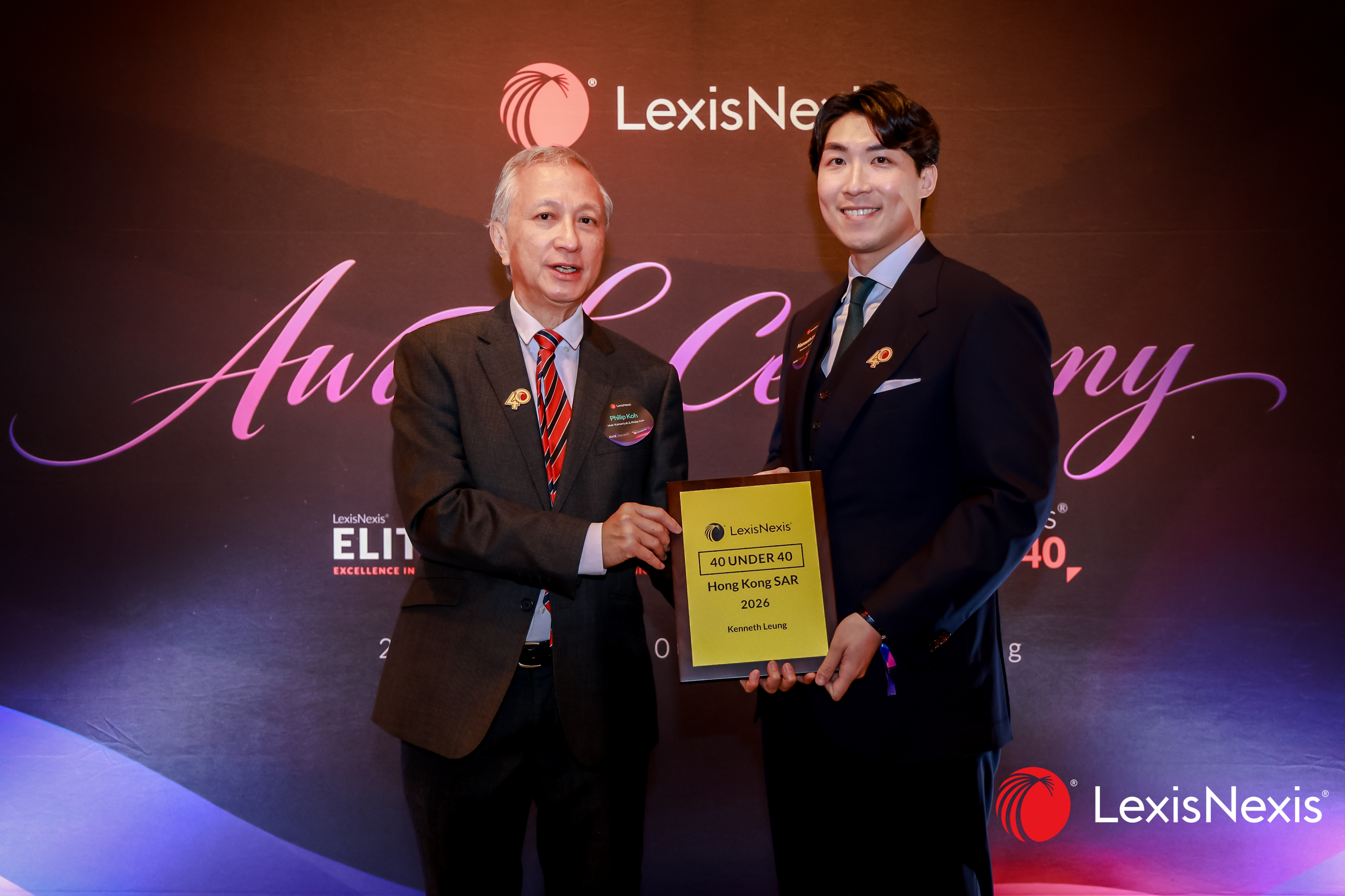
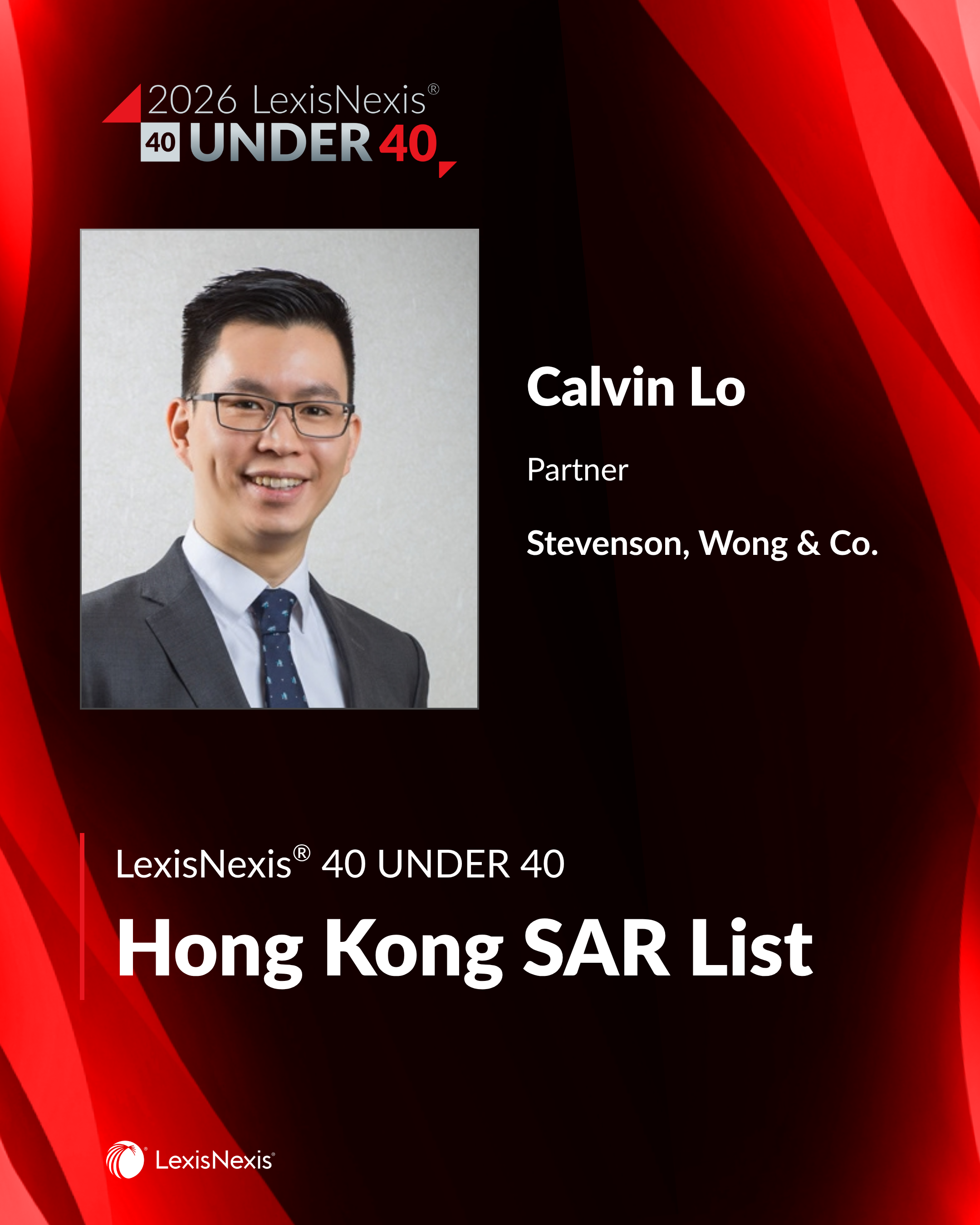
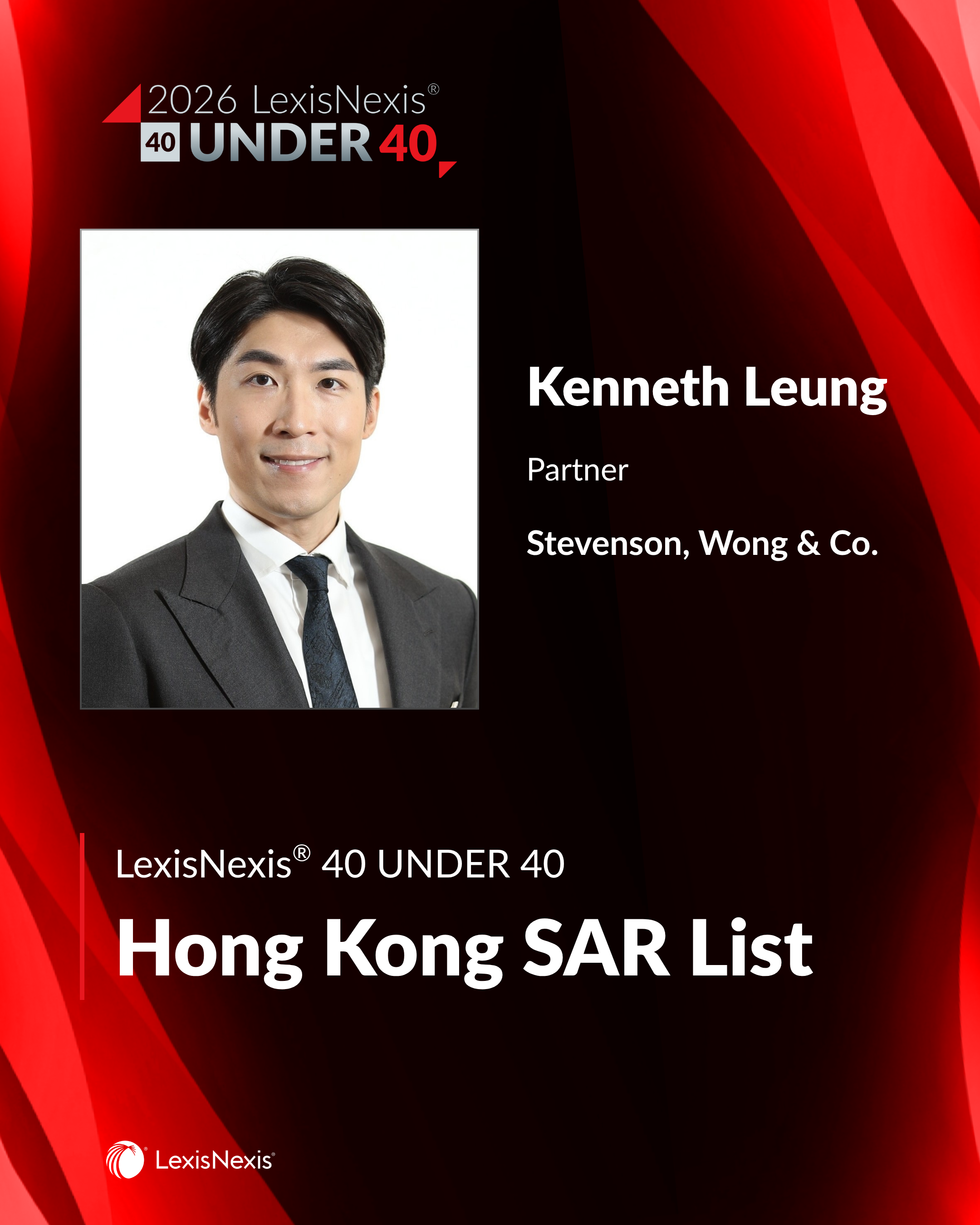
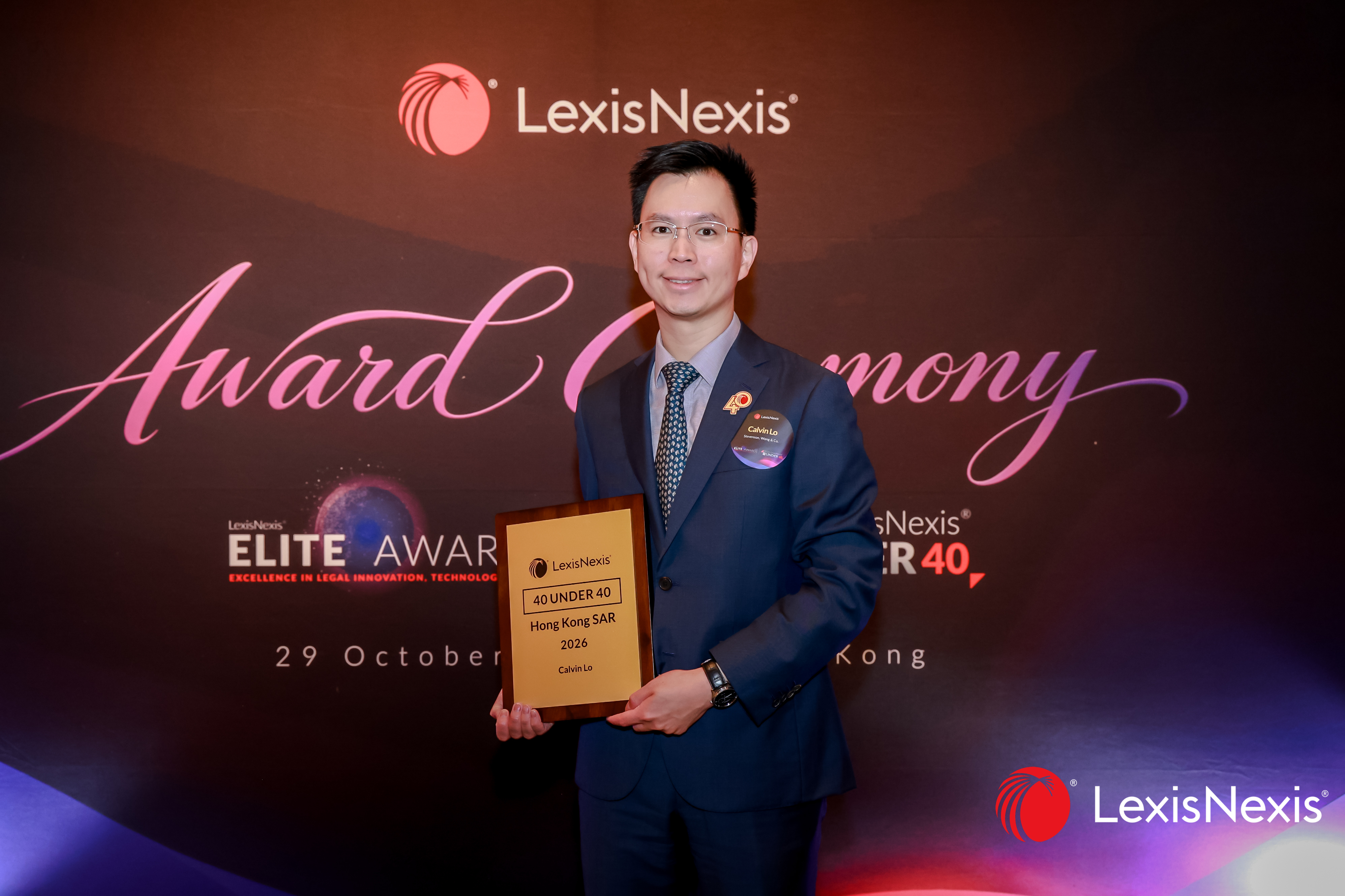
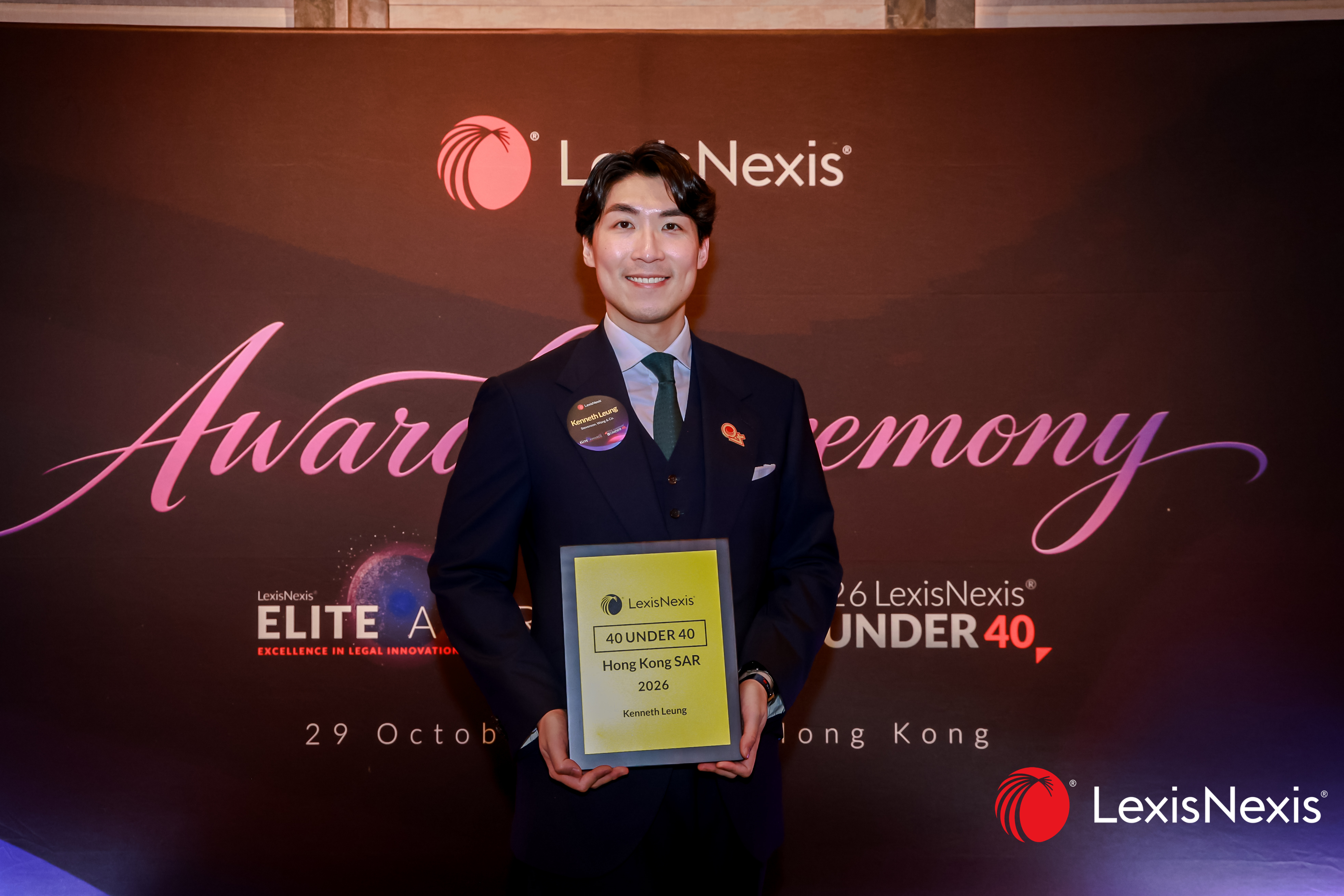
Stevenson, Wong & Co. is pleased to announce that Partners Calvin Lo and Kenneth Leung have been named in the LexisNexis 40 UNDER 40 – Hong Kong SAR List 2026. The awards recognise legal professionals for their achievements, leadership and contributions to the profession.
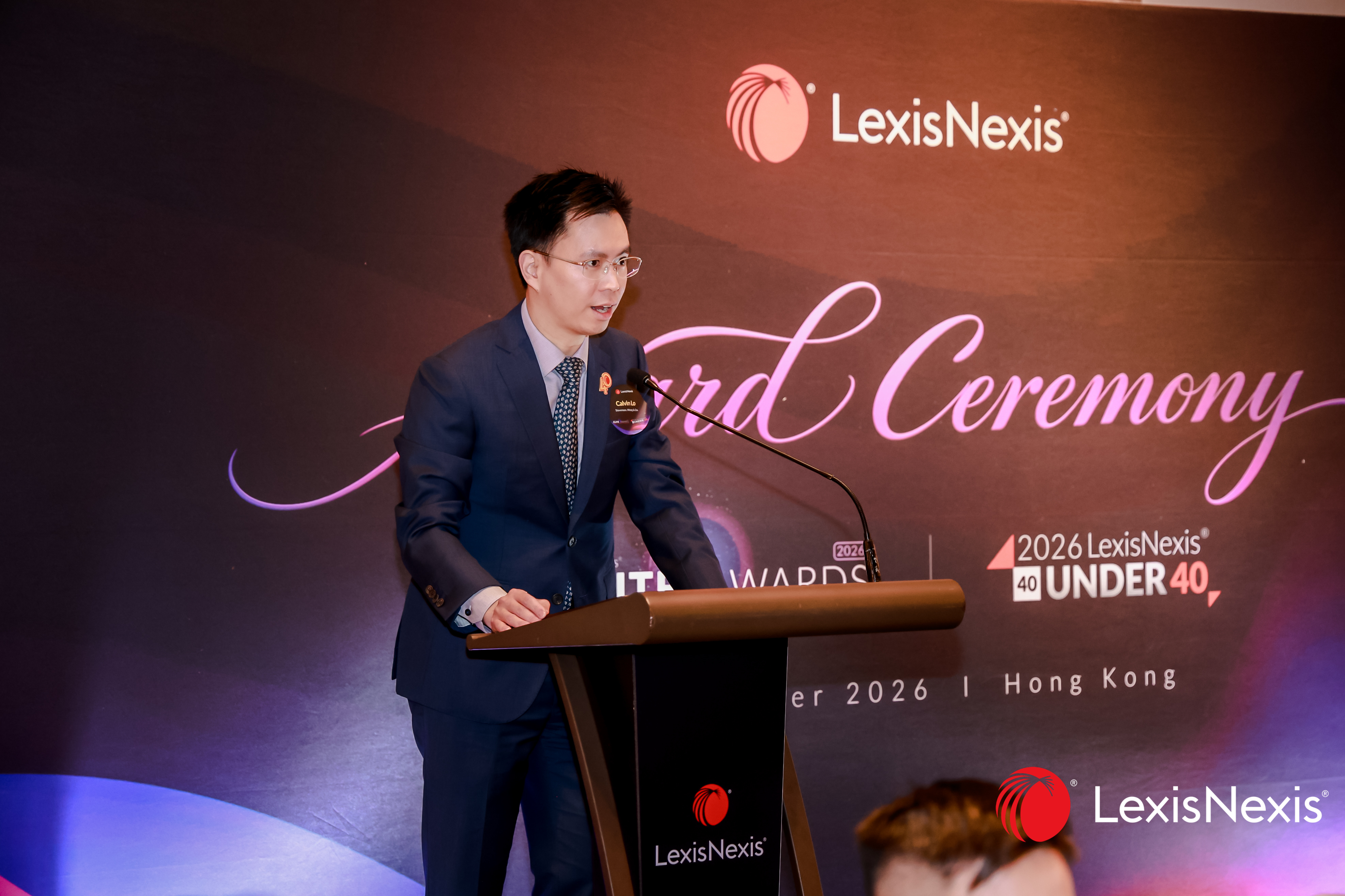
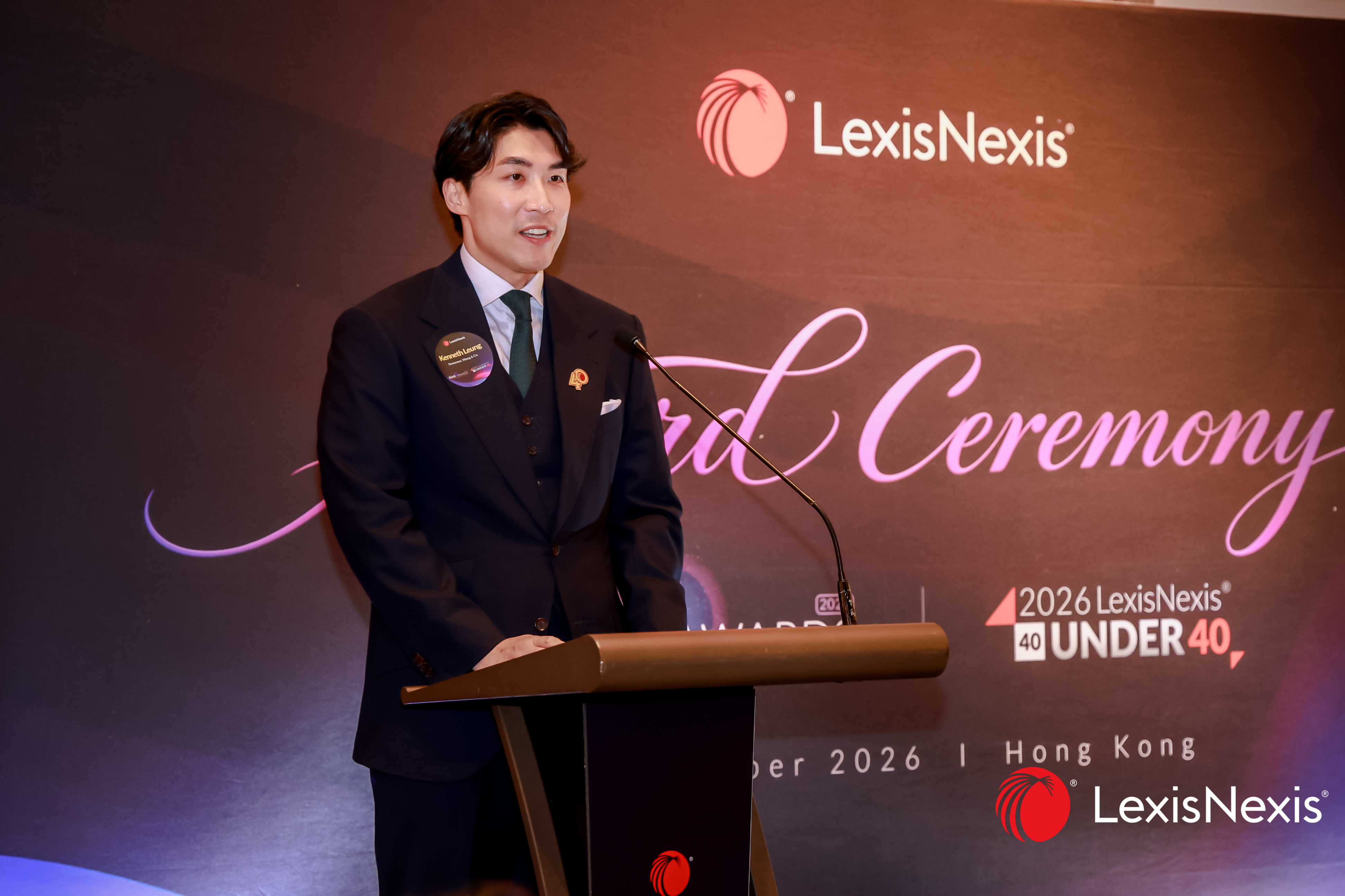
The awards ceremony and dinner were held at The St. Regis Hong Kong on 29 October 2026. Calvin and Kenneth attended to receive their awards, joined by Wendy Lam, Partner and Head of Private Client, and Heidi Chui, Partner and Head of Litigation and Dispute Resolution, who extended the firm’s congratulations to both honourees.
Calvin’s private client practice encompasses family and matrimonial disputes, including matters involving complex cross-border issues, as well as trusts, estate and succession planning, and probate. He also advises on mental health law and has received court appointments to manage the property and affairs of mentally incapacitated persons. He is a STEP Trust and Estate Practitioner, a Certified Trust Practitioner of the Hong Kong Trustees’ Association and an accredited family mediator. His previous accolades include recognition in ALB Hong Kong Rising Stars 2025 and a STEP Excellence Award in 2020 as the highest-scoring graduate worldwide in the Diploma in International Trust Management.
Kenneth specialises in contentious regulatory matters and commercial litigation, drawing on his experience in litigation and corporate law to advise clients on complex investigations and enforcement actions. He regularly represents clients in court, including in director disqualification proceedings, and advises listed companies and licensed corporations on compliance, internal investigations, licensing and applications for the resumption of trading.
He was recognised in ALB Hong Kong Rising Stars 2026.
We are delighted to see Calvin and Kenneth receive this recognition and warmly congratulate them on this achievement.
About LexisNexis® 40 UNDER 40
LexisNexis® 40 UNDER 40 recognises legal professionals aged 40 or under who demonstrate professional achievement, strong growth potential and a commitment to advancing the legal profession. The awards comprise an Asia List and local lists, including the Hong Kong SAR List, recognising both regional and local contributions to the legal sector.
Partner Gordon Tsang Invited to Speak at LexisNexis Asia Legal AI Summit 2026
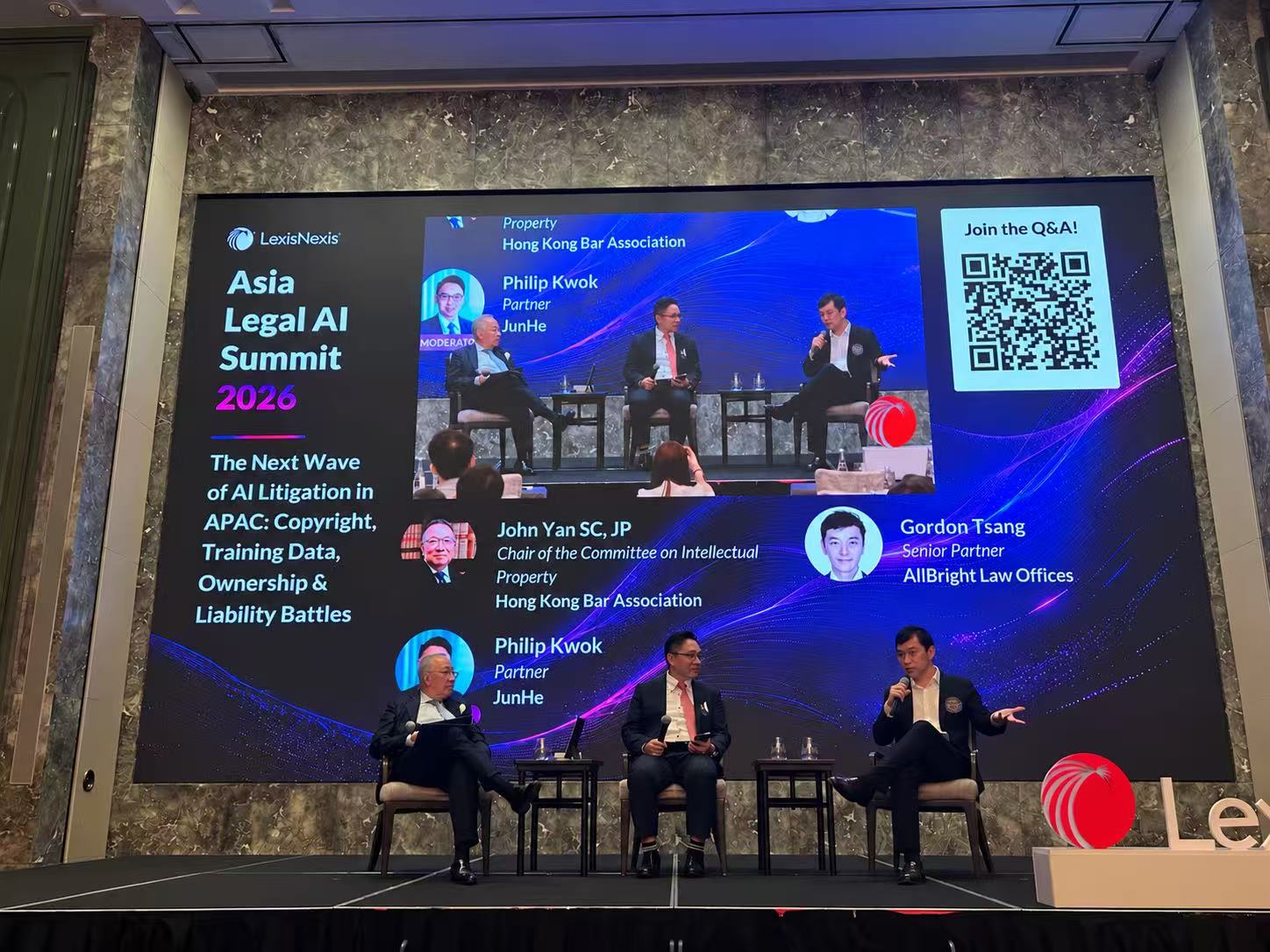 …
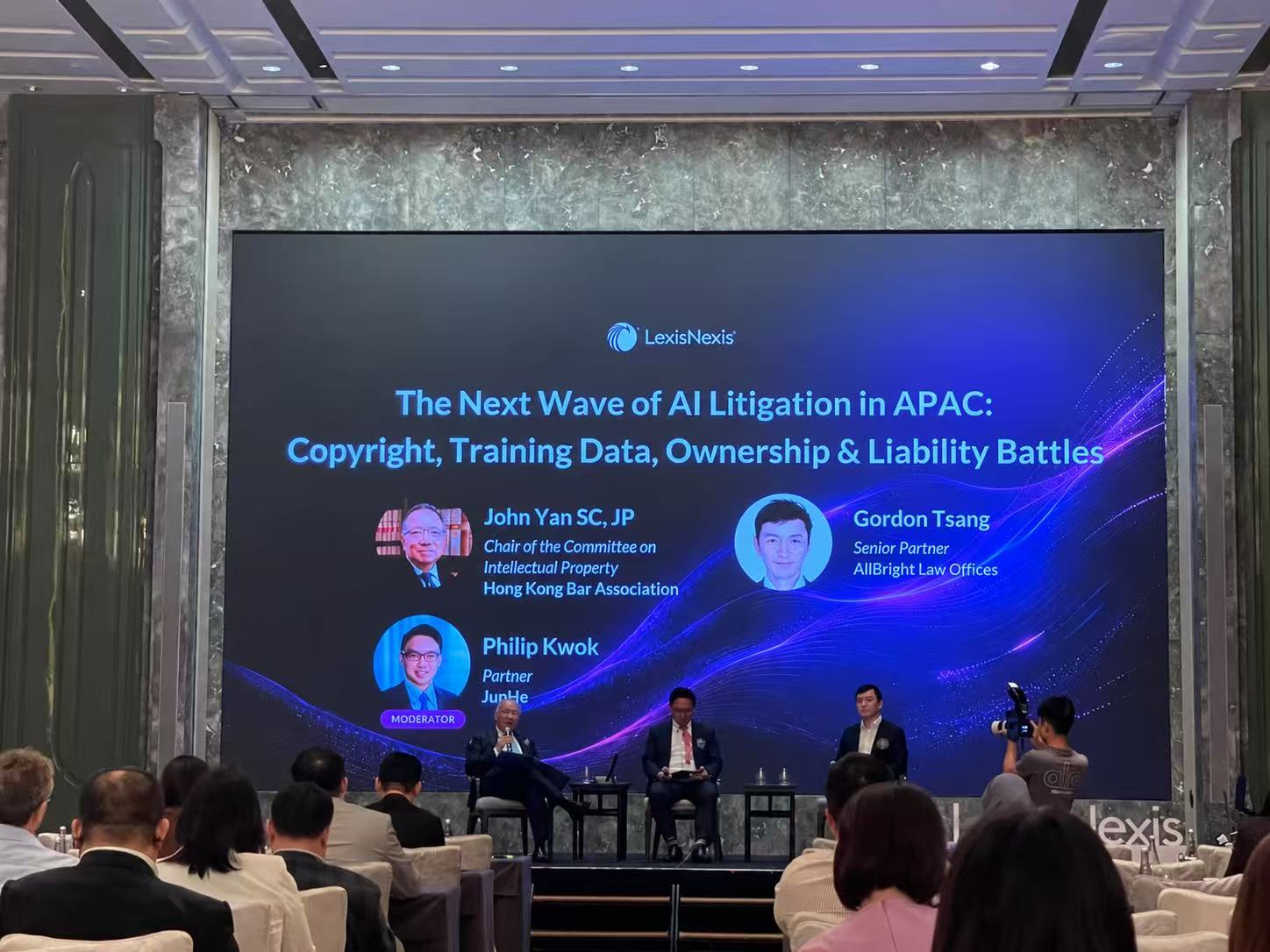
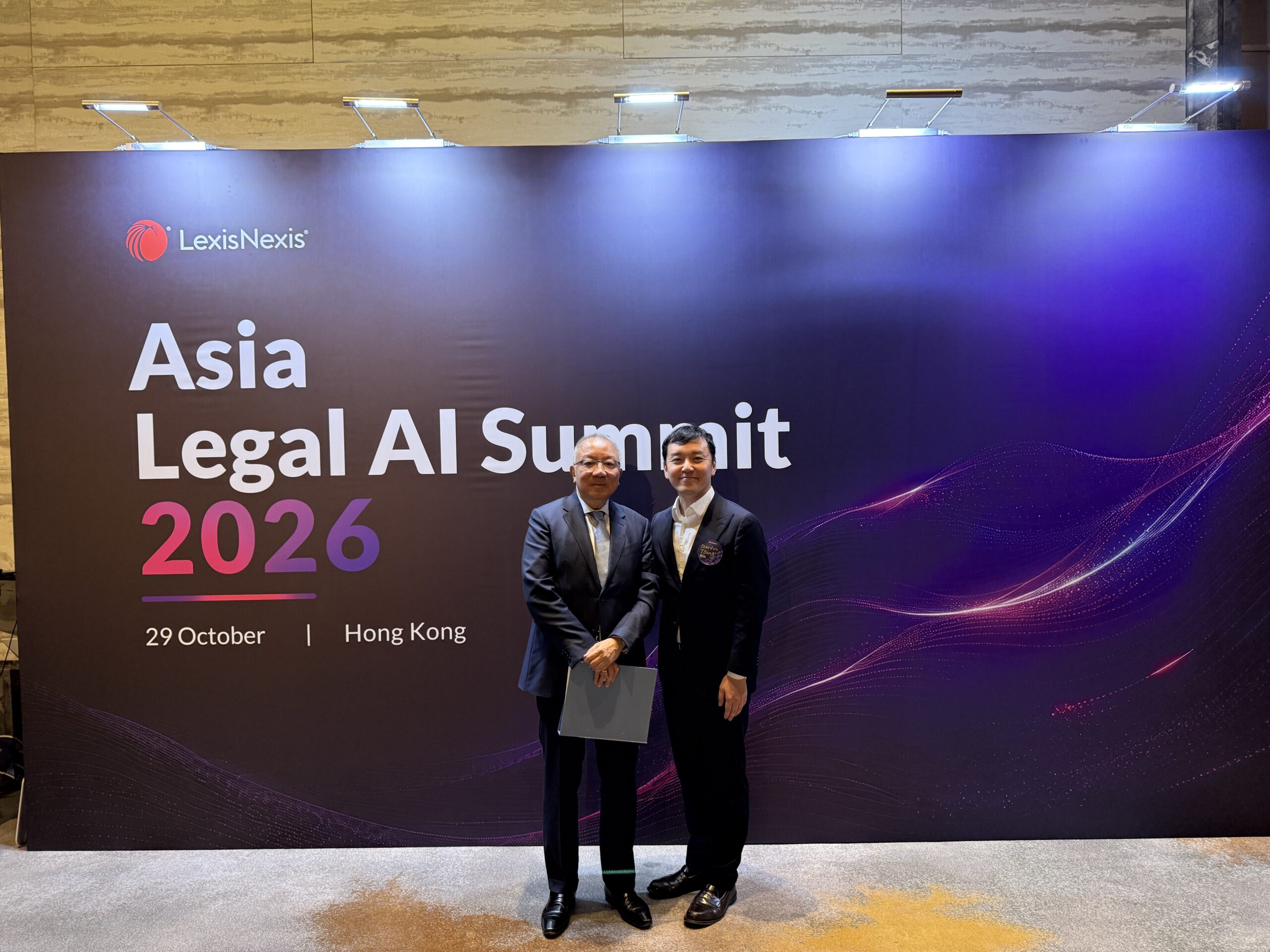
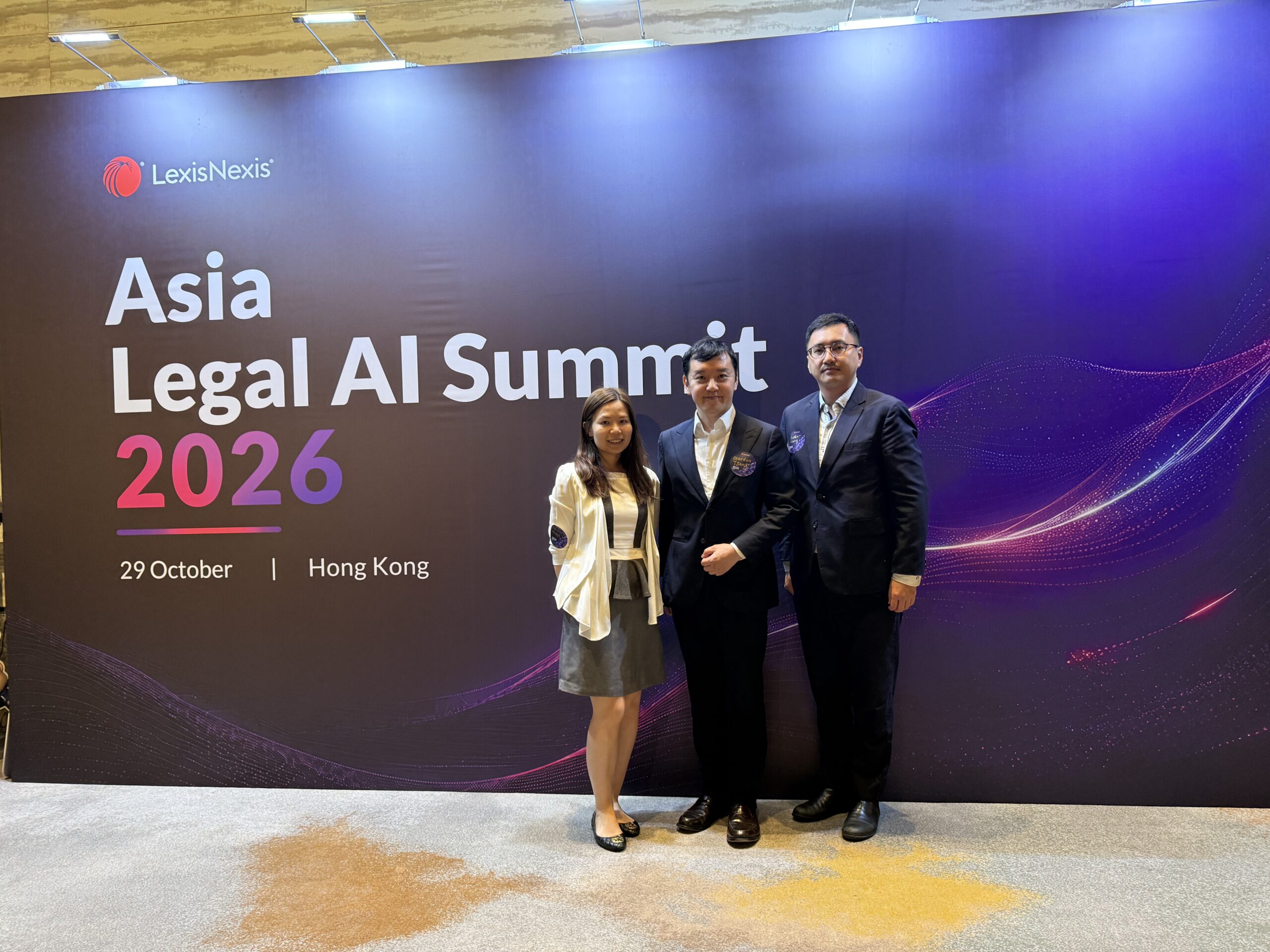
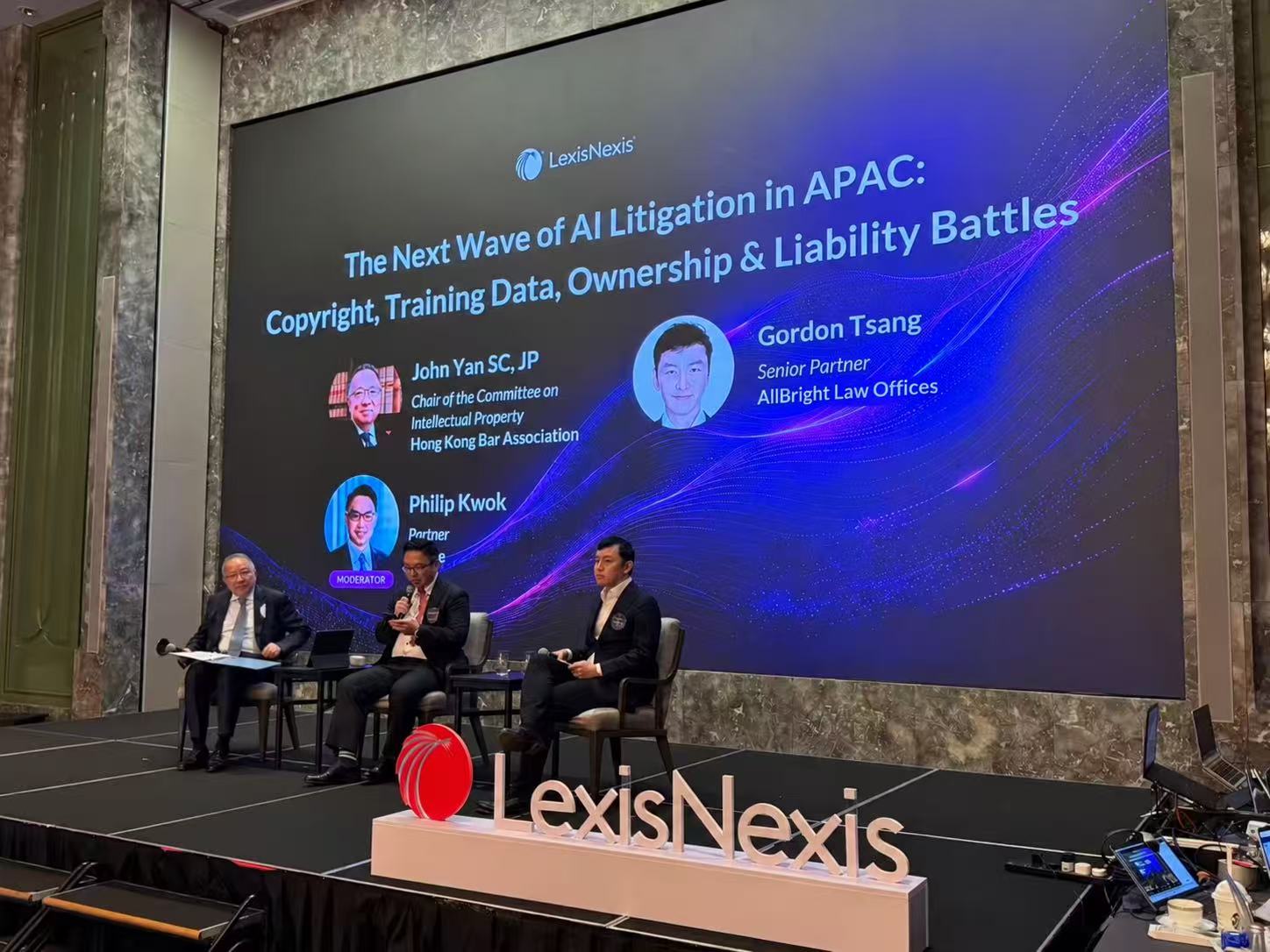
On 29 October 2026, our Partner Gordon Tsang was invited to speak at the LexisNexis Asia Legal AI Summit 2026. The summit brought together approximately 200 legal practitioners, industry leaders and technology experts to exchange insights on the evolving role of artificial intelligence (AI) in the legal sector and the emerging legal challenges associated with its adoption.
Gordon participated in a panel discussion entitled “The Next Wave of AI Litigation in Asia: Copyright, Training Data, Ownership and Liability Battles”, alongside John Yan SC, JP, Chair of the Committee on Intellectual Property of the Hong Kong Bar Association, and Philip Kwok, Partner at JunHe. The panel explored key legal issues arising from the development and use of generative AI, including copyright protection, ownership, liability and cross-border disputes.
During the discussion, Mr Tsang shared his insights on the practical challenges of cross-border AI litigation, with particular emphasis on jurisdictional issues and the differences between the legal frameworks and litigation procedures of Hong Kong and Mainland China. He also addressed the importance of evidence preservation in AI-related disputes and the complexities of obtaining relevant information from overseas AI service providers. His observations highlighted the need for early legal assessment, effective evidence management and coordinated cross-border strategies in navigating emerging AI-related disputes.
As AI continues to transform business practices and the legal landscape, the discussion provided valuable perspectives on the evolving risks and considerations facing businesses, legal practitioners and technology providers across the region.
Please contact our Partner Gordon Tsang for further enquiries about this event.