14 Jun 2019

(中文) 史蒂文生黄出席锦天城律师事务所房地产与建设工程专业委员会2019年会暨房地产建筑行业创新发展与项目法律风险管理高峰论坛

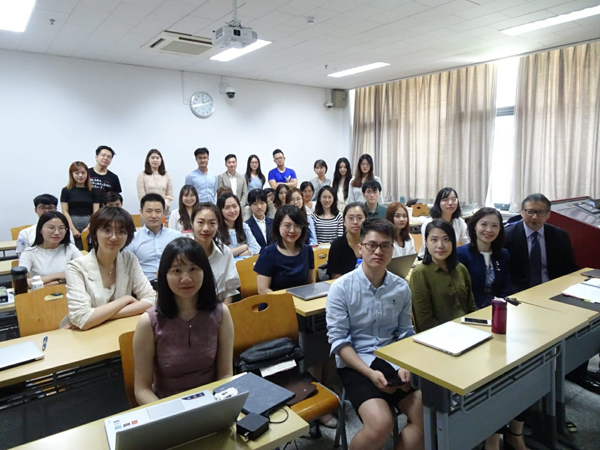
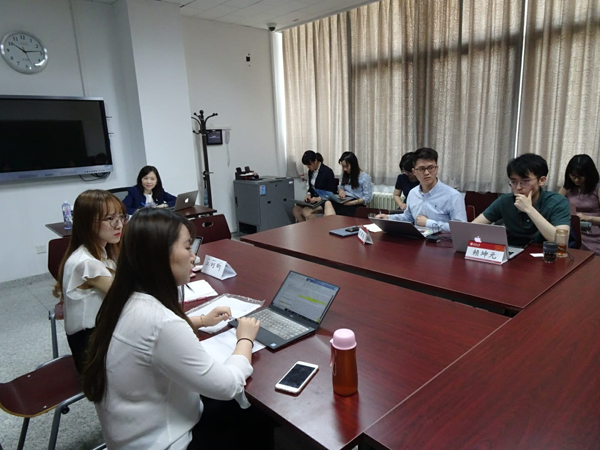
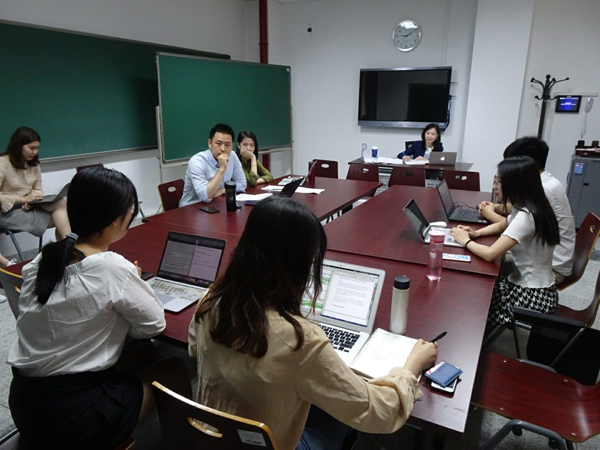
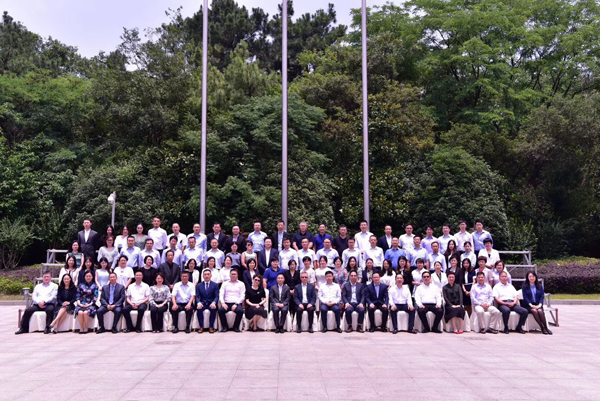
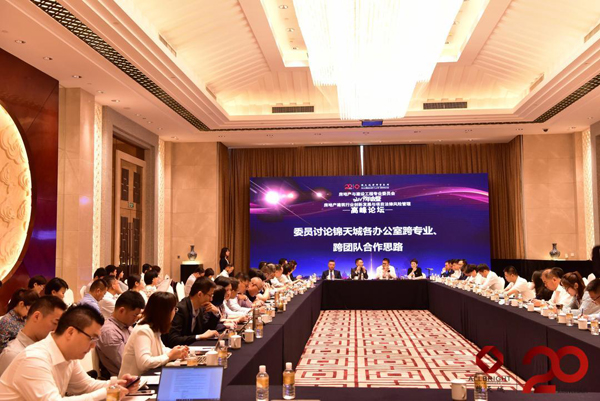
(中文) 2019年6月14日至15日,史蒂文生黄律师事务所合伙人郑炎潘律师、洪玉晖律师、房产部及中国公证部法律行政员熊健豪先生联同高级行政主任卢韵洁女士出席假南京紫金山庄酒店举办「锦天城律师事务所房地产与建设工程专业委员会2019年会暨房地产建筑行业创新发展与项目法律风险管理高峰论坛」。论坛由上海市锦天城律师事务所主办,锦天城房地产与建设工程专业委员会和锦天城南京分所承办,并得到江苏省房地产业协会支持,锦天城各分所代表赴蓉出席是次会议及论坛,为内地及香港律师提供宝贵的交流平台。
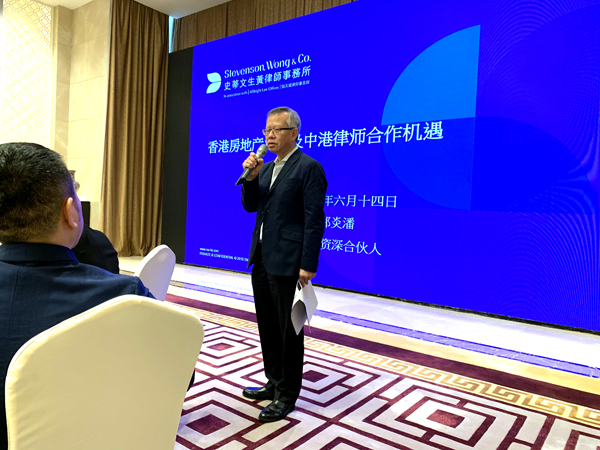
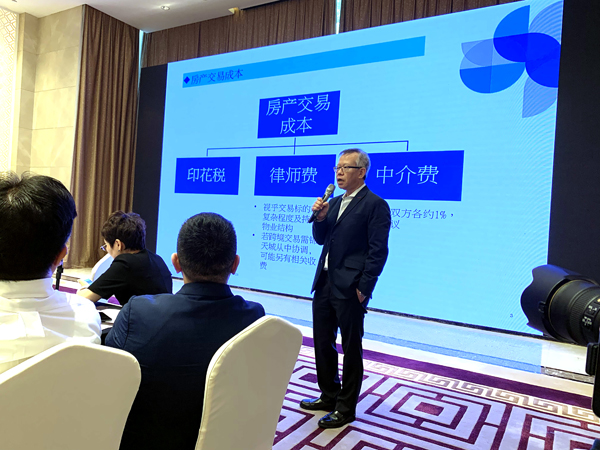
本所合伙人郑炎潘律师于房地产与建设工程专业委员会年会中发表「香港房地产及中港律师合作机遇」主题演讲,向参加者介绍近期香港房地产市场概况,并分享本所意见。郑律师更就香港与中国律师之间相互合作的商机分享经验,受到了与会观众的热烈欢迎。
大会邀请了不同领域的嘉宾于第二天的高峰论坛中发言,探讨主题包括「建设工程项目法律风险防范困境及应对」、「走进新时代 实践新发展—-江苏建筑业 的改革和创新发展」、「江苏建造2025和更高水平建筑强省研究与实践」及「工程项目现场核心法律风险管理」,锦天城南京办公室高级合伙人王芳律师则主持圆桌论坛,讨论「破•立:司法解释二对房地产建筑行业的影响及应对之策」。

本所有幸参与是次年会和高峰论坛,各位演讲嘉宾在房地产业务上积累了深厚的经验,内容非常精彩,很荣幸在活动上与他们分享交流,并期待再参与相关活动。
如阁下有任何关于此活动的查询或想了解更多详情,请联络本所郑炎潘律师洪玉晖律师

12 Jun 2019

Further Development of Regulatory Approach towards Virtual Asset Portfolio Managers, Fund Distributors and Trading Platform Operators

Introduction

On 1 November 2018, the Securities and Futures Commission (the “SFC”) released the “Statement on Regulatory Framework for Virtual Asset Portfolios Managers, Fund Distributors and Trading Platform Operators” (the “Statement”). The Statement, together with its appendices entitled “Regulatory standards for licensed corporations managing virtual asset portfolios” (Appendix 1) and “Conceptual framework for the potential regulation of virtual asset trading platform operators” (Appendix 2) and also a circular to the intermediaries on “Distribution of Virtual Asset Funds” (the “Circular”) issued on the same date (altogether, the “Regulatory Documents”) provide a summary of the regulatory standards applicable to virtual asset portfolio managers, fund distributors and trading platform operators. They also clarify SFC’s regulatory stance and approach towards the involvement of digital assets in investment activities.

The SFC reminds the intermediaries of the importance of having reference to the relevant requirements set out in the Regulatory Documents by the more recent release of the “Statement on Security Token Offering” on 28 March 2019.  The Statement reminds intermediaries to observe and ensure compliance with the requirements similar to those set out in the Circular before they engage in the distribution of security token offerings (STOs). Failure to do so may affect their fitness and properness to remain licensed or registered and may result in disciplinary action by the SFC.

Background

Set out below are the material announcements or statements released or actions taken by the SFC in relation to the regulation of virtual assets or commodities leading to the release of the Regulatory Documents:-

Date Announcements / statements / actions  the SFC
16 January 2014 The SFC issued a circular to remind licensed corporations and associated entities to take all reasonable measures to ensure proper safeguards exist to mitigate the money laundering and terrorist financing risks associated with virtual commodities (such as Bitcoin) they may face,
5 September 2017 The SFC issued a statement on initial coin offerings (“ICO”) which served to explain that, depending on the facts and circumstances of an ICO, digital tokens that are offered or sold may be “securities” as defined under the Securities and Futures Ordinance (“SFO”) and therefore subject to the securities laws of Hong Kong.
11 December 2017 The SFC issued the “Circular to Licensed Corporations and Registered Institutions on Bitcoin Futures Contracts and Cryptocurrency-related Investment Products”. The SFC observed that depending on their terms and features, Bitcoin and other cryptocurrency–related investment products may be regarded as “securities” as defined under the SFO, and parties dealing in, advising on, or managing such products in Hong Kong, or targeting such services to investors in Hong Kong, may be subject to the SFC’s regulatory oversight under the SFO.

9 February 2018 The SFC reported in a statement that it had written to seven cryptocurrency exchanges in or with connections to Hong Kong to warn them that they should not trade cryptocurrencies that are “securities” as defined in the SFO without a licence. The SFC observed that ICOs are essentially crowdfunding by blockchain start-ups, and the SFC may not have jurisdiction over cryptocurrency exchanges and ICO issuers if they have no nexus with Hong Kong or do not provide trading service for cryptocurrencies which are “securities” or “future contracts”.
19 March 2018 The SFC took regulatory action against Black Cell Technology Limited (“Black Cell”) to request for the halt of an ICO to the Hong Kong public and unwinding of ICO transactions as the SFC considered that the relevant scheme carried out by Black Cell constituted a collective investment scheme (“CIS”) under the circumstances, which required prior authorisation and licence by the SFC (the “Black Cell Incident”).

On the other hand, on 28 March 2019, the SFC released the “Statement on Security Token Offering”, which reminds market participants that licensing and registration requirements shall apply to the marketing and distribution of security tokens that are “securities” (unless applicable exemption applies).

In this update, we will focus on the SFC’s regulatory approach on virtual asset portfolio managers, fund distributors and trading platform operator.

Status of virtual assets and virtual asset funds

The Regulatory Documents have not provided an exhaustive list of virtual assets which constitute “securities” or “futures contracts”. Whether certain virtual assets constitute “securities” or “futures contracts” shall remain to be determined on a case by case basis in the light of the terms and features of that particular kind of virtual assets. The SFC has quoted in the past the following examples of virtual assets being “securities”[1]:-

(1)         Digital tokens representing equity or ownership interests in a corporation such as tokens which give holders shareholders’ rights including the right to receive dividends and the right to participate in the distribution of the corporation’s surplus assets upon winding up;

(2)         Digital tokens used to create or to acknowledge a debt or liability owed by the issuer, such that an issuer may repay token holders the principal of their investment on a fixed date or upon redemption, with interest paid to token holders; and

(3)         Digital tokens the proceeds of which are managed collectively by the ICO scheme operator to invest in projects with an aim to enable token holders to participate in a share of the returns provided by the project (which is regarded by the SFC as a CIS).

In the Black Cell Incident, the SFC identified, among others, the following characteristics of the ICO concerned:-

(i)            The ICO was for the sale of digital tokens to investors through its website accessible by the Hong Kong public;

(ii)          The ICO was with the pitch that the ICO proceeds would be used to fund the development of a mobile application; and

(iii)         Holders of the tokens will be eligible to redeem equity shares of Black Cell.

Further, interest in a fund investing in the virtual assets, being interest in a CIS, shall also constitute “securities” as defined under the SFO.

Summary of the new regulatory standards for licensed corporations managing and distributing virtual asset portfolios

The SFC clarified in the Regulatory Documents that distributing a fund that invests solely in virtual assets which do not amount to “securities” or “futures contracts” requires a licence of Type 1 regulated activity (dealing in securities).  It further announced that all licensed corporations investing or intending to invest in virtual assets exceeding 10% of the gross asset value of the portfolio in virtual assets, and distribute the same, should be subject to a set of standard terms and conditions (the “Terms and Conditions”) (subject to minor variations and elaborations depending on the licensed corporations’ business models), irrespective of whether the virtual assets involved amount to “securities” or “futures contracts”.

The Terms and Conditions will be imposed by way of licensing conditions, a summary of which is set out below.

I. Type of investors and disclosure to investors

Licensed corporations should only allow professional investors to invest into any portfolio under their management investing solely or partially (subject to de minimis requirements) in virtual assets.  All the associated risks should be disclosed to potential investors and distributors appointed for distribution of such virtual asset funds.

II. Safeguarding of assets

Licensed corporations should select the most appropriate custodial arrangement after assessing the advantages and disadvantages of holding virtual assets at different host locations with reference to, among other things, the ease with which the virtual assets are accessible and the security of the custodial facility, i.e., whether there are adequate safeguards in place to protect the facility from external threats, including cyberattacks. Among other things, licensed corporations should exercise due skill, care and diligence in the selection, appointment and ongoing monitoring of custodians.

They should document the reasons for self-custody, implement appropriate measures to safeguard these assets, and maintain proper records and arrangements to ensure that these assets can be effectively segregated from the licensed corporations’ own assets upon the licensed corporations’ insolvency. Licensed corporations should use their best endeavours to acquire and maintain adequate insurance cover over these assets and make proper disclosure to investors of the risks associated with the selected custodial arrangements.

III. Portfolio valuation While currently there are no generally accepted valuation principles for virtual assets issued by way of ICO, licensed corporations should exercise due care in selecting valuation principles and methodologies reasonably appropriate in light of the circumstances and in the best interests of the investors. The same should also be properly disclosed to investors.

IV. Risk management Licensed corporations should formulate better risk management measures, such as:

(i)            to set appropriate limits in respect of each product and market the portfolios invest in and each counterparty to which the portfolios have exposure (such as setting a cap on the portfolios’ investment in illiquid virtual assets and newly-launched ICO tokens);

(ii)          to conduct periodic stress testing to determine the effect of abnormal and significant changes in market conditions on these portfolios; and

(iii)         to implement additional procedures to assess the reliability and integrity of virtual asset exchanges before transacting with them (factors to be considered may include the experience, track record, legal status, corporate governance structure and background of the senior management of the virtual asset exchange).

V. Auditors Licensed corporations should ensure that an independent auditor, preferably with experience and capability in checking the existence and ownership and ascertaining the reasonableness of the valuation of virtual assets, is appointed to perform an audit of the financial statements of the funds under their management.

VI. Liquid capital In order to secure a higher chance of a recovery for clients and the orderly return of virtual assets which are not securities or futures contracts in the case of liquidation, a licensed corporation shall maintain a required liquid capital of not less than HK$3 million (or its variable required liquid capital, whichever is higher).

VII. Future guidance Licensed corporations should also follow future guidance as may be provided by the SFC regarding the management of virtual asset portfolios from time to time.

Additional requirements regarding (1) selling restrictions and concentration assessments; (2) due diligence on the virtual asset funds; and (3) information for clients set out therein are also imposed on licensed corporations distributing virtual asset funds which are not authorised by the SFC.

Practical aspects concerning the application of the new Terms and Conditions


On 1 June 2018, the SFC has issued a circular to remind intermediaries to notify the SFC regarding changes to be introduced to their business activities to provide trading and asset management services involving crypto-assets as well as robo-advisory financial services. The positive obligation to notify continues to apply to licensed corporations. Specifically, the Regulatory Documents, require the licence applicants and licensed corporations to inform the SFC (i) if they are presently managing, or planning to manage, one or more portfolios that invest in virtual assets; or (ii) if they intend to hold virtual assets on behalf of the portfolios under their management.

Upon being aware of any firm managing or planning to manage virtual asset portfolios, the SFC will first seek to understand the firm’s business activities.

If the firm appears to be capable of meeting the expected regulatory standards, the standard Terms and Conditions will be provided to the firm and the SFC will discuss and vary them with the firm in light of its business model so as to ensure that the Terms and Conditions applicable to the firm are reasonable and appropriate.

If a licence applicant does not agree to comply with the proposed terms and conditions, its licensing application will be rejected. Similarly, if an existing licensed corporation does not agree to comply with the proposed terms and conditions, it shall not manage any virtual asset portfolios. If any such licensed corporation is presently managing virtual asset portfolios, it will be required to unwind the virtual asset positions in these portfolios within a reasonable period of time, taking due account of the interests of the portfolios’ investors.

After the licence applicant or licensed corporation has agreed with the proposed Terms and Conditions, they will be imposed through licensing conditions. Failure to comply with them may be considered as misconduct under the SFO. The SFC considers that this will reflect adversely on a licensed corporation’s fitness and properness and may result in the SFC taking regulatory action.

The potential regulation of virtual asset trading platform operators

The SFC has also issued the “Conceptual framework for the potential regulation of virtual asset trading platform operators” among the Regulatory Documents (the “Conceptual Framework”), which sets out SFC’s regulatory approach to virtual asset trading platforms (commonly known as cryptocurrency exchanges).

Virtual asset trading platforms are online platforms which match buyers’ and sellers’ orders for trading in virtual assets, and they perform functions similar to traditional securities brokers, stock exchanges and private trading venues (e.g., alternative liquidity pools). Investors usually buy, sell or trade virtual assets on these platforms.

In the Conceptual Framework, the SFC indicated that it is now at the initial exploratory stage to explore how virtual asset platform operators (the “Platform Operators”) can be regulated. Interested Platform Operators who are committed to adhering to the SFC’s high standards may opt into the SFC Regulatory Sandbox (the “Sandbox”), through which the SFC would discuss its expected regulatory standards with the Platform Operators and observe the live operations of the virtual asset trading platforms in light of these standards. If the SFC makes a positive determination, it would then consider granting a licence to a qualified Platform Operator, subject to licensing conditions.

Should the SFC conclude that it may grant a licence to a qualified Platform Operator, the Platform Operator is expected to comply with the SFO, the Code of Conduct and all applicable guidelines, circulars and frequently asked questions published by the SFC from time to time. Additionally, the SFC will impose certain licensing conditions under section 116(6) of the SFO to address the specific risks associated with a Platform Operator’s operations.

The Conceptual Framework further sets out five core principles and other specific terms and conditions which are likely to be included as licensing conditions, subject to modifications and discussion between the SFC and the Platform Operator in the Sandbox. These core principles include:

(1)         Carrying out all virtual asset trading business activities (the “Relevant Activities”) under a single legal entity licensed by the SFC;

(2)         Complying with all applicable regulatory requirements for all Relevant Activities, notwithstanding that the activities may not relate to virtual assets which are “securities”;

(3)         provision of services only to “professional investors”;

(4)         admitting a virtual asset issued by way of an initial coin offering for trading on its platform at least 12 months after the completion of the ICO or when the ICO project has started to generate profit, whichever is earlier; and

(5)         executing a trade for a client only if there are sufficient fiat currencies or virtual assets in his account with the platform to cover that trade.

Proposed terms and conditions

In addition to the core principles, where the existing requirements may not be directly applicable or where the SFC considers enhanced investor protection measures necessary, the SFC may impose as licensing conditions additional terms and conditions in respect of:-

(1)         financial soundness of the Platform Operator;

(2)         taking out of insurance policy by the Platform Operator;

(3)         assessment of client’s knowledge of virtual assets;

(4)         adoption of anti-money laundering and counter-financing of terrorism systems;

(5)         disclosure of nature and risks in trading the virtual assets, fees chargeable by the Platform Operators, etc.;

(6)         due diligence to be performed on the virtual assets;

(7)         preparation and publication of trading rules governing its platform operations;

(8)         prevention of market manipulative and abusive activities;

(9)         establishment and maintenance of policies and procedures governing employees’ dealings;

(10)      proprietary trading;

(11)      segregation and custody of clients’ money and virtual assets; and

(12)      ongoing reporting obligations.


Way forward

To market participants and the legal community, the Regulatory Documents represent an attempt by the SFC to further develop its approach towards the regulation of digital assets in investment activities.

In view of the positive obligations to notify the SFC in relation to their intention to maintain portfolios that invest in virtual assets and other material changes to portfolios that are under their management, licensed corporations should be vigilant and take steps to ensure that they comply with the requirements in force and applicable licensing conditions.

Overall, since the SFC is still developing its regulatory stance and approach, more policies and legal changes may be underway. Market participants shall stay alert to further changes and assess the relevant impacts on their businesses. Whilst some official avenues, such as the Regulatory Sandbox, are available for market participants to understand details of the relevant new arrangement, it may be advisable in the circumstances to consult professional legal advice first before engaging in a dialogue with the regulator.

This newsletter is for information purposes only. Its content does not constitute legal advice, and should not be treated as such. Stevenson, Wong & Co. will not be liable to you in respect of any special, indirect or consequential loss or damage arising from or in connection with any decision made, action or inaction taken in reliance on the information set out herein.

Please contact our Hank Lo or Rodney Teoh for any enquiries or further information.


[1] See “Statement on Initial Coin Offerings” released on 5 September 2017

10 Jun 2019

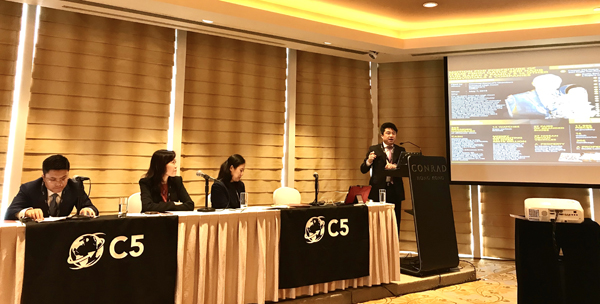
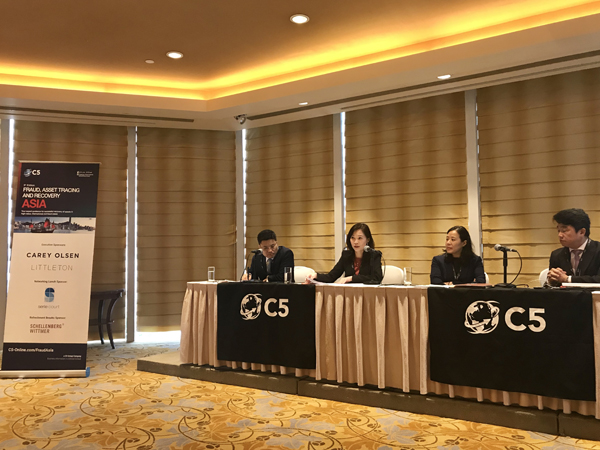
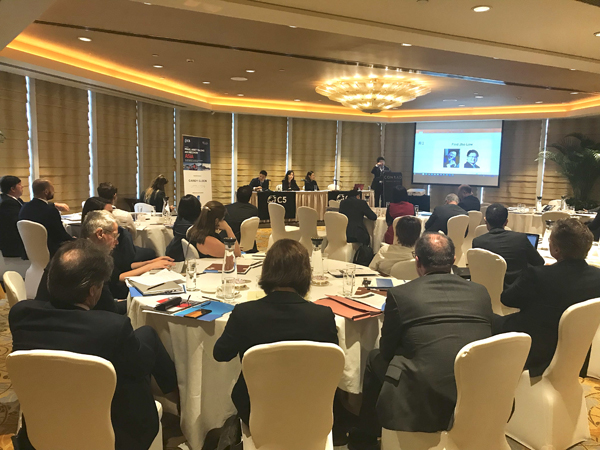
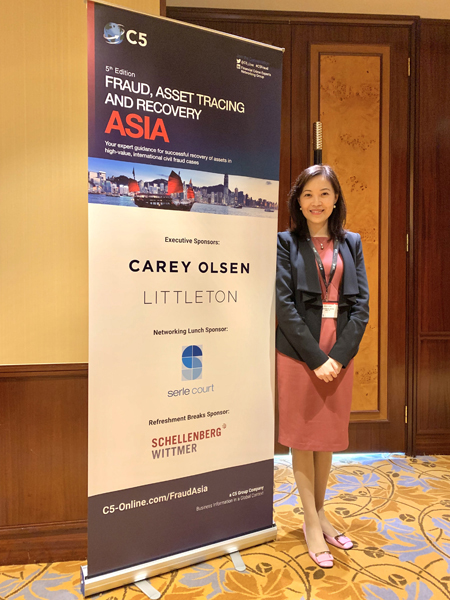
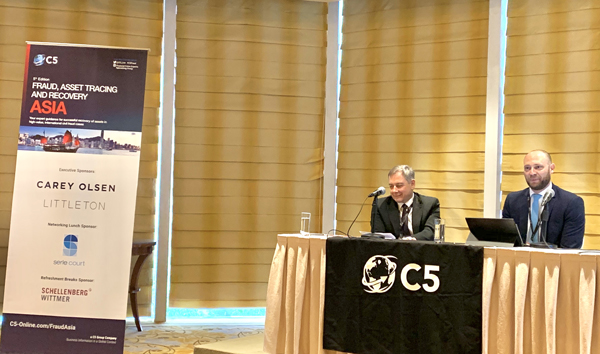
Stevenson, Wong & Co. Partner Ms. Heidi Chui was Panel Speaker at C5’s 5th Edition Fraud, Asset Tracing & Recovery Asia Conference

Stevenson, Wong & Co. partner and head of litigation and dispute resolution department Ms. Heidi Chui was invited to attend and speak on the C5’s 5th Edition Fraud, Asset Tracing & Recovery Asia Conference on 10 June 2019. Featuring a great mix of jurisdictions and topics, the conference was well received and attracted attendees from all around the globe.

At the start of the conference, Mr. Abraham Vergis from Singapore gave the opening remarks. Then The Honourable Mr. Justice Kevin Paul Zervos, Justice of Appeal of the Court of the Appeal of the High Court of Hong Kong, attended an interview by Mr. Benjamin Borsodi from Switzerland, sharing with the audience his view on fraud, asset tracing and recovery.

Our Ms. Chui was the guest speaker in the session on “Fraud and Corruption Asset Forfeiture Globally and Across Key Asia-Pacific Jurisdictions. Enforcing Court Orders” together with other panellists including Mr. Lim Chee Wee from Malaysia, Mr. Andy Liao from Mainland China, and Ms. Lim Wei Lee from Singapore. During the session, Ms. Chui shared with the audience her global asset tracing, recovery and judgment enforcement strategy and received warm welcome from the floor.

For more information, please contact our partner Ms. Heidi Chui at heidichui.office@sw-hk.com.

6 Jun 2019

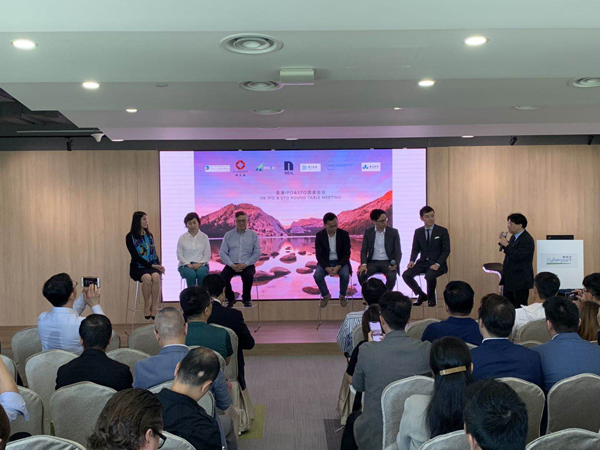
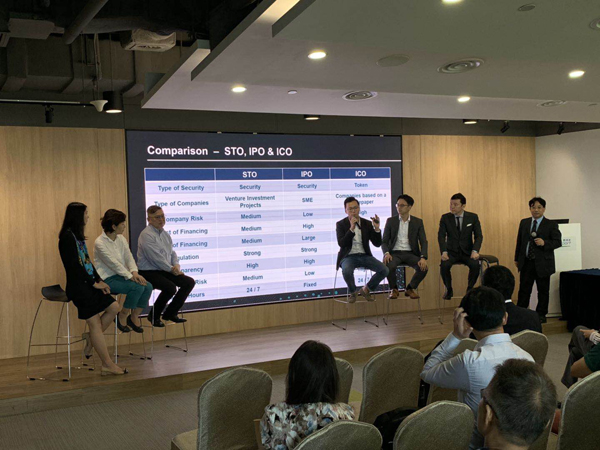
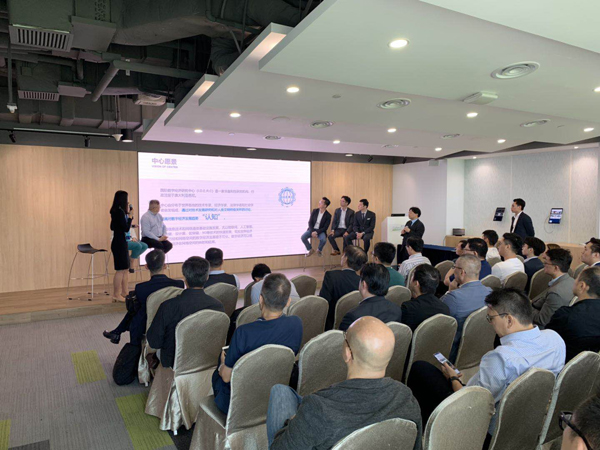
Stevenson, Wong & Co. Gave a Presentation at Hong Kong IPO & STO Global Cooperation Forum

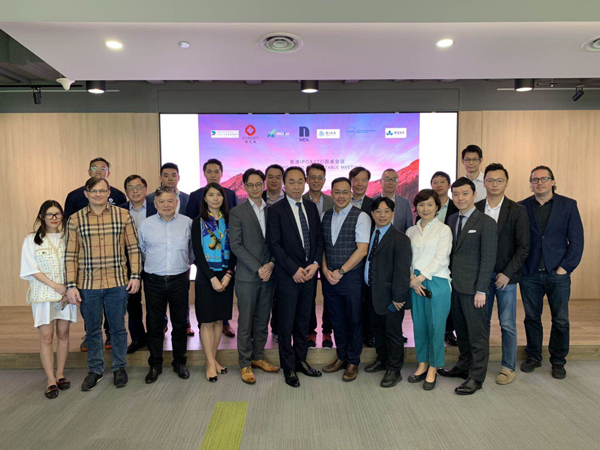
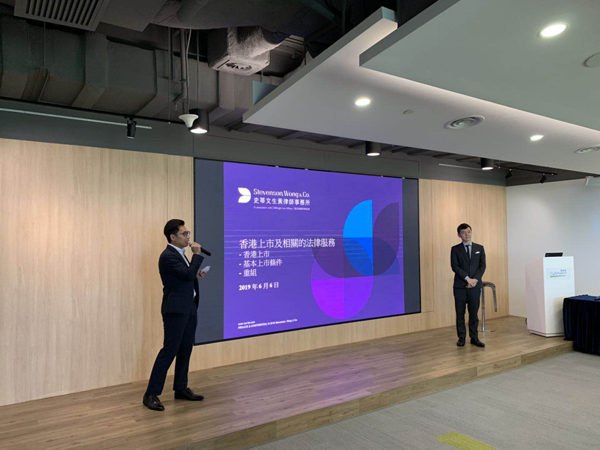
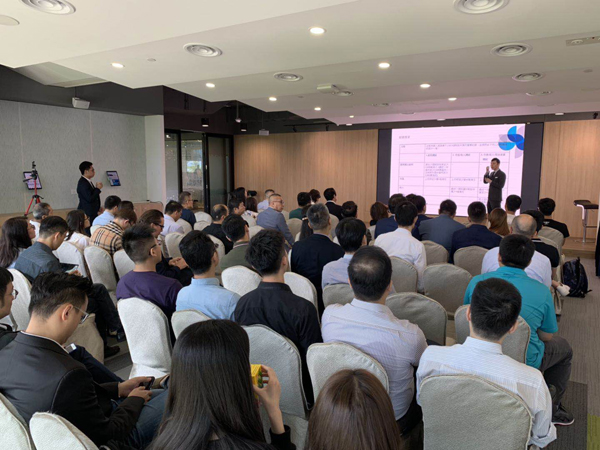
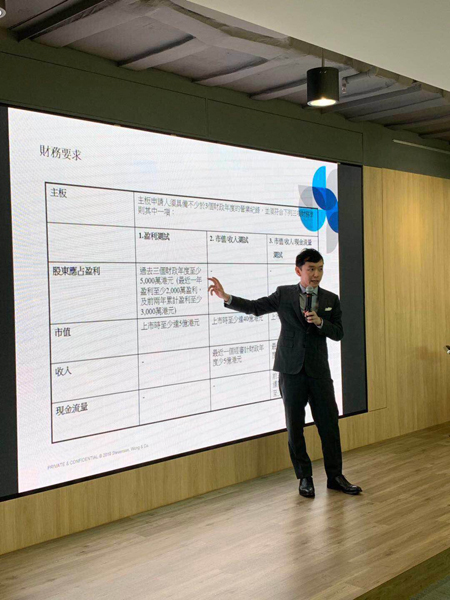
On 6 June 2019, Stevenson, Wong & Co. (“SW”) senior associate Mr. Gordon Tsang and paralegal Mr. Arthur Hung attended the Hong Kong IPO & STO Global Cooperation Forum at Hong Kong’s Cyberport. SW senior associate Mr. Gordon Tsang was invited to deliver a speech on the topic of “Hong Kong Listing and Relevant Legal Services”. He discussed several issues including an overview of companies listed in the past year, requirements and amendments of the listing rules and the arrangements for red chip restructuring.

Please contact Mr. Gordon Tsang for further enquiry about this event.