 …
…
On 19 May 2026, the Stock Exchange of Hong Kong Limited (the “Stock Exchange”) published a Statement of Disciplinary Action against a former company secretary of a listed company, Venus Medtech (Hangzhou) Inc. (Stock Code: 2500) (the “Listco”).
- Case summary
The Listco engaged a corporate service provider (“CSP”) to provide company secretarial services, including advice on Listco’s compliance with the Rules Governing the Listing of Securities on The Stock Exchange (the “Listing Rules”), review of corporate documents such as interim reports and annual reports, and assignment of a qualified company secretary to the Listco pursuant to Rule 3.28 of the Listing Rules. The CSP assigned Mr. Wong Wai Chiu (“Mr. Wong”), a certified public accountant, to the Listco. Mr. Wong was appointed as one of the joint company secretaries of the Listco on 18 January 2021.
During the period from January 2020 to June 2023, the Listco provided unauthorised financial assistance totaling approximately RMB 2.477 billion to two of its executive directors (the “Non-compliant Transactions”). The Listco was found to be in non-compliance with the Listing Rules regarding certain Non-compliant Transactions. For the financial years ending 31 December 2021 and 2022, Mr. Wong received draft annual results and reports from the Listco for which contained references to Non-compliant Transactions. However, Mr. Wong failed to review the relevant documents. Instead, Mr. Wong delegated his company secretarial responsibilities to his colleagues at the CSP, who only provided high-level and clerical comments. As a result, the board of directors of the Listco (the “Board”) was not made aware of Listing Rules implications relating to the Non-compliant Transactions.
The Listing Committee of the Stock Exchange (the “Listing Committee”) found that Mr. Wong failed to discharge his duties as a company secretary, and was liable under Rule 2A.10B(3) of the Listing Rules for the Listco’s breaches of relevant reporting, announcement, circular and independent shareholders’ approval requirements pursuant to Chapters 13, 14 and 14A of the Listing Rules in relation to the Non-compliant Transactions. The Listing Committee considered that, had Mr. Wong reviewed the documents he received, considered the potential breaches of the Listing Rules and provided professional advice to the Board as required, the wrongdoings could have been prevented or rectified at an earlier stage. The Listing Committee also considered that Mr. Wong’s appointment as a “named” company secretary of the Listco is personal, and the involvement of external legal counsels and auditors did not relieve Mr. Wong of his professional obligations as a company secretary.
This case is notable as it is the first disciplinary action taken by the Stock Exchange against an individual in his sole capacity as a company secretary (without any other concurrent role, such as director or CFO) in a listed company.
- Advice to company secretaries of listed companies
2.1 Key legal principles
The core finding of this case is not that the company secretary “knew and failed to report”, but negligence in the form of “should have known but did not report”, which constitutes a dereliction of duty.
The Listing Committee explicitly rejected two common defences:
- “Delegation as a defence”: Even where functions are delegated to service teams, as a “personal appointment” under Rule 3.28 of the Listing Rules, the company secretary must exercise personal professional judgment in reviewing key documents. In this case, Mr. Wong merely supervised via email without personally reviewing the draft annual results and reports which contained references to the Non-compliant Transactions. Such behaviour was held to be in breach of his duty of care.
- “Reliance on professional advisors”: Reliance on auditors’ or external legal counsels’ opinions does not relieve the company secretary’s personal supervisory and advisory responsibilities. The regulator imposes a non-delegable personal duty on a company secretary as a member of senior management.
- Legal risks of “named” company secretaries
This case reveals three legal risks of “named” company secretaries:
- Liability-compensation mismatch: Corporate service providers receive professional fees, but individual practitioners named as a company secretary often receive only a modest stipend. In the event of non-compliance, the Stock Exchange’s disciplinary sanctions target the “named” company secretary. A public censure can cause lasting damage to the professional qualifications (whether as (a) a member of the Hong Kong Chartered Governance Institute, (b) a solicitor or barrister (as defined in the Legal Practitioners Ordinance), or (c) a certified public accountant (as defined in the Professional Accountants Ordinance)) and reputation of the “named” company secretary.
- “Non-employee” status is not a defence: The Stock Exchange explicitly stated in the 2021 Consultation Conclusions that there is no distinction between an “in-house company secretary” and an “outsourced company secretary”. “Named” company secretaries’ lack of familiarity with the daily affairs of listed companies is not a mitigating factor. It is a risk that “named” company secretaries shall consider and evaluate prior to their appointments.
- Serious consequences: A public censure is not merely a “reputational penalty”. Pursuant to Rule 2A.10B of the Listing Rules, a sanctioned individual may be considered unfit to serve as a senior officer or as a director of any listed company, severely impacting his or her future practice and director eligibility.
- Recommendations: Measures to mitigate
If you currently serve or intend to be appointed as a “named” company secretary of a listed company (particularly as an external service provider), you are recommended to implement the following risk control measures:
- Maintain a non-delegable personal review protocol: Clearly specify the critical documents that must be personally reviewed or approved (e.g. draft announcements, annual reports, notifiable and connected transaction circulars etc.). Do not rely solely on forwarded team emails or verbal reports.
- Review liability provisions in service agreements: Carefully examine the engagement letter between the service provider and the listed company to ensure that contractual terms do not improperly shift personal regulatory obligations. Additionally, ensure that the engagement letter grants the right to obtain all necessary information and inspect documents from the listed company, including access to original board meeting papers.
- Assess the feasibility of holding multiple secretaryships: If serving as company secretary for more than six listed companies concurrently, evaluate whether you can realistically oversee the daily affairs of each listed company. Otherwise, in the event of any compliance breach, regulators are likely to cite this situation as a factor to scrutinise whether you were “overburdened and therefore failed to discharge your personal supervisory responsibilities.”
- Directors and Officers (D&O) Insurance: You should also ensure that the listed company has arranged appropriate insurance cover in respect of legal actions against its directors and members of its senior management. The scope of the insurance should cover potential regulatory proceedings and disciplinary actions against company secretaries (whether in-house or outsourced).
- Conclusion
An alarming red line been drawn: “Named” company secretaries of listed companies are personally accountable. Individuals acting as “named” company secretaries of listed companies, whether in-house or outsourced, must discharge their duties as a member of the senior management of listed companies. This requires personal oversight, professional judgement and timely remedial actions to ensure compliance and good corporate governance.
The proportionality between the amount of compensation received by the “named” company secretaries and the legal risks involved for them to discharge their duties is irrelevant. The test is clear: As a “named” company secretary, have you personally reviewed the potential non-compliant documents and raised the necessary queries?
For more information, please see:
(Chinese version)
https://www.hkex.com.hk/-/media/HKEX-Market/Listing/Rules-and-Guidance/Disciplinary-and-Enforcement/Disciplinary-Sanctions/2026/2605192_SoDA_tc.pdf
(English version)
https://www.hkex.com.hk/-/media/HKEX-Market/Listing/Rules-and-Guidance/Disciplinary-and-Enforcement/Disciplinary-Sanctions/2026/2605192_SoDA.pdf
If you wish to assess Listing Rules compliance risks, company secretary responsibilities or risk management arrangements in relation to a specific case, please contact our Partner Terence Lau, Senior Associate Teresa Yip or Associate Michael Leung.
This article is provided for general informational purposes only. Its content does not constitute legal advice and should not be treated as such. You should not rely solely on the content of this article when making any decision or taking (or refrain from taking) any action without first obtaining specific professional legal advice based on your particular facts and circumstances. Stevenson, Wong & Co. will not be liable to you in respect of any special, indirect or consequential loss or damage arising from or in connection with any decision made, action or inaction taken in reliance on the information set out herein.
Nasdaq’s New Listing Rules for Chinese Companies: How High-Quality Enterprises Can Seize Opportunities in the New Regulatory Landscape
 …
…
On May 14, 2026, the U.S. Securities and Exchange Commission (SEC) officially approved the proposed rule change SR-NASDAQ-2025-069 (as modified by Amendment No. 3), introducing additional initial listing standards for companies primarily operating in China (including the Hong Kong and Macau Special Administrative Regions). The rules will take effect 30 days after approval.
This move is not merely elevating standards but represents Nasdaq’s positive signal in balancing investor protection and market vitality. For high-quality Chinese companies with strong fundamentals and compliance awareness, the new rules provide a clearer pathway to stand out in the global capital markets, attract premium investors, and achieve long-term value enhancement.
The New Listing Standards
In recent years, Chinese companies have shown strong enthusiasm for U.S. listings, reaching new highs in 2024 and 2025. China holds significant weight in emerging market indices and is a key allocation for global investors. However, some smaller or less liquid listings have raised regulatory concerns, including but not limited to potential manipulation risks, audit transparency, and cross-border enforcement challenges.
Nasdaq’s new rules focus on “China-based Issuers” and use quantitative standards to improve listing quality, aiming to ensure sufficient liquidity, investor base, and fair and orderly trading, while addressing concerns from Congress, state financial officers, SEC and the market.
Minimum Offering Size for an IPO
When conducting an IPO, China-based issuers must use a Firm Commitment Offering to issue securities to public holders in the United States, with gross proceeds to the company of no less than US$25 million. This is higher than the minimum Market Value of Unrestricted Publicly Held Shares (MVUPHS) of US$15 million required for Nasdaq Capital Market.
Minimum Market Value of Publicly Held Shares for a Business Combinations (e.g., Special Purpose Acquisition Companies (SPAC) Mergers)
To prevent circumvention of IPO rules, China-based issuers listing via business combination must have a MVUPHS of no less than US$25 million. This requirement ensures that the post-merger entities possess a sufficient public float, thereby mitigating the risk of speculative trading.
Direct Listing Restrictions (as defined in Rule IM-5315-1)
China-based issuers may only apply for direct listing on the higher-liquidity Nasdaq Global Select Market (NGS) and are not permitted to list on the Nasdaq Global Market (NGM) or Nasdaq Capital Market (NCM) via direct listing. They must also satisfy stricter requirements (e.g., a minimum Market Value of Publicly Held Shares of US$250 million).
The above restrictions help ensure that a company has sufficient public float, investor base, and trading interest to generate the market depth and liquidity necessary to promote fair and orderly trading in the secondary market.
Transfer Listing Requirements
China-based issuers transferring from over-the-counter (OTC) market or other national exchanges must have traded for at least one year on the prior market and have a MVUPHS at no less than US$25 million. This requirement ensures that securities to be listed on Nasdaq have adequate liquidity, distribution, and U.S. investor interest.
Determination Criteria for “China-based Issuers”
Nasdaq will holistically assess the following factors to determine whether a company is a China-based issuer, including:
- its headquarters or place of incorporation
- the location of its books and records
- the location of its assets (with at least 50% of the company’s assets located in such jurisdiction)
- the source of its revenues (with at least 50% of the company’s revenues derived from such jurisdiction)
- the location and citizenship of its directors and officers (with at least 50% of the company’s directors/officers are citizens of, or reside in, such jurisdiction)
- the location of employees (with at least 50% of the company’s employees based in such jurisdiction)
- whether the company is controlled by, or under common control with, one or more Chinese entities.
Nasdaq makes determinations on a holistic basis and may request sufficient information to support the above assessment. If China-based issuers do not satisfy the additional requirements described above, Nasdaq may deny their applications. Appeals are available under Nasdaq Rule 5800 Series.
Deeper Regulatory Logic and Data Support
Nasdaq’s analysis shows that many Chinese IPOs below US$25 million from 2022-2025 faced higher rates of compliance issues, with nearly half cited for continued listing failures. In addition, referrals for suspected market manipulation involving Chinese emerging market companies were disproportionately high relative to the overall proportion of Chinese companies listed on Nasdaq.
The rules aimed at mitigating the illiquidity, high volatility, and potential manipulation risks often associated with small-scale listings. Additionally, the new rules emphasize the due diligence advantages of a Firm Commitment Offering, which helps enhance disclosure quality and bolster investor confidence.
How High-Quality Companies Should Respond
- Plan capital operations well in advance: target an offering size of over US$25 million and partner with highly experienced investment banks.
- Strengthen corporate governance and transparency: enhance disclosures regarding VIE structures, audit arrangements, and internal controls, while proactively aligning with Public Company Accounting Oversight Board (PCAOB) and SEC requirements.
- Focus on core competitiveness: demonstrate strong revenue growth, a clear business model, and a global vision, highlighting the company’s advantages over “small-scale and speculative” issuers.
- Secure professional team support: collaborate with lawyers, auditors, and advisors who are deeply familiar with both U.S. and Chinese regulatory frameworks to ensure the completeness of the application materials.
Conclusion: Strategic Opportunities Under the New Rules
Nasdaq’s rule changes mark a more mature and standardized phase in U.S.-China capital market interactions. They serve as a screening mechanism that weeds out low-quality and volatile cases while creating a healthier, more liquid environment for truly competitive companies.
For well-governed, high-growth Chinese enterprises, these rules provide a competitive advantage: higher standards attract more institutional investors, enhance international brand recognition, and fuel further development for continuous financing and development. In the context of global allocation to China stories, leading compliant companies will seize broader opportunities and maximize value.
Companies intending to list are advised to assess early, prepare proactively, and embrace this standardized opportunity to leverage this regulatory normalization as a strategic opportunity.
If you have any enquiries regarding Nasdaq listings, or wish to learn more, please contact our Partner Gordon Tsang, Senior Associate Gary Kwok, Associate Maggie Yim or Associate Sam Liu.
This article is provided for general informational purposes only. It does not constitute, and should not be construed as, legal advice or investment guidance, nor does it create a solicitor-client relationship. The information contained herein may be updated or amended from time to time, and the applicability of any content will depend on specific facts and relevant laws or regulations. The feasibility of any company’s listing should be assessed on a case-by-case basis in light of its particular circumstances and the applicable regulatory framework. To the fullest extent permitted by law, our firm and our lawyers accept no responsibility for any loss or damage (whether direct or indirect) arising from any decision, action, or inaction taken in reliance upon the content of this publication.
PwC’s Evergrande crisis – Is it worth it?
 …
…
The Hong Kong regulatory landscape has witnessed a watershed moment in corporate accountability and audit regulation. On 23 April 2026, the Securities and Futures Commission (“SFC”) and the Accounting and Financial Reporting Council (“AFRC”) announced simultaneous, sweeping regulatory actions against PricewaterhouseCoopers Hong Kong (“PwC”) concerning its audits of:
- China Evergrande Group (in liquidation) (“Evergrande”, stock code prior to delisting: 3333) for the years ended 31 December 2019 and 2020;
- Evergrande Property Services Group Limited (stock code: 6666) for the year ended 31 December 2020; and
- China Evergrande New Energy Vehicle Group Limited (stock code: 708) for the year ended 31 December 2020.
These coordinated actions, resulting in an unprecedented HK$1 billion shareholder compensation agreement, record-breaking fines, and a stringent practice limitation, underscore the severe consequences of audit failures and highlight a rigorous, cross-boundary approach to capital market enforcement.
In this newsletter, our Regulatory Enforcement and Compliance team provides an overview of the regulators’ findings, the ensuing sanctions, and the critical takeaways for accounting firms, listed companies, and professional advisers.
- The SFC Settlement: A Historic HK$1 Billion Shareholder Compensation
In a first-of-its-kind resolution,[1] the SFC reached an agreement with PwC wherein the firm will set aside HK$1 billion to compensate eligible independent minority shareholders of Evergrande. Under the agreement, the matter is fully and finally resolved without an admission of liability from PwC, provided the firm fulfils the settlement terms.
The Core Misconduct: False and Misleading Financials
The SFC’s investigation revealed that Evergrande (delisted in August 2025 and currently in liquidation) manipulated its financial results by prematurely recognising revenue from property sales prior to completion and delivery. The numbers reflect the substantial scale of the misstatements:
- FY2019: Audited annual revenue was overstated by RMB213.9 billion (a 44.79% overstatement). The reported profit of RMB33.5 billion should have been a loss of RMB7.12 billion.
- FY2020: Audited annual revenue was overstated by RMB350.2 billion (a 69.03% overstatement). The reported profit of RMB31.4 billion should have been a loss of RMB19.9 billion.
Auditor Failures Identified by the SFC
While not admitted by the firm, the SFC considered that PwC failed in its essential gatekeeping role. Key failures included:-
- Being concerned in the disclosure of false or misleading information under section 277 of the Securities and Futures Ordinance (SFO).
- Failing to maintain auditor independence and exercise adequate professional scepticism.
- Acquiescing to Evergrande management’s manipulation of audit samples and site inspections.
- Failing to perform effective site inspections to ascertain the construction status of properties for proper revenue recognition.
The SFC announcement can be viewed here.
- The AFRC Sanctions: Record Fines and Practice Limitation
Running parallel to the SFC’s actions, the AFRC imposed its own significant disciplinary sanctions against PwC and two of its former partners and registered responsible persons, Mr. Cheung Siu Cheong (engagement quality control reviewer) and Mr. Chow Sai Keung (designated quality control system responsible person).
Disciplinary Actions
- Pecuniary Penalties: A historic HK$300 million fine was levied against PwC, alongside HK$5 million fines for each of the two former partners.
- Practice Limitation: For the first time, the AFRC imposed a six-month practice limitation prohibiting PwC from accepting, performing, or issuing reports for new Public Interest Entity (PIE) audit clients.
- Public Reprimands & Remediation: PwC, Cheung and Chow each received public reprimands. PwC is additionally required to provide the AFRC with periodic remediation updates over a 12-month period and arrange additional training.
The AFRC’s Key Findings
The AFRC found multiple audit deficiencies at PwC Hong Kong. The AFRC highlighted that the auditor disregarded clear evidence of premature revenue recognition—ignoring evidence from its own site visits which showed properties were still under construction—and knowingly permitted unsupported consolidation adjustments.
Critically, the AFRC identified systematic deficiencies in the firm’s partner performance evaluation framework. The framework disproportionately rewarded client relationships and revenue generation over audit quality. The engagement partner relied on the Evergrande group for over 80% of his revenue, creating a massive self-interest and intimidation threat that senior management failed to mitigate or properly assess. Furthermore, the auditor allowed management to influence audit testing by swapping site visit samples and essentially assumed management’s responsibility in preparing the financial statements of subsidiaries.
These deficiencies allowed Evergrande to materially misstate major assets. Properties under development and completed properties held for sale were reported at RMB1,327.5 billion and RMB1,406.4 billion in 2019 and 2020, representing 60% and 61% of the Group’s total assets, respectively.
The AFRC announcement can be viewed here.
- PwC’s Response and Remediation
Following the announcements, PwC Hong Kong issued a statement acknowledging that the work on the Evergrande audits fell “well below our high expectations”. The firm emphasized that the AFRC’s practice limitation applies exclusively to new PIE clients in Hong Kong for six months and will have no impact on existing clients.
PwC China stated that it “has taken decisive accountability measures” over the past two years, which include appointing new leadership, closing the relevant audit branch responsible for the failures, and implementing a comprehensive programme to strengthen its internal culture, quality, and governance frameworks.
PwC’s statement can be viewed here.
- Is it worth it?
The latest action by the SFC and AFRC likely marks the final chapter of the fallout from the Evergrande audits. However, the disciplinary actions serve as a critical warning to the broader financial and professional services industry:
- Elevated Gatekeeper Accountability: Regulators will not hesitate to hold auditors and professional advisers directly accountable for the accuracy of public disclosures. The unprecedented HK$1 billion compensation fund establishes a new benchmark for restorative justice in the Hong Kong capital markets, shifting the financial burden of corporate fraud onto gatekeepers who fail to identify it.
- Commercial Interests vs. Professional Duties: The AFRC’s explicit criticism of PwC’s partner evaluation metrics sends a clear message. Professional firms must ensure their remuneration structures, KPIs, and corporate governance frameworks actively promote and protect independence and quality, rather than purely incentivizing revenue generation.
- The Necessity of Professional Scepticism: Acquiescing to management requests, such as allowing management to select audit samples, fatally undermines the audit process. Scepticism and independent verification remain the non-negotiable bedrock of statutory audits.
- Cross-Boundary Regulatory Coordination: Both the SFC and the AFRC expressed gratitude to the PRC Ministry of Finance and/or the China Securities Regulatory Commission (CSRC) for their support. This highlights an era of robust cross-boundary cooperation between Hong Kong and Mainland regulators in combating market misconduct.
As the regulatory environment continues to tighten, professional firms, licensed corporations, and listed entities must proactively review their internal controls, compliance frameworks, and conflict-of-interest policies to ensure they meet the uncompromising standards now expected by Hong Kong’s regulators.
Is it worth it then? The answer is obvious.
If you have any questions or would like to understand how these regulatory developments may impact your business or compliance obligations, please reach out to our Partner Kenneth Leung.
This article is for information purposes only. Its content does not constitute legal advice and should not be treated as such. Stevenson, Wong & Co. will not be liable to you in respect of any special, indirect or consequential loss or damage arising from or in connection with any decision made, action or inaction taken in reliance on the information set out herein.
[1] “For the first time, auditors of a defunct company are providing compensation to independent minority shareholders who were harmed by false and misleading financial statements,” said Ms. Julia Leung, the SFC’s Chief Executive Officer.
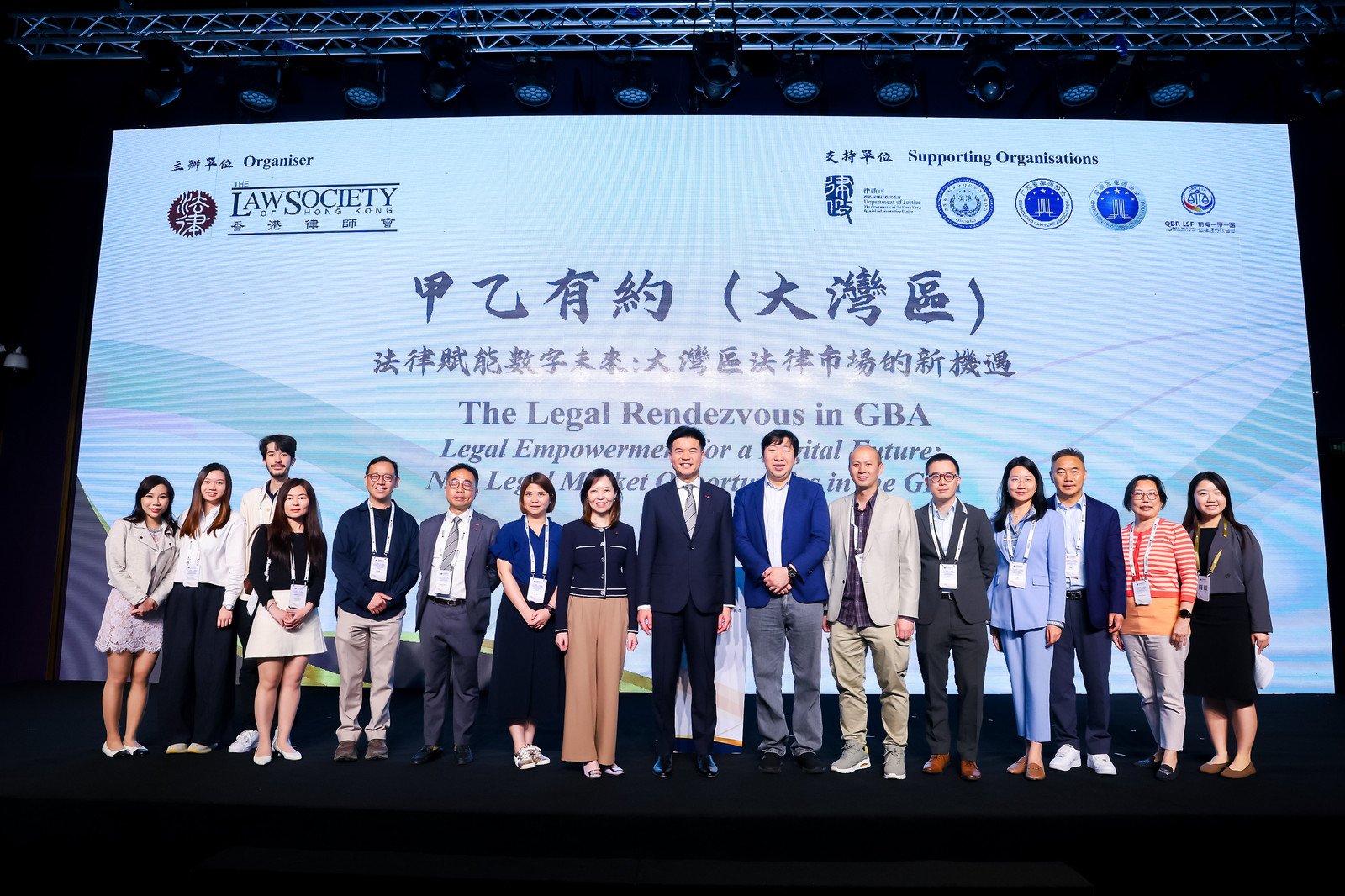
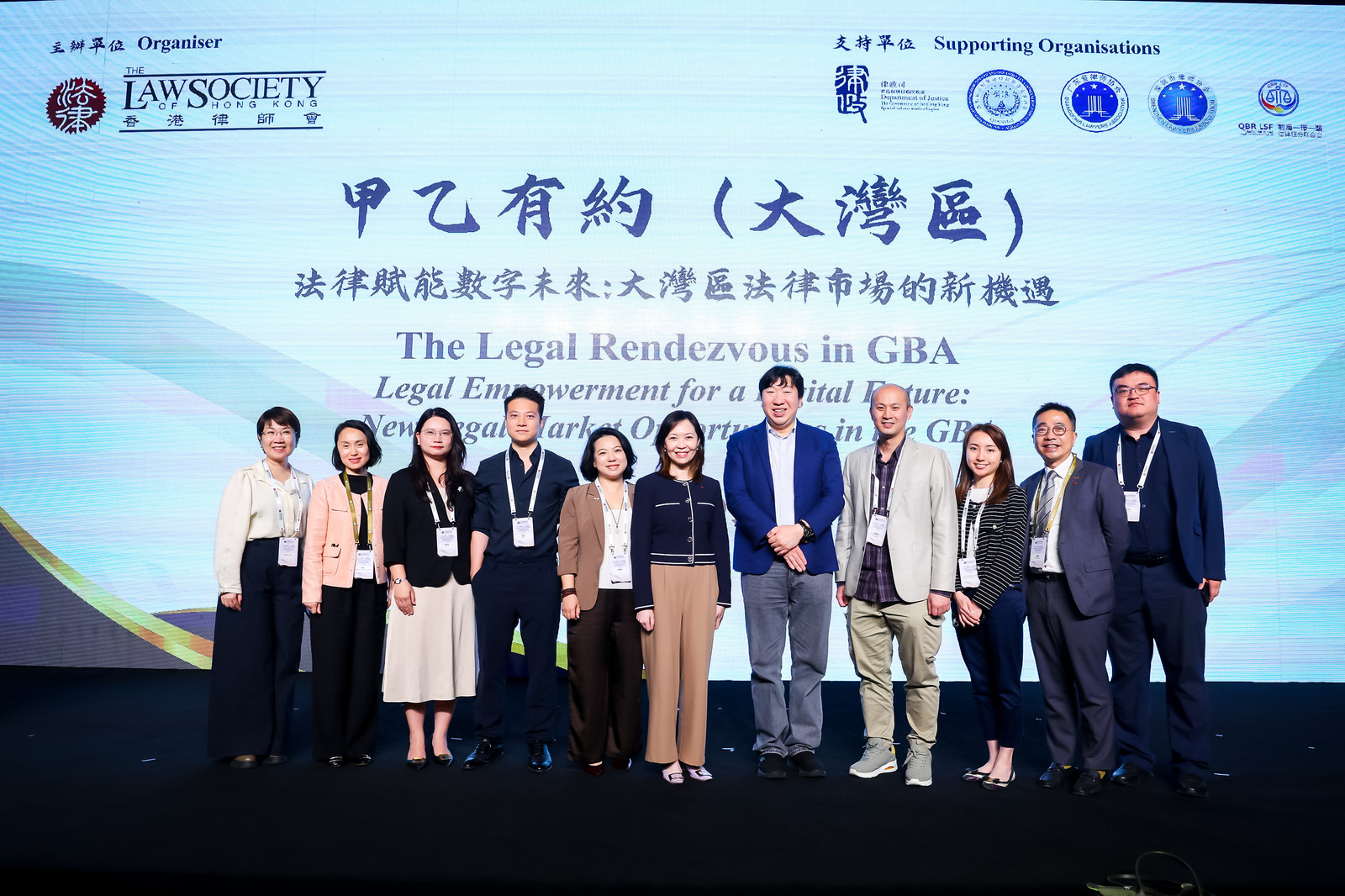
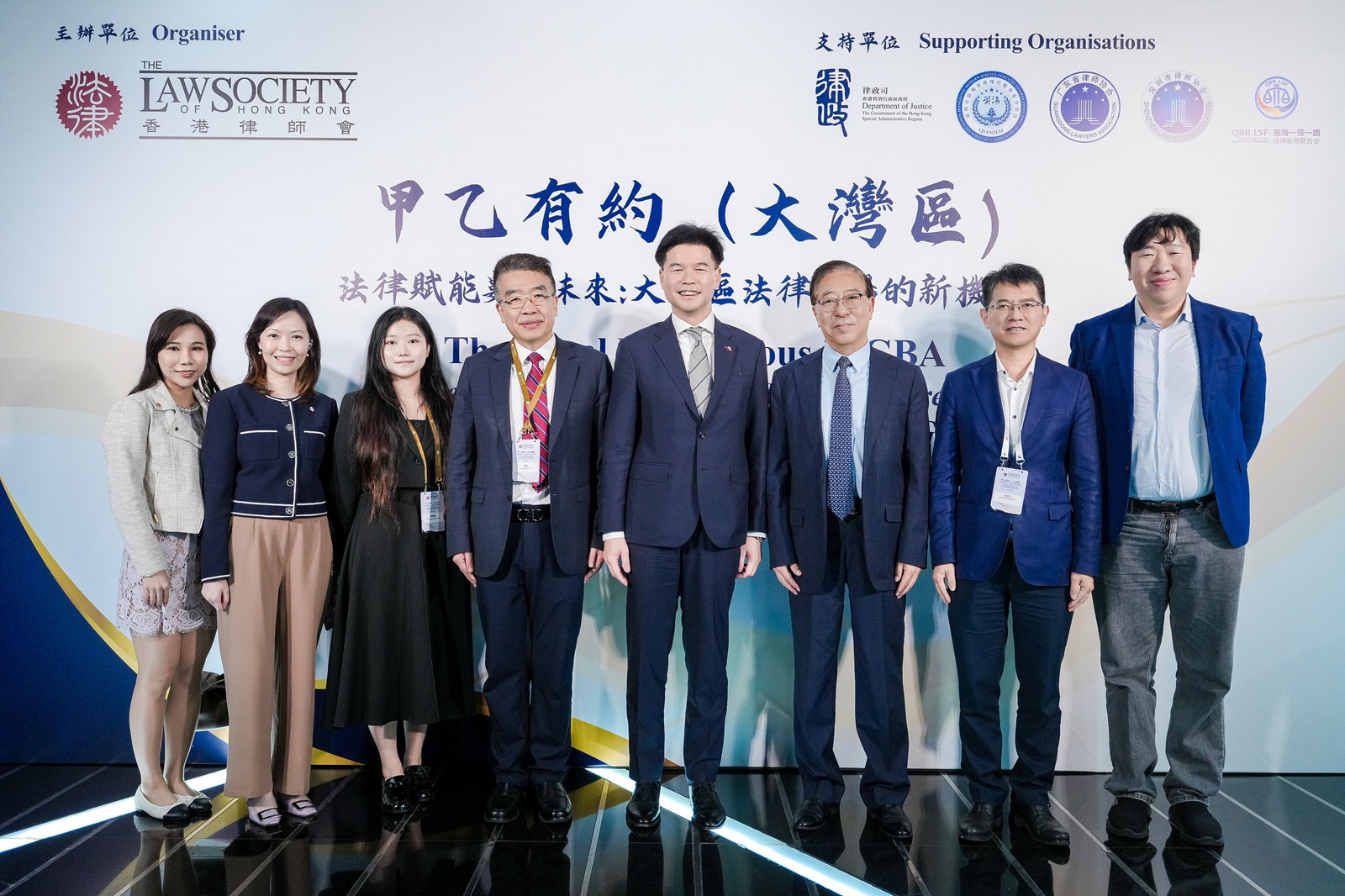
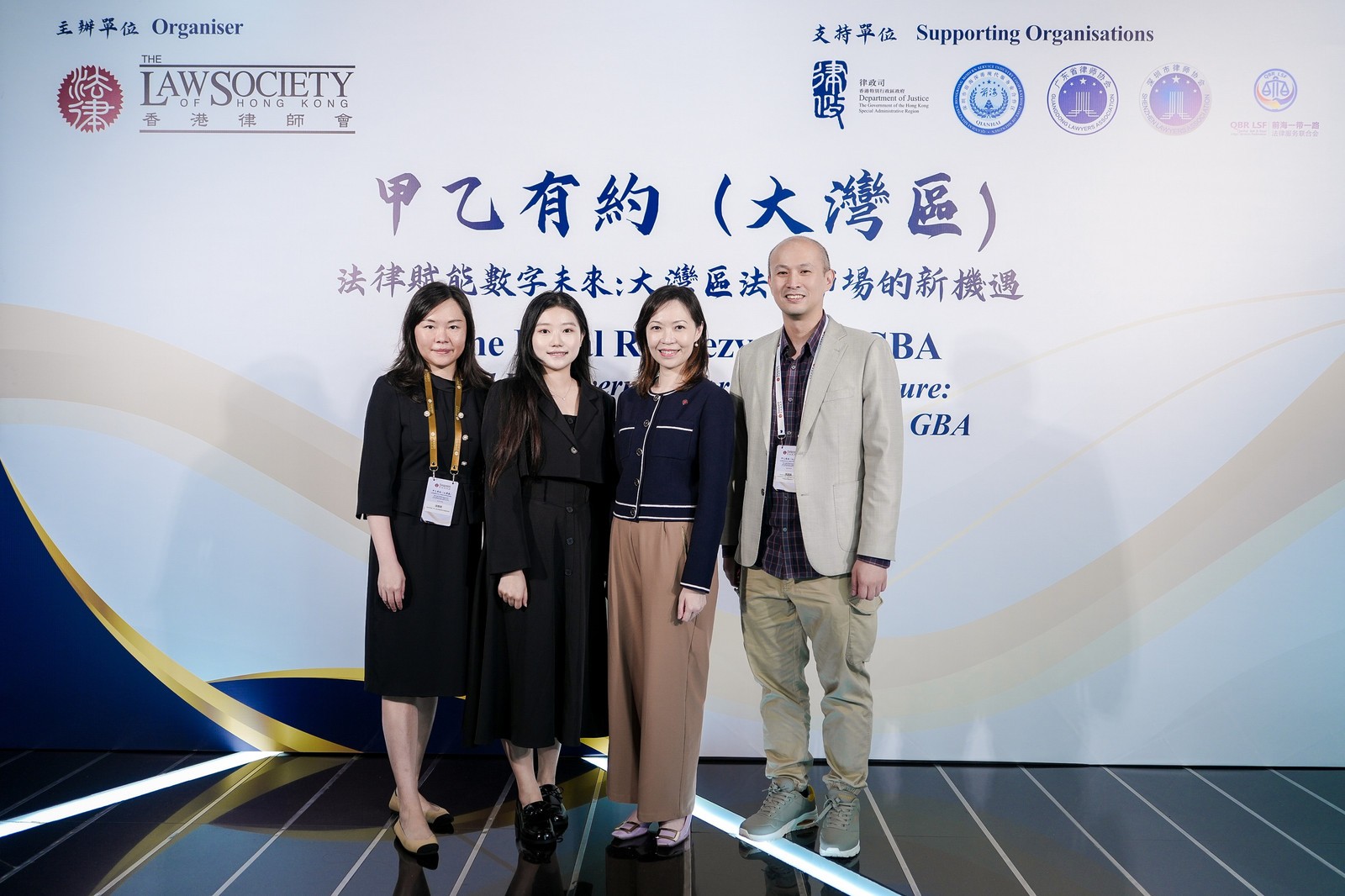
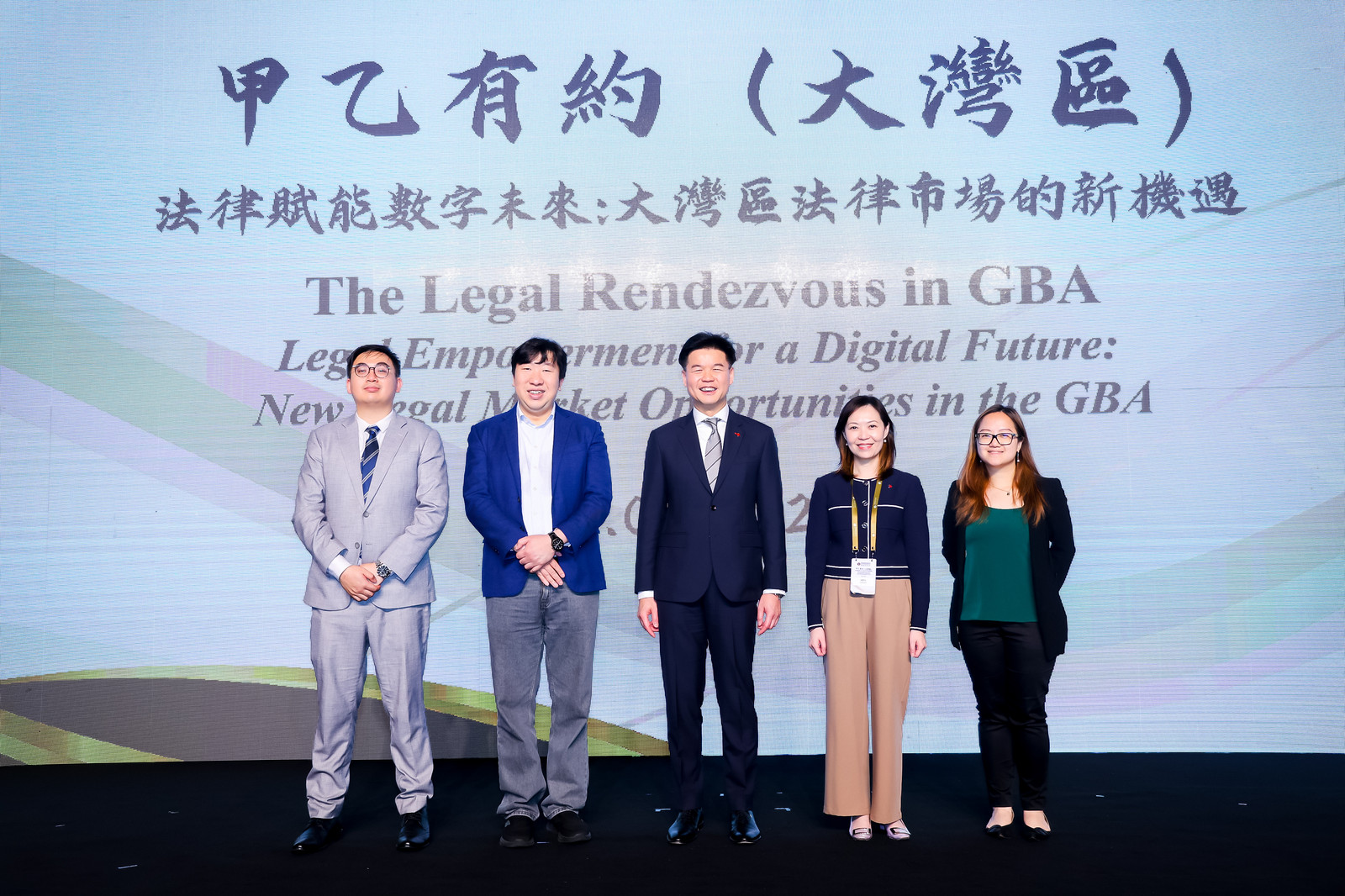
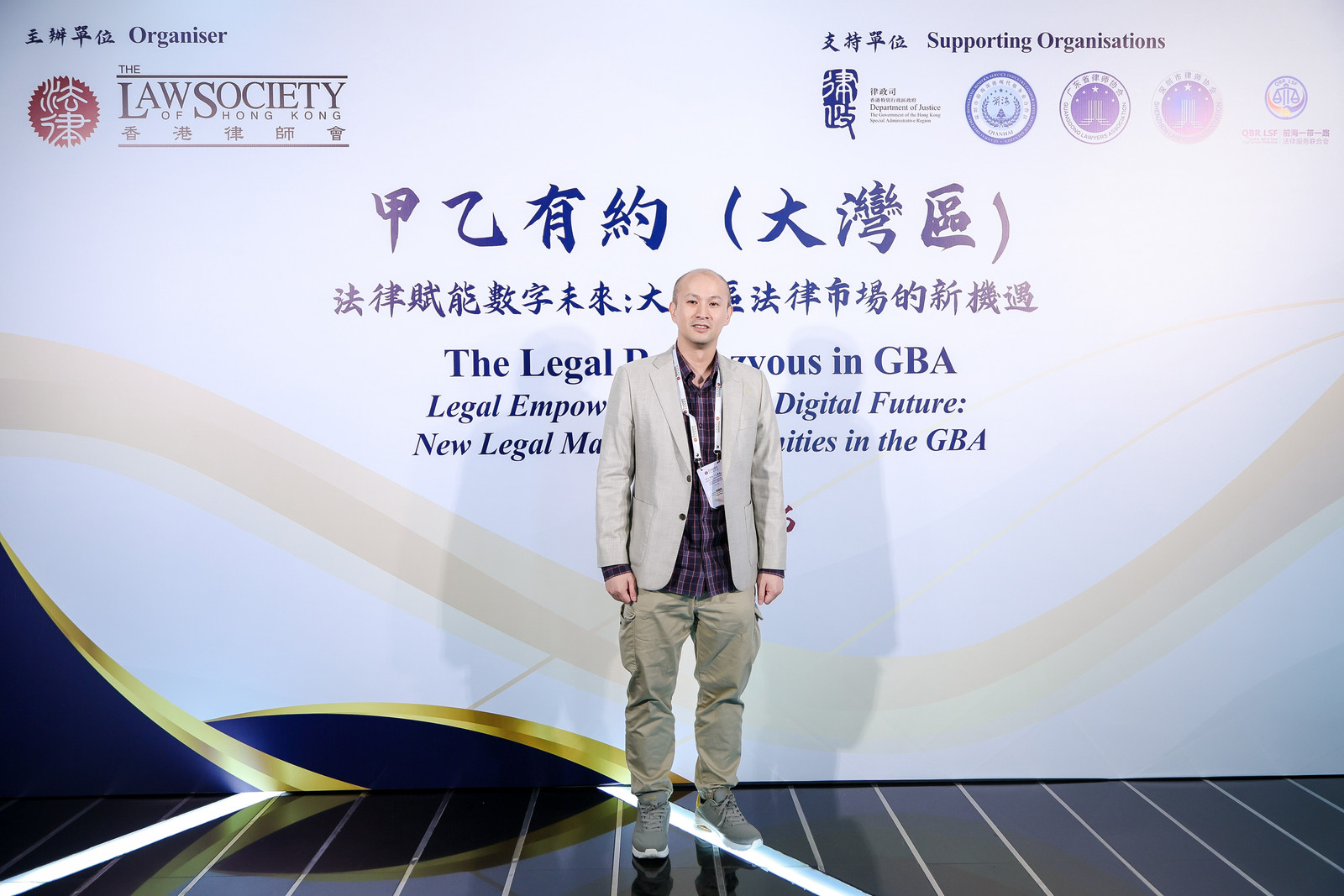
(中文) 合伙人徐凯怡律师、张源辉律师出席香港律师会「甲乙有约」(大湾区)研讨会
(中文) 随着粤港澳大湾区数字经济的高速发展,跨境法律服务正迎来前所未有的转型与机遇。2025 年 3 月 28 日,由香港律师会主办的「甲乙有约」(大湾区)——「法律赋能数字未来:大湾区法律市场的新机遇」研讨会在深圳中国华润大厦圆满落下帷幕。
 …
…
本次活动得到了两地相关部门的高度重视与支持,由律师会主办,并获得广东省律师协会、深圳市律师协会、深圳市前海管理局、广州市南沙区司法局作为支持单位。本所合伙人、香港律师会理事兼大中华法律事务委员会副主席徐凯怡律师,以及合伙人张源辉律师出席了本次盛会,与现场逾百位来自大湾区的法律同仁、企业代表及行业领袖齐聚一堂,深入交流,共同拓展区内专业网络及业务合作机遇。
「甲乙有约」(大湾区)活动是香港律师会「湾区快车」系列的重要组成部分,旨在促进大湾区法律专业人士之间的深度互动与跨境协作。本次活动以「法律赋能数字未来」为核心议题,紧扣大湾区企业在数字化转型及跨境发展过程中所面临的新机遇与新挑战。
活动邀请到多位来自大湾区不同领域的嘉宾分享真知灼见,深入探讨了企业境外投资中的合规风险与本地化挑战,并聚焦如何善用大湾区的制度优势,以及RWA代币化在提升资产流动性与对接全球市场方面的潜力与合规路径;此外,活动还探讨了数据交易市场的发展方向,强调通过建立可信流通机制与制度创新,在保障安全隐私的前提下促进数据依法合规流通,为企业数字化转型提供制度支撑。
(中文) 合伙人张源辉律师受邀为河南省涉外律师人才能力提升专项培训班授课
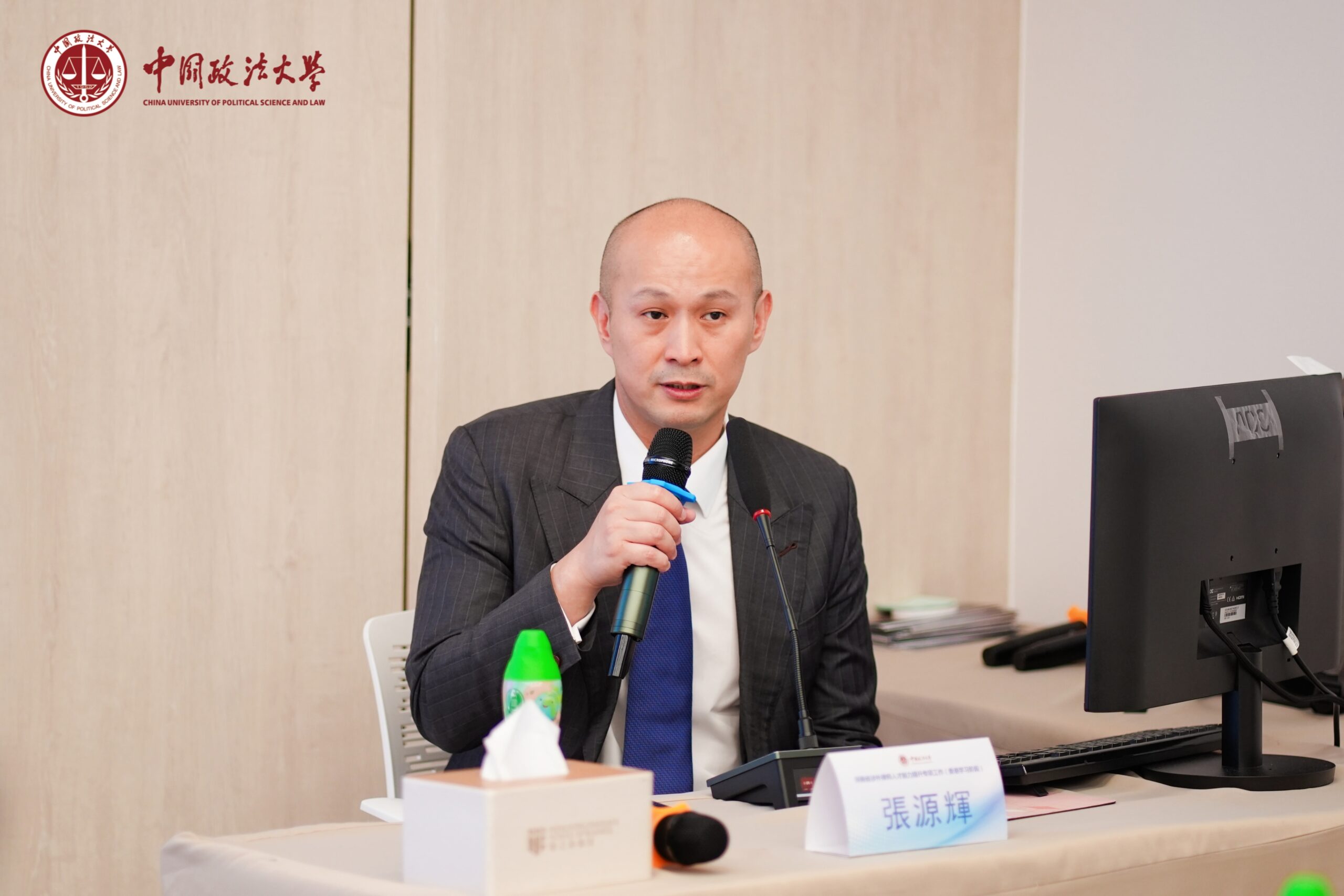
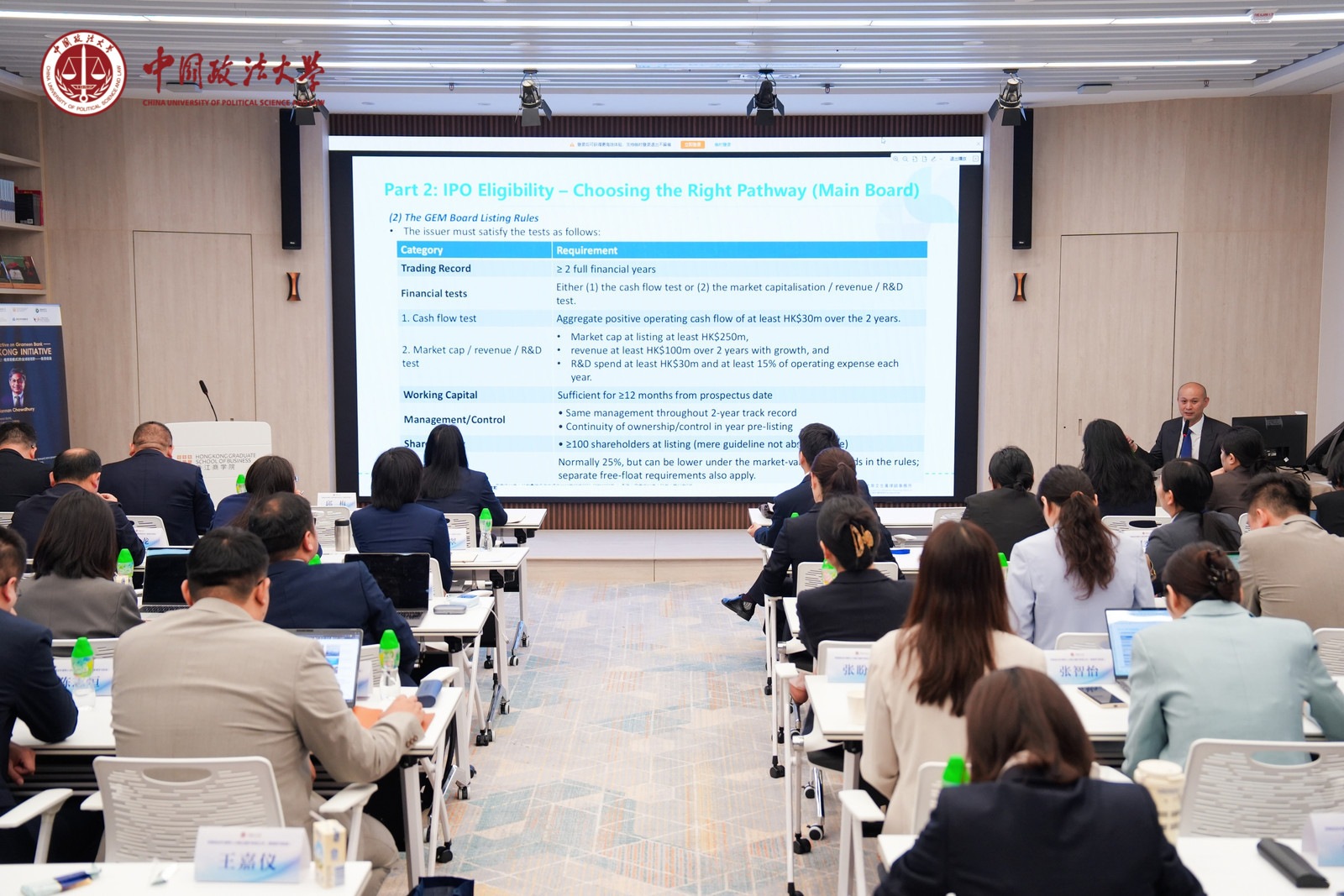
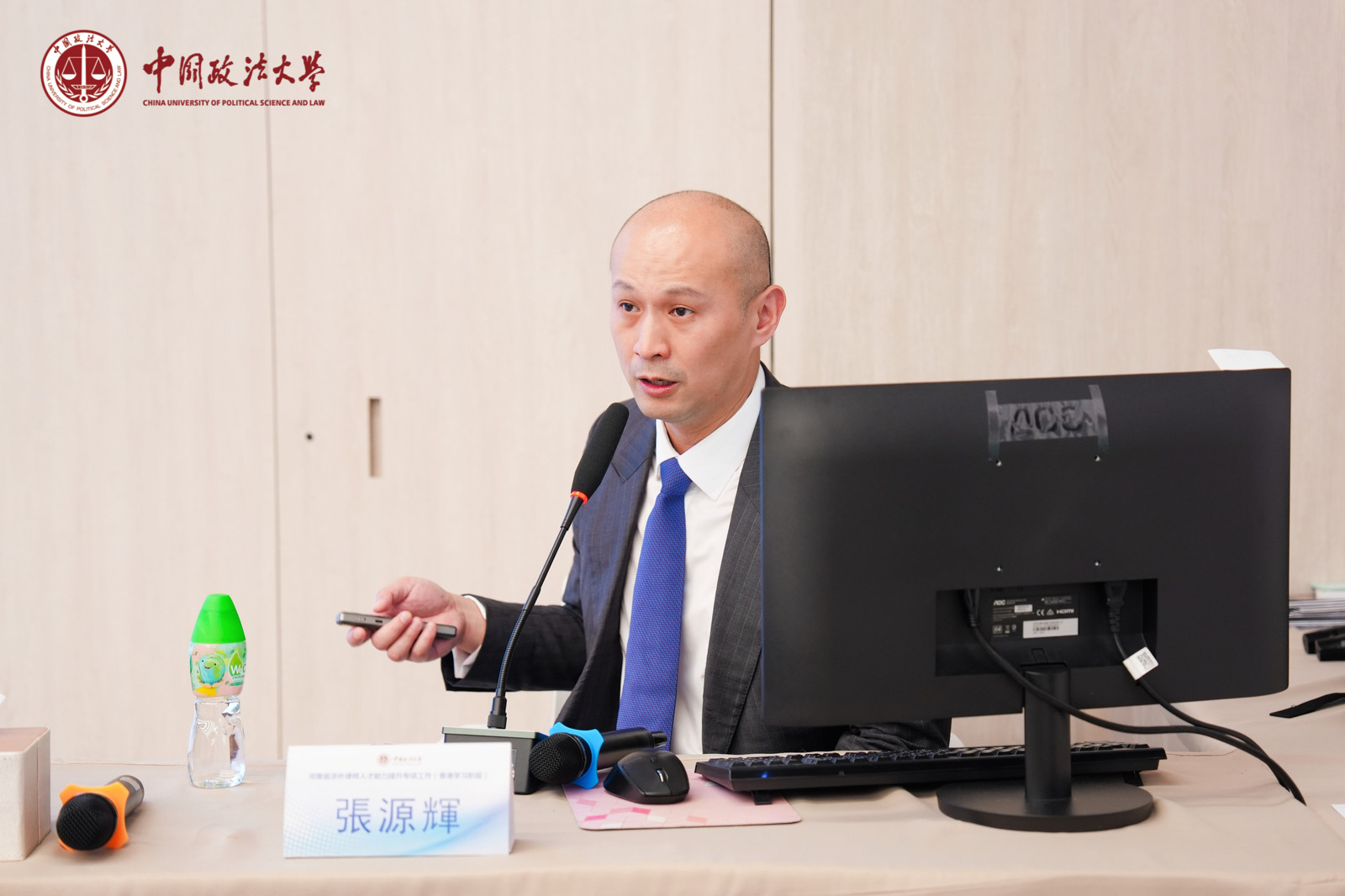
(中文) 2026年4月24日,本所合伙人、企业融资副主管及金融科技联席主管张源辉律师应中央政法培训学院邀请,担任由中国政法大学「中央政法培训学院」与河南省律师协会联合主办的“涉外律师人才能力提升专项工作培训班”讲师,为来自河南省的涉外律师人才进行专题授课。
 …
…
本次培训班面向企事业单位、律师、公证员、仲裁员等各领域在职法律人才,旨在提升涉外法律服务队伍的专业能力,增强跨境法律服务的实务水平,推动涉外法治人才培养体系建设。
在授课中,张源辉律师以《涉外律师跨境金融业务实务:跨境融资、国际债券发行与金融监管合规》为题,结合其在香港及国际金融市场多年的实务经验,系统讲解了跨境融资结构设计、国际债券发行的法律要点与流程、以及当前全球主要金融监管框架下的合规挑战与应对策略。张律师通过实际案例分析,深入剖析了香港律师在跨境金融交易中的角色,获得了与会学员的高度评价。

SFC’s eyes rolled. What should Sponsors do now?
 …
…
The Hong Kong initial public offering (IPO) market has experienced a resounding resurgence. Following a robust 2025 that saw more than 460 new listing applications and over 110 successful listings raising approximately HK$286 billion,[1] the momentum has carried fiercely into the first quarter of 2026. With 40 new listings raising nearly HK$109.9 billion in Q1 alone, Hong Kong has reclaimed its position as the premier global listing venue.[2]
However, this quantitative triumph has unmasked significant qualitative vulnerabilities. Amid the surge in new listing applications in 2025, the Securities and Futures Commission (“SFC”) and The Stock Exchange of Hong Kong Limited (“SEHK”) have observed the declining quality of draft listing documents as well as certain substandard conduct of licensed corporations carrying out sponsor work (“Sponsors”).
In response, the SFC issued a sternly worded circular on 30 January 2026 (the “Circular”), putting the industry on notice. The message is clear: the pursuit of market share must not come at the expense of substantive due diligence.
The Market Reality: Compromised Quality and “Process-Driven” Due Diligence
The SFC has expressed concern that some Sponsors may be adopting a process-driven approach to listing applications, rather than one focused on substantive due diligence and advisory services. This regulatory concern is supported by specific examples of substandard conduct highlighted by the SFC.
As highlighted in the Appendix to the Circular:-
- Some Sponsors fielded inexperienced deal teams, with over 40% of members possessing less than one year of local IPO experience.
- Operational breakdowns occurred at the offer stage due to reliance on frequently unreachable offshore teams stationed in the Philippines.
- Draft listing documents suffered from “copy-and-paste” practices, creating unreasonably lengthy and boilerplate disclosures.
In the Circular, the SFC outlines the specific areas of concern as follows:-
- There are serious deficiencies in the preparation of some listing documents and responses to regulatory comments as well as failure to attend to key regulatory processes and procedures at the offer stage.
- Sponsors overly rely on experts and third parties, including legal advisers, accountants, valuers and others to perform specific tasks, without adequately assessing their competency and resources.
- The capacity of Principals (as defined in the Code of Conduct for Persons Licensed by or Registered with the SFC) to supervise the transaction teams at Sponsors and participate in the listing engagements is insufficient.
- Sponsors have attempted to appoint Principals that are not suitably qualified.
- Sponsors have insufficient staff with appropriate levels of knowledge, skills and experience.
The “Strained Principal”
As of 29 January 2026, there were over 420 active listing applications in the pipeline. This massive workload is disproportionately concentrated among a small fraction of the market’s eligible Principals, sparking a fight for talent as Sponsors scramble to meet regulatory capacity limits. The SFC noted a concerning number of Principals simultaneously undertaking six or more active listing engagements.
The SFC has drawn a hard line on capacity. The SFC now sees any Sponsor that has designated any Principals to simultaneously supervise or participate in six or more active listing engagements (Sponsors with Strained Principal(s)) as lacking adequate resources to carry out sponsor duties, unless under very exceptional circumstances. For the first time ever, the SFC expressed an expectation that a Principal should take on up to five active engagements.
To enforce this, the SFC required all Sponsors to submit the names and number of appointed Principals and the number of active listing engagements each is engaged in. Going forward, new licence applications for individuals intending to engage in Type 6 IPO sponsor work must include a document signed off by all Managers-In-Charge of the Overall Management Oversight (OMOs) confirming compliance with the five-engagements capacity limit.
Stringent Remedial Actions and Vetting Suspensions
The SFC and SEHK are shifting from issuing warnings to taking direct supervisory and enforcement actions. In December 2025, they issued a joint letter to 13 specific Sponsors citing concerns over recent listing applications. These “Concerned Sponsors” and any Sponsors with Strained Principal(s) should expect the SFC to conduct on-site thematic inspections of their sponsor work and resources in the near future.
Furthermore, the SFC has equipped itself with immediate deterrents during the application phase:
- Where draft listing documents are severely deficient, the relevant listing applications may be returned or vetting may be suspended.
- If a listing document is unreasonably lengthy, the regulators may put the vetting process on hold. Generally, the main body of a listing document should not exceed 300 pages (excluding expert reports in appendices).
Elevated Competency and Examination Thresholds
As noted above, some Sponsors fielded teams with over 40% of staff having less than one year of local IPO experience. In response, the SFC has tightened examination requirements. All individuals engaging in IPO sponsor work must now pass HKSI LE Papers 1 and 16 not more than three years before their first engagement in IPO sponsor work, unless otherwise exempted. Sponsors must report any non-compliant staff.
Management’s Responsibilities
While a Sponsor’s management may delegate operational functions to its staff, management is ultimately responsible for supervising sponsor work and ensuring compliance with all relevant legal and regulatory requirements.
In case of serious failures, the SFC may take regulatory actions including restricting the Sponsors’ business scope or the number of active listing engagements the Sponsors can undertake. The SFC may also commence investigation and/or disciplinary action in serious cases of misconduct against the Sponsor and its Principals as well as Management who are accountable for the Sponsor’s failures.
So what should Sponsors do now?
- Strictly monitor the workload of Principals to ensure none breach the five-engagement threshold.
- Review active listing engagements to ensure that (i) adequate resources are allocated to each engagement; and (ii) any functions outsourced to third parties are supervised by qualified staff.
- Conduct an immediate internal audit of all Transaction Team members to ensure strict compliance with the HKSI LE Papers 1 and 16 requirements.
- Critically assess the eligibility and suitability of each company for listing before submitting a listing application, paying particular attention to “red flag” issues, such as fund flows, rather than adopting a process-driven approach.
- Ensure compliance with the SFC’s page limits for listing documents by adequately summarizing content from other sections into the “Summary” section rather than mere copy-and-pasting.
- Prepare for more intense scrutiny of internal review and due diligence process, conducting reviews and overhauls of internal policies if necessary.
At Stevenson, Wong & Co., our Regulatory and Litigation team possesses extensive experience in advising licensed corporations on SFC compliance, inspections, and remediation. Should you require strategic counsel on assessing your firm’s sponsor resources or navigating an impending SFC inspection, please contact our Partners Rainbow Ip or Kenneth Leung.
This article is for information purposes only. Its content does not constitute legal advice and should not be treated as such. Stevenson, Wong & Co. will not be liable to you in respect of any special, indirect or consequential loss or damage arising from or in connection with any decision made, action or inaction taken in reliance on the information set out herein.
[1] According to the Circular, from 1 January to 31 December 2025, more than 460 new listing applications were received by the regulators. The Circular also notes that during this same period, there were over 110 successful listings which raised approximately HK$286 billion. See https://apps.sfc.hk/edistributionWeb/api/circular/openFile?lang=EN&refNo=26EC4.
[2] Based on market data reported by KPMG China in their Q1 2026 review, Hong Kong’s IPO market raised HK$109.9 billion across 40 new listings in the first quarter. See https://kpmg.com/cn/en/insights/2026/04/china-hk-ipo-2026-q1-review.html.
Recent Articles/Events
- USM Countdown: Is Your Company Ready?
- Going Concern Disclaimers: Regulators Signal Greater Scrutiny and Potential Suspension Risk
- Korea FSC Unveils Three-Phase Roadmap for Tokenised Securities
- Hong Kong and Malaysia Launch Single-Submission Framework for Simultaneous Dual IPO Listings
- What Distressed Issuers Must Know in 2026: HKEx’s Refined Suspension Framework
- October 2026
- September 2026
- August 2026
- July 2026
- June 2026
- May 2026
- April 2026
- March 2026
- February 2026
- January 2026
- December 2025
- November 2025
- October 2025
- September 2025
- August 2025
- July 2025
- June 2025
- May 2025
- April 2025
- March 2025
- February 2025
- January 2025
- December 2024
- November 2024
- October 2024
- September 2024
- August 2024
- July 2024
- June 2024
- May 2024
- April 2024
- March 2024
- February 2024
- January 2024
- December 2023
- November 2023
- October 2023
- September 2023
- August 2023
- July 2023
- June 2023
- May 2023
- April 2023
- March 2023
- February 2023
- January 2023
- December 2022
- November 2022
- October 2022
- September 2022
- August 2022
- July 2022
- June 2022
- May 2022
- April 2022
- March 2022
- February 2022
- January 2022
- December 2021
- November 2021
- October 2021
- September 2021
- August 2021
- July 2021
- June 2021
- May 2021
- April 2021
- March 2021
- February 2021
- January 2021
- December 2020
- November 2020
- October 2020
- September 2020
- August 2020
- July 2020
- June 2020
- May 2020
- April 2020
- March 2020
- February 2020
- January 2020
- December 2019
- November 2019
- October 2019
- September 2019
- August 2019
- July 2019
- June 2019
- May 2019
- April 2019
- March 2019
- February 2019
- January 2019
- December 2018
- November 2018
- October 2018
- September 2018
- August 2018
- July 2018
- June 2018
- May 2018
- April 2018
- March 2018
- February 2018
- January 2018
- December 2017
- November 2017
- October 2017
- September 2017
- August 2017
- July 2017
- June 2017
- May 2017
- April 2017
- March 2017
- February 2017
- January 2017
- December 2016
- November 2016
- October 2016
- September 2016
- August 2016
- July 2016
- June 2016
- May 2016
- April 2016
- March 2016
- February 2016
- January 2016
- December 2015
- November 2015
- October 2015
- September 2015
- August 2015
- July 2015
- June 2015
- May 2015
- April 2015
- March 2015
- February 2015
- January 2015
- December 2014
- November 2014
- October 2014
- September 2014
- August 2014
- July 2014