News Updates
Find out all about our firm’s latest news updates below. To learn more about any individual item, please contact us here.
News Updates
Find out all about our firm’s latest news updates below. To learn more about any individual item, please contact us here.
 …
…
Recently, Nasdaq, with the approval of the U.S. Securities and Exchange Commission (SEC), made two landmark adjustments to the rules governing initial listings. These adjustments concern (i) the quantitative liquidity thresholds and (ii) Nasdaq’s authority to review and guard against potential market manipulation risks. For companies seeking a U.S. listing, this development signifies that Nasdaq’s admission criteria have evolved from a mere numerical checklist into a deeper compliance rationale.
With Nasdaq raising its market liquidity requirements and introducing new Interpretive Material IM-5101-3 (hereinafter “IM-5101-3”), which grants Nasdaq broader but limited discretionary authority, companies must now upgrade their listing preparation from a focus on meeting indicators to a systematic compliance project. In this new regulatory environment, applicants must not only satisfy more stringent financial and liquidity benchmarks but also proactively demonstrate that their governance structure, intermediaries, and offering arrangements possess resilience against market manipulation.
Significantly Higher Liquidity Thresholds: Building a “Safety Chassis” for Price Discovery
Nasdaq’s decision to raise the Market Value of Unrestricted Publicly Held Shares (MVUPHS) requirement aims to reduce the risk of price volatility and manipulation associated with thinly traded securities.
Effective 17 January 2026, Nasdaq has substantially raised the minimum liquidity thresholds for companies applying under the “Net Income Standard” or “Income Standard”, as follows:
In its approval notice, the SEC emphasised that a robust public float is the cornerstone of effective price discovery. For listing applicants, this means the IPO offering size and allocation structure must be carefully designed to ensure that a verifiable and compliant free float is achieved on the first day of trading.
Institutionalising “Limited Discretion”: Extending Supervision to External Risk Factors
Beyond quantitative thresholds, the newly introduced IM-5101-3 explicitly grants Nasdaq a legal basis to reject a listing application on the grounds of public interest.
IM-5101-3 stems from Nasdaq proposal SR-NASDAQ-2025-104 and took effect on 19 December 2025. This rule was prompted by regulators’ observations that certain small-cap issuers experienced abnormal trading activity shortly after listing, often involving unidentified third parties disseminating investment tips on social media to manipulate share prices.
Under IM-5101-3, even where a listing applicant fully satisfies the quantitative criteria, Nasdaq may exercise its discretion based on a series of non-exclusive factors, including but not limited to:
In short, meeting the metrics no longer guarantees approval. Applicants must be prepared to clearly articulate and substantiate why their business and capital structure are not vulnerable to manipulation or compliance breakdown.
The Value of Professional Advisors: Core Indicators in Risk Assessment
Under Nasdaq’s revised framework, the roles of auditors, lawyers, underwriters, and other professional advisors as regulatory gatekeepers have become more critical than ever. Their track record, regulatory history, and past involvement in cases exhibiting abnormal trading behaviour are now key elements in Nasdaq’s risk assessment.
According to IM-5101-3, Nasdaq may not only scrutinise advisory institutions themselves but also consider the compliance history of their principals or newly formed affiliates, including whether they have been the subject of referrals or disciplinary actions by the Financial Industry Regulatory Authority (FINRA), the SEC, or other regulatory authorities.
Accordingly, selecting a professional team with proven Nasdaq listing experience, impeccable integrity, and proactive risk-screening capabilities is no longer a matter of cost alone – it constitutes the first line of defence in building regulatory confidence, reducing review uncertainty, and mitigating market-manipulation risks.
Project Management Logic Upgrade: From Compliance to Demonstrable Systems Engineering
Faced with these more granular regulatory standards, companies planning a Nasdaq listing should implement a reverse-scheduled compliance roadmap of 18 to 24 months.
Given Nasdaq’s potential for multiple rounds of inquiries on issues such as the source of MVUPHS, intermediary backgrounds, or cross-border enforcement feasibility, applicants should not expect the review process to conclude within a few weeks.
Preparations should begin early across the following dimensions:
Only by treating the listing process as a verifiable compliance system can a company respond convincingly when regulators exercise discretion and thereby significantly improve its prospects for first-round approval.
Conclusion
In summary, Nasdaq’s two recent rule changes, namely the increase in MVUPHS liquidity thresholds effective 17 January 2026, and the institutionalisation of limited discretion under IM-5101-3 effective 19 December 2025, send a clear signal of tighter and more sophisticated supervision.
This shift requires companies preparing for a U.S. listing to transition from mere metric fulfillment to a more comprehensive model of compliance substantiation and risk defence. Under the new regulatory framework, prospective issuers must not only meet higher entry thresholds but also proactively demonstrate, through experienced Nasdaq advisors, sound corporate governance, and transparent offering structures, their capacity to resist market-manipulation risks and maintain continuous compliance.
For companies with strong fundamentals, solid governance, and forward‑looking compliance awareness, the new rules, while raising the bar, also establish a more credible and selective platform. This, in turn, presents an opportunity to gain higher market trust and long-term capital recognition on the Nasdaq.
If you have any enquiries regarding Nasdaq listings, or wish to learn more, please contact our Partner Gordon Tsang, Senior Associate Gary Kwok or Associate Sam Liu.
This article is provided for general informational purposes only. It does not constitute, and should not be construed as, legal advice or investment guidance, nor does it create a solicitor-client relationship. The information contained herein may be updated or amended from time to time, and the applicability of any content will depend on specific facts and relevant laws or regulations. The feasibility of any company’s listing should be assessed on a case-by-case basis in light of its particular circumstances and the applicable regulatory framework. To the fullest extent permitted by law, our firm and our lawyers accept no responsibility for any loss or damage (whether direct or indirect) arising from any decision, action, or inaction taken in reliance upon the content of this publication.
 …
…
Stevenson, Wong & Co. have recently acted for the father in an application for the return of child made under the Child Abduction and Custody Ordinance (Cap. 512, Laws of Hong Kong) and the Hague Convention on the Civil Aspects of International Child Abduction 1980 (“the Hague Convention”). This case concerns an unusual issue regarding state and consular immunity.
The Court of First Instance handed down the judgment on 15 December 2025 and ordered the immediate return of the two children of the family to their habitual residence in the Czech Republic. (See Secretary for Justice v SK & Another [2025] HKCFI 6345)
Case Background
The parties have two children born in 2012 and 2016 respectively. Following divorce proceedings in the United States, a U.S. court made a decision in 2022, granting joint legal custody of the children to the parties and primary physical custody of the children to the mother. The mother was also allowed to relocate with the children to the Czech Republic in June 2022. The U.S. decision in 2022 was subsequently recognised by the Czech Republic Court in 2024.
In 2025, the Mother was employed by the Ministry of Foreign Affairs of the Czech Republic (“the Ministry”) and was posted to Hong Kong. She relocated the children to Hong Kong without the Father’s consent. The Father then obtained an order from the U.S. Court granting him temporary legal and physical custody of the children and directing that the children shall attend the school in Czech Republic as last enrolled.
Through the Central Authority for the Czech Republic and the Central Authority for Hong Kong, the father requested the immediate return of the children to the Czech Republic.
The Mother’s Defence
The mother opposed the application on the following grounds:
Court’s Findings
The Court rejected the mother’s grounds of opposition:-
The Court therefore ordered that the children be returned to the Czech Republic. Due to the mother’s unilateral decision to bring the children to Hong Kong and her unreasonable conduct in the proceedings, she was ordered to pay for the children’s return air tickets and the father’s legal costs.
This decision provides important clarification on the limits of state and consular immunity, particularly in the context of family and child-related disputes. it also underscores the Hong Kong courts’ rigorous enforcement of international treaty obligations when navigating child abduction matters.
The father was represented by Stevenson Wong & Co, with the matter handled by Partner Calvin Lo. For further inquiries regarding this case or our services, please contact our Partner and Head of SW Private Client, Wendy Lam or Calvin Lo.
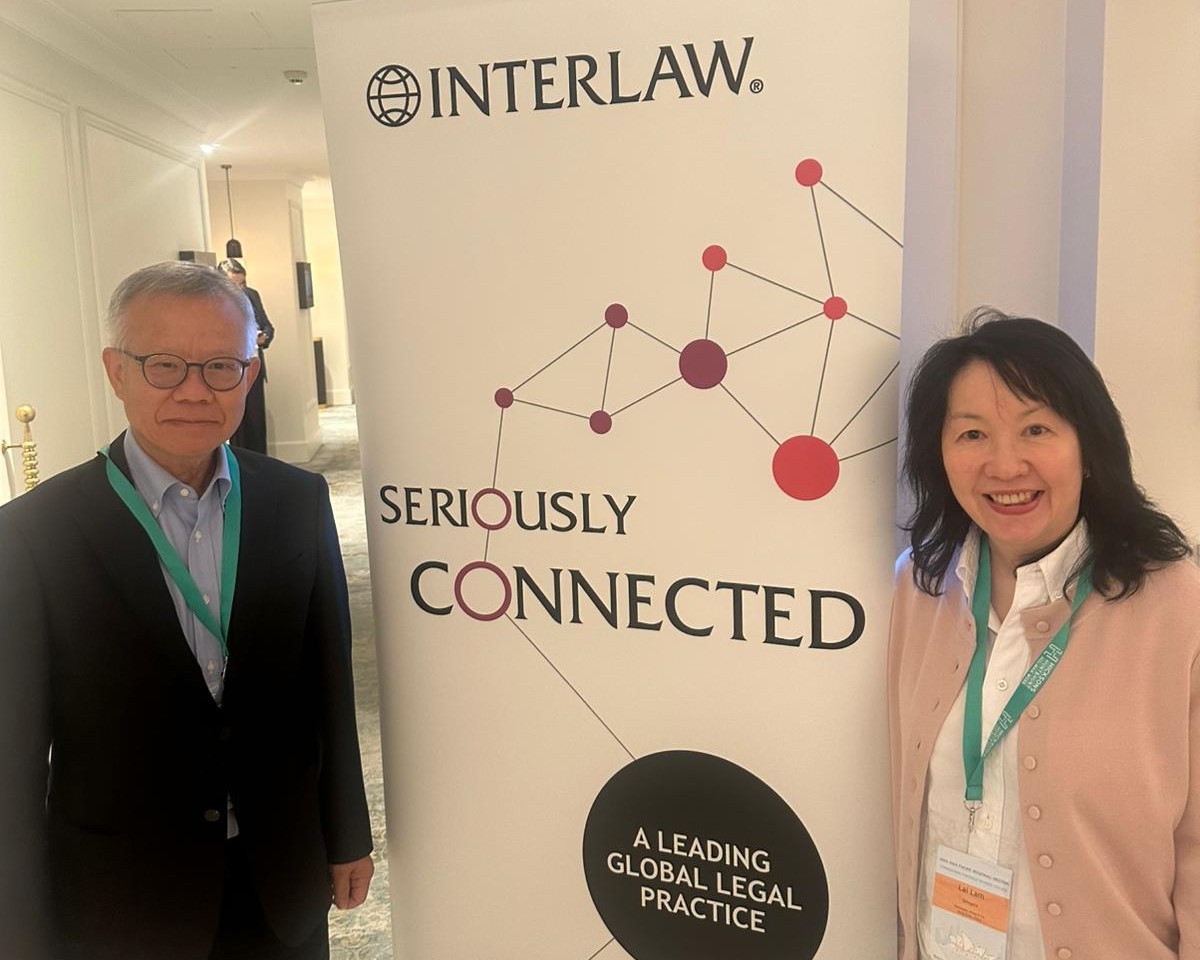
(From the left) Partners Willy Cheng and Lai Lam …
Between 4 and 7 February 2026, Partners Willy Cheng and Lai Lam represented the firm at the Interlaw Asia Pacific Regional Meeting in Sydney. As a founding member of this elite global network which comprises over 90 firms in 150 cities, our participation ensures we remain at the forefront of international legal developments.
Under the theme “Connecting Through Shared Values,” the three-day event was designed to strengthen business ties and foster cooperation between member firms from across the Asia Pacific and beyond. During the summit, Mr. Cheng and Ms. Lam engaged in a series of curated sessions and workshops focusing on the most pressing issues facing the profession. These discussions explored the defining role of AI within the Banking and IP sectors, the impact of shared values on recruitment for Employment and Labour in the digital age, and contemporary strategies for Leadership and Management. The meeting also provided a dedicated forum for participants to discuss specific business development initiatives aimed at deepening cross-border cooperation and streamlining service delivery across the region.

Please contact our Partners Willy Cheng or Lai Lam for further enquiries about this event.
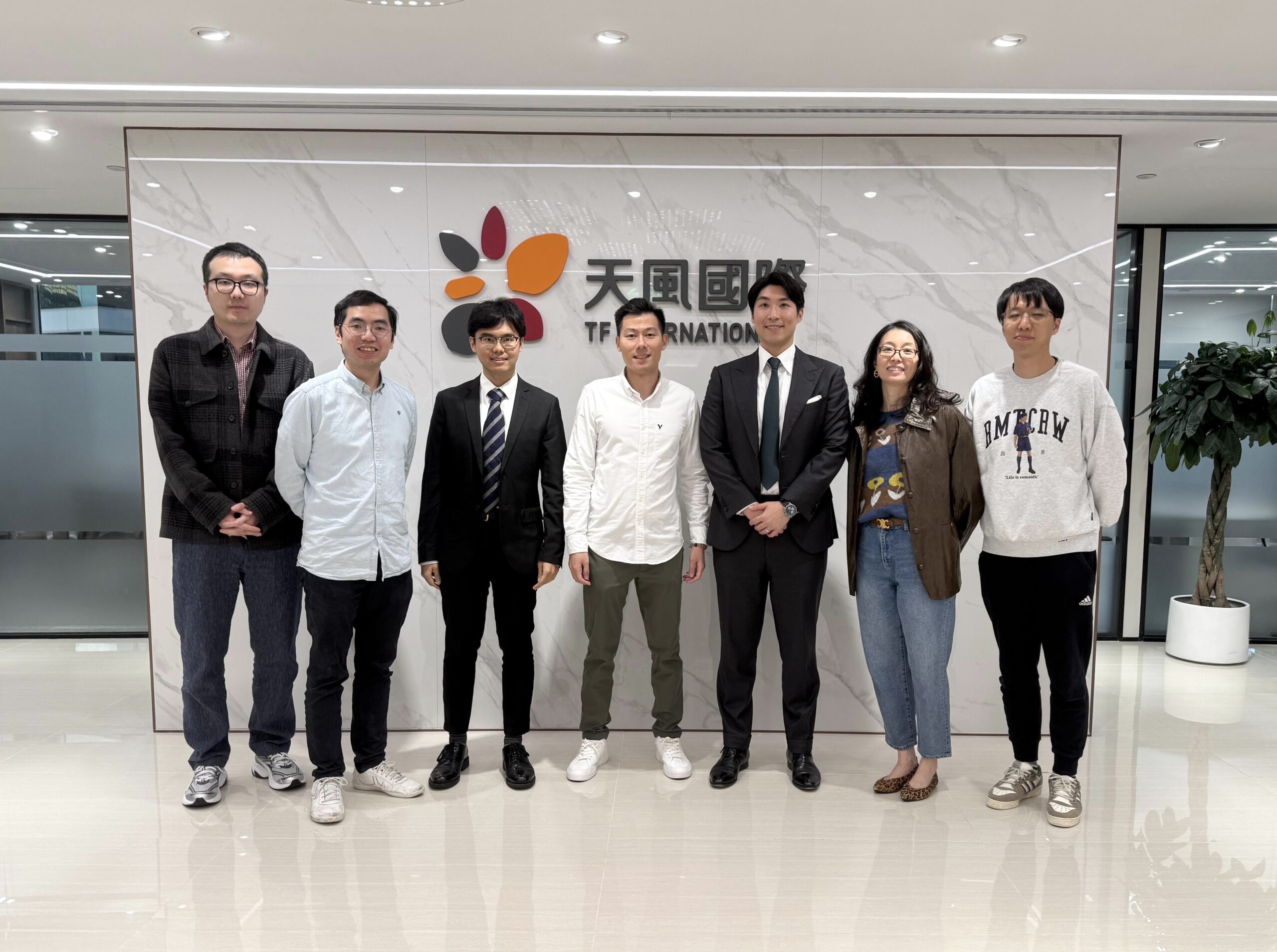
Consultant Kenneth Leung (3rd from the right) and Associate Ronnie Tse (3rd from the left)
…
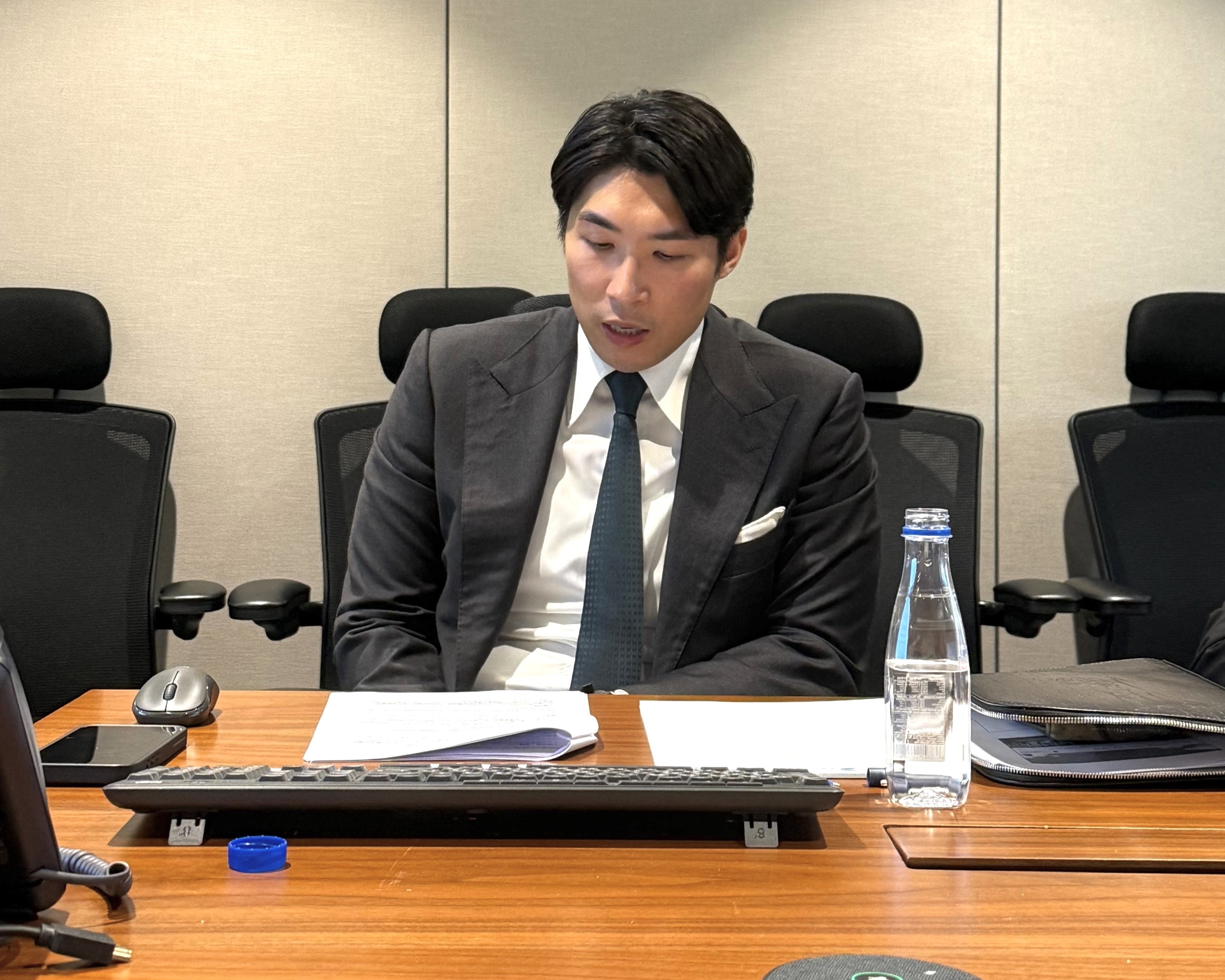
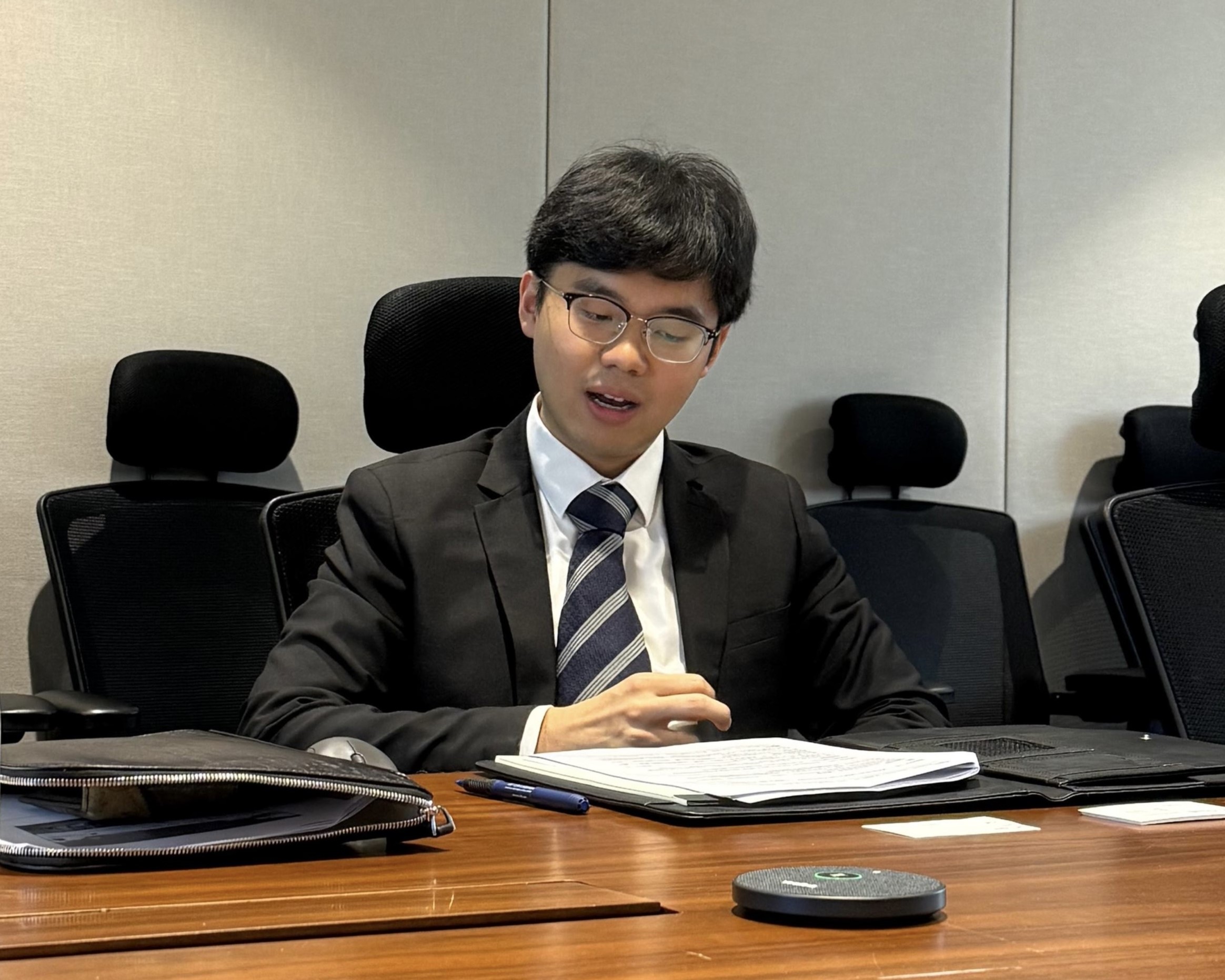
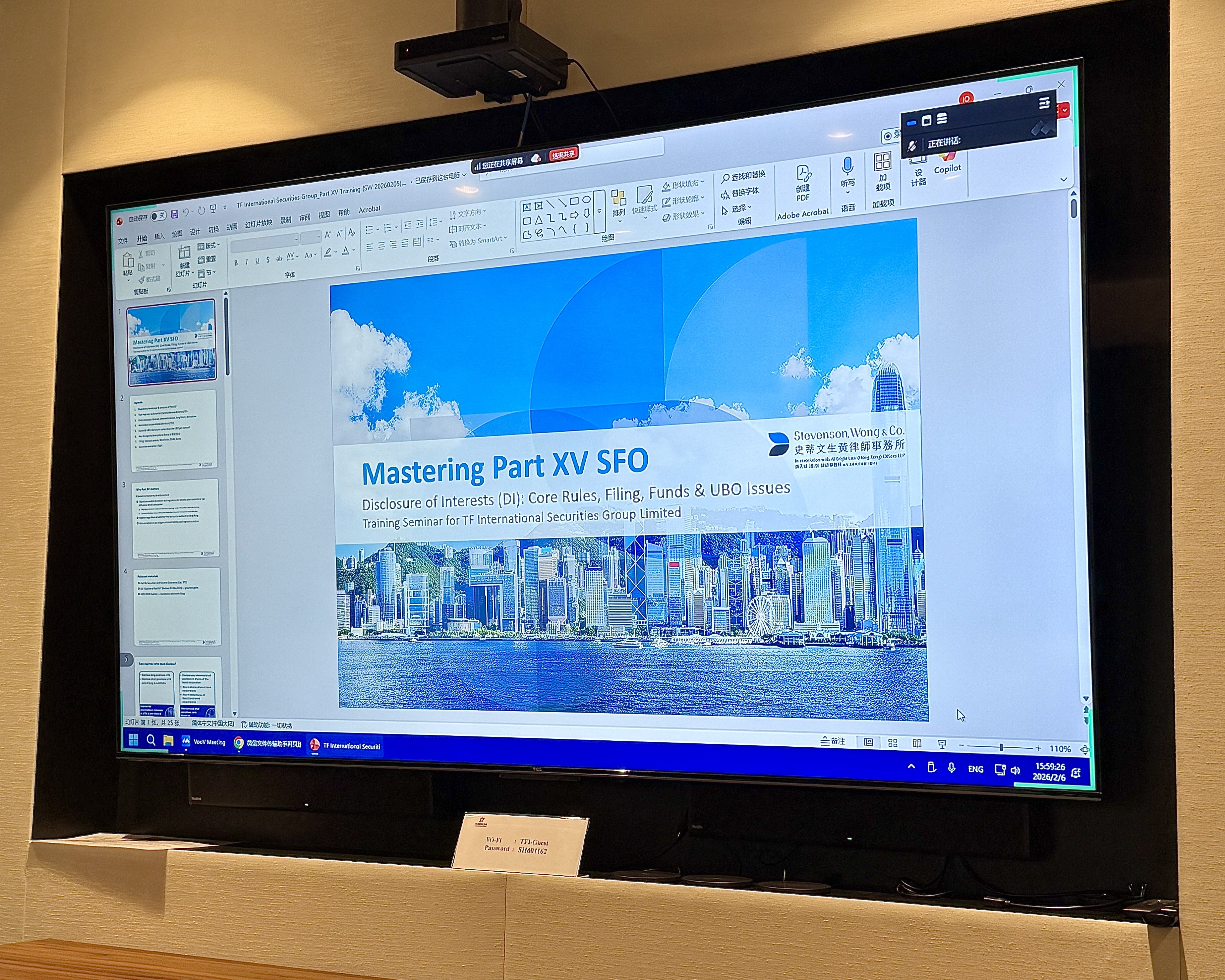
On 6 February 2026, our Consultant Kenneth Leung and Associate Ronnie Tse partnered with TF International Securities Group Limited (“TFI”) to deliver an exclusive training seminar titled “Mastering Part XV of the Securities and Futures Ordinance (SFO)”.
At TFI’s Hong Kong headquarters, Kenneth and Ronnie provided an in-depth analysis of the “Disclosure of Interests” (DI) regime, a cornerstone of market transparency in Hong Kong.
Why Part XV Matters Now
For directors, chief executives and shareholders of listed companies, failure to timely and accurately disclose interests can result in criminal liability, imprisonment, and reputational damage. For securities firms and licensed corporations, understanding the nuances of the regime—particularly the latest updates—is critical for both internal compliance and client advisory.
Key Highlights from the Session
The seminar provided TFI’s team with a practical roadmap through the complexities of Part XV, moving beyond basic rules to address advanced operational challenges. Key topics included:
About TF International Securities
TFI is one of the most established Chinese-funded securities groups in Hong Kong, operating through subsidiaries holding SFC licences for types 1, 2, 4, 5, 6, and 9 regulated activities. TFI is under the stewardship of Hubei Hongtai Group Co., Ltd, the sole financial services enterprise affiliated with the Hubei Provincial People’s Government.
How We Can Help
Navigating the SFO requires a team of people well versed in its practical application, beyond a plain reading of the rules. Our Regulatory Enforcement & Compliance team specializes in helping listed companies, substantial shareholders, and financial institutions manage their reporting obligations and regulatory risks.
For enquiries or to schedule a tailored regulatory compliance seminar for your team, please contact our Consultant Kenneth Leung or Associate Ronnie Tse.
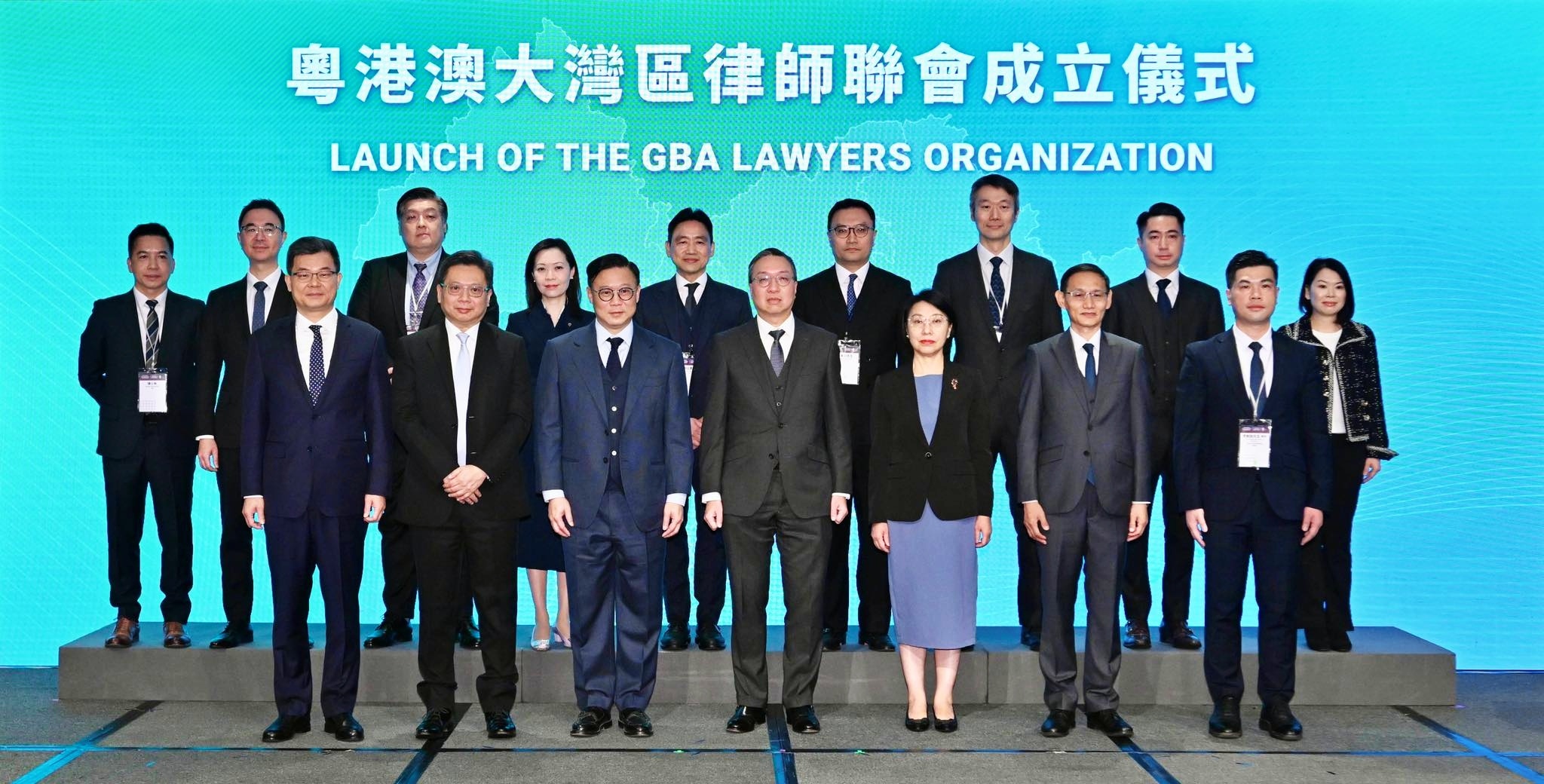
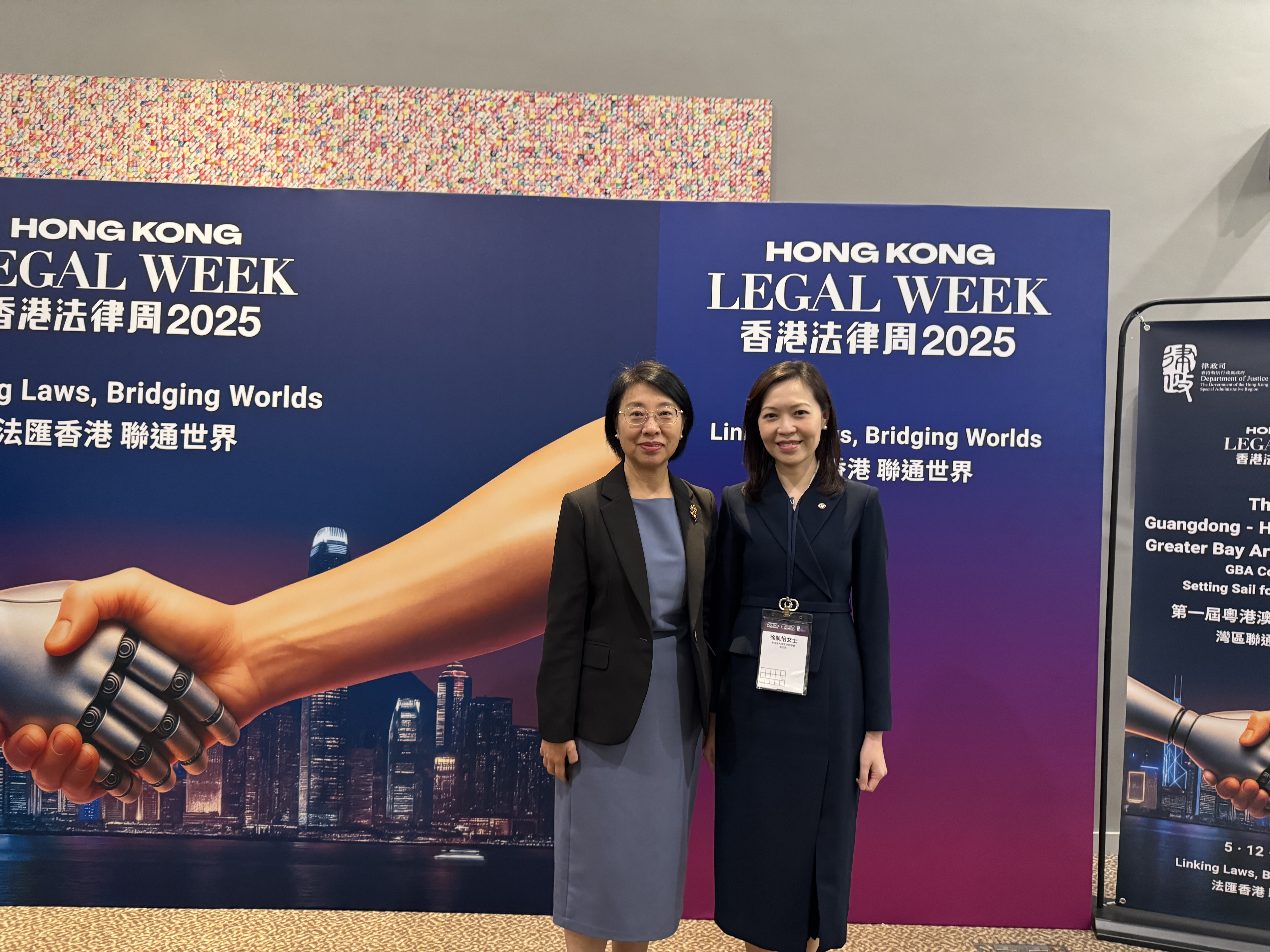
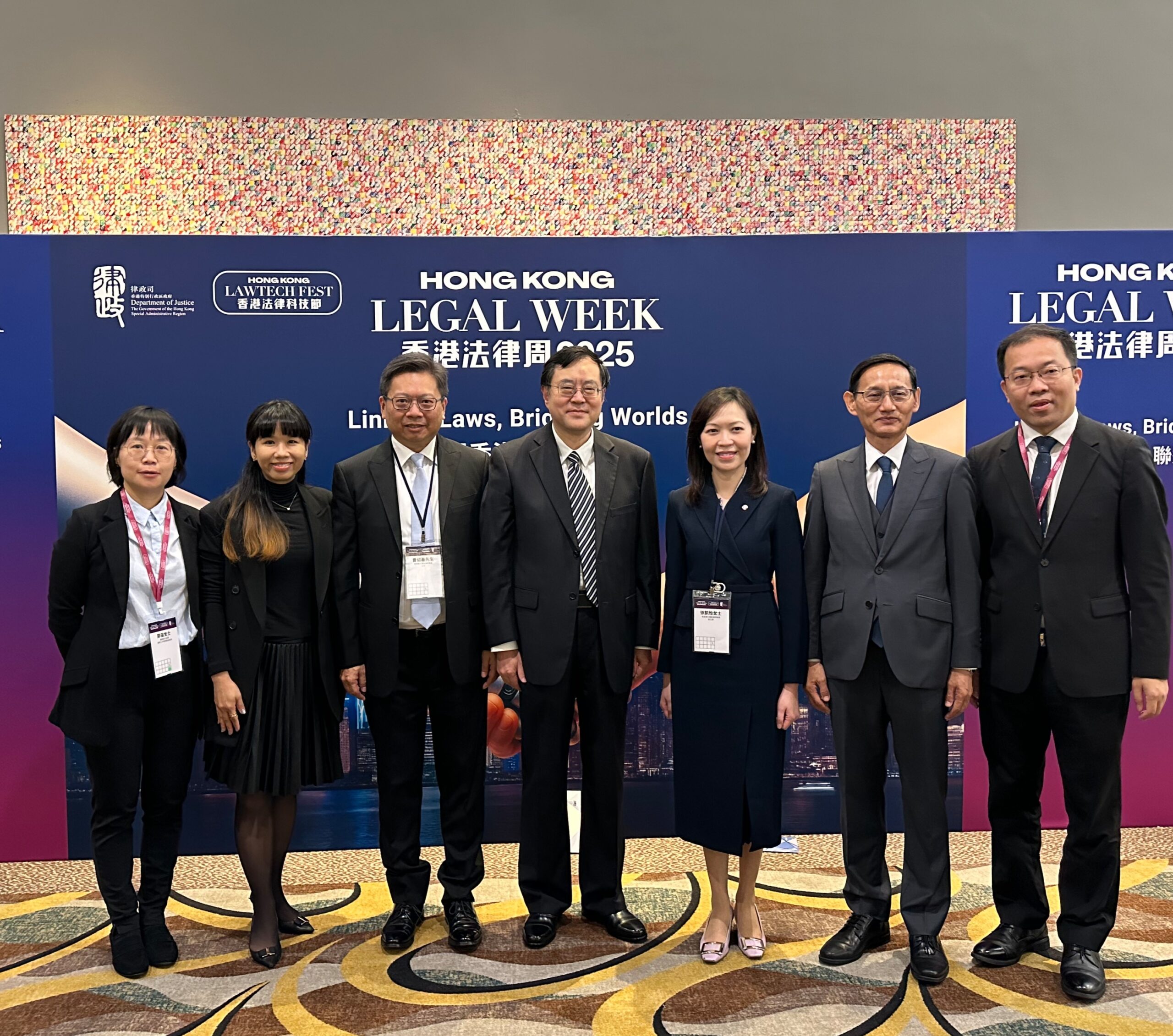
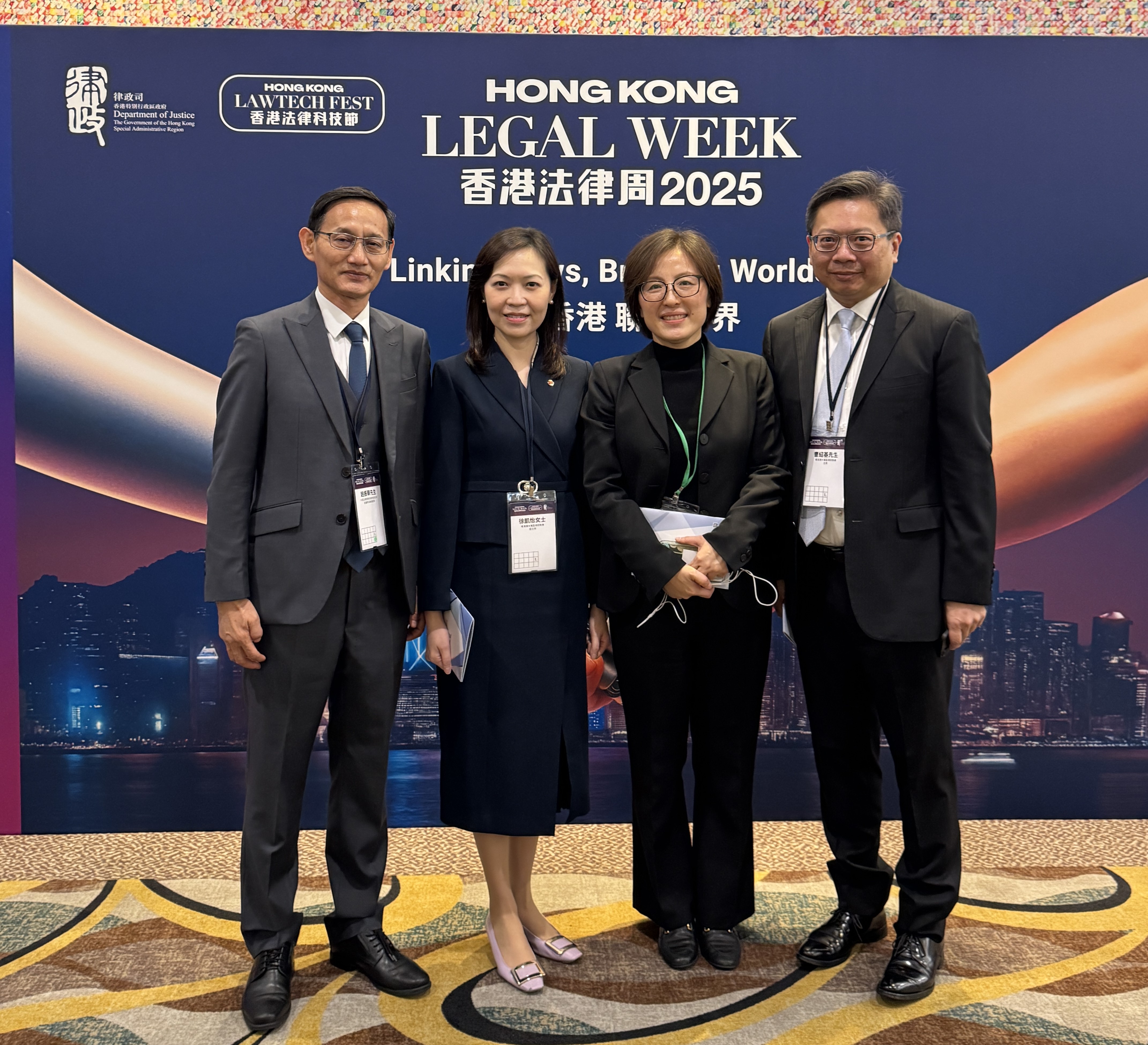
(中文) 在司法部和广东省司法厅大力支持下,「粤港澳大湾区律师联会」(下称「联会」)已正式宣告成立。本所合伙人、诉讼及争议解决部门主管徐凯怡律师,荣幸获委任为联会首届副主席。
 …
…
联会的成立是粤港澳三地法律界融合发展的重要里程碑,旨在加强三地法律专业人士的交流与协作,促进跨境法律服务的协同发展,并精准回应大湾区内日益增长的跨司法管辖区法律需求。作为区内执业律师的关键沟通平台,联会将致力于落实《粤港澳大湾区发展规划纲要》,推动法律服务的深度融合。徐律师作为联会副主席将克尽己任,尽心履职,与联会成员保持紧密合作,积极发挥沟通协调与专业桥梁作用,与业界同仁携手推动法律服务水平的持续提升,为粤港澳大湾区的高质量发展贡献专业力量。
如阁下有查询或想了解更多详情,请联络本所合伙人徐凯怡律师。
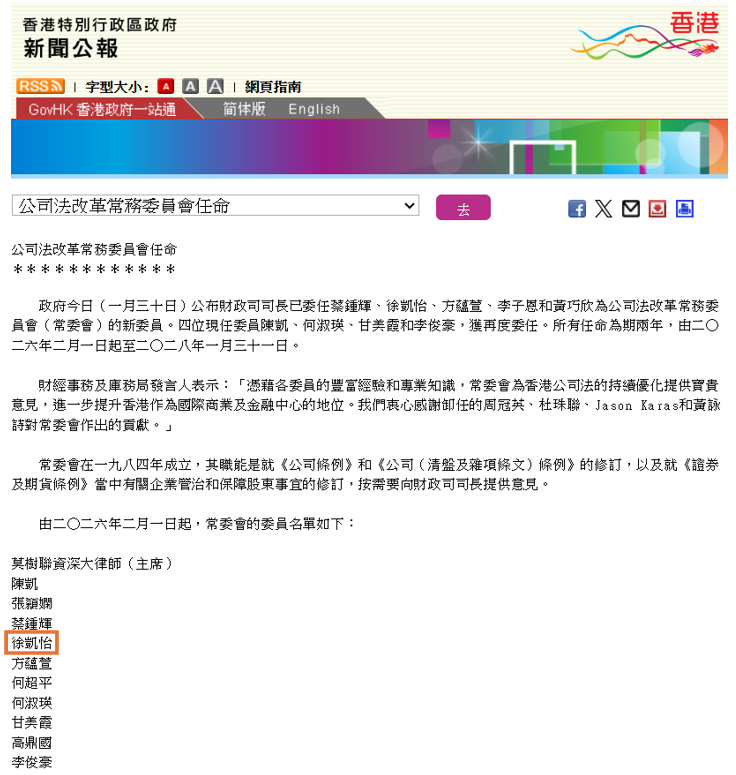
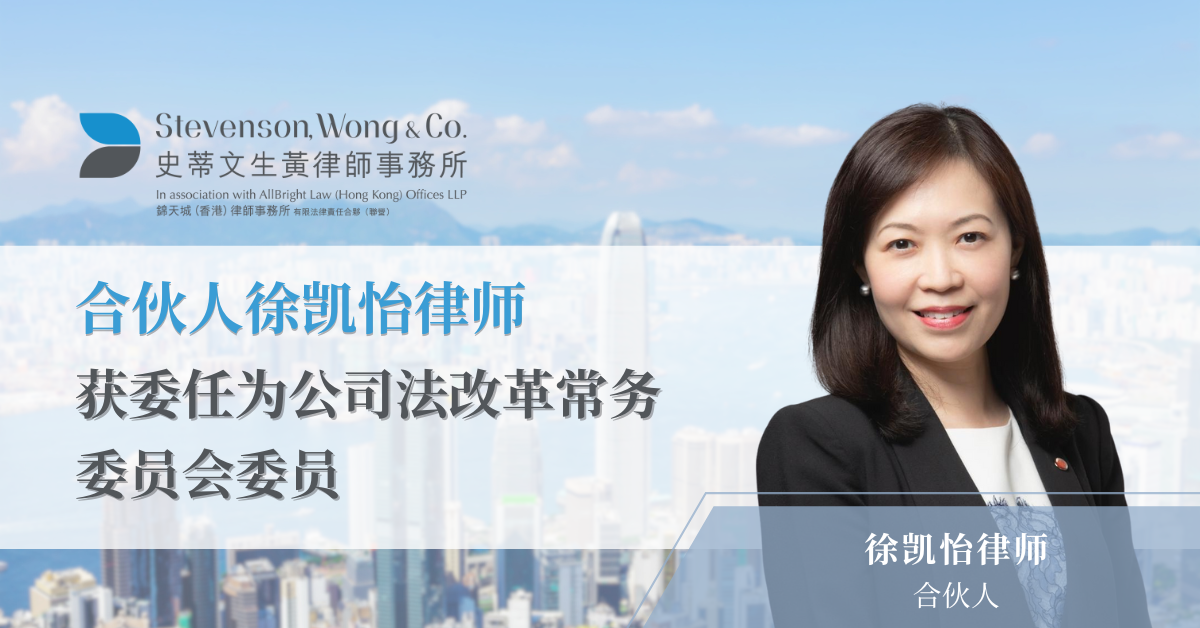
(中文) 本所欣然宣布,本所合伙人、银行与金融部及诉讼及争议解决部主管徐凯怡律师,获财政司司长委任为公司法改革常务委员会委员。是次委任由2026年2月1日起生效,为期两年。
 …
…
公司法改革常务委员会是香港财经事务及库务局辖下的重要咨询组织,其职能就《公司条例》和《证券及期货条例》等条例修订向政府提供专业意见。委员会致力于构建清晰、高效且稳健的法律框架,以优化企业营运环境,进一步巩固香港作为国际商业及金融中心的领先地位。
徐律师是香港律师会理事、大中华法律事务委员会副主席及仲裁委员会委员;同时担任香港国际仲裁中心理事和香港国际仲裁中心仲裁女性俱乐部 (WIA) 委员。徐律师多获多家知名仲裁机构委任为仲裁员及调解员,包括香港国际仲裁中心、中国国际经济贸易仲裁委员会、上海国际仲裁中心、华南(香港)国际仲裁院、亚非法协(香港)、北京仲裁委员会/北京国际仲裁中心等。此外,她亦是广东省高级人民法院﹑深圳前海合作区人民法院的特邀调解员。
徐律师拥有粤港澳大湾区执业律师资格及中国委托公证人身份,并为英国特许仲裁司学会院士。
如阁下有查询或想了解更多详情,请联络本所合伙人徐凯怡律师,或按此查看香港政府之新闻公报。