News
Find out all about our firm’s latest news and activities below. To learn more about any individual item, please contact us here.
News
Find out all about our firm’s latest news and activities below. To learn more about any individual item, please contact us here.
We are delighted to announce that our Senior Associate Mr. Michael Lau has successfully passed the Guangdong-Hong Kong-Macao Greater Bay Area Legal Professional Examination (GBA Exam) interview assessment, making him the seventh lawyer from our firm to pass the GBA exam interview assessment. Our 6 other lawyers who have already obtained the GBA qualification are Partners Mr. Willy Cheng, Ms. Heidi Chui, Mr. Rodney Teoh, Mr. Gordon Tsang, Consultant Mr. Philip Tsang and Senior Associate Mr. Terence Lau.

…
The GBA Exam is a liberalization measure under the Agreement on Trade in Services to the Mainland and Hong Kong Closer Economic Partnership Arrangement. Hong Kong legal practitioners with five or more years of post-qualification experience can provide legal services in the nine Mainland municipalities in the GBA (Guangzhou, Shenzhen, Zhuhai, Foshan, Huizhou, Dongguan, Zhongshan, Jiangmen and Zhaoqing) on specified civil and commercial legal matters to which the Mainland laws apply.
Our firm will continue to strengthen our legal services in the GBA to meet the diverse legal needs of clients in the region.
On 2 August 2023, the Court of Appeal (“CA”) delivered a decision in 律政司司長 訴IPFUND Asset Management Limited及另一人 (the “IPFUND case”) 1, which reversed the decision of the District Court delivered on 22 April 20162 and effectively closed a significant loophole to the licensing requirements under the Securities and Futures Ordinance (Cap.571) (“SFO”).

…
These basic matters aid our understanding of the main arguments in the IPFUND case:-
– There are 10 types of “regulated activities” under the SFO3. Carrying on or holding out as carrying on a business4 in a regulated activity without the corresponding license from the Securities and Futures Commissions (“SFC”) is an offence under the SFO.
– Many of the “regulated activities” (e.g., Type 1 – dealing in securities) are defined directly or indirectly by references to “securities”, which in turn is defined in Schedule 1 to the SFO.
– “Securities”, as defined in the SFO, includes interests in any collective investment scheme (“CIS”) but does not include shares in a private company5.
– The definition of CIS6 is the subject of numerous case authorities and warrants an article of its own. For the present purposes, the readers only need to know that a CIS is not restricted or defined by asset type (i.e., bonds, stocks, money or land etc.) and investors to a CIS do not have day-to-day control of the assets in the CIS.
In the IPFUND case, the 1st Defendant (“D1”) was the 2nd Defendant’s (“D2”) corporate vehicle to implement an arrangement (“Arrangement”) whereby landed properties would first be acquired with funds from multiple investors, the acquired properties would then be sold for profit, and the profits of sale (less the two Defendants’ (“Ds”) own charges) would be split among the investors in accordance with their respective stakes. More specifically, each purchase would be carried out through a shelf company (incorporated as a Hong Kong private company) for the singular purpose of holding the acquired property until sale, each shelf company would have nominal shareholder(s) having some back-to-back instruments purportedly acknowledging the investors’ beneficial interest in the shares of the shelf company, and each shelf company would only subsist until either the purchase was cancelled or the sale was completed.
Ds were charged with carrying on and/or holding out as carrying on a business in a regulated activity (i.e., Type 1 regulated activity) on the premises that (i) the Arrangement was a CIS, and (ii) by selling interests in a CIS to the investors, Ds were dealing in securities.
At first instance, the District Court found the Arrangement to be a CIS, but acquitted Ds on the finding that the investors bought shares in private companies (i.e., the shelf companies) instead of interests in a CIS.
Even though each case turns on its own facts, the decision of the District Court left a huge question mark on whether the licensing requirements under the SFO may be circumvented by the use of private companies one way or another. Such is the government’s determination to close the loophole that it pursued the appeal for over 5 years without even asking for the reversal of Ds’ acquittal.
On appeal, the CA canvassed various technical issues, such as whether shares in a private company are excluded from the definition of CIS7 and whether the shelf companies in the Arrangement were de facto private companies8 , but the critical issue is this:-
What interest have the investors acquired from Ds?
One would have thought it is intuitive that, in respect of a CIS built and run with funds from investors, the investors must have acquired some interest in the CIS. But the special features in the Arrangement have required both Courts to perform some mental gymnastics.
Ultimately, the CA looked beyond the mere form of the shelf companies as private companies and considered the overall circumstances of the Arrangement, including (among other things) the singular purpose and short lives of the shelf companies and how the investors were paid splits of profits of sale rather than dividends, and concluded that the investors in fact purchased interest in a CIS and not shares in private companies9 .
In other words, where the licensing requirement in respect of a CIS is in question, we ought to stick to the principle of substance over form.
Please contact our Partners Ms. Cornelia Chu and Mr. Dominic Lau for any enquiries or further information.
This news update is for information purposes only. Its content does not constitute legal advice and should not be treated as such. Stevenson, Wong & Co. will not be liable to you in respect of any special, indirect or consequential loss or damage arising from or in connection with any decision made, action or inaction taken in reliance on the information set out herein.
_____________________________________________________________________________________________________________________________________________________________________
#1[2023] HKCU 3281
#2[2016] HKCU 1436
#3 Different types of regulated activities are defined in in Schedule 5 to the SFO.
#4The District Court judge held that D1 and D2 operated the Arrangement by way of business (because of the leasing of office, D1’s description of its business in its business registration application and website, the number and continuity of the investment schemes as well as the consultancy fee charged by D1.
See footnote 2 judgement at §148,160 and 194.
5Schedule 1 to the SFO.
6CIS is broadly defined in Schedule 1 to the SFO. Generally speaking, CIS has four elements: (1) the scheme must involve an arrangement in respect of property; (2) participants do not have day-to-day control over the management of the property even if they have the right to be consulted or to give directions about the management of the property; (3) the property is managed as a whole by or on behalf of the person operating the arrangement; and/or the contributions of the participants and the profits or income from which payments are made to them are pooled; and (4) the purpose of the arrangement is for participants to participate in or receive profits, income or other returns from their acquisition or management of the property.
See footnote 5.
7In considering the applicability of the private company shares exemption, the CA’s approach was to determine what kind of interest the investor was acquiring, and if the purpose of investor was not, or was not intended to be, to acquire, dispose of, or subscribe for shares in a private company, the private company shares exemption should not apply to ‘dealing in securities’.
See footnote 1 judgement at §118.
8The CA held affirmatively for the reason that the articles of association of all shelf companies involved contain a provision that complies with section 11(1) of the Companies Ordinance (Cap.622) (i.e. a private company’s articles of association shall limit the number of members to 50).
See footnote 1 judgement at §129.
9See footnote 1 judgement at §95-114.
本所欣然宣布,我们的合伙人、诉讼及争议解决部主管徐凯怡律师获一邦国际网上仲调中心有限公司 (eBRAM)委任为仲裁员调解员及亚太经济合作组织中立者,任期为期5年至2027年12月31日

…
关于一邦国际网上仲调 (eBRAM)
eBRAM是一家非牟利担保有限公司,于2018 年获亚洲国际法律研究院、香港大律师公会及香港律师会支持而成立。eBRAM旨在利用创新技术构建能力,满足正在迅速增长的跨境争议解决服务需求。eBRAM将努力与国际组织和专业团体(例如亚太经济合作组织 (APEC) 、东南亚国家联盟 (ASEAN) 、一带一路沿线国家及其他地区)开展协作,为避免和解决国际商业纠纷作出贡献。
eBRAM在册调解员和仲裁员汇聚了来自全球具有丰富经验的资深调解和仲裁专才。eBRAM通过包括区块链、人工智能、软件机器人和云技术等最新技术,开发网上争议解决 (ODR) 平台;在争议解决程序中为各方提供支援。

如阁下有任何查询,请联络本所合伙人徐凯怡律师。
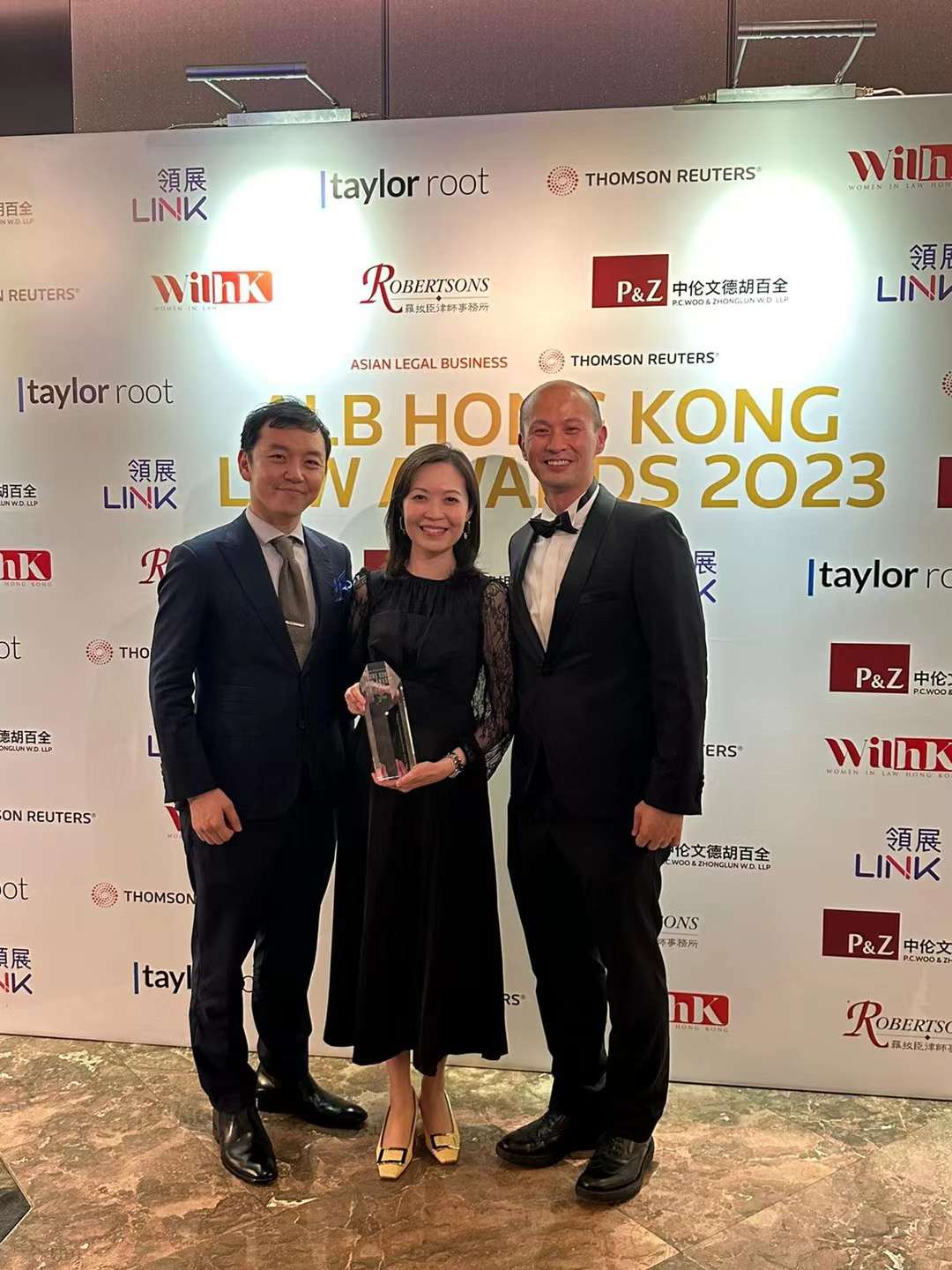
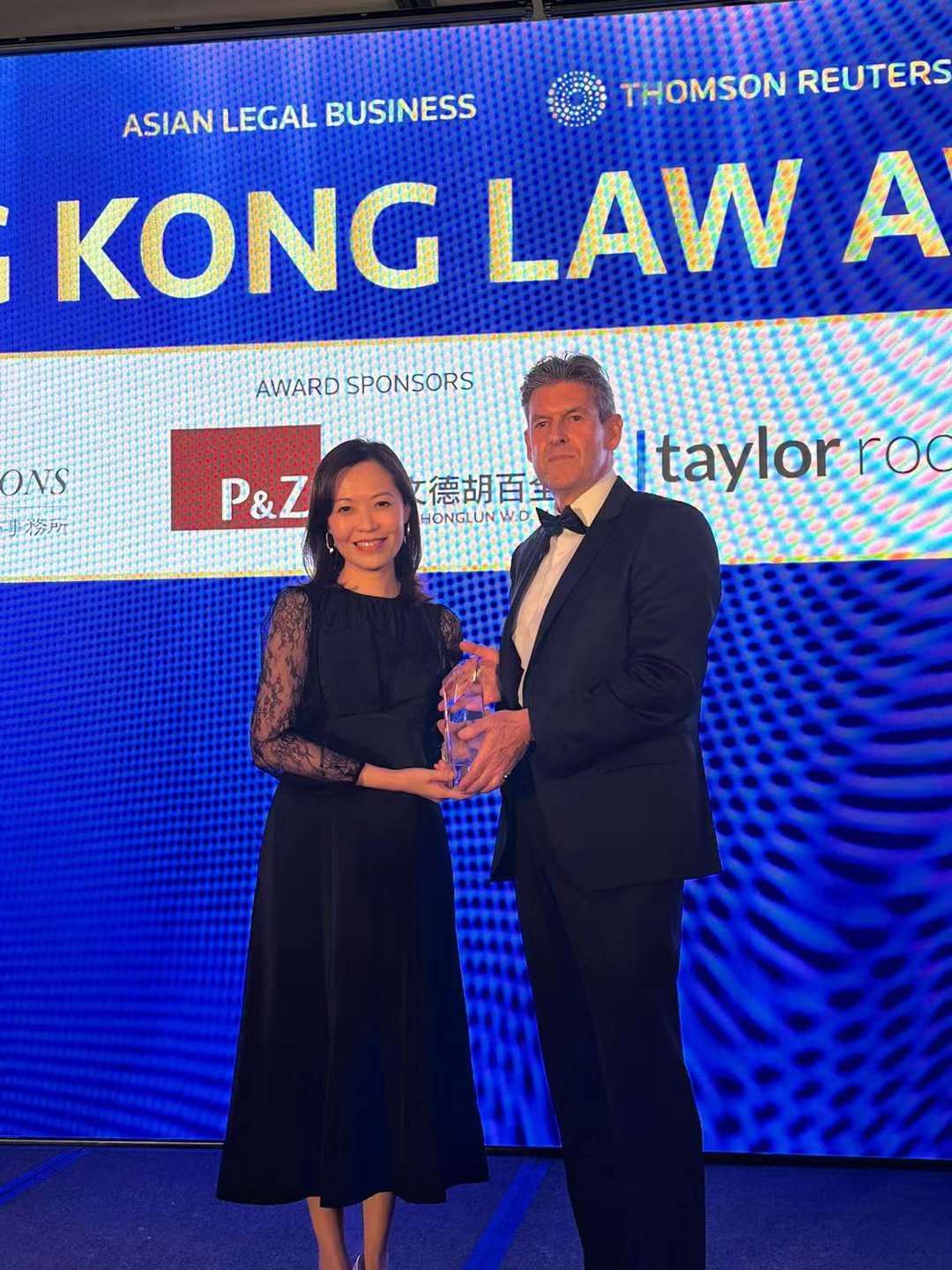
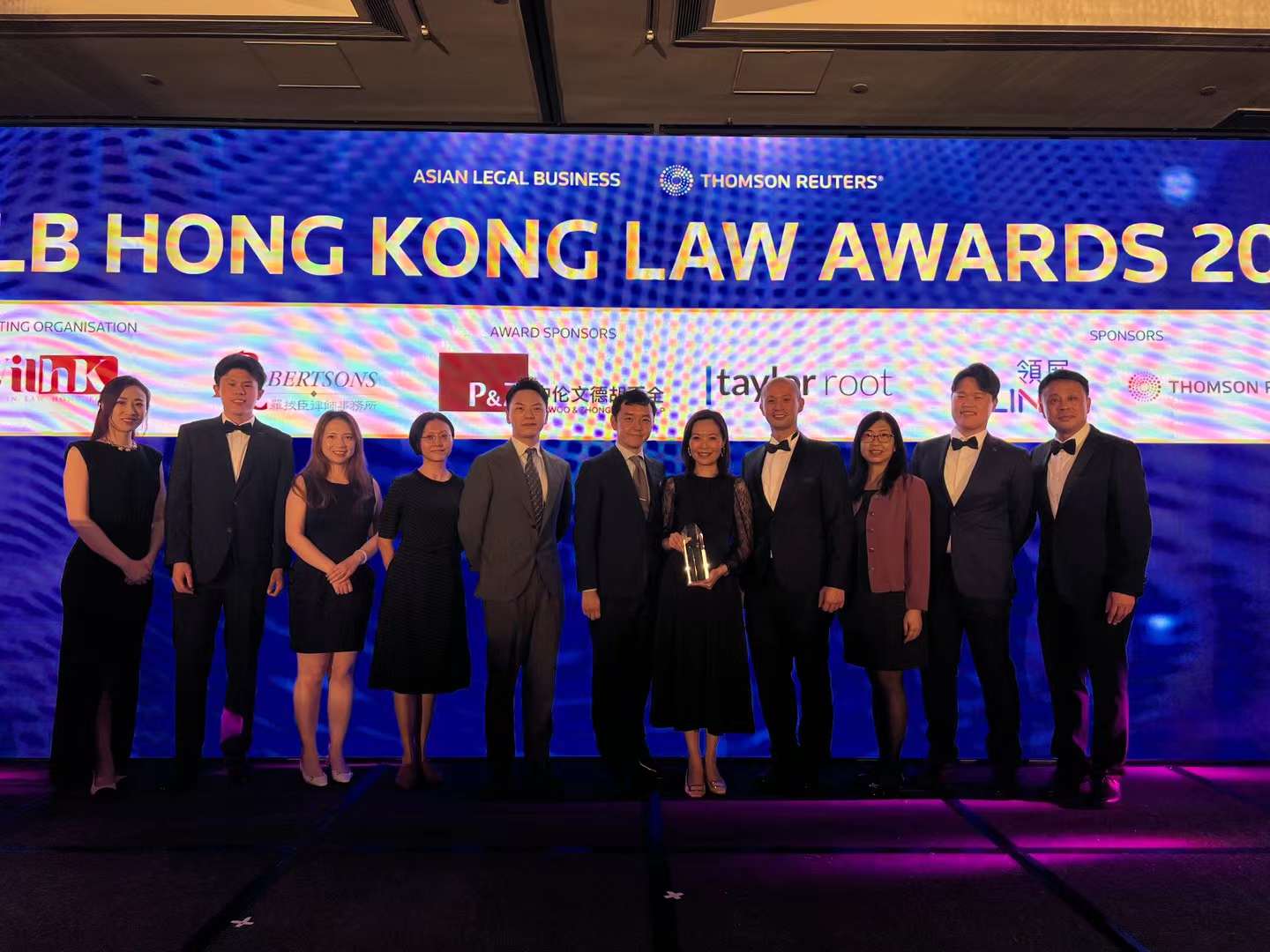
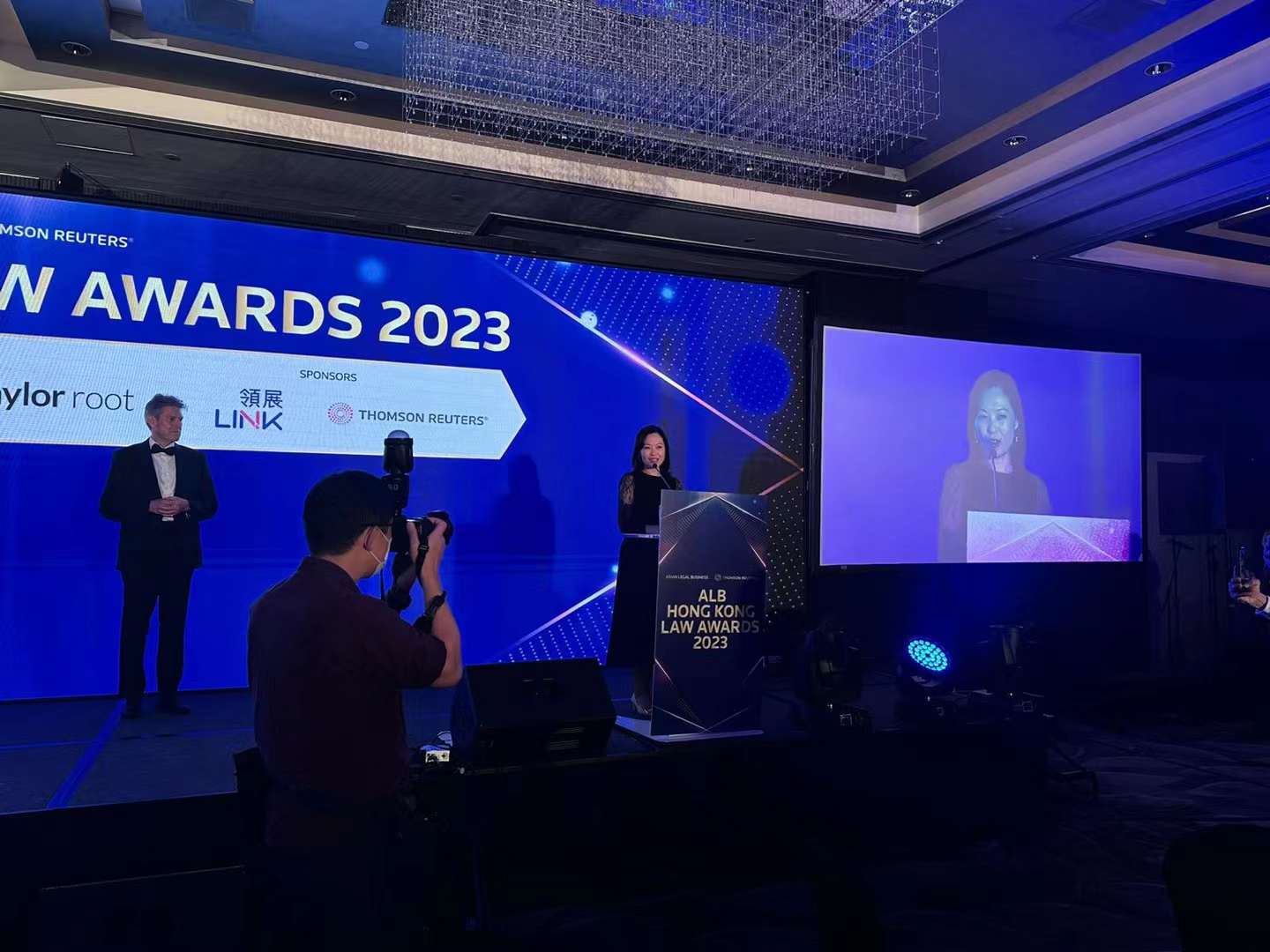
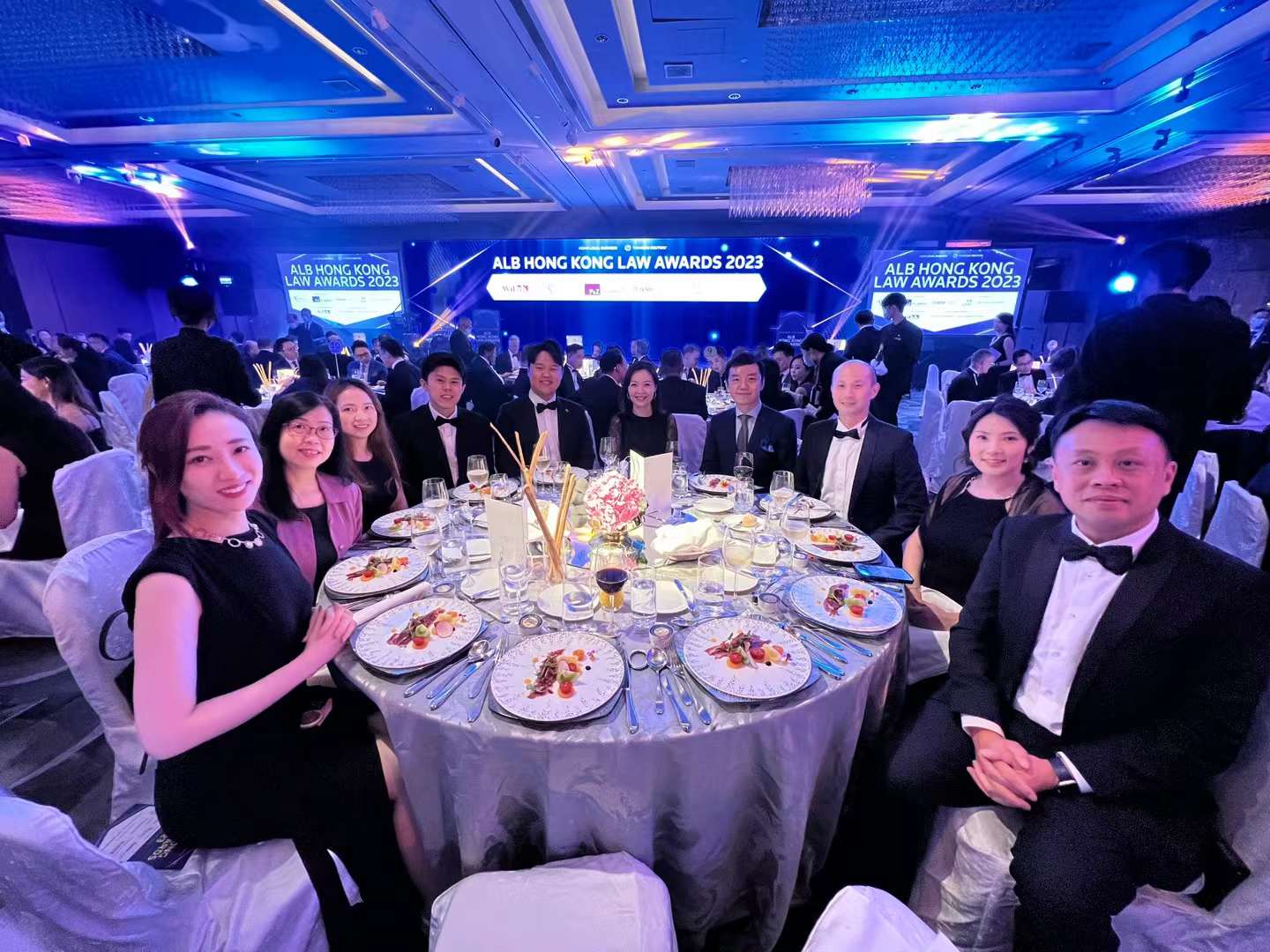
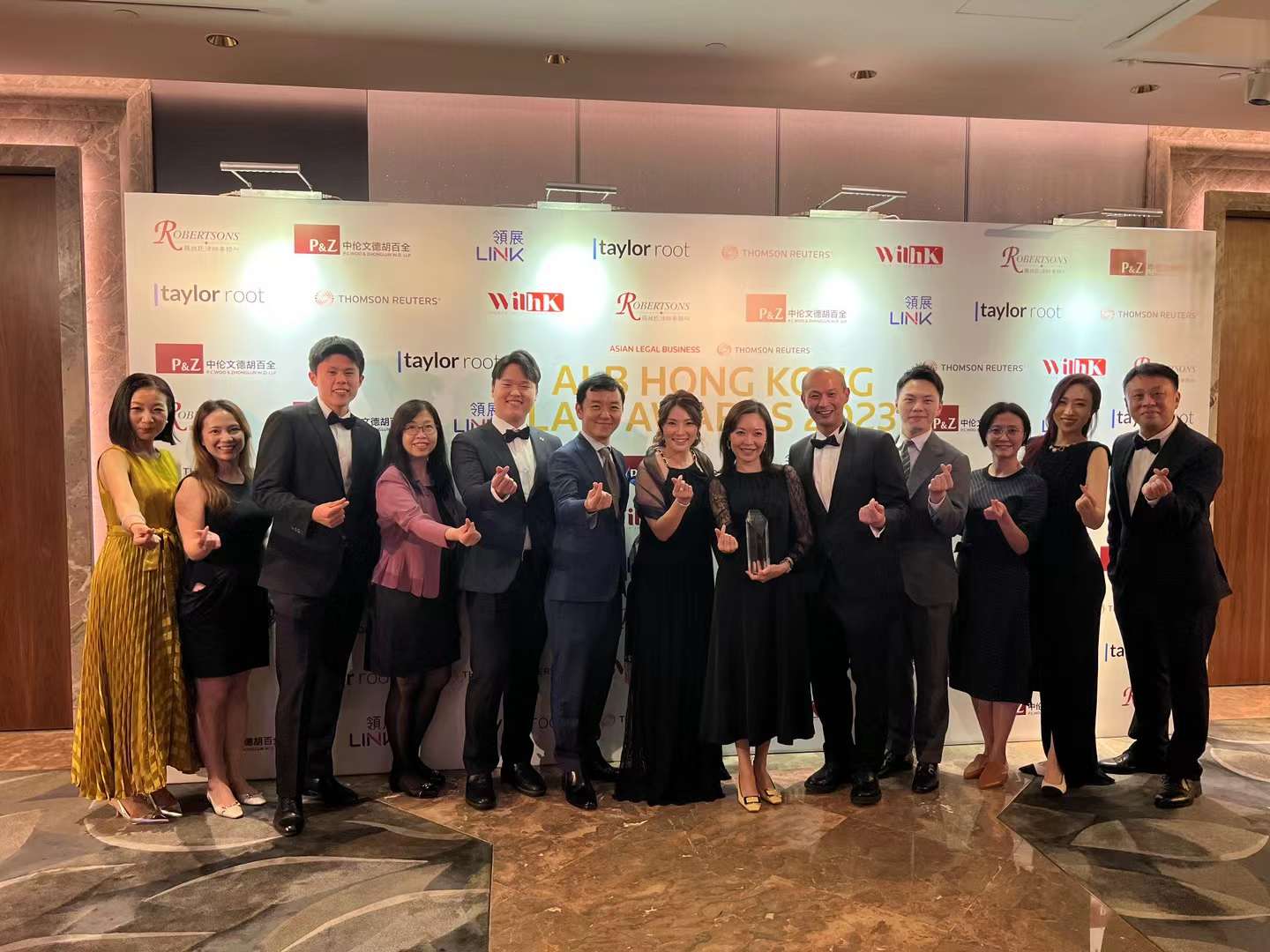
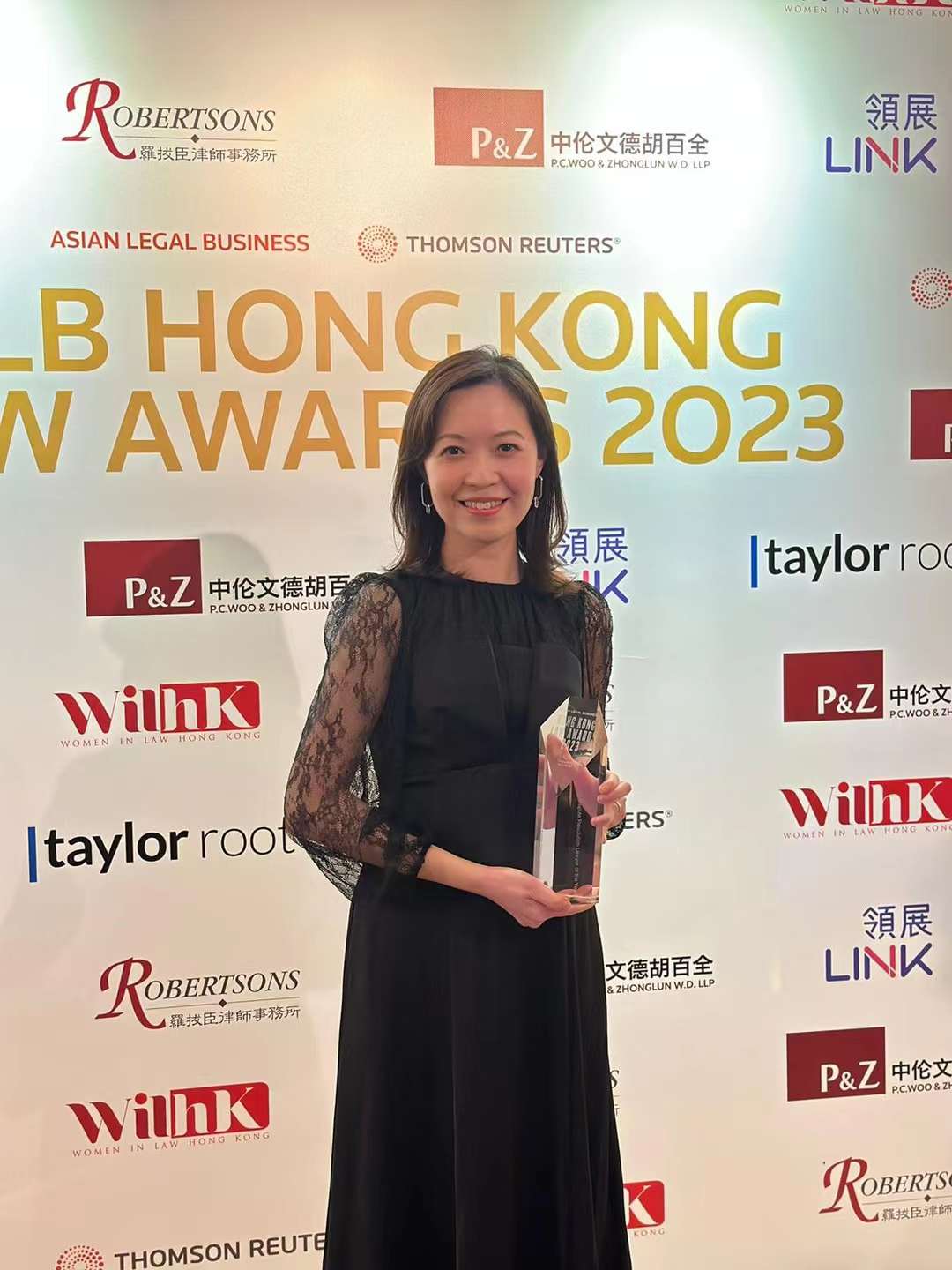
We are delighted to announce that our firm and partners have been shortlisted as finalists in 8 categories at the ALB Hong Kong Law Awards 2023. We are honoured to be recognized for our dedication and expertise across various practice areas.

The ALB HK Law Awards is an annual event that recognizes and celebrates the outstanding achievements of law firms, in-house legal teams, and individual lawyers in Hong Kong and the region. The winners will be announced at the awards ceremony on 15 September 2023 at the JW Marriot.
To view the complete list of finalists, please click here.
For more information, please contact our Partners Mr. Willy Cheng, Ms. Heidi Chui, or Mr. Gordon Tsang.
Introduction
On 11 August 2023, the China Securities Regulatory Commission (“CSRC“) and the Hong Kong Securities and Futures Commission (“SFC“) made a joint announcement on the introduction of block trading (manual trades) under the mutual stock market access arrangements between the Mainland and Hong Kong.

…
Background
Shanghai-Hong Kong Stock Connect and Shenzhen-Hong Kong Stock Connect (collectively, “Stock Connect”) launched in 2014 and 2016, respectively, have enabled investors from the Mainland and Hong Kong to trade shares listed on each other’s market. Such mutual market access has been facilitating the opening-up of China’s capital account and Renminbi internationalisation. In 2022, the scope of eligible stocks under Stock Connect was expanded to include exchange-traded funds (ETFs), international companies primarily listed in Hong Kong, and a larger number of Shanghai and Shenzhen-listed companies.
Nevertheless, block trading is currently not available to participants under the Stock Connect regime while offshore investors can only engage in block trading through the Qualified Foreign Investor (“QFI”) scheme. Since many Stock Connect participants do not have a QFI licence to access block trading, they could only execute a large-sized transaction by way of separate transactions, which could take long time to complete and lead to price slippage.
The new Stock Connect arrangement
The new arrangement introduces block trading to Stock Connect under which investors can execute large-sized transactions at privately negotiated prices, which in turn minimises the price impact brought by these transactions to the market via auto-matching. Under the new arrangement, offshore investors will be able to execute block trades on the Shanghai Stock Exchange and the Shenzhen Stock Exchange through the northbound trading link. Meanwhile, Mainland investors will be able to conduct manual block trades on The Stock Exchange of Hong Kong Limited through the southbound trading link.
The CSRC and the SFC will oversee the respective exchanges and clearing houses as they develop the operational and regulatory details required to launch the new block trading mechanism. Further implementation proposal and the official launch date of the new arrangement will be announced in due course, but it is confirmed that both northbound and southbound block trading will be introduced at the same time.
Analysis and takeaways
By including block trading as an additional trading mechanism under Stock Connect, the new arrangement could reduce the potential price impact to the market when large-sized transactions are executed. While from investors’ perspective, the new arrangement would likely enhance the price and execution certainty of large-sized transactions, which may further assist investors in better managing their asset allocation at lower costs.
It is anticipated that the new block trading facility under Stock Connect could further promote connectivity and integration between the Mainland and Hong Kong capital markets, thereby strengthening Hong Kong’s position as an international financial centre and offshore Renminbi hub which connects the Mainland and the world.
Please contact our Partner Mr. Rodney Teoh for any enquiries or further information.
This news update is for information purposes only. Its content does not constitute legal advice and should not be treated as such. Stevenson, Wong & Co. will not be liable to you in respect of any special, indirect or consequential loss or damage arising from or in connection with any decision made, action or inaction taken in reliance on the information set out herein.
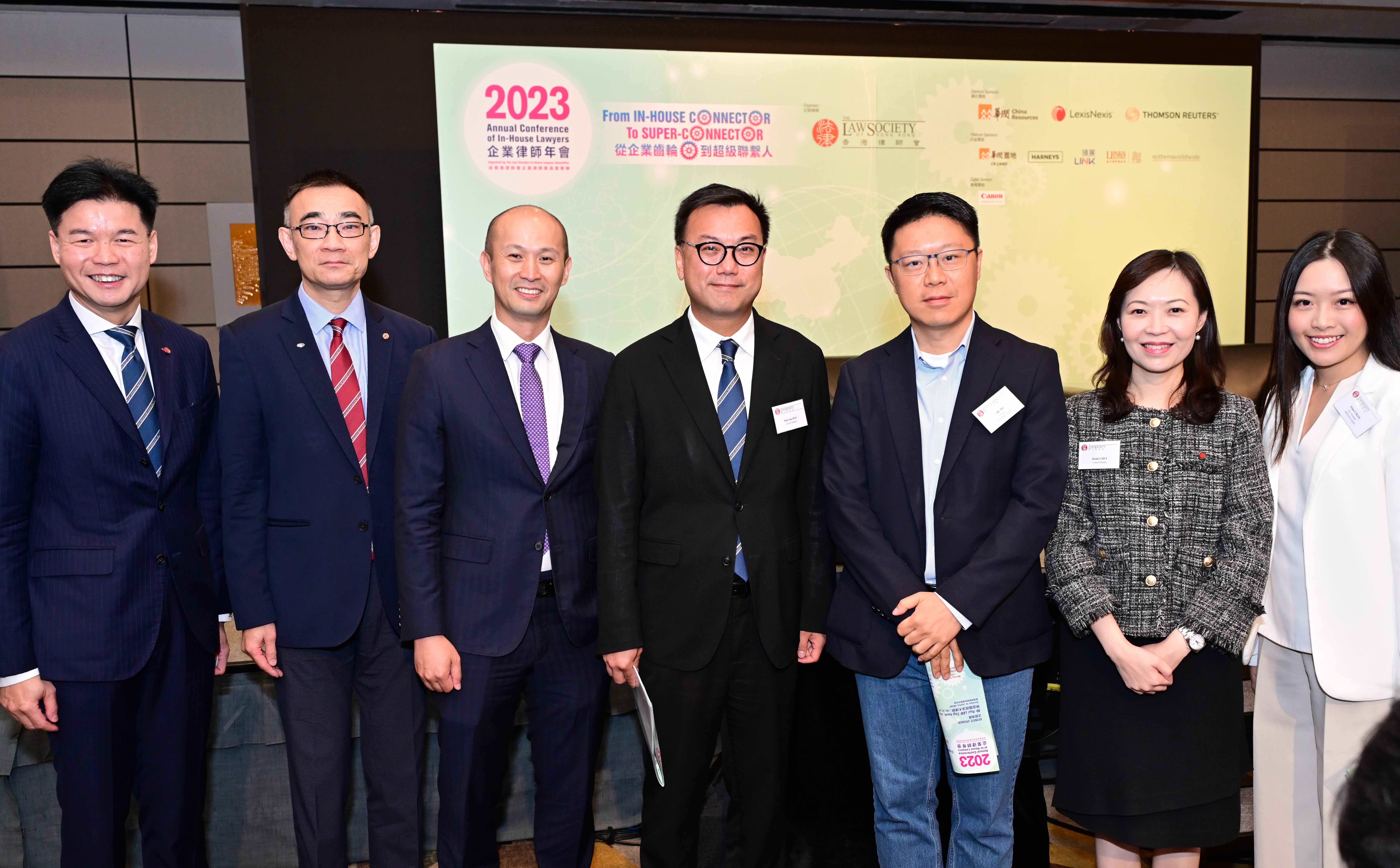
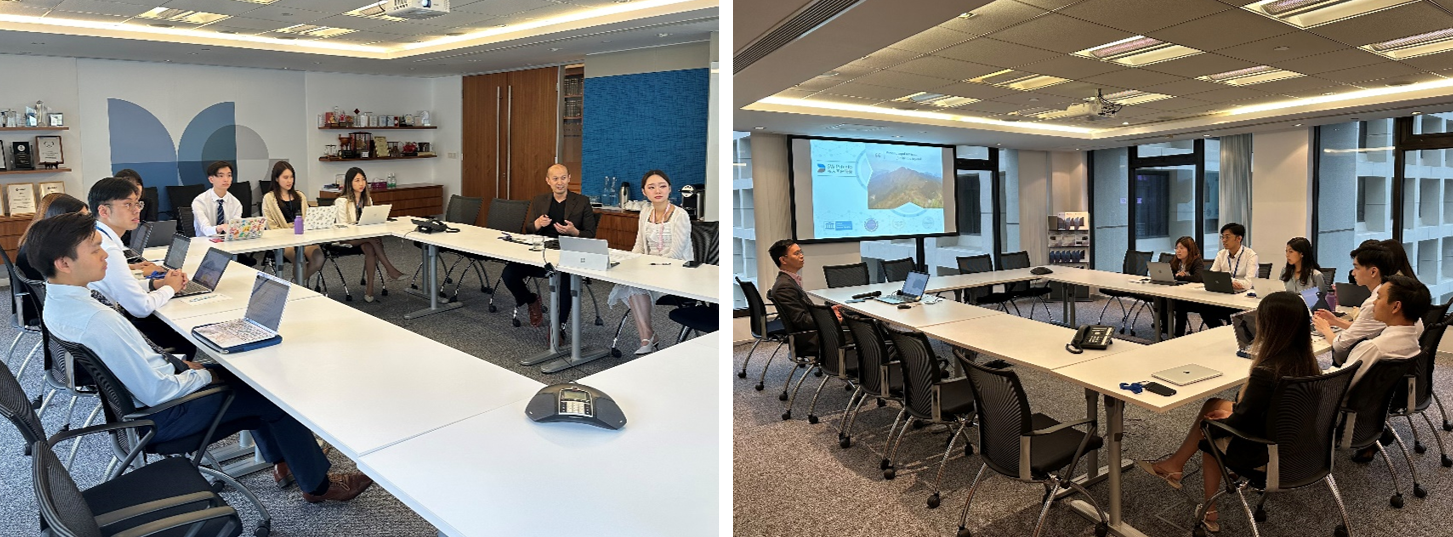
On 3 August 2023, our Partner Gordon Tsang was invited by Deloitte to be a guest speaker at the seminar titled “Deloitte Knowledge Sharing – Explore the IPO path for high-tech enterprises” held at the Hong Kong Science Park.

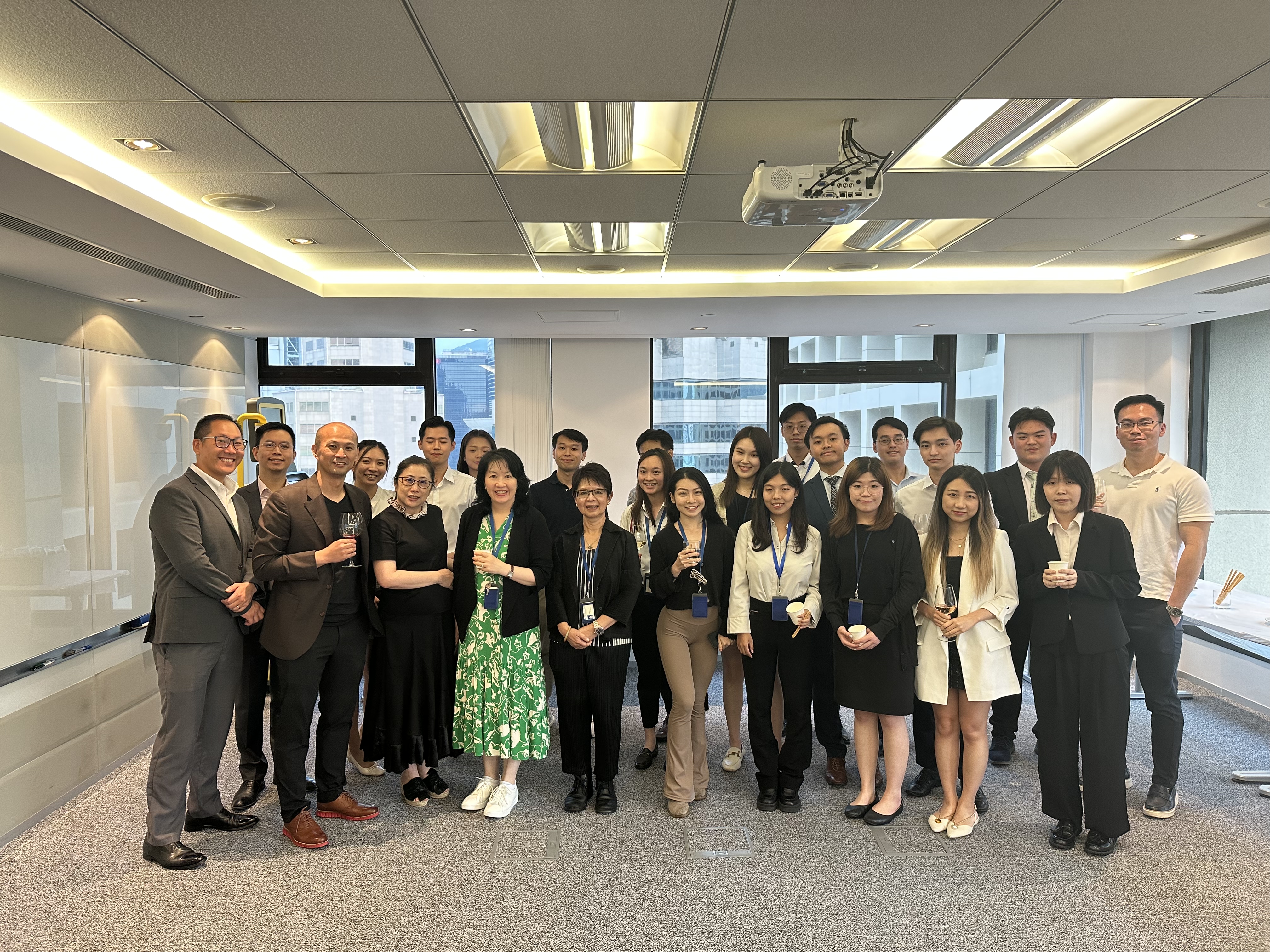
Our Partner Gordon Tsang (3rd from the left)
…
The seminar featured speakers from HKEX and capital market professionals who provided valuable insights on new listings and the latest developments in the capital market. During the seminar, Mr. Tsang discussed listings on Hong Kong Stock Exchange and the challenges of the listing applicants.

Mr Jiang Peng, Senior Partner of our associated firm – AllBright Law Offices, shared his opinions regarding the common concerns for an A-shares review.


For more information, please contact our Partner Mr. Gordon Tsang.