News
Find out all about our firm’s latest news and activities below. To learn more about any individual item, please contact us here.
News
Find out all about our firm’s latest news and activities below. To learn more about any individual item, please contact us here.
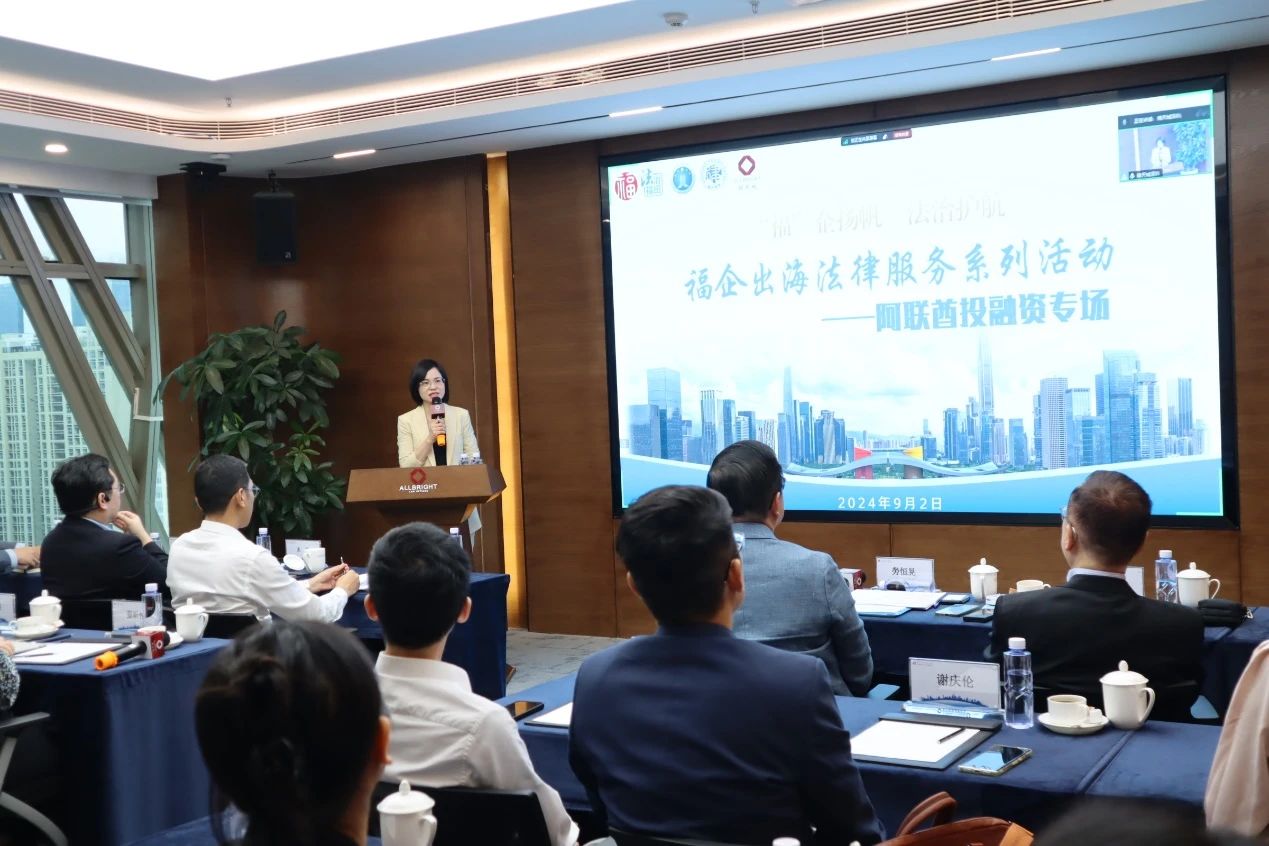
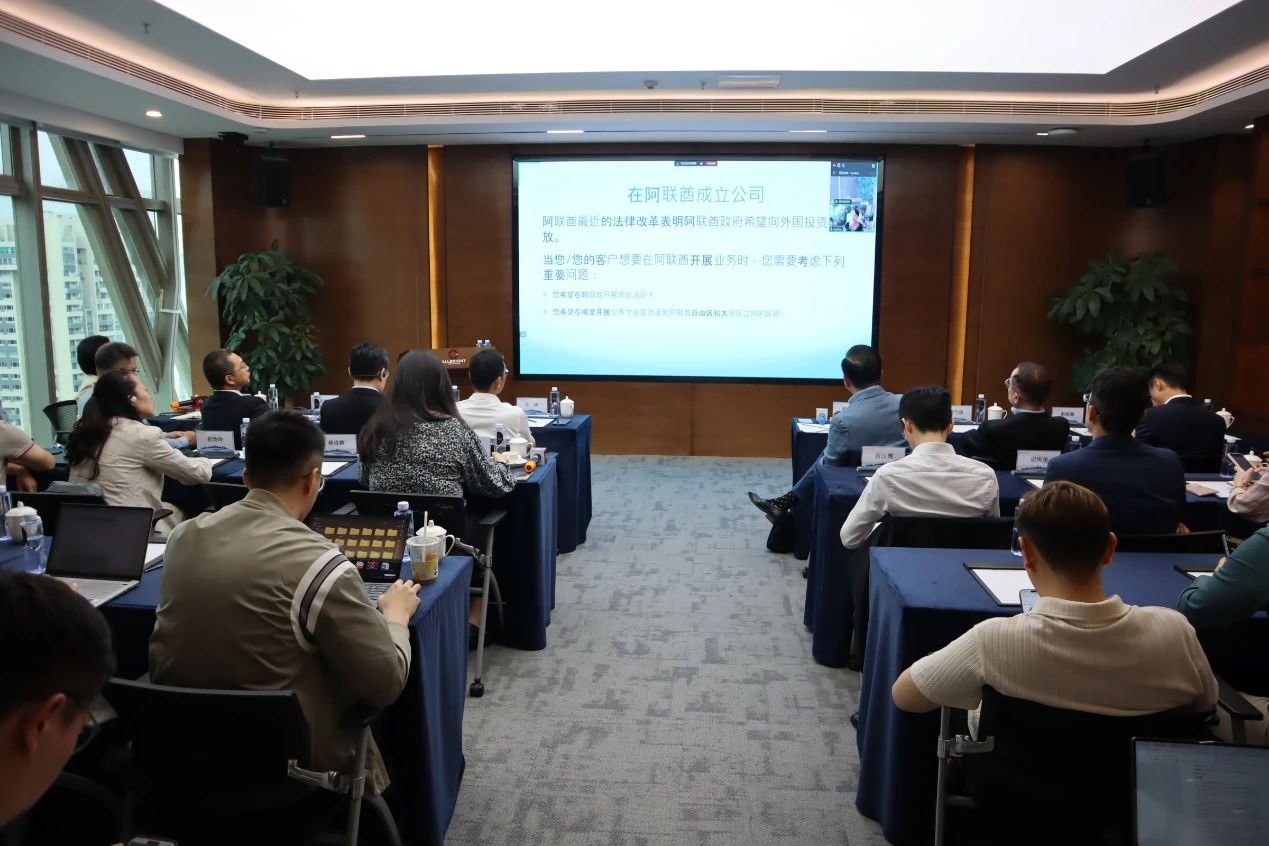
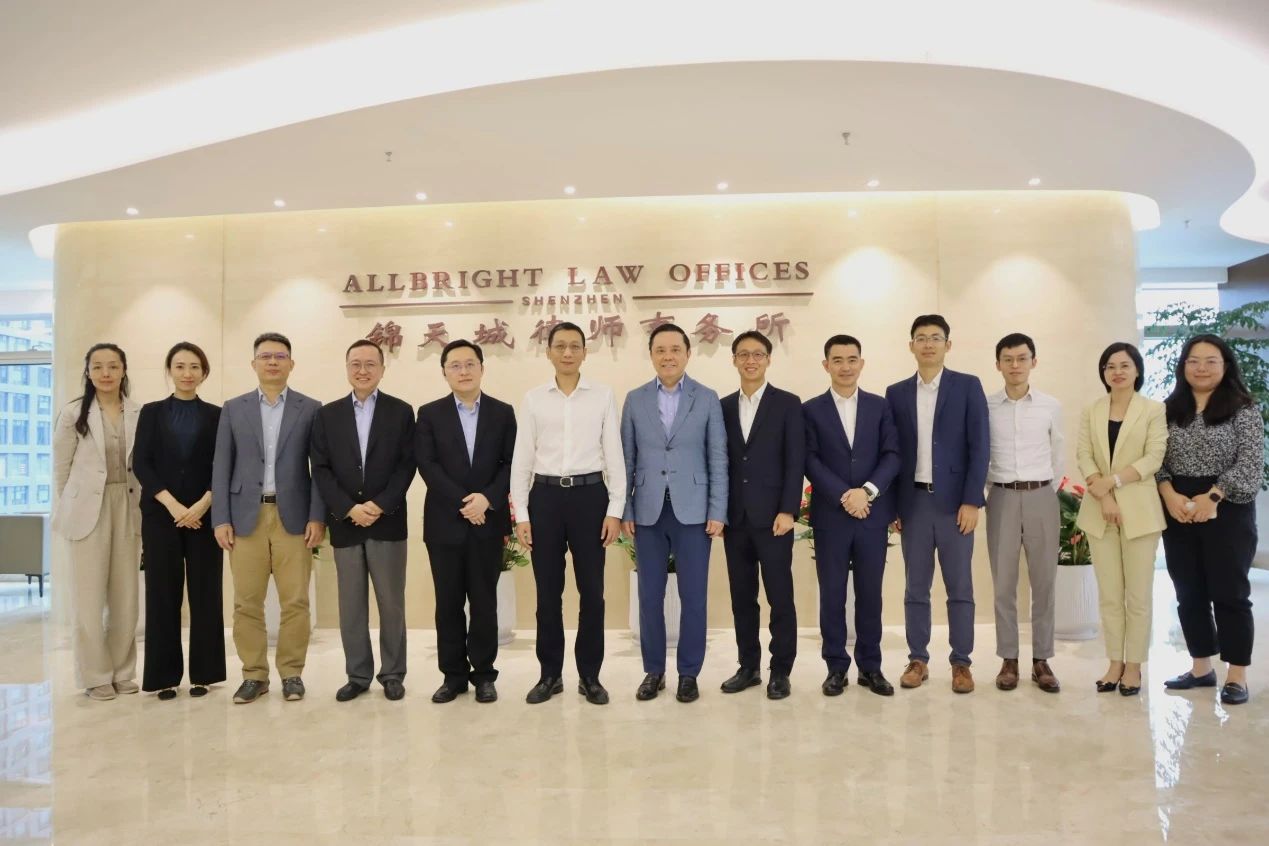
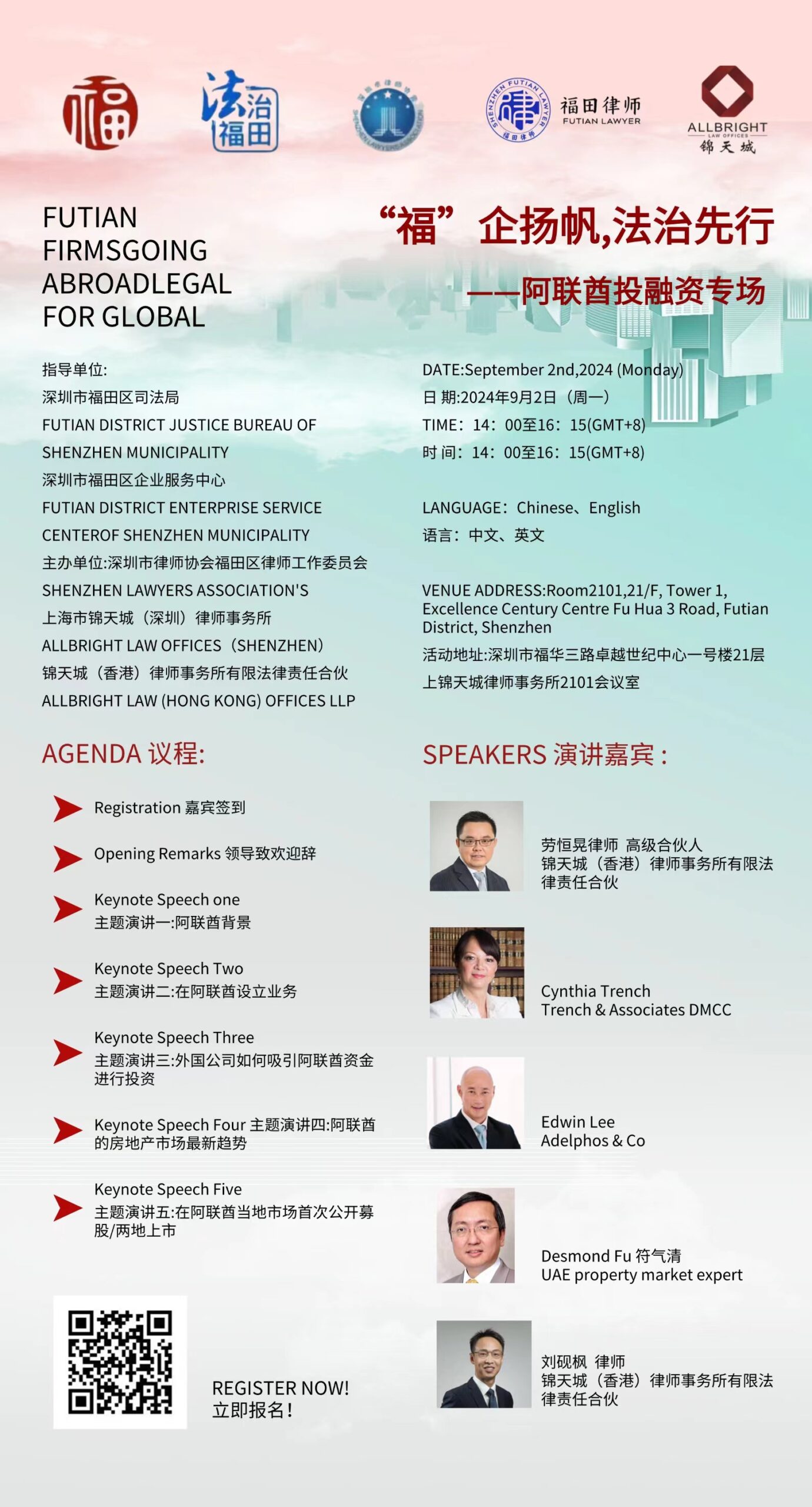
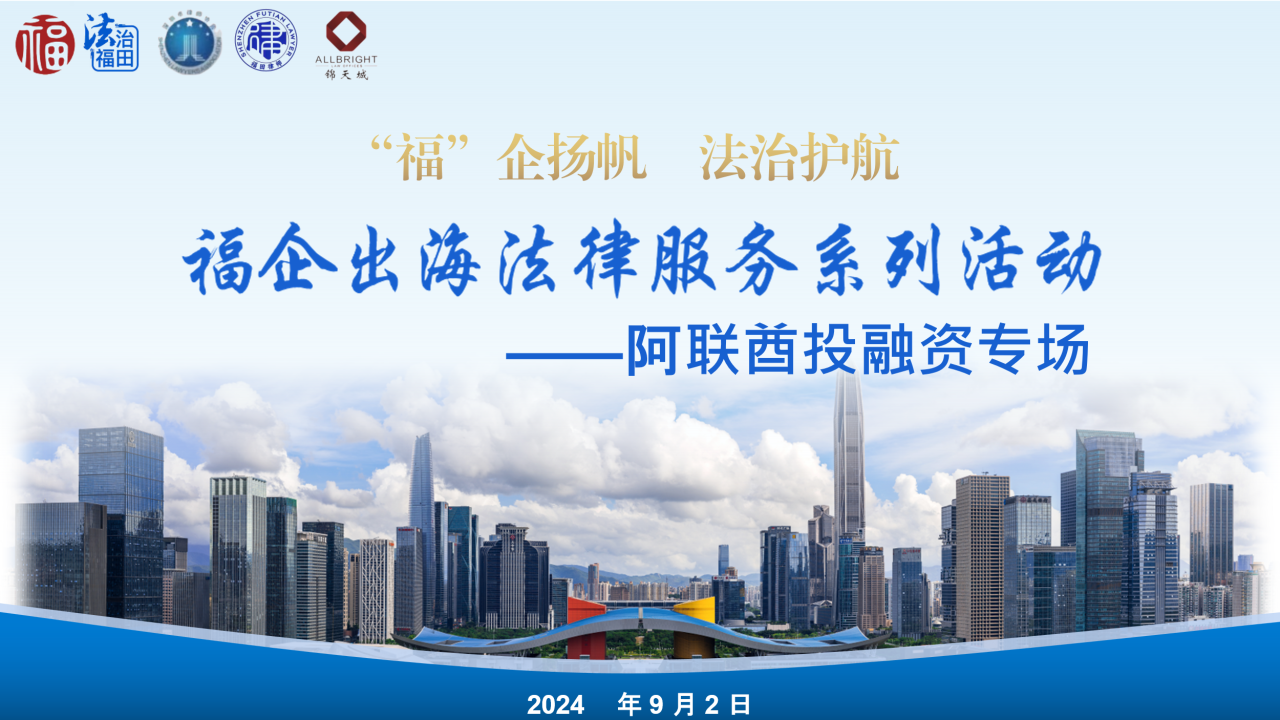
(中文) 2024年9月2日下午,福企出海法律服务系列之阿联酋投融资专场活动在上海市锦天城(深圳)律师事务所顺利举办。本场活动由福田区司法局、福田区企业服务中心联合策划并指导,福田区律师工作委员会、我所的联营所 — 锦天城(香港)律师事务所有限法律责任合伙 ("锦天城香港")、上海市锦天城(深圳)律师事务所("锦天城深圳")联合承办。
…
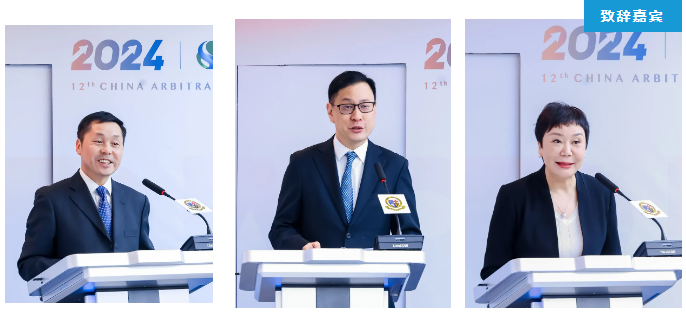
福田区司法局党组成员,副局长陈冰、福田区律工委国际与港澳台中心主任黄福龙律师、本所合伙人及企业融资部主管、锦天城香港负责人劳恒晃律师、锦天城深圳管委会主任宋征律师、管委会成员丘彪山律师、杨文明律师等合伙人及福田区众多企业代表、律师同仁共同参与了本次活动。锦天城深圳高级合伙人朱春燕律师担任活动主持。

朱春燕律师主持活动
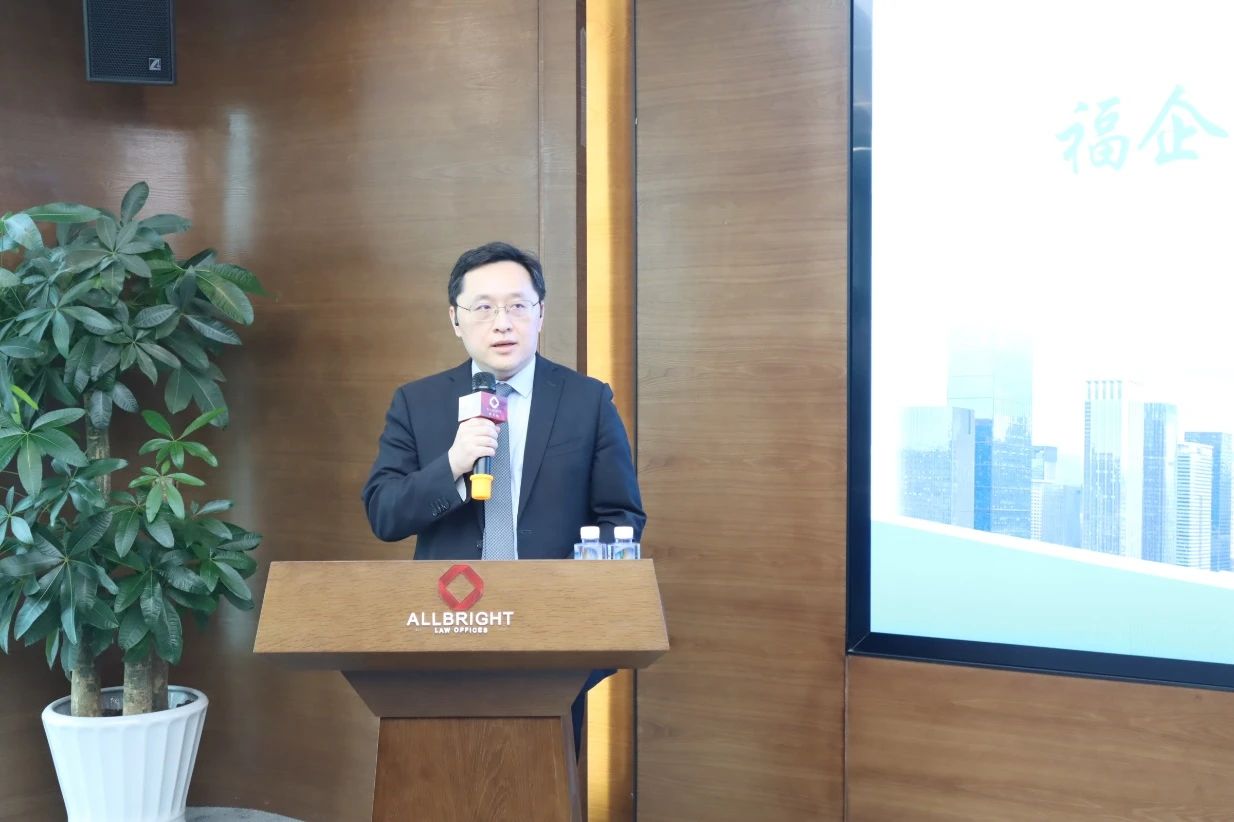
活动伊始,锦天城深圳管委会主任宋征律师对出席活动的领导、嘉宾表示热烈欢迎。宋律师指出,鉴于目前市场环境的不确定因素,中国企业出海成为企业谋求发展的主流道路之一,阿联酋因其独特的优势正在成为理想的境外投资目的地,相信本场专题活动将为计划在阿联酋投资的中国企业提供更全面的了解当地文化、法律、投资路径以及风险防范的机会,为企业出海保驾护航。

宋征主任致辞
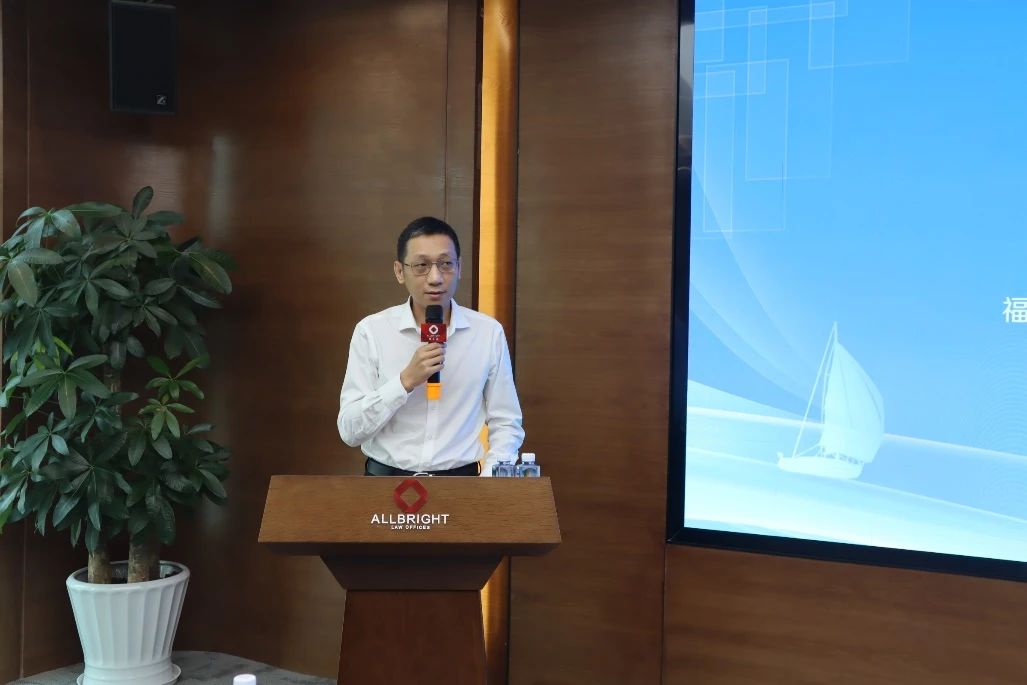
随后,福田区司法局党组成员、副局长陈冰致辞。陈冰副局长深刻阐述了在全球经济一体化背景下,企业“走出去”的必要性,强调了法律保障对于企业海外投资成功的重要性。他表示:“福田区始终致力于为企业‘走出去’提供坚实的法律保障和支持,希望通过此次活动,能够助力福田企业精准对接阿联酋市场,实现互利共赢的海外发展。”同时,陈局对锦天城在专业发展及行业建设中做出的成绩给予了肯定,也对未来发展提出了期许。

陈冰副局长致辞
主题演讲阶段,劳律师等多位业内资深律师、专家围绕阿联酋投资融资的热点话题、机遇与风险带来了精彩纷呈的专业分享。从阿联酋的法律法规体系、市场准入机制,到投资项目的风险评估与合规管理,再到行业状况等,为参会律师和企业代表提供了宝贵的实战经验和前瞻性洞察。

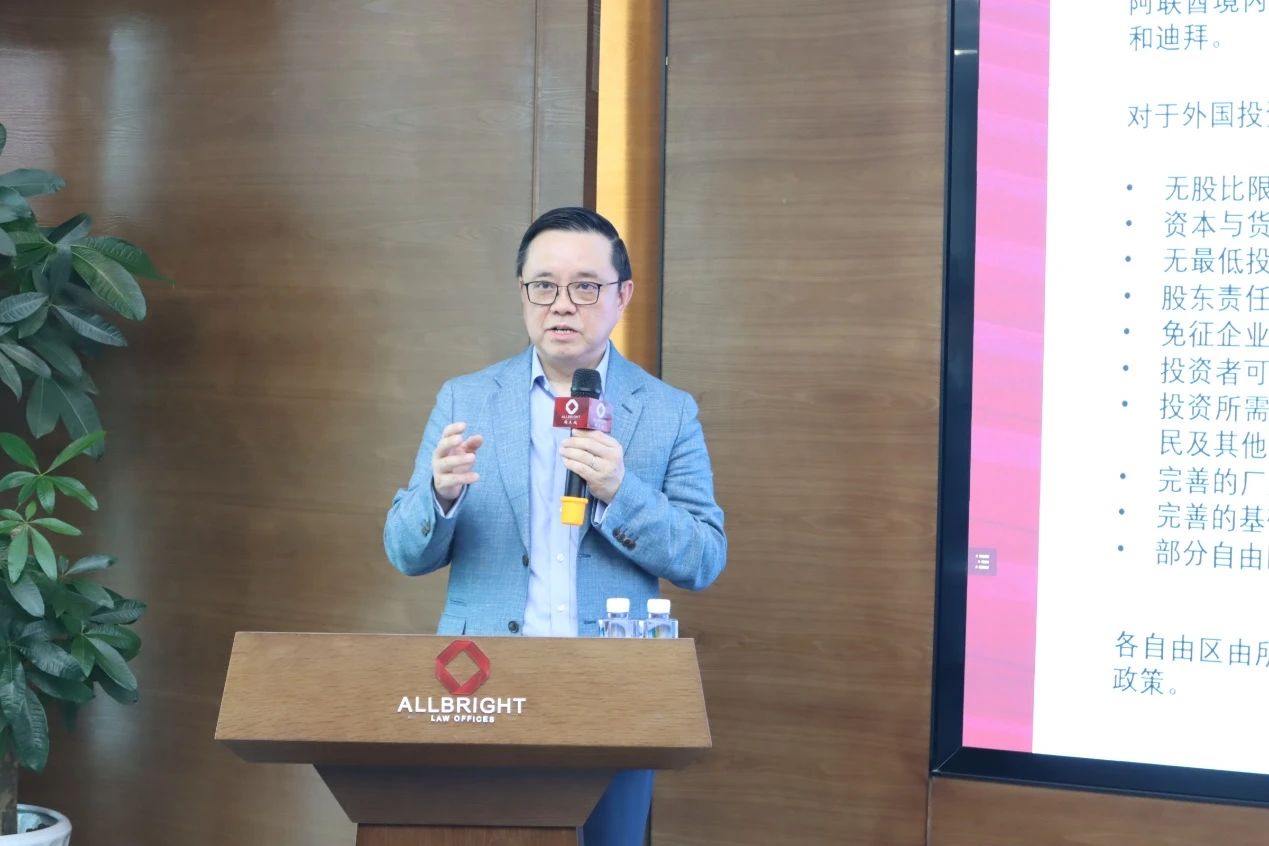
劳恒晃律师发表主题演讲
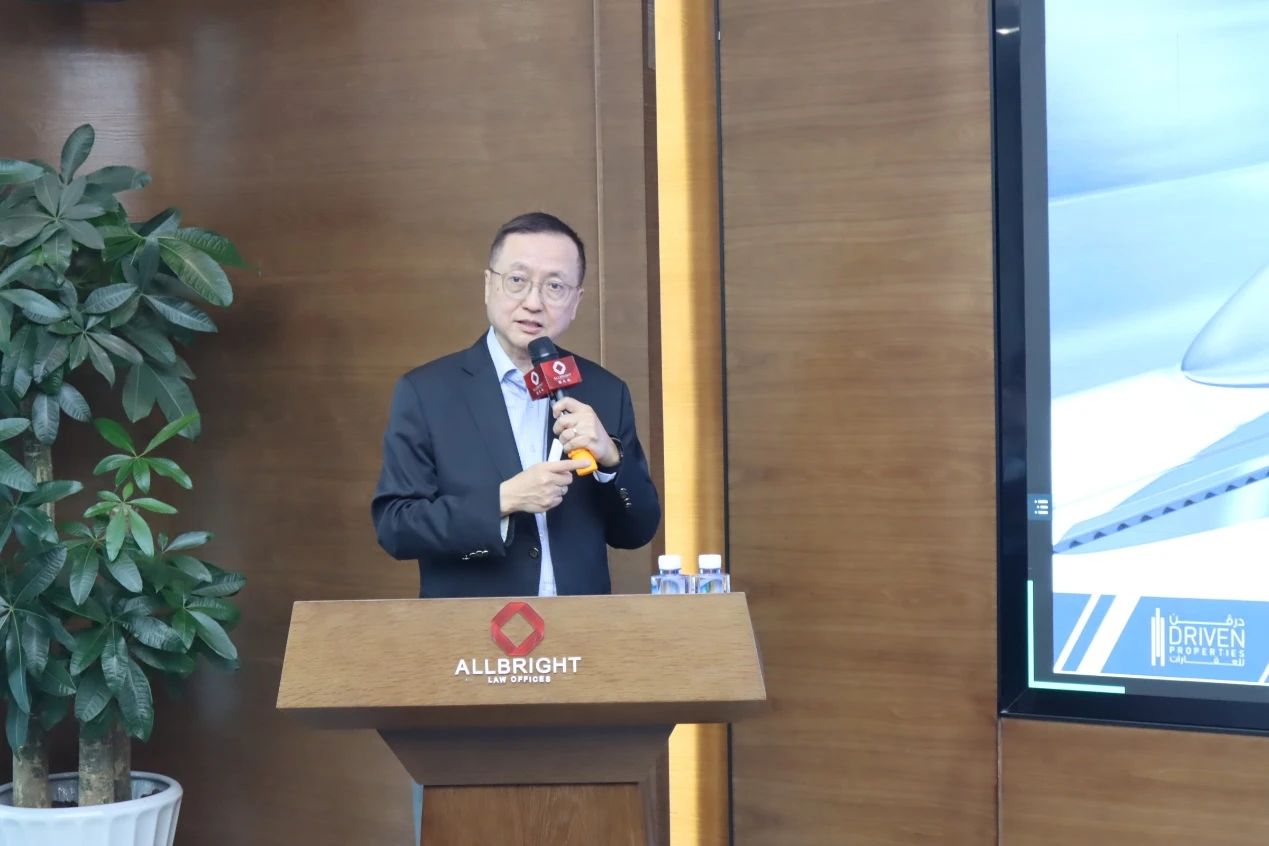
本所合伙人及企业融资部主管、锦天城香港高级合伙人劳恒晃律师首先发表演讲,劳律师从阿拉伯联合酋长国简介、《迪拜经济议程D33》、重点投资项目三个方面展开,相对全面、细致的对迪拜整体情况进行了说明。

来自阿联酋Trench & Associates DMCC 的创始人Cynthia Trench凭借多年在中东市场经营的成熟经验及专业能力,以“如何在阿联酋设立业务”为题展开线上分享。她表示,阿联酋最近的法律改革表明阿联酋政府希望向外国投资开放的态度,认为此时是境内企业在阿联酋投资的好时机,并向大家详细阐述了在阿联酋设立公司的流程、各个行业领域的业务现状、机遇以及风险点。

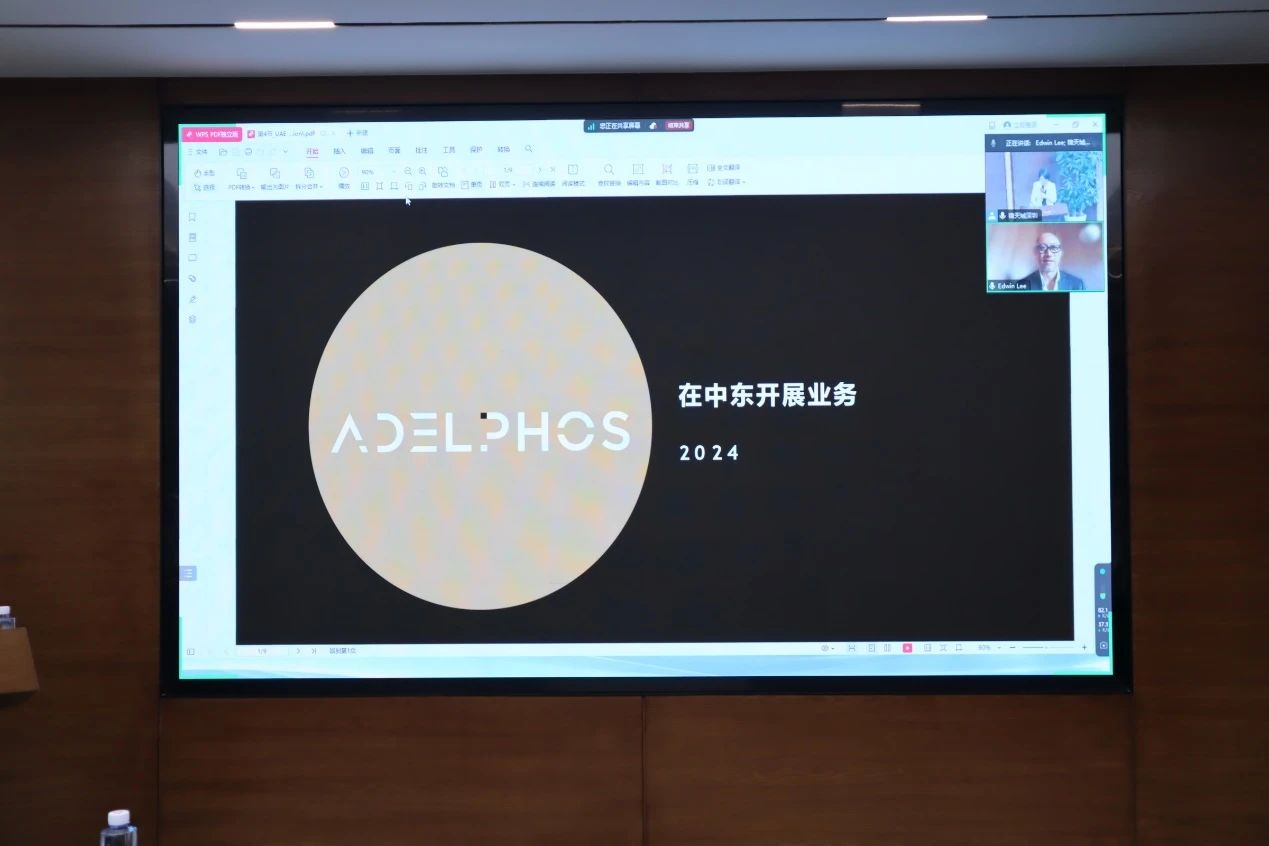
来自阿联酋Adelphos & Co的创始人Edwin Lee线上演讲主题是“外国公司如何吸引阿联酋资金进行投资”。Edwin向我们阐述了全球面临不确定的经济形势时,中东市场依然保持顽强的原因,就如何才能顺利进入中东市场、中东的市场趋势、如何与当地专业的金融团队合作等展开说明。

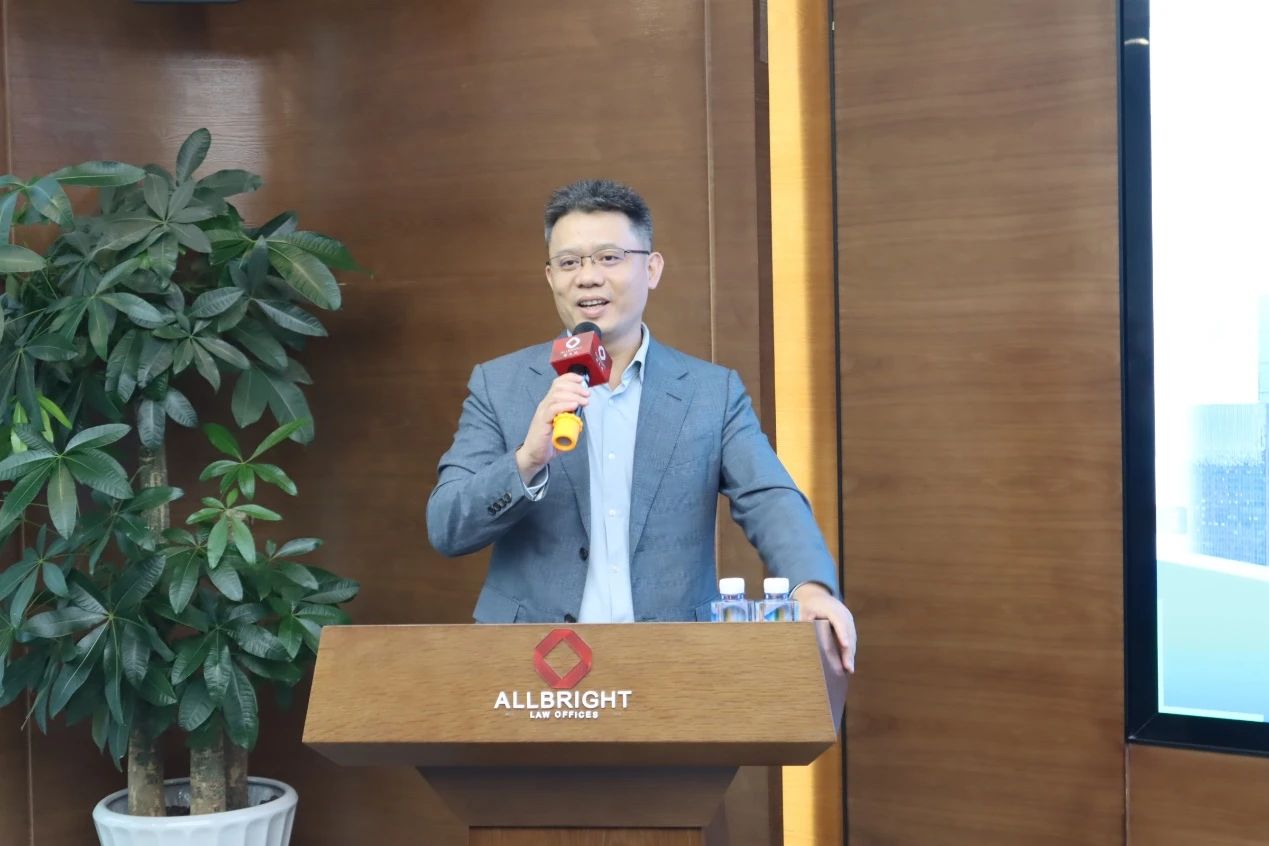
符气清先生发表主题演讲
来自阿联酋的不动产投资专家符气清先生以“阿联酋的房地产市场最新趋势”为题展开演讲。符先生向大家详细介绍了阿联酋房地产的发展历史及现状,他认为阿联酋的房地产市场正在向更加多元化和可持续的方向发展,也正在吸引国际投资者的关注。

刘砚枫律师发表主题演讲
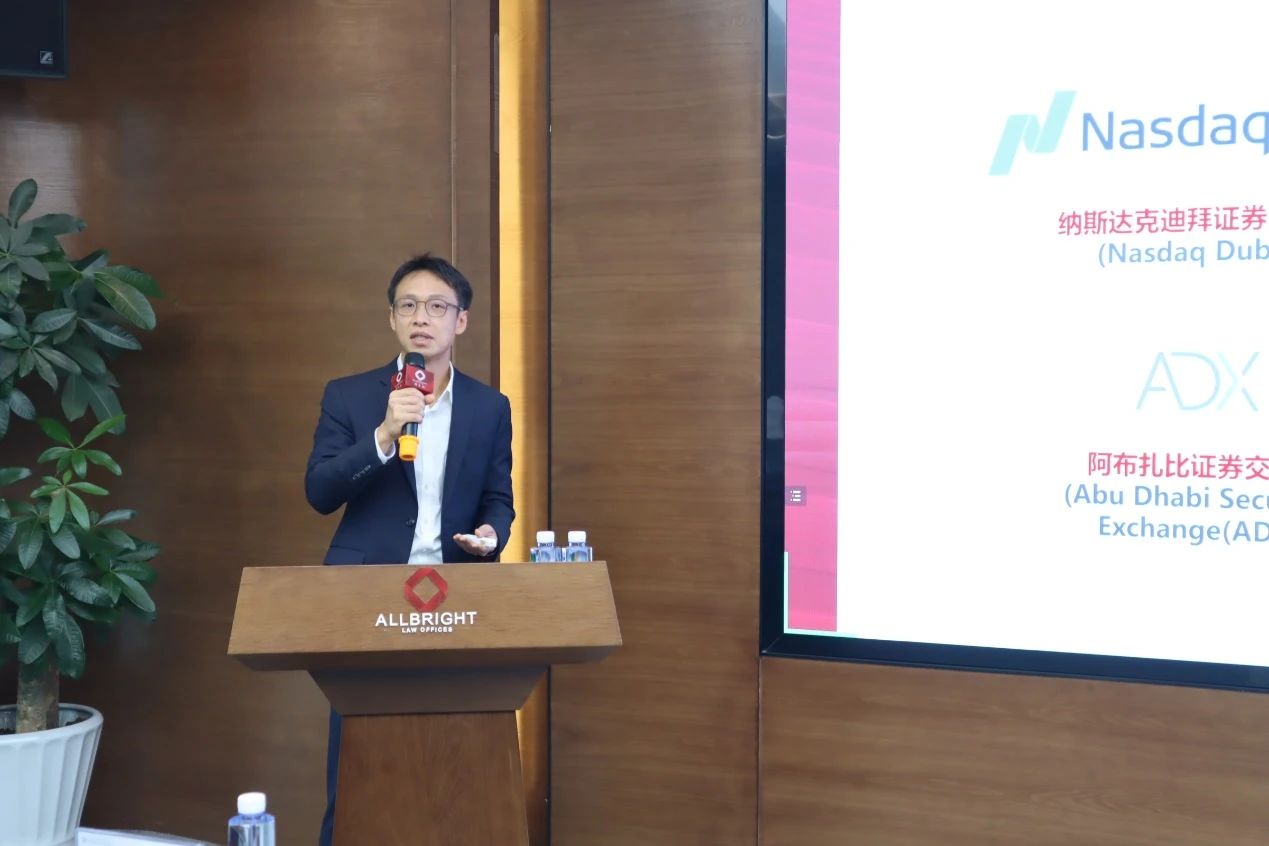
本所合伙人、锦天城香港刘砚枫律师以“企业中东上市计划”为主题,介绍了锦天城专业的境外IPO团队,并就中东的上市要求、上市程序、时间表等方面为有上市需求的企业描画出清晰的上市路径。

杨文明律师总结发言
锦天城深圳管委会成员杨文明律师做总结发言。杨律师对福田区司法局、福田区企业服务中心、律工委对本次活动的指导与支持以及演讲嘉宾的精彩演讲表示感谢,希望未来在各级政府管理部门、协会的指导下,锦天城境内外办公室分工协作,为更多出海企业的境外投融资提供更专业、全面、高效的一揽子法律服务。

本场活动通过嘉宾的精彩分享与深度交流,与会人员更加清晰地了解了阿联酋的商业机遇与挑战,为福田区企业拓展海外市场,尤其是在阿联酋的投融资活动搭建了一座坚固的专业法律服务桥梁。

如有任何查询,请联系本所合伙人劳恒晃律师。
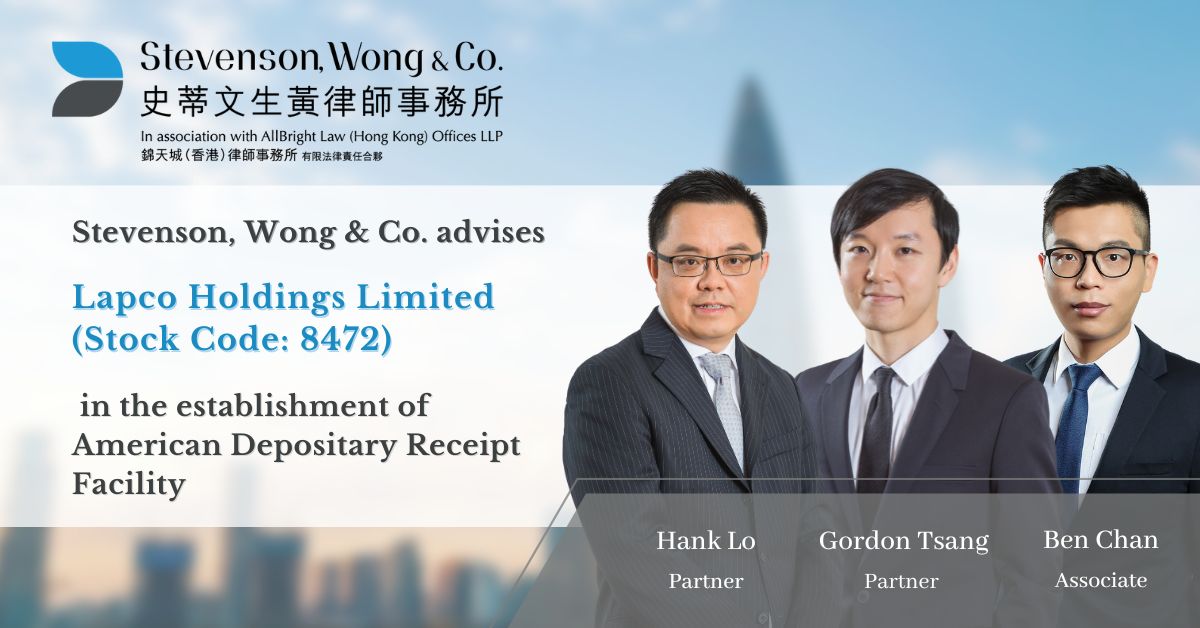
Stevenson, Wong & Co. acted as the Hong Kong legal advisers to Lapco Holdings Limited (Stock Code: 8472) (“the Company”) in the establishment of a sponsored Level 1 American Depositary Receipt (“ADR”) Facility (the “Facility”) with The Bank of New York Mellon as depositary bank with effect from 9 August 2024. This is the first time in recent years that a GEM-listed company successfully established ADR facility.
…
The ADR is a negotiable receipt, resembling a stock certificate that is issued by a U.S. depositary bank appointed by the Company to evidence one or more American Depositary Shares (‘‘ADSs’’). Under the Facility, the ADSs will be issued against ordinary shares of the Company trading on the GEM Board of The Stock Exchange of Hong Kong Limited deposited with a custodian bank under the Facility and traded in the U.S. over-the-counter market.
The Company is an investment holding company. The Company along with its subsidiaries is mainly engaged in the provision of environmental hygiene services in Hong Kong. The Company operates its businesses through four business segments: Cleaning Services, Pest Management Services, Waste Management and Recycling Services, and Landscaping Services. The cleaning services cover public and private, residential, commercial and industrial buildings.
![]()
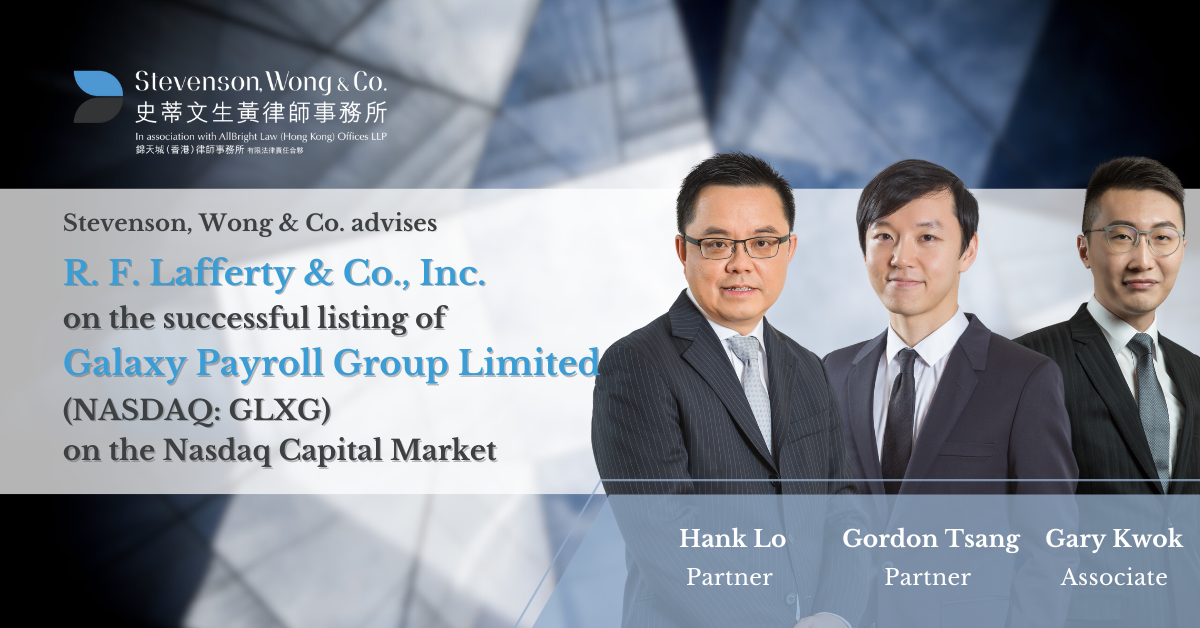
Our Partners, Mr. Hank Lo and Mr. Gordon Tsang and Associate, Mr. Ben Chan, acted as the Hong Kong legal counsel for the establishment of the Facility.
Please contact Mr. Hank Lo or Mr. Gordon Tsang for any enquiries or further information about this transaction.
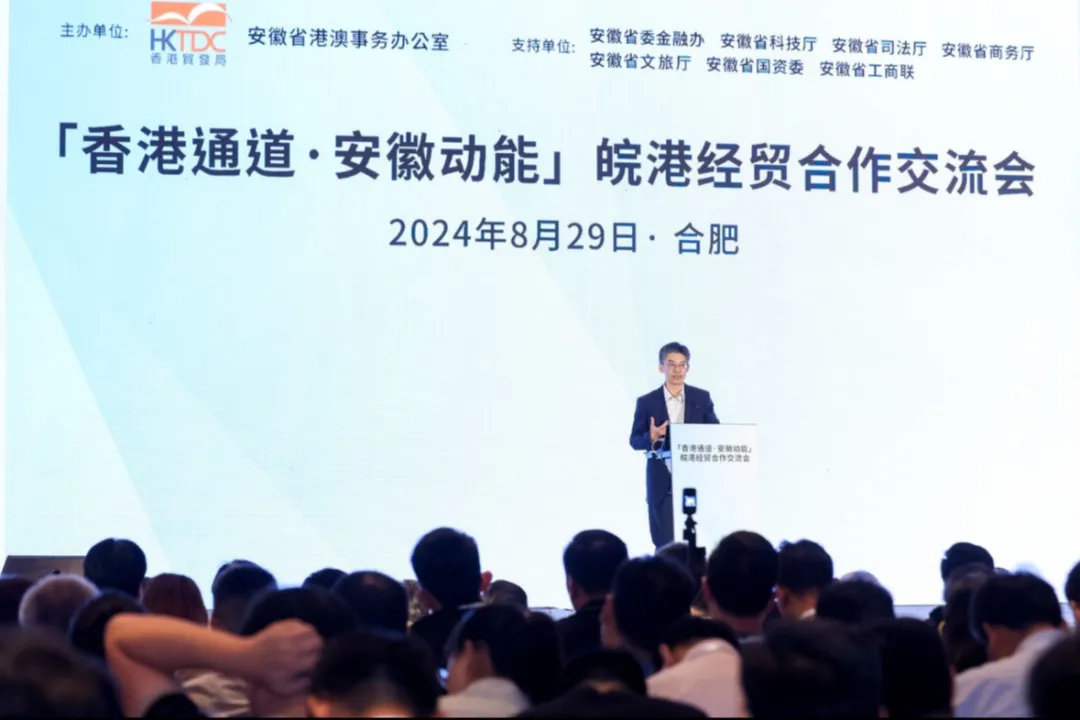
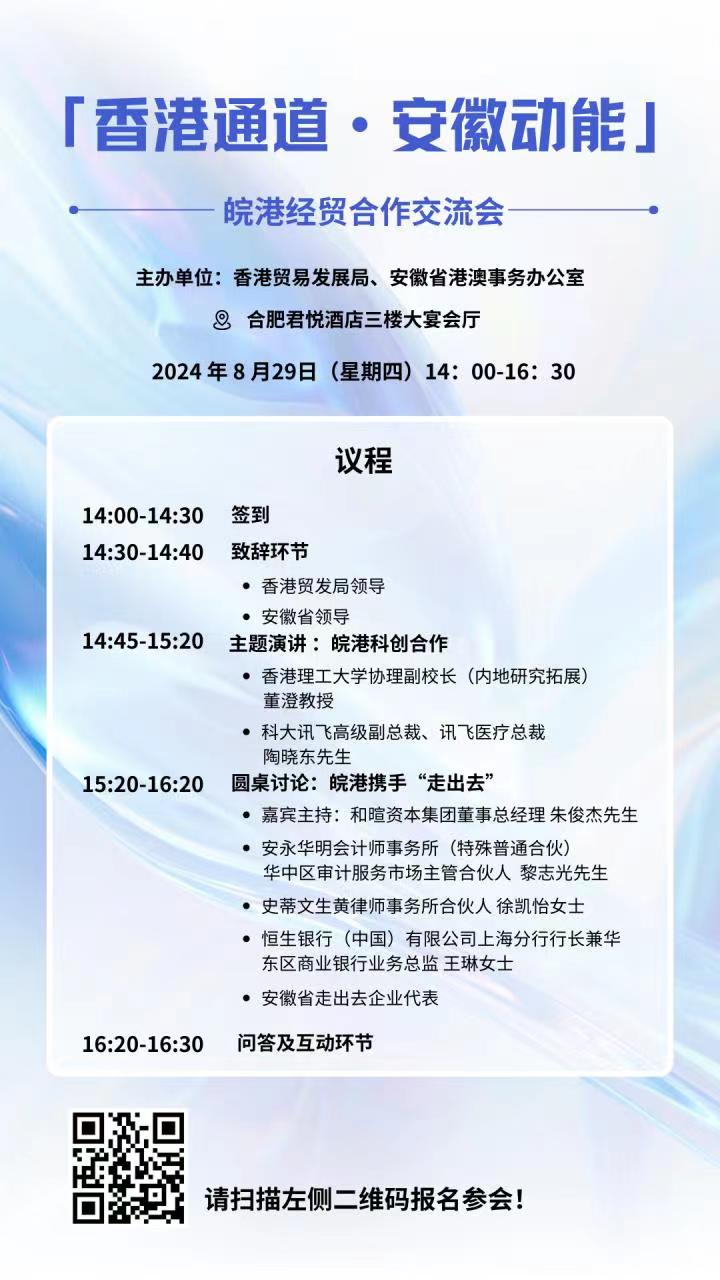
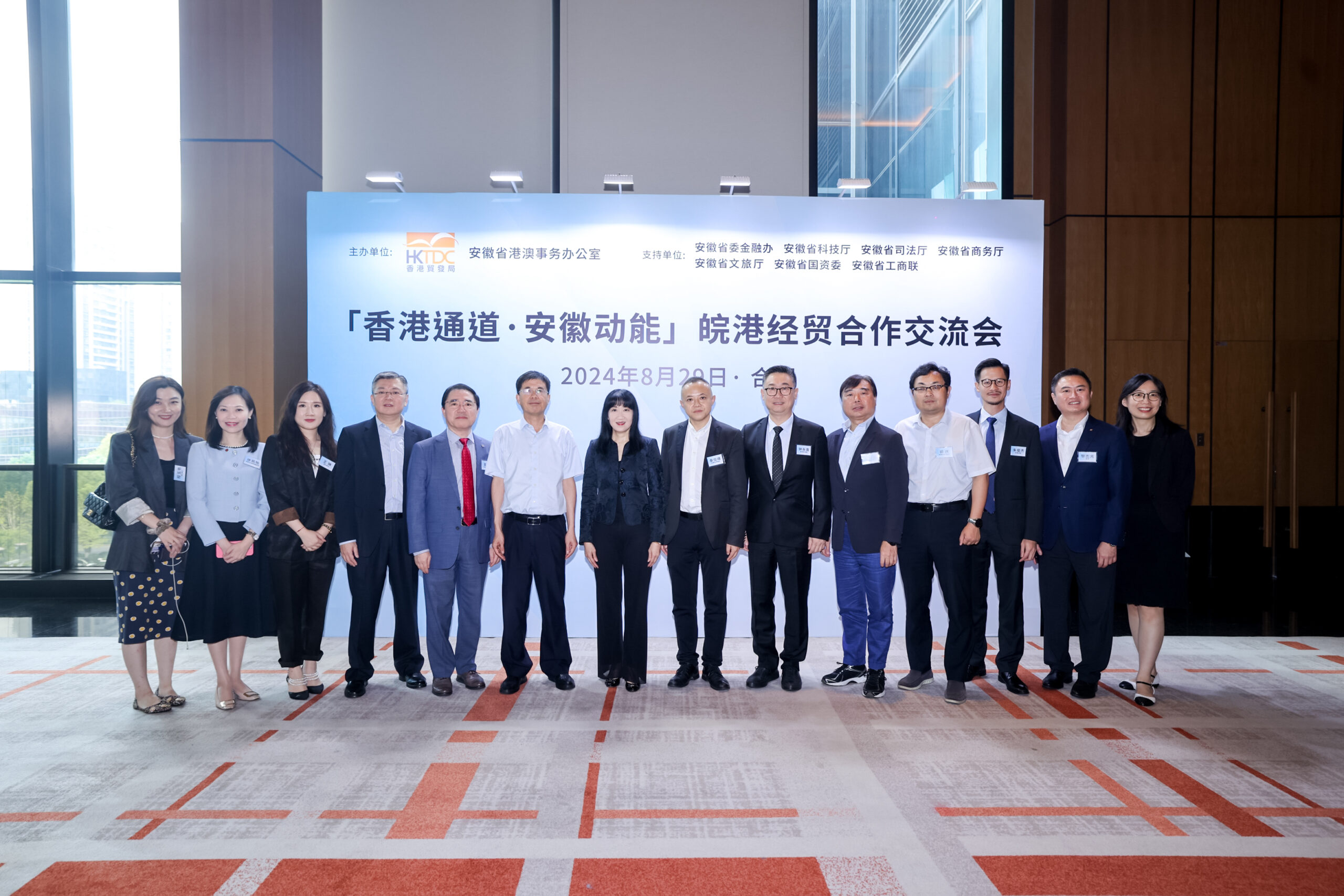
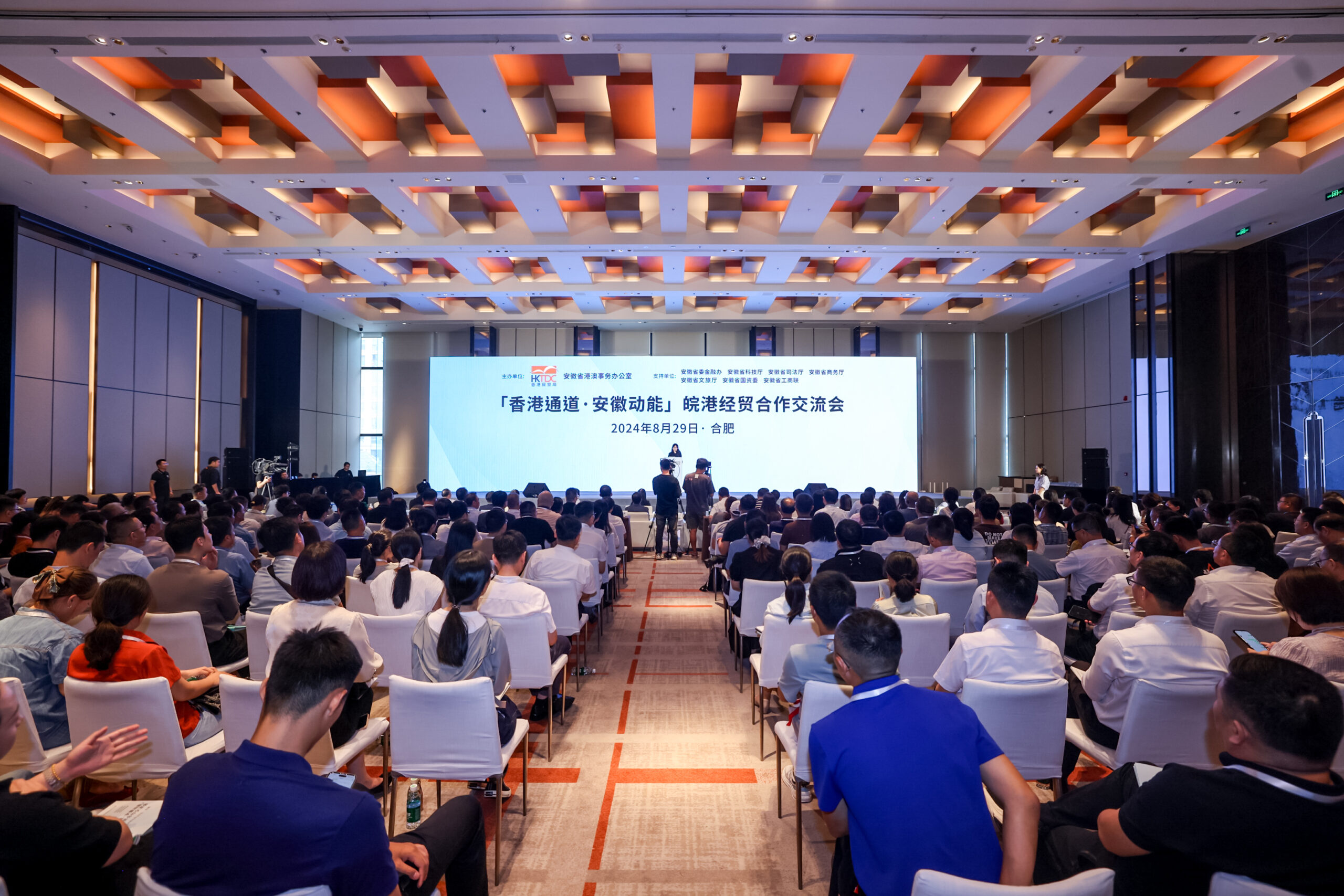
(中文) 2024年8月29日,由香港贸易发展局 (HKTDC) 和安徽省港澳事务办公室联合主办之「香港通道.安徽动能」皖港经贸合作交流会在合肥君悦酒店圆满结束。本次活动获得安徽省委金融办﹑安徽省司法厅﹑安徽省文化和旅游厅﹑安徽省工商联﹑安徽省科技厅﹑安徽省商务厅和安徽省国资委的支持。
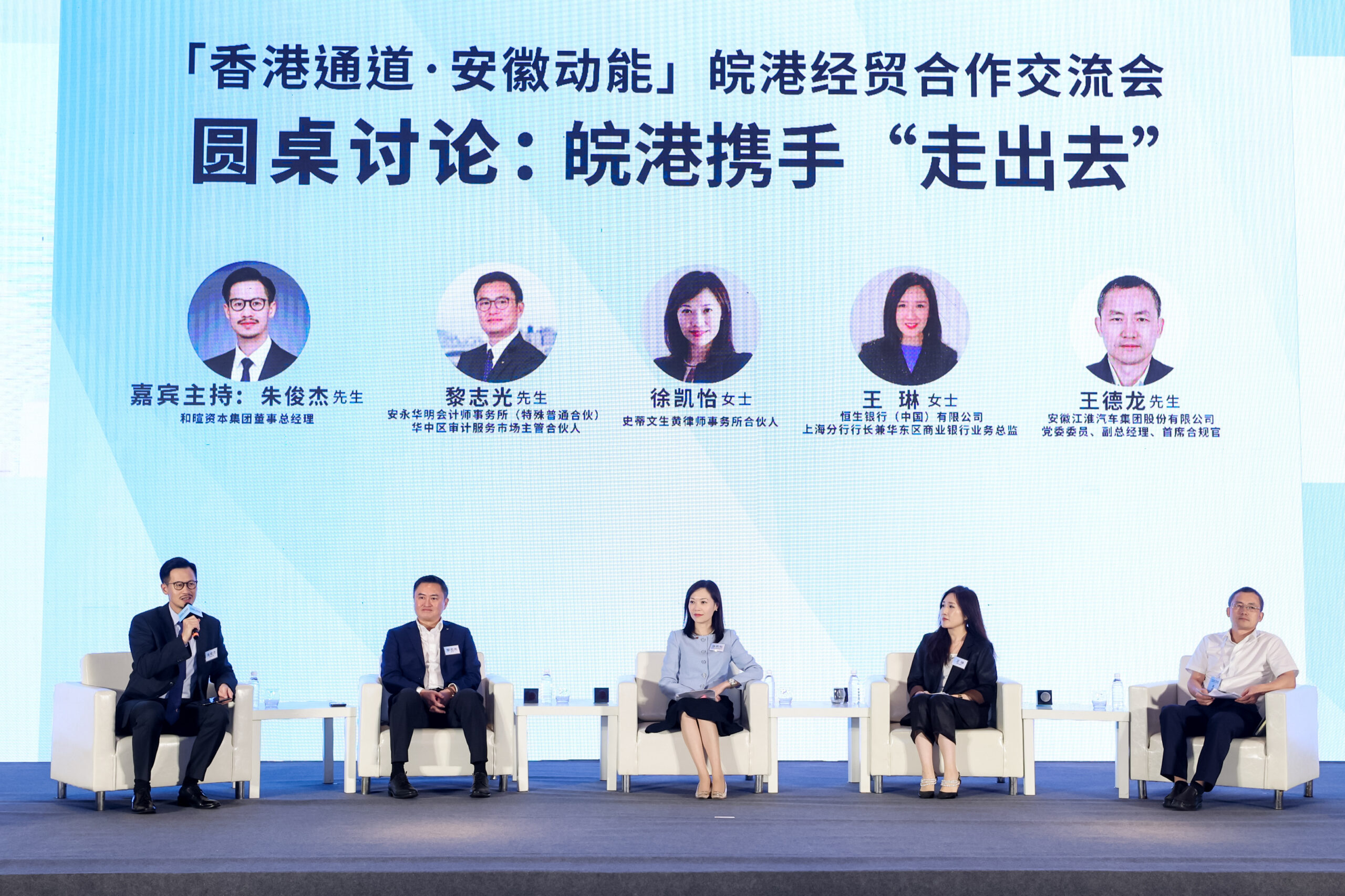
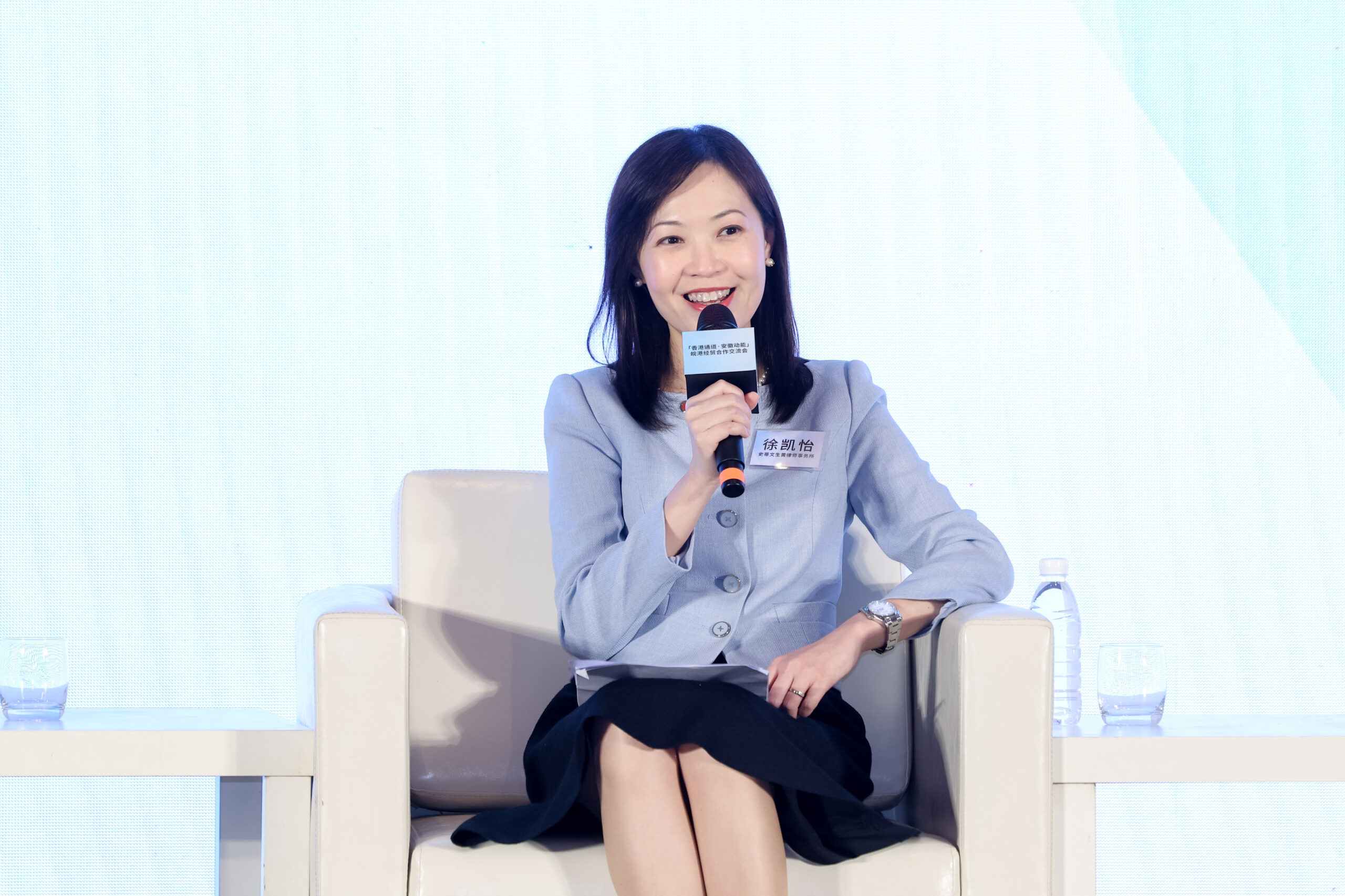
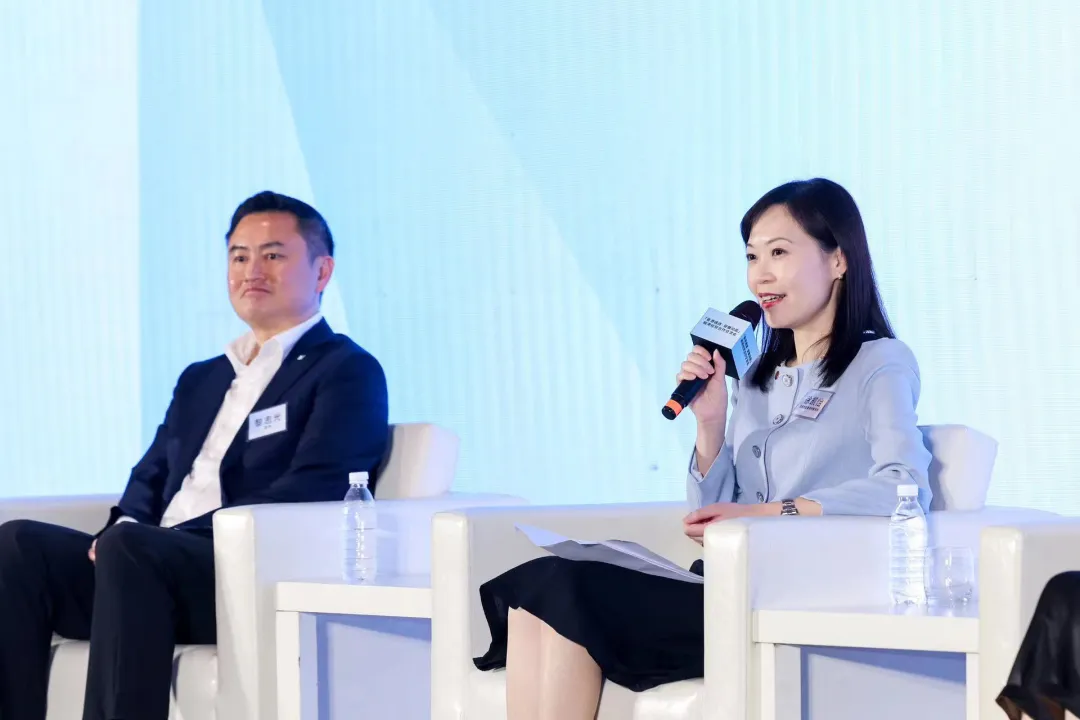
本所合伙人、诉讼和争议解决部主管徐凯怡律师,受邀为本次交流会担任演讲嘉宾,在「圆桌讨论:皖港携手“走出去”」与其他来自银行业,会计界和商界企业的嘉宾进行分享和交流,共同推动皖港澳交流与合作。
皖港经贸合作交流会作为两地经济交流的重要平台,汇聚了众多行业精英和权威人士,鼓励当地企业把握投资新机遇,充分利用香港的营商优势和平台“走出去”。 …
本所合伙人、诉讼和争议解决部主管徐凯怡律师 (中),和暄资本集团董事总经理朱俊杰先生 (左一)、安永华明会计师事务所,华中区审计服务市场主管合伙人黎志光先生(左二)、 恒生银行(中国)有限公司上海分行行长兼华东区商业银行业务总监王琳女士(右二)和安徽省走出去企业代表(右⼀)

香港贸易发展局总裁方舜文为本次交流会致辞

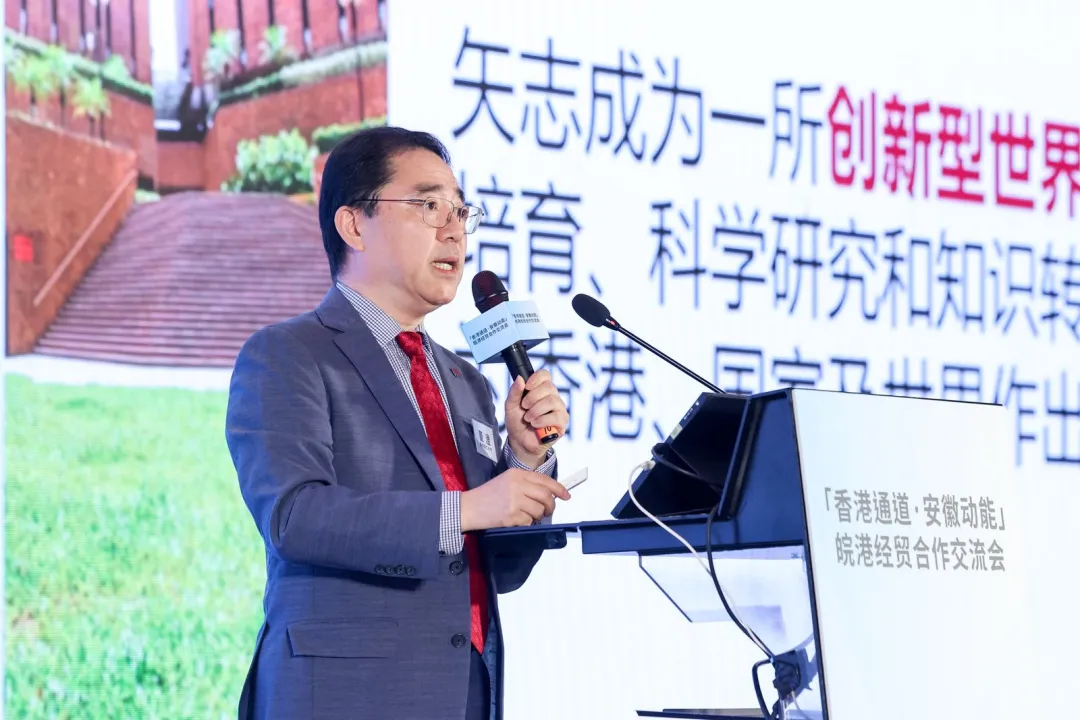
香港理工大学(理大)协理副校长(内地研究拓展)董澄教授

科大讯飞高级副总裁﹑讯飞医疗总裁陶晓东先生


如阁下有任何查询,请联络本所合伙人徐凯怡律师。

…
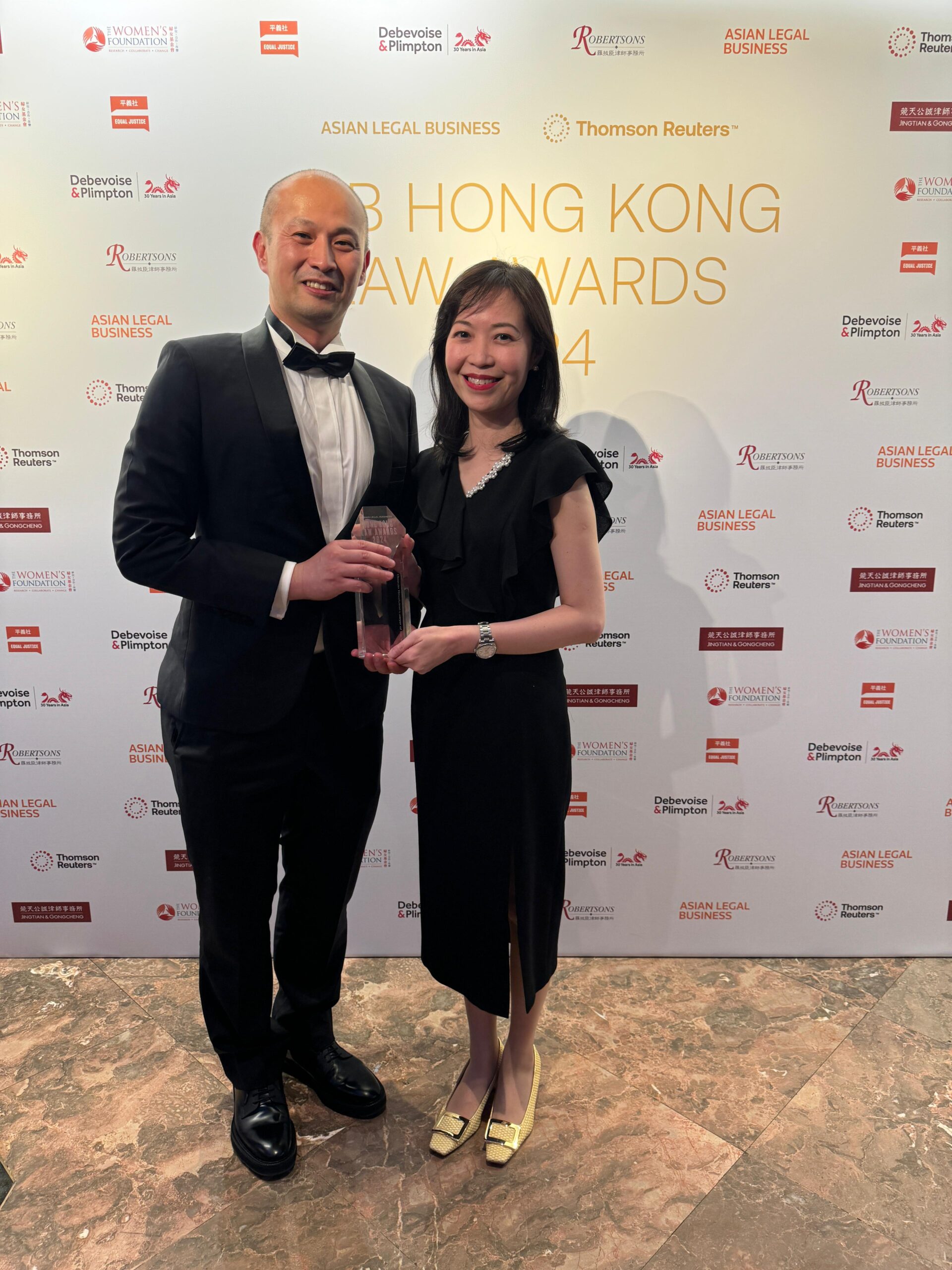
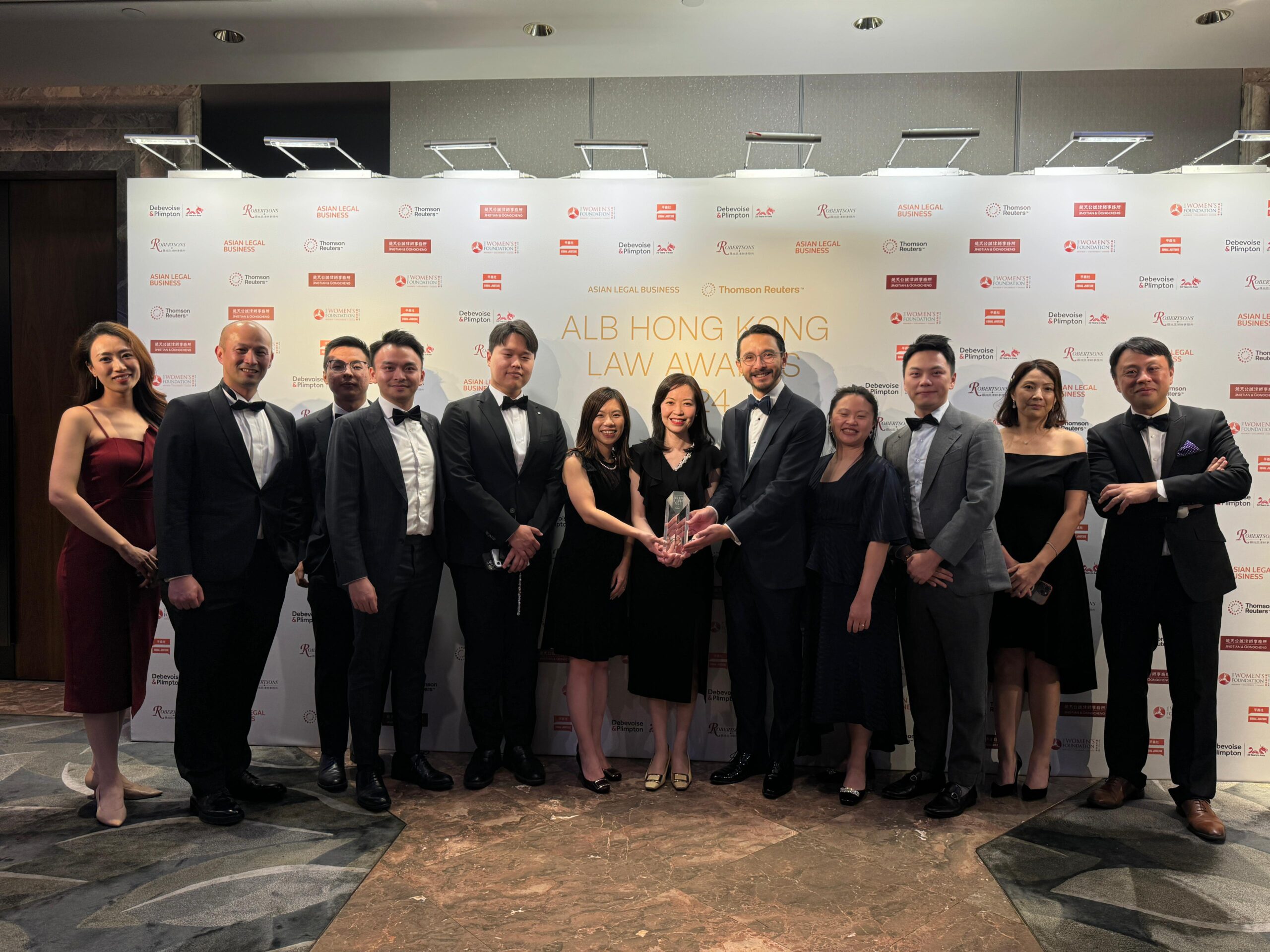
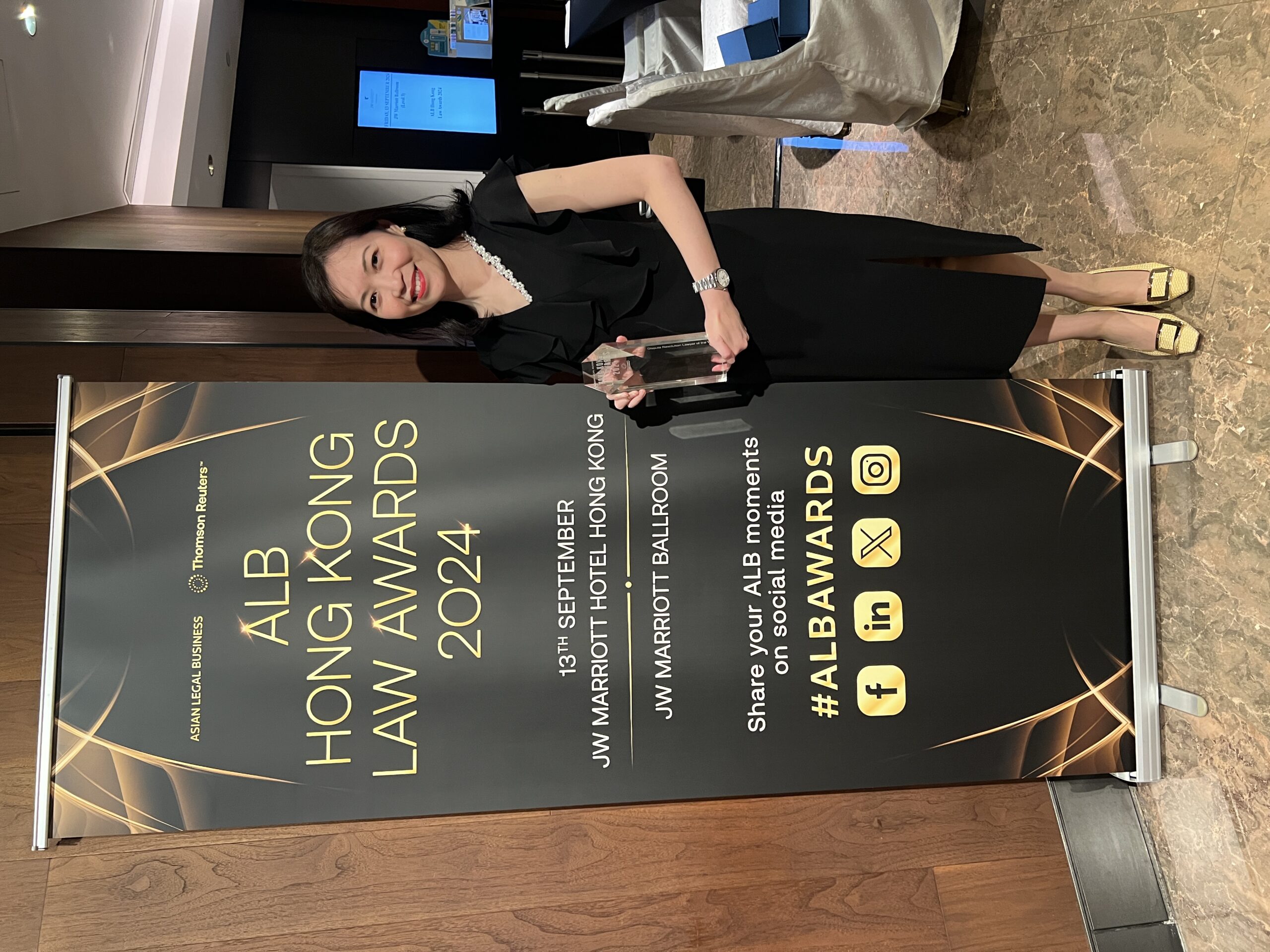
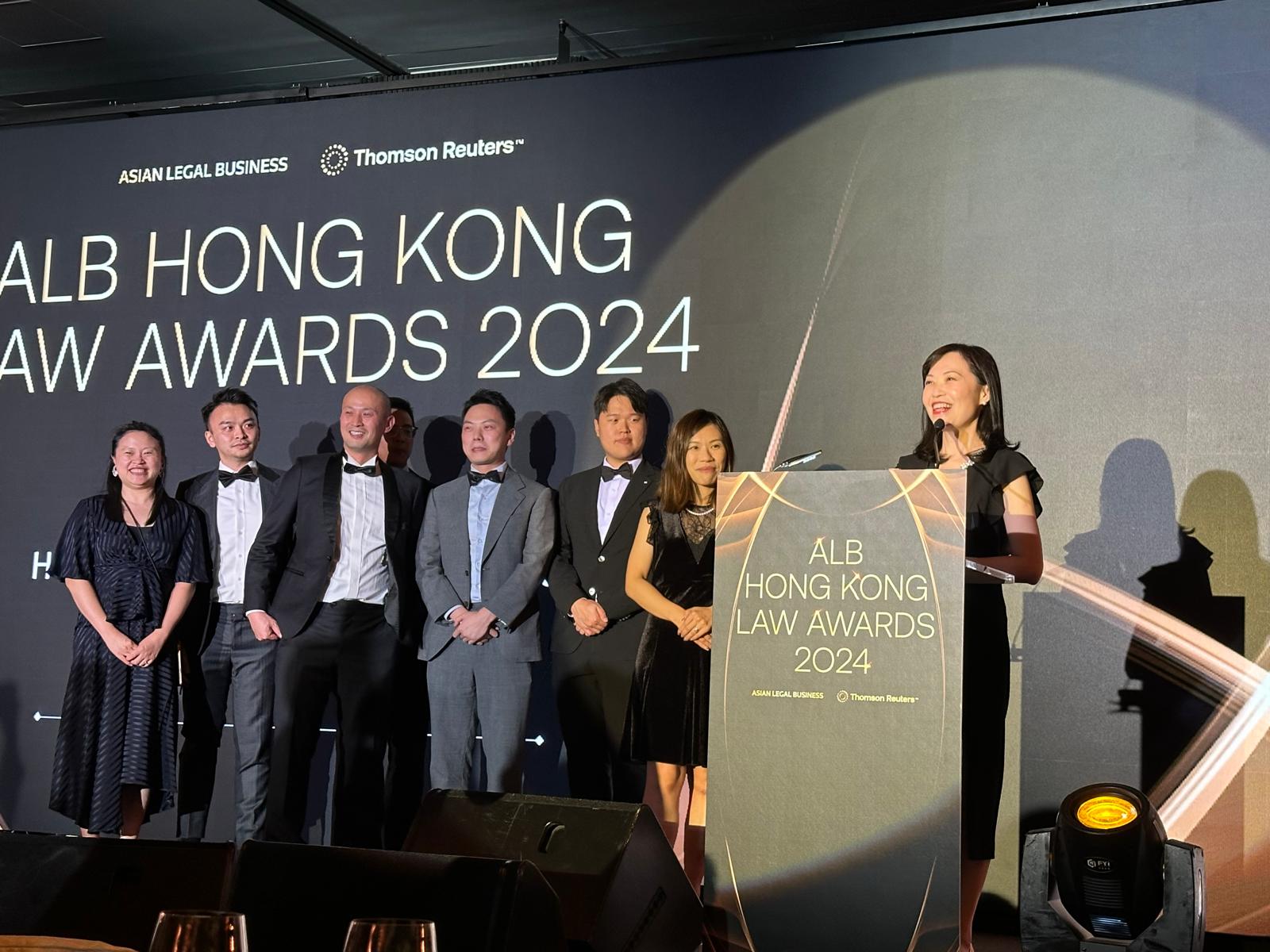
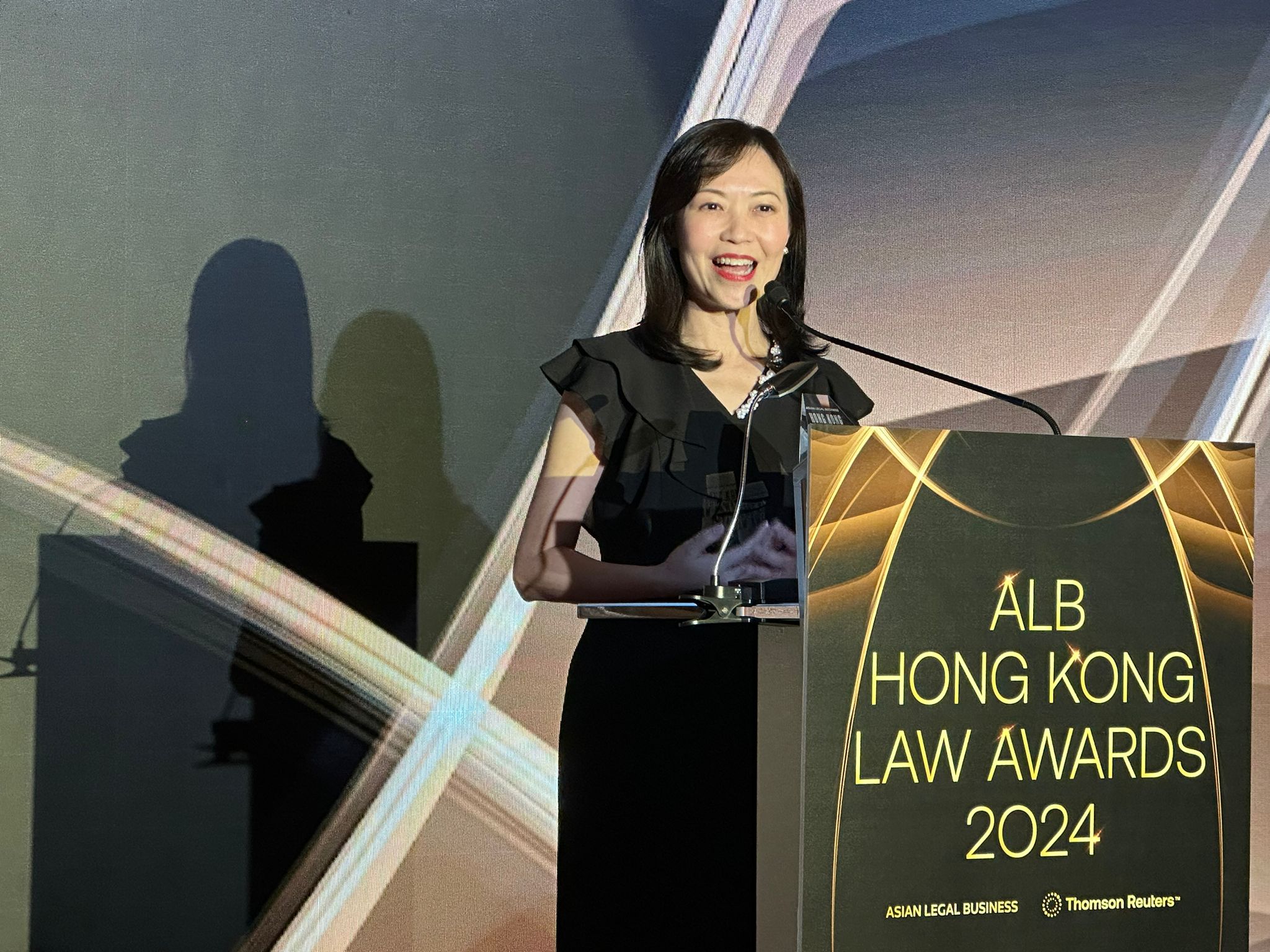
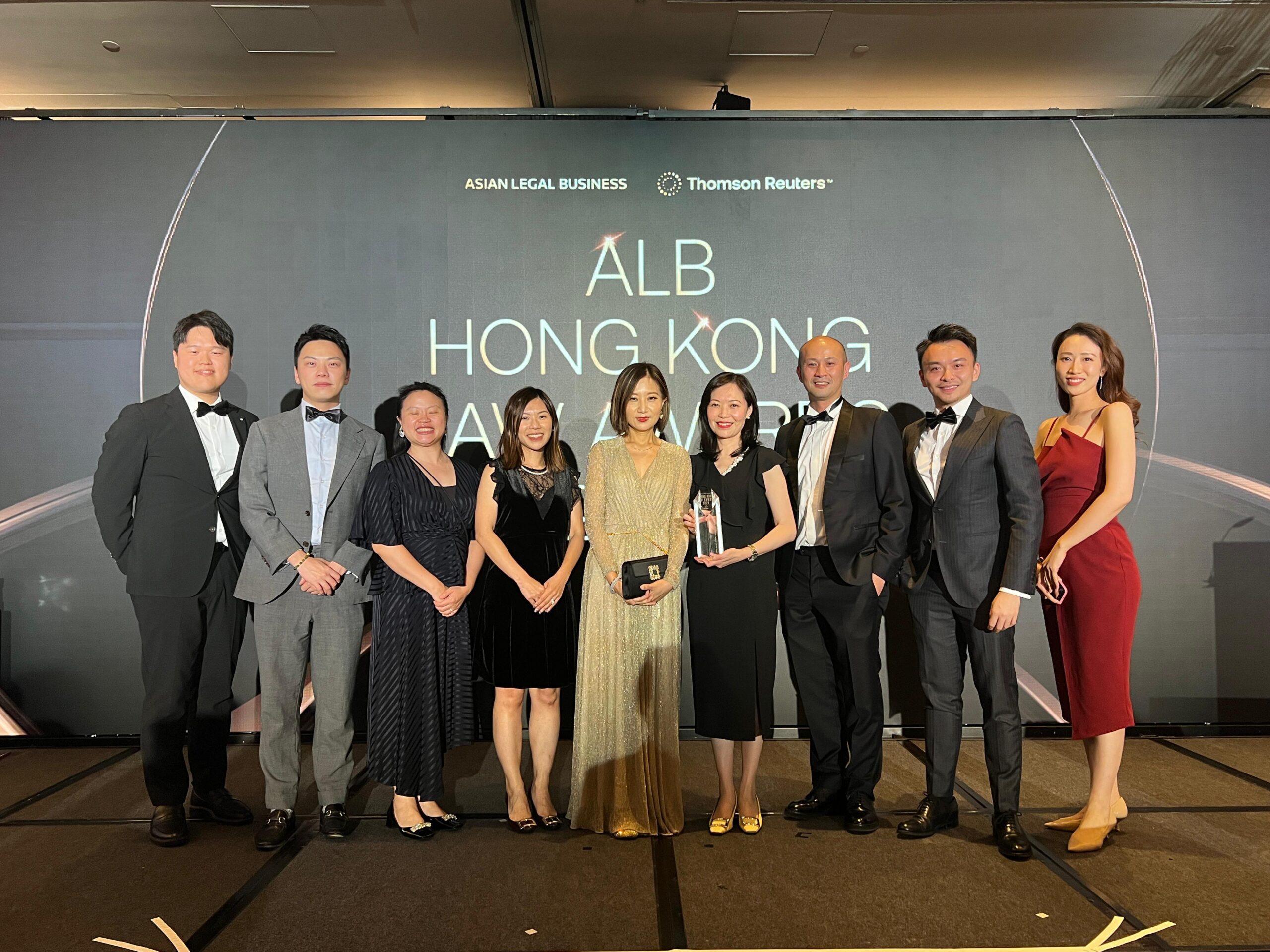
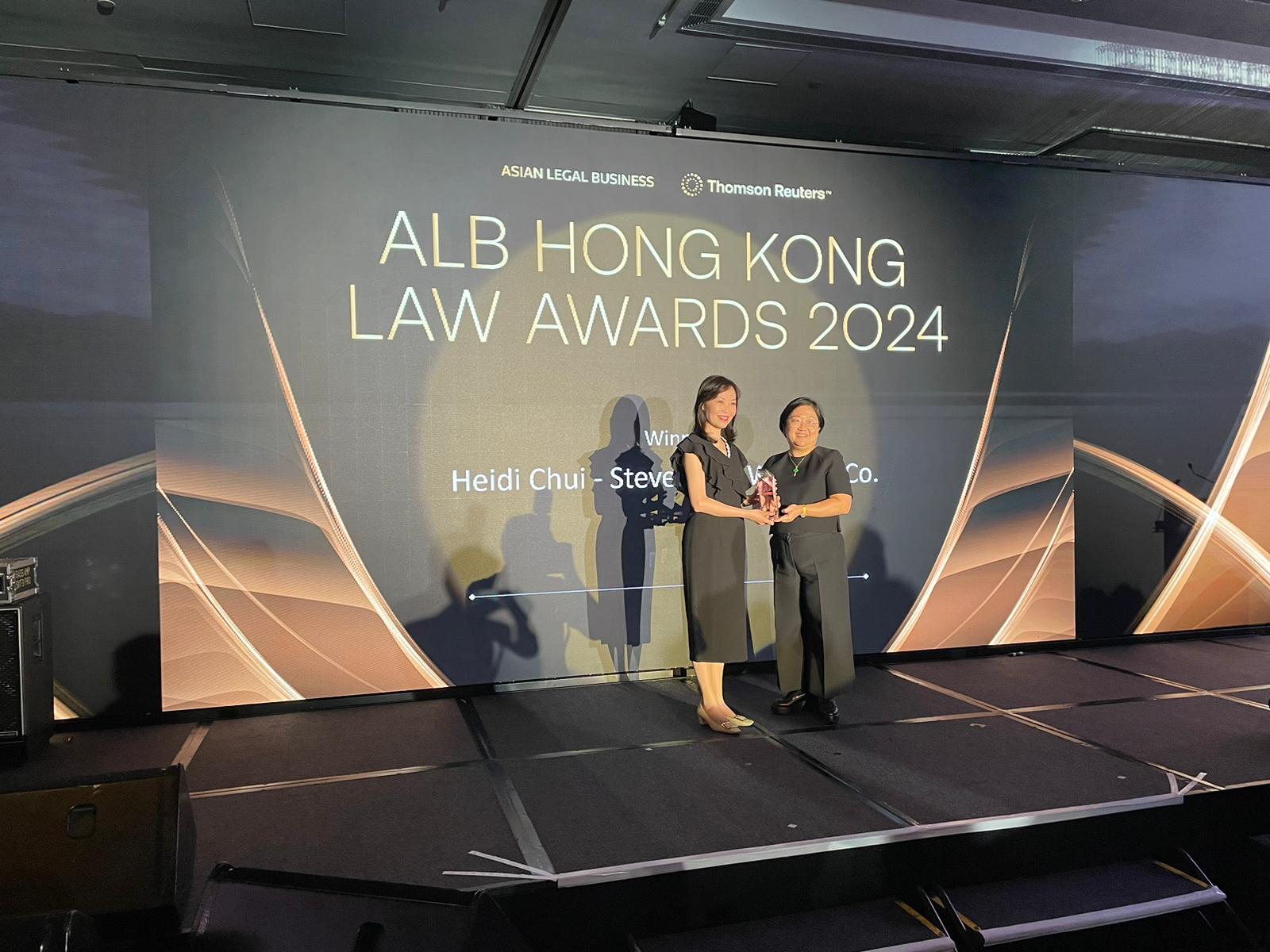
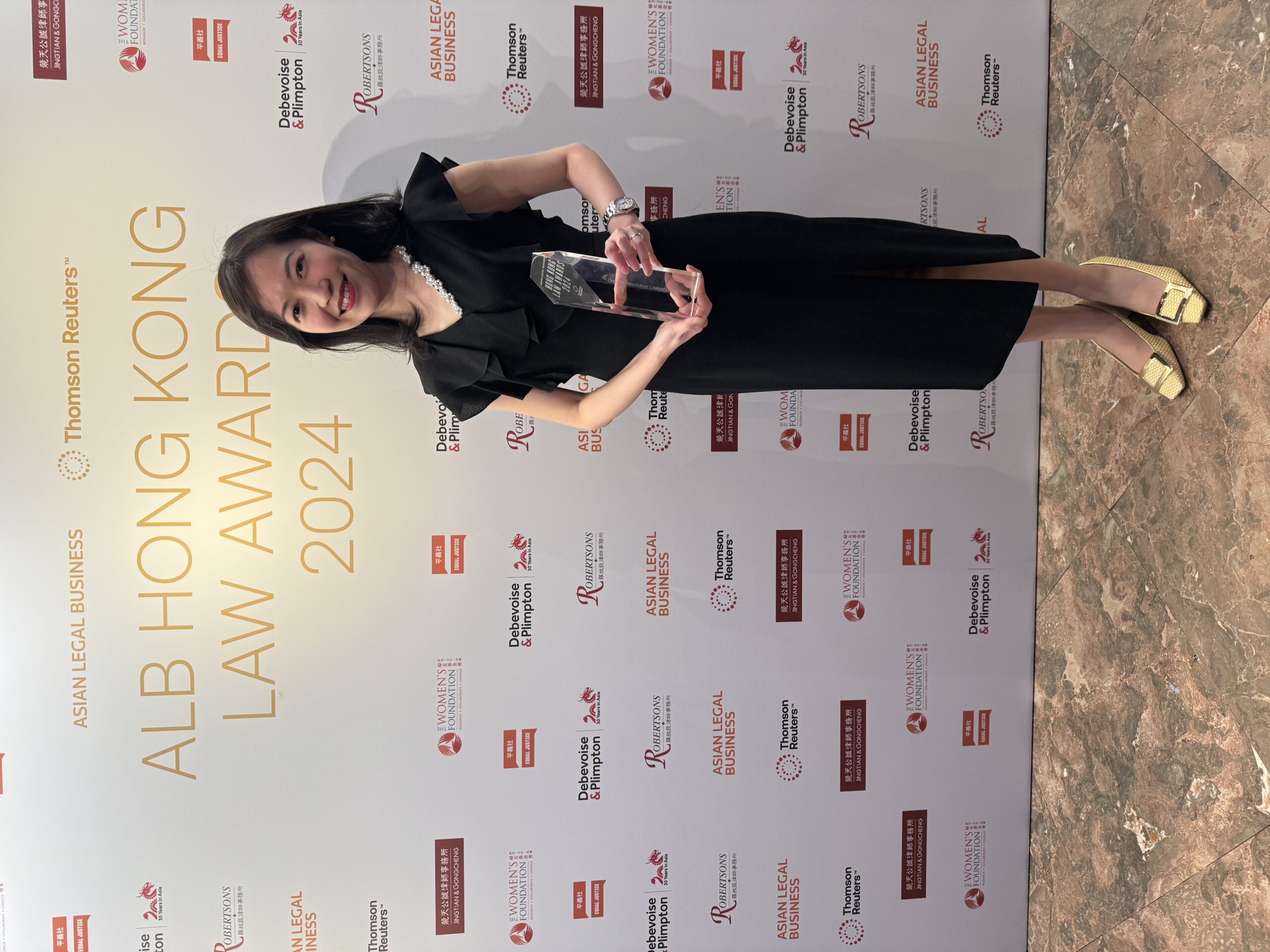
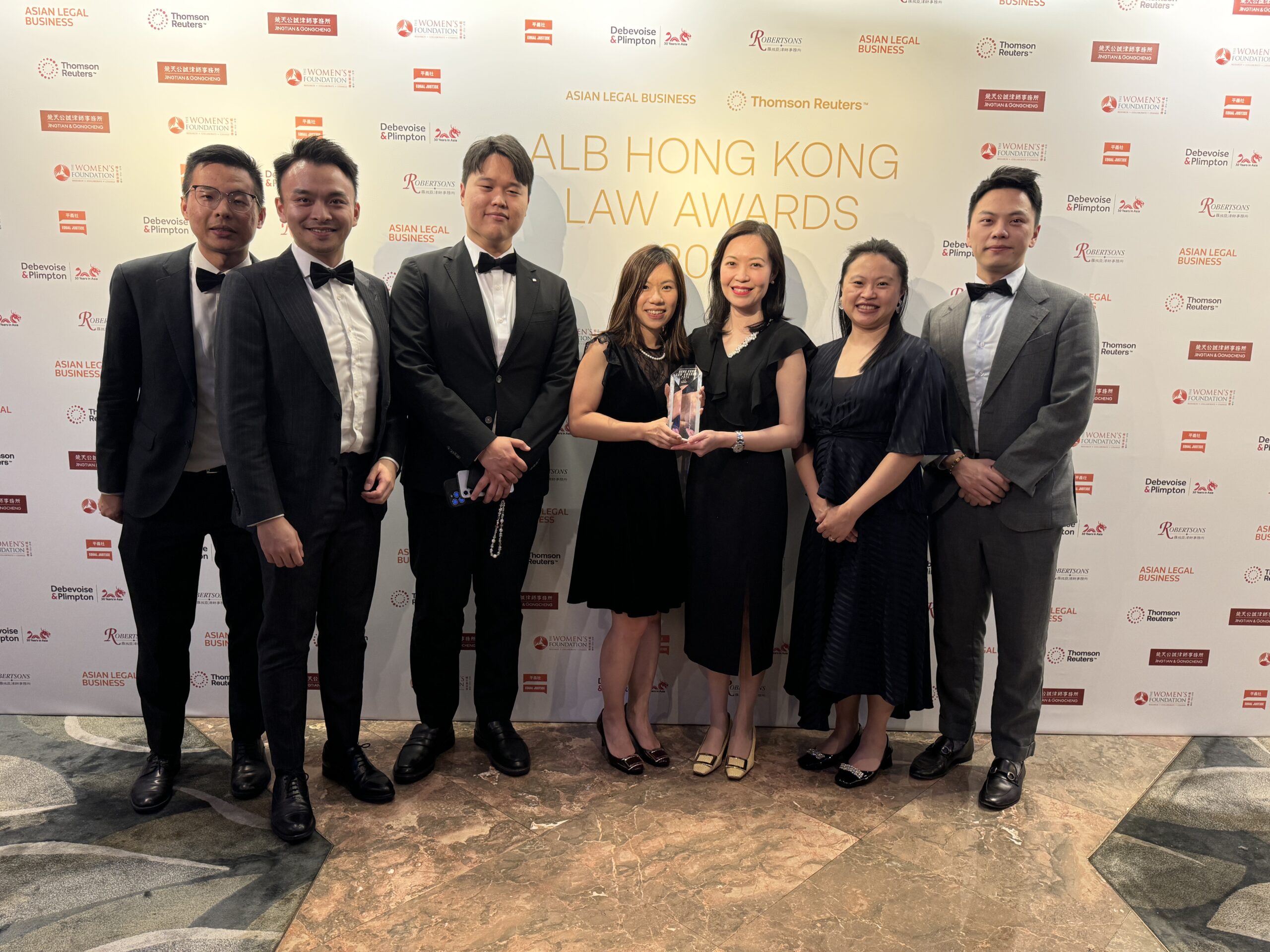
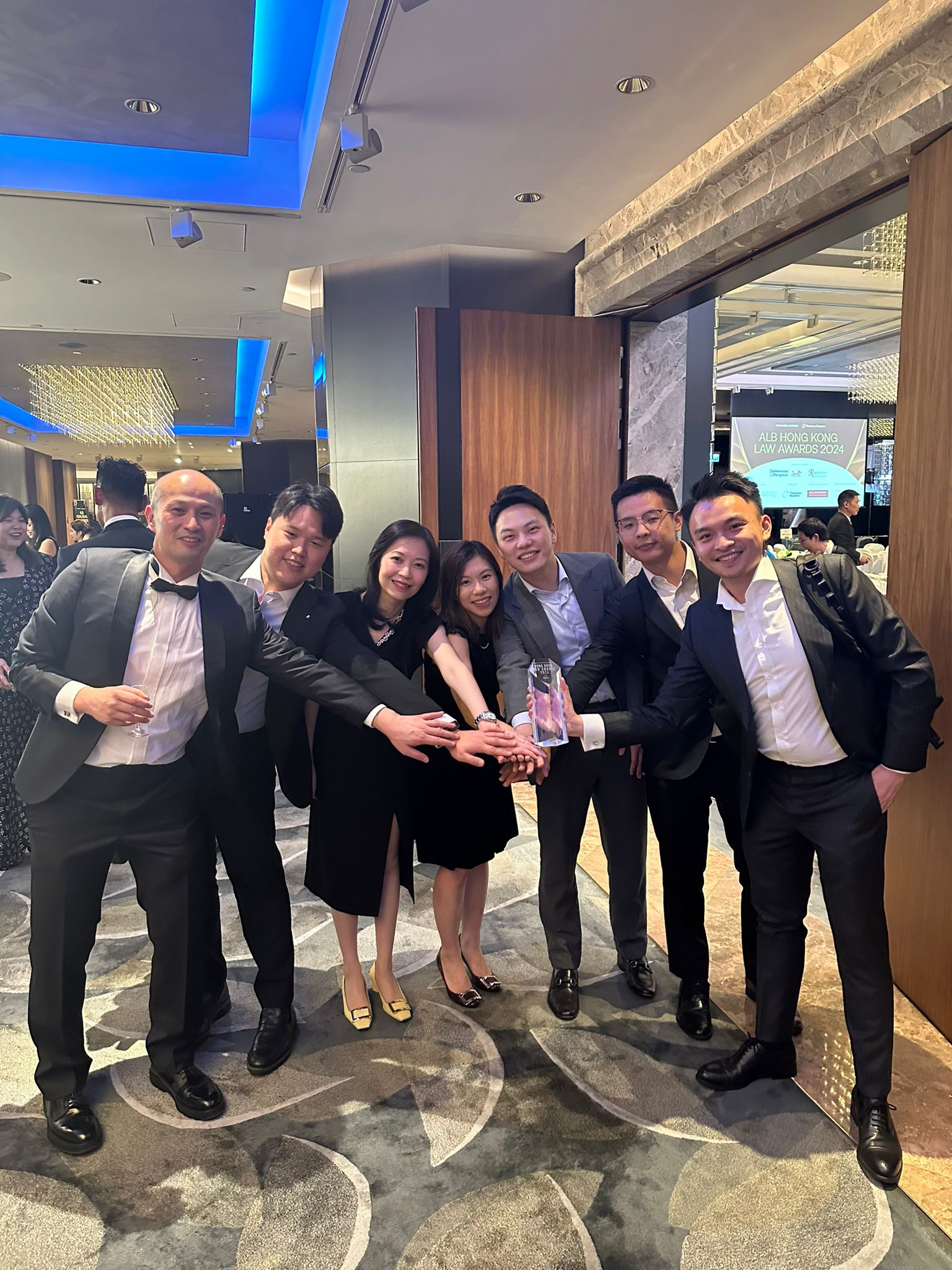
We are delighted to announce that Stevenson, Wong & Co. and partners have been shortlisted as finalists in 8 categories at the ALB Hong Kong Law Awards 2024. This recognition is a testament to the firm’s dedication to excellence and expertise across various practice areas.
The ALB HK Law Awards is an annual event that recognizes and celebrates the outstanding achievements of law firms, in-house legal teams, and individual lawyers in Hong Kong and the region. The winners will be announced at the awards ceremony on 13 September 2024 at the JW Marriott Hotel Hong Kong.
To view the complete list of finalists, please click here.
For more information, please contact our Partners Willy Cheng, Heidi Chui, or Gordon Tsang.
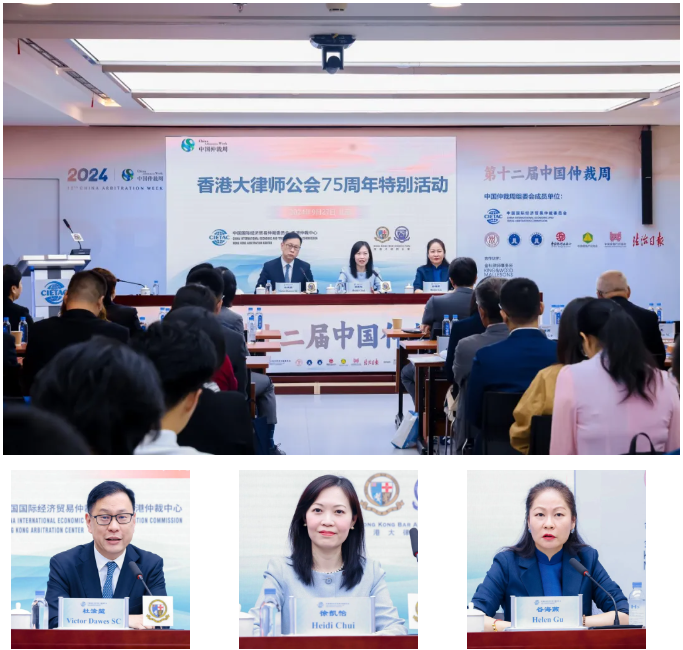
On 31 July 2024, our Partner and Head of the Litigation and Dispute Resolution Department, Heidi Chui, moderated a panel session at the “Asia Forum: 4th International Arbitration & Competition Law Summit – Hong Kong.”
Legal Plus organised the forum, which received significant support from various organisations, including the China Maritime Arbitration Commission, the Hong Kong Arbitration Centre (CMAC), the China International Economic and Trade Arbitration Commission Hong Kong Arbitration Center (CIETAC), and the Hong Kong International Arbitration Center (HKIAC).

From the left: Jon Nicklin, a Director at Accuracy Beijing; Jeremy Bartlett SC, a Barrister at Princes Chambers; James Kwan and our Partner Heidi Chui
…
Ms Chui moderated the panel titled “Shareholders, Stakeholders & Director Disputes with Hong Kong & Foreign Companies: Best Practices to Protect the Company”. The distinguished panel featured Jeremy Bartlett SC, a Barrister at Princes Chambers; James Kwan and Jon Nicklin, a Director at Accuracy Beijing.

During the session, the panel highlighted industry trends in shareholder and joint venture disputes, especially in renewable energy, new energy vehicles, batteries, and life sciences. The discussions emphasised the complexity of these disputes, often involving multiple layers of holding companies in offshore jurisdictions like the BVI and the Cayman Islands.
The panel also explored the challenges posed by the economic downturn in the People’s Republic of China, which has led to a rise in share redemption disputes as start-ups struggle to go public through IPOs. They stressed the necessity of precise mechanisms in shareholder agreements to address redemption prices and prevent prolonged disputes. Additionally, they highlighted the importance of clauses to manage deadlock situations and unfair prejudice as essential for mitigating potential conflicts.
Another significant topic covered was investor-state dispute settlement (ISDS) complexities in shareholder disputes. The panel discussed the contrasting approaches to reflective loss in national company law versus ISDS, raising concerns about the potential undermining of national legal principles by allowing such claims under many bilateral investment treaties.


For further inquiries, please contact Partner Heidi Chui.
Introduction
On 14 June 2024, the Stock Exchange of Hong Kong Limited (the “Exchange”) of the Hong Kong Exchanges and Clearing Limited published a consultation paper (the “Consultation Paper”) inviting public feedback on the proposed enhancements to the Corporate Governance Code (the “CG Code”) and related amendments to the Listing Rules by 16 August 2024. It is proposed that the amendments will apply to corporate governance reports (“CG Reports”) and annual reports for financial years commencing on or after 1 January 2025, with a 3-year transition period for specified proposals pertaining to independent non-executive directors (“INEDs”).
…
The main areas of focus in the Consultation Paper are: (i) board effectiveness, (ii) independence of INEDs, (iii) board and workforce diversity, (iv) risk management and internal controls, and (v) dividends.
Board Effectiveness
Enhancing board effectiveness is essential for strengthening corporate governance. This involves ensuring that the board composition reflects a well-balanced blend of skills, experience, and diverse perspectives, enabling it to function effectively in an ever-changing market environment.
| Proposals | Details | |
| Designation of a Lead INED | To better facilitate communication between investors and the board; among INEDs; and between INEDs and other directors, the Exchange propose to state that issuers should designate one INED as a Lead INED.
For issuers with an independent board chair (i.e. a board chair who is an independent director) – the board chair will fulfil the role of the Lead INED, unless the issuer designates another INED as the Lead INED. For issuers without an independent board chair (i.e. a board chair who is not an independent director, including board chairs who is also the chief executive) – designate one INED as the Lead INED. Where an issuer does not designate a Lead INED, it may provide reasons to explain, for example, the issuer already has in place alternative shareholder communication channels. Roles and responsibilities of a Lead INED: · is primarily responsible for strengthening communication between INEDs, the board, and shareholders, to enable shareholders to better understand the decisions made by INEDs; |
|
| Mandatory director training and disclosure | For all directors of issuers listed on the Exchange | Mandatory continuous professional training: All such directors must participate in mandatory continuous director training on specific topics. There is no specified minimum training hours or training format requirement.For directors appointed to fill a casual vacancy, the proposed training requirements will apply from the issuer’s full financial year following the appointment.Disclosure requirement: Issuers must confirm that directors have participated in the required training, and disclose the following:· the number of hours; · the topics of the training attended; · the format of the training (e.g. by physical attendance or remotely); and · the names of relevant training providers (if external). |
| For first-time directors (i.e. directors who are appointed as a director of an issuer listed on the Exchange for the first time, or have not served as a director of an issuer listed on the exchange for a period of 3 years or more prior to their appointment)
(with a 3-year transition period) |
Mandatory 24-hour training requirement: First-time directors must undergo a minimum of 24 hours of training, to be completed within the first 18 months of the date of appointment.If a first-time director leaves the issuer before completing the 24-hour training, the requirement resets for the subsequent appointment.Additional Disclosure requirement: Issuers must confirm that first-time directors have completed the minimum of 24 training hours within 18 months following their appointment. |
|
| Board performance review and disclosure | A board performance review must be conducted at least once every 2 years, with specific disclosures in the CG Report, on a “comply and explain” basis.
Format: Issuers has discretion to determine the format of the review, including whether it is conducted internally or through external providers. Content: The review should focus on the board’s performance as a whole, rather than assessing each director individually. |
|
| Board skills matrix and disclosure | Issuers must maintain a board skills matrix in the CG Report, with enhanced disclosures on the following information:
(i) the existing skills mix of their boards; |
|
| Overboarding INED and directors’ time commitment
(with a 3-year transition period) |
A hard cap will be imposed on INEDs such that INEDs can only take up a maximum of six Hong Kong-listed issuer directorships.
The nomination committee must annually assess and disclose each director’s time commitment and contribution to the board, taking into account their listed issuer directorships and other significant external time commitments. |
|
Independence of INEDs
The proposed amendments aim to promote periodic board refreshment and strengthen independent voices on issuers’ board. This is intended to bring in fresh perspectives and maintain the objectivity of INEDs.
| Proposals | Details |
| Cap on Long Serving INED (“INED who has served for more than nine years on the board of a listed issuer”)
|
It is proposed to impose a hard cap of nine years on the tenure of INEDs. |
| Two-year cooling off period | An INED will be allowed to serve as an INED of the same issuer again after a 2-year cooling off period. During this cooling-off period, such individual must not serve as a director of the issuer, its holding company, any of their subsidiaries, or any core connected persons of the issuer. |
| Three-year transition period | The proposed rule will apply from 1 January 2028 onwards. A three-year transition period is proposed for the implementation of this regulation to ensure board continuity and provide sufficient time for affected issuers to conduct proper succession planning and adjust their board composition. |
Board and Workforce Diversity
In order to facilitate unique perspectives, robust discussions and resilient decision-making, the Exchange focuses on improving diversity and inclusion in the boardroom as well as all levels of the company.
| Proposals | Details |
| Nomination Committee Composition
|
The nomination committee must comprise directors of different genders. |
| Diversity Policies | Issuers are required to establish and disclose a diversity policy for their workforce (including senior management).
Issuers are required to make separate disclosure of the gender ratio of senior management and the workforce (excluding senior management). |
| Arrangements during temporary deviations from board gender composition requirements | if an issuer fails at any time to have directors of different genders on the board (e.g. where the only female director resigns), it would be required to immediately publish an announcement containing the relevant details and reasons. |
Risk Management and Internal Controls
The proposed amendments aim to improve market quality and corporate governance through continuous monitoring, periodic reviews and reporting on risk management and internal controls (“RMIC”).
| Proposals | Details |
| Annual review of RMIC systems | The requirement to conduct (at least) an annual review of RMIC systems of the issuer and its subsidiaries will be upgraded to a mandatory requirement. It will be the responsibility of the board to ensure that the necessary reviews are conducted, and for management to confirm to the board the effectiveness of these systems. |
| Detailed disclosures | The board is required to make detailed disclosures on the following:
(a) the RMIC systems in place (including any significant changes made to the RMIC Systems); (b) the process through which the review of the RMIC Systems was conducted; (c) a confirmation from the board on the appropriateness and effectiveness of the RMIC Systems, as well as information supporting the board’s conclusion (including confirmations received (as applicable) from management, the relevant board committee(s) with responsibility for the issuer’s RMIC Systems, any other internal departments, the issuer’s independent auditors and/or other external providers); and (d) details of any significant control failings or weaknesses identified during the review and/or previously reported but unresolved, and any remedial steps taken or proposed. |
Dividends
The Exchange proposes imposing an enhanced disclosure requirement in the CG Report on an issuer’s dividend policy (or an explanation as to the reasons for not having such policy) and its board’s dividend decisions, in order to promote transparency and facilitate shareholders and investors in making informed investment decisions.
| Proposals | Details |
| For issuers with a dividend policy | It is required to (i) disclose the aim/objective of the policy and the key considerations in deciding whether to declare, recommend or pay any dividend; and (ii) confirm board adherence to the dividend policy (or otherwise, explanation for any deviations). |
| For issuers without a dividend policy
|
A statement of the absence of a dividend policy and the reasons. |
| In relation to the board’s dividend decisions | Disclosure is required of (i) an explanation for any material variations in dividend rates during the reporting period as compared to the previous corresponding period; and (ii) the reasons for non-declaration of dividend and the planned measures to enhance investors’ return (if any). |
Analysis and takeaways
The Consultation Paper reflects the Exchange’s dedication to fortifying corporate governance practices across multiple key areas. The focus on board effectiveness, INED independence, and diversity indicates a strong commitment to enhancing governance structures. Furthermore, the proposals on the review of RMIC systems and the enhanced disclosures in relation to RMIC and dividend policies signal a move towards greater transparency in these vital areas, underscoring the importance of investor and shareholder protection and market quality.
Overall, these proposed amendments demonstrate a proactive approach to promoting robust corporate governance practices that prioritize transparency, accountability, diversity, and sustainability in Hong Kong’s listed companies.
Please contact our Partner Mr. Rodney Teoh for any enquiries or further information.
This news update is for information purposes only. Its content does not constitute legal advice and should not be treated as such. Stevenson, Wong & Co. will not be liable to you in respect of any special, indirect or consequential loss or damage arising from or in connection with any decision made, action or inaction taken in reliance on the information set out herein.