Litigation Law Updates
Find out all about our firm’s latest Litigation Law Updates below. To learn more about any individual item, please contact us here.
Litigation Law Updates
Find out all about our firm’s latest Litigation Law Updates below. To learn more about any individual item, please contact us here.
…
The Court of First Instance of the Hong Kong Special Administrative Region recently delivered a judgment in TE v LSY [2024] HKCFI 3652 that sheds light on the complexities surrounding child abduction and custody under the Child Abduction and Custody Ordinance (Cap. 512) (“CACO”) and the Hague Convention on the Civil Aspects of International Child Abduction, 1980 (“the Convention”). Delivered on 23 December 2024, this ruling examines the issue of consent as a ground of objection to the return of the child following the child’s abduction and/or retention.
Mr. Calvin Lo, our partner at Stevenson, Wong & Co, represented the Plaintiff father (“the Father”) in these proceedings.
Case Summary
The proceedings involved a child, GT (“the Child”), who was born in wedlock. The Defendant mother (“the Mother”) took the Child from Italy to Hong Kong in the summer of 2024. It was undisputed that Italy was the habitual residence of the Child and that both parties had custody of the Child in Italy. The only issue was whether there was consent and/or acquiescence.
The Mother contended that the parties reached an agreement during a conversation in June 2024, that she would permanently relocate with the Child to Hong Kong. The Father argued that he only consented to the Mother taking the Child on a summer trip, thus the Mother was wrongfully retaining the Child in Hong Kong when she refused to bring the Child back to Italy.
Legal Principles
The jurisdiction of the Hong Kong Court in child abduction cases is primarily governed by the CACO and the Convention. The key issue in this case was whether the Father had consented to the Child’s relocation or had acquiesced to the Mother’s actions following the removal.
Consent to the removal of the child must be established on the balance of probabilities by clear and cogent evidence: EW v LP [2013] HKCFI 1405; HCMP1605/2011 at para 37. The burden of proving consent rests on the person who asserts it. The inquiry is inevitably fact-specific, and the facts and circumstances vary from case to case. The ultimate question, although influenced by numerous facts, remains straightforward: Had the other parent clearly and unequivocally consented to the removal: Re P-J (Children) [2009] EWCA Civ 588 at para 48.
Key Issues Addressed
Court’s Decision
The Court ultimately ruled in favour of the Father and found that the evidence was insufficient to establish consent, which must be clear and unequivocal. The judgment detailed the following findings:
Given the findings, the Court ordered that the Child be returned to Italy at the earliest opportunity, reinforcing the primary objective of the Convention, which is to secure the prompt return of the children, who had been wrongfully removed, to their place of habitual residence.
Conclusion
This case illustrates how the Convention is applied in the Court in Hong Kong and the importance of clear and unequivocal consent in disputes over child relocation and abduction. As cross-border and international marriages and family arrangements become more common, the legal community must remain vigilant about the implications of parental consent in child abduction cases. This judgment also serves as a reminder of the legal principles behind the Convention, and in particular, the need for comprehensive evidence to substantiate claims of consent or acquiescence in abduction cases.
Please contact our Partners Wendy Lam or Calvin Lo for any enquiries or further information.
This news update is for information purposes only. Its content does not constitute legal advice and should not be treated as such. Stevenson, Wong & Co. will not be liable to you in respect of any special, indirect or consequential loss or damage arising from or in connection with any decision made, action or inaction taken in reliance on the information set out herein.
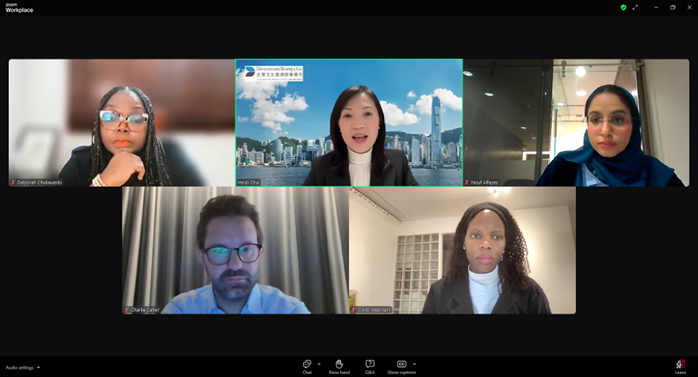
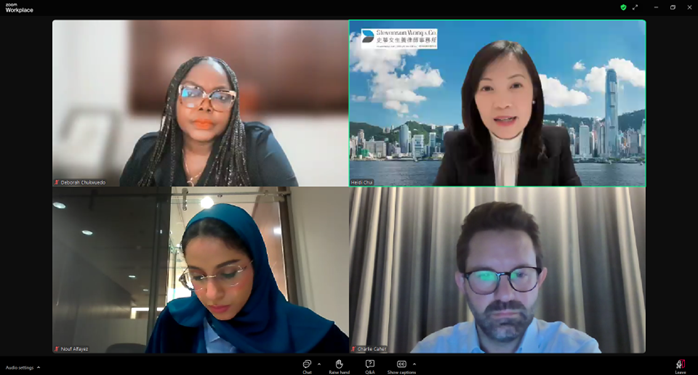
(中文) 2025年1月22日,本所合伙人、诉讼及争议解决部主管徐凯怡律师受邀为英国皇家特许仲裁员协会 (Chartered Institute of Arbitrators,简称 “CIArb”) 伦敦分会举办的网络研讨会担任主讲嘉宾。
…
此次网络研讨会的主题为“探索如何改善仲裁环境以满足商业需求”。徐律师与来自世界各地的嘉宾深入探讨了仲裁作为满足企业不断变化需求的有效争议解决机制,以及争议解决的可持续发展等热点议题。徐律师结合实际案例,为与会者提供了宝贵的经验和见解。
研讨会在热烈的氛围中圆满结束,参会者对讨论内容积极提问,并给予了高度评价。此次研讨会不仅提供了前瞻性和实用性的建议,还为未来仲裁如何更好地服务于商业需求的探索之路提供了重要启示。


如阁下有任何查询或想了解更多详情,请联络本所合伙人徐凯怡律师。
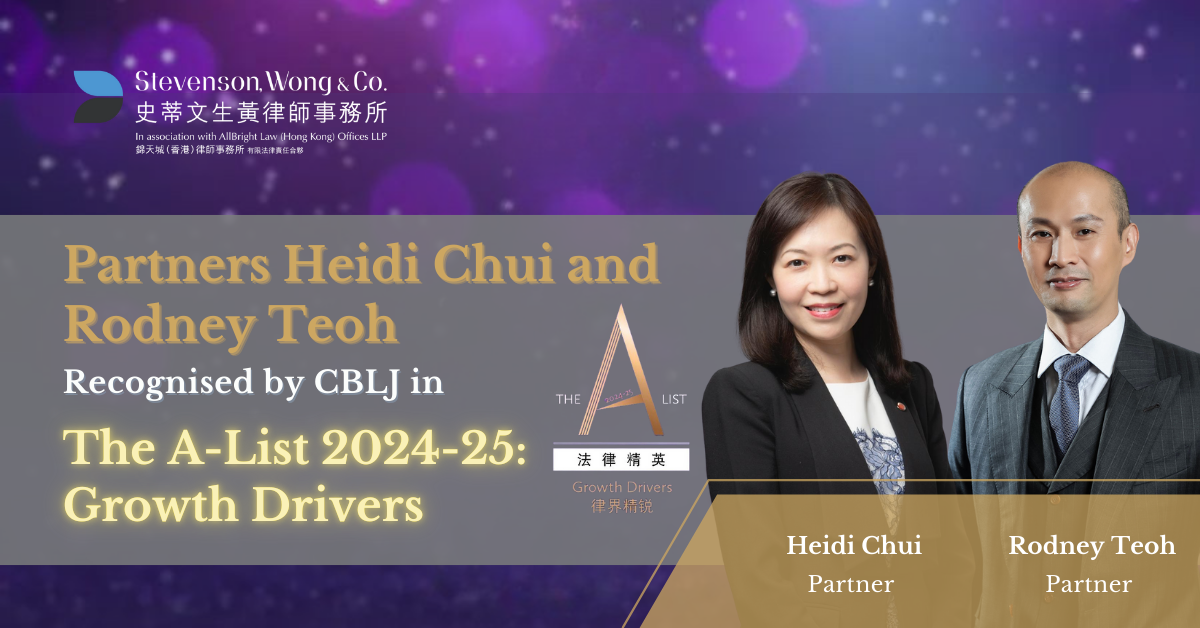
We are delighted to announce that our Partner and Head of Banking and Finance, Litigation and Dispute Resolution, Heidi Chui, alongside our Partner and Deputy Head of Corporate Finance and Co-head of the FinTech Group, Rodney Teoh, have been recognized as Growth Drivers in The A-List 2024-25 by China Business Law Journal.
…
The A-List highlights the most highly recommended private practice lawyers across various fields within China’s legal market. Following months of rigorous market research, China Business Law Journal has identified the key players and business leaders who are instrumental in driving growth within law firms. These distinguished lawyers are recognized for their extensive practical experience, exceptional legal expertise, and their active engagement at the forefront of the industry, all while maintaining an outstanding reputation and remarkable revenue-generating capabilities.
We would like to take this opportunity to thank CBLJ for the recognition and express our gratitude to our clients for their continued trust and support.


For more information, please contact our Partners Heidi Chui and Rodney Teoh, or click here to see the rankings on The CBLJ.
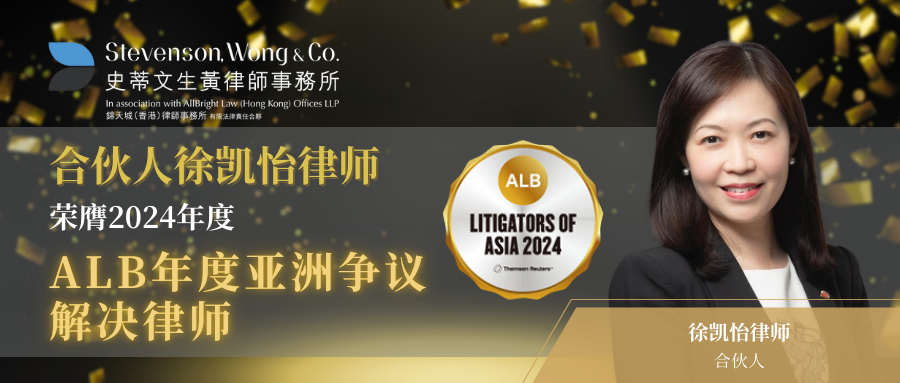
(中文) 国际权威法律媒体《亚洲法律杂志》(Asian Legal Business, ALB)近日正式公布了“2024 ALB年度亚洲争议解决律师”(ALB Litigators of Asia 2024)榜单。本所合伙人、诉讼及争议解决部主管徐凯怡律师,凭借其卓越的专业实力、丰富的实务经验,以及在客户和业界中的良好口碑,荣登此榜单。
…
“2024 ALB年度亚洲争议解决律师”评选,旨在对在争议解决领域表现出色的法律专家予以表彰。他们凭借深厚的法律知识和敏锐的洞察能力,帮助企业和个人化解复杂的法律问题,在市场经济发展、个人和机构权益保护以及法治推进进程中,发挥着至关重要的作用。
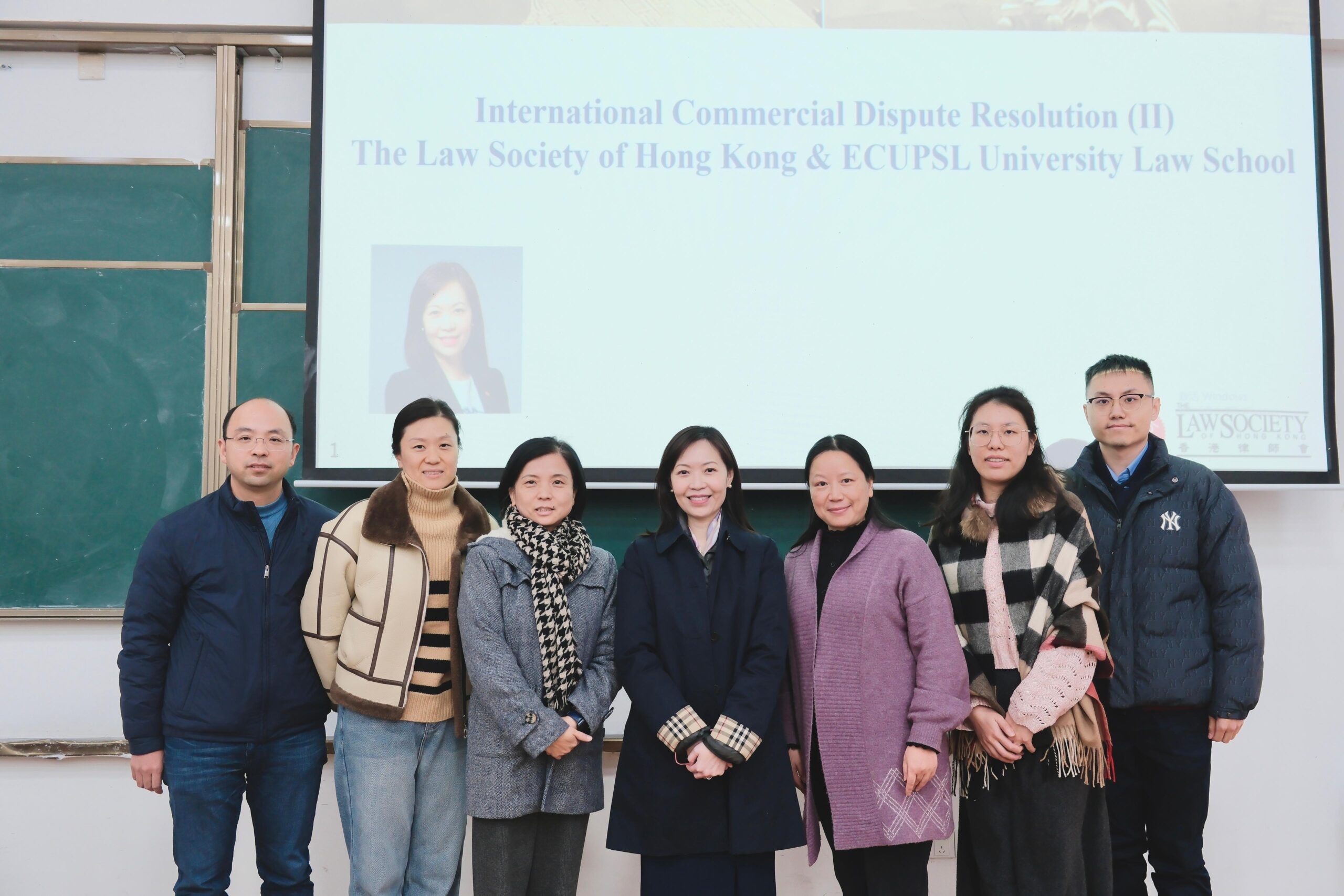
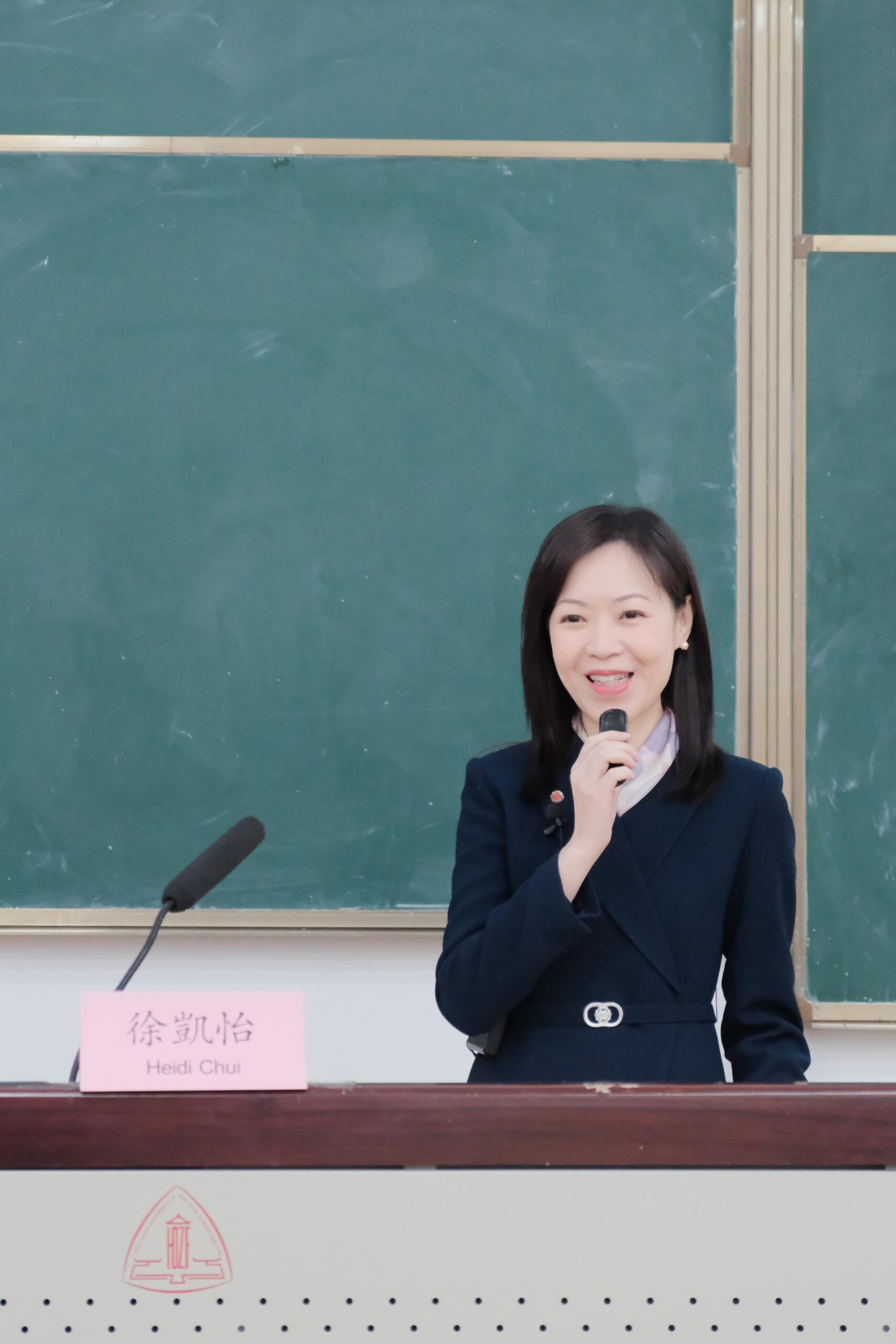
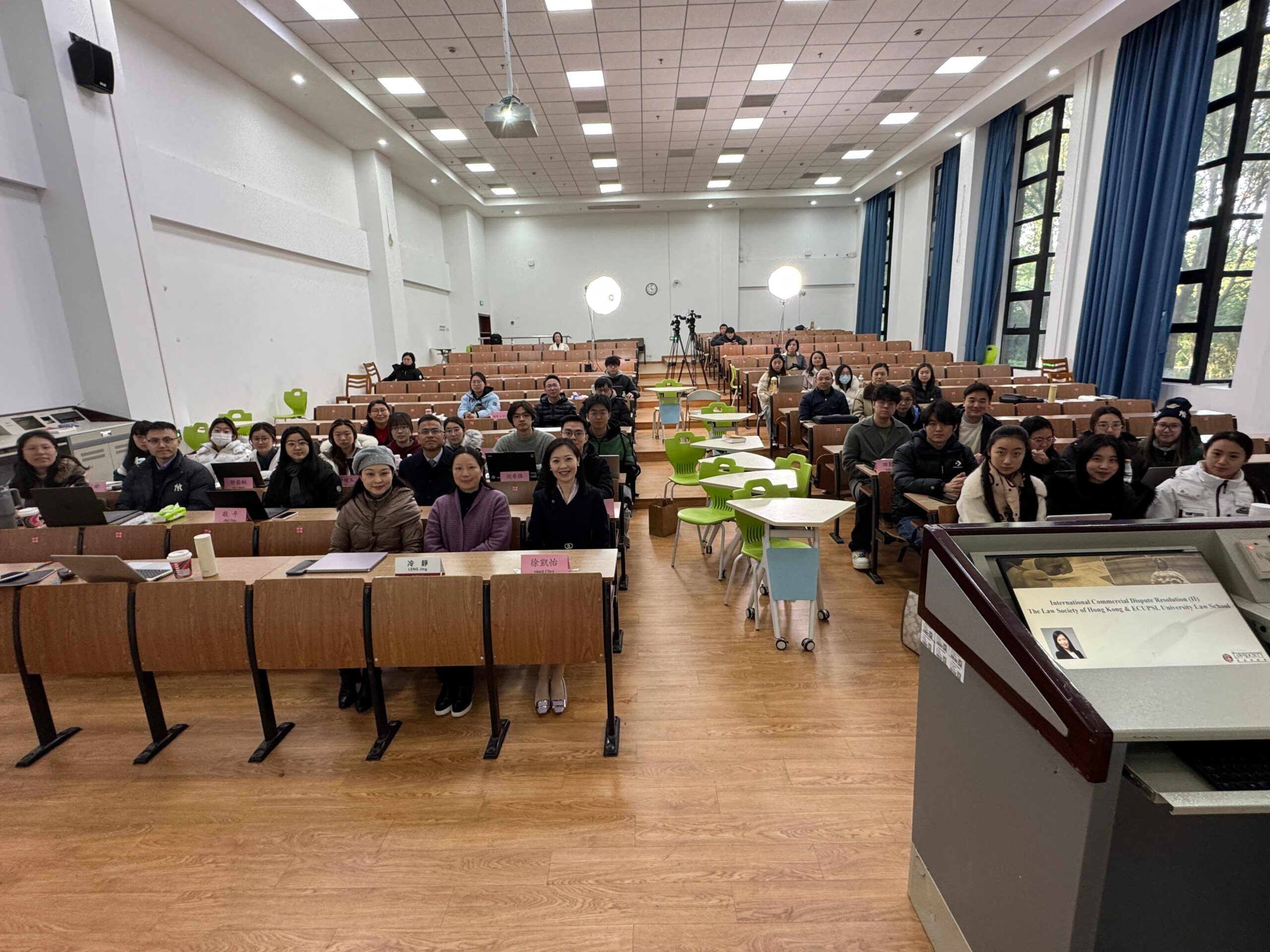
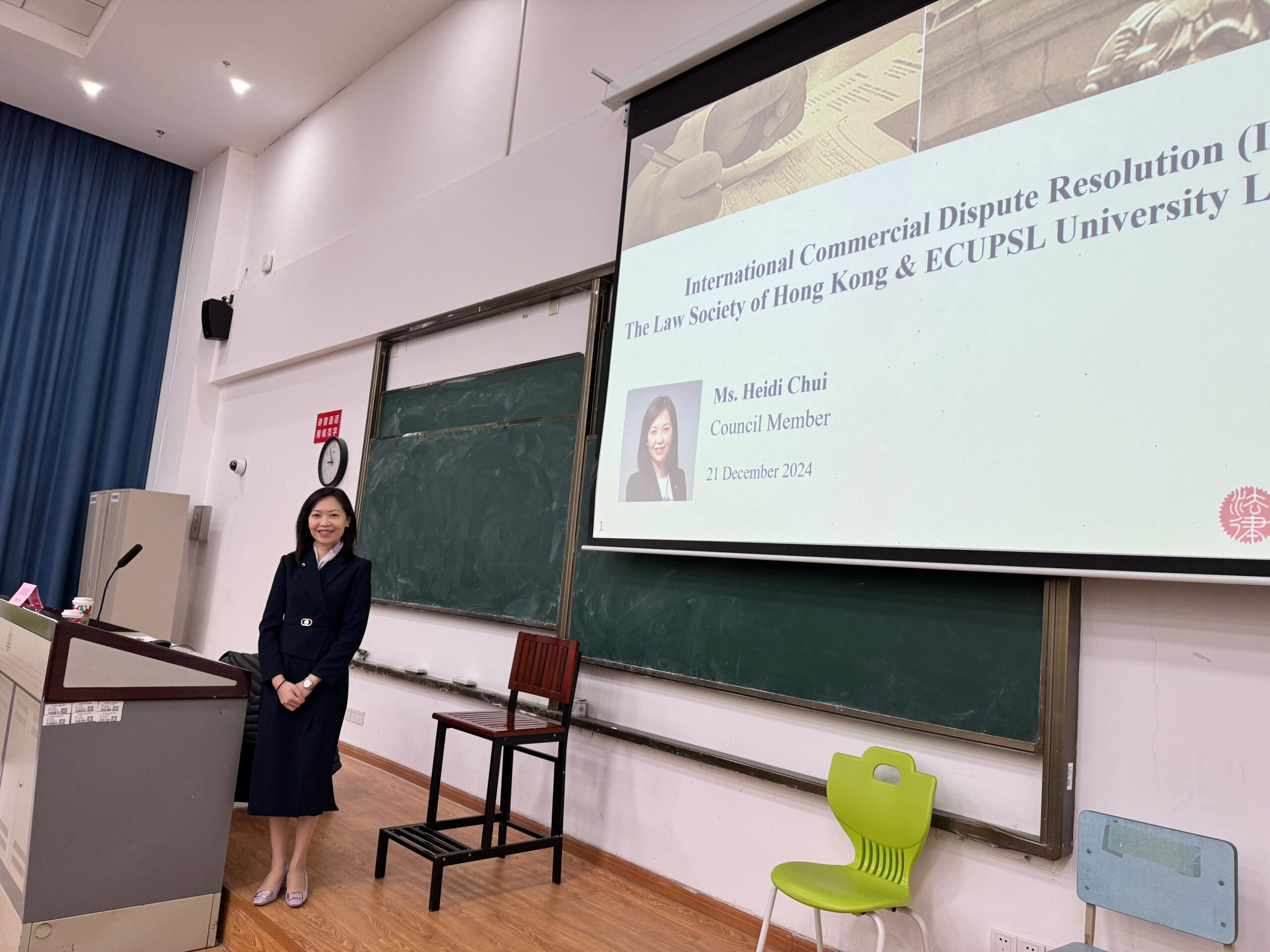
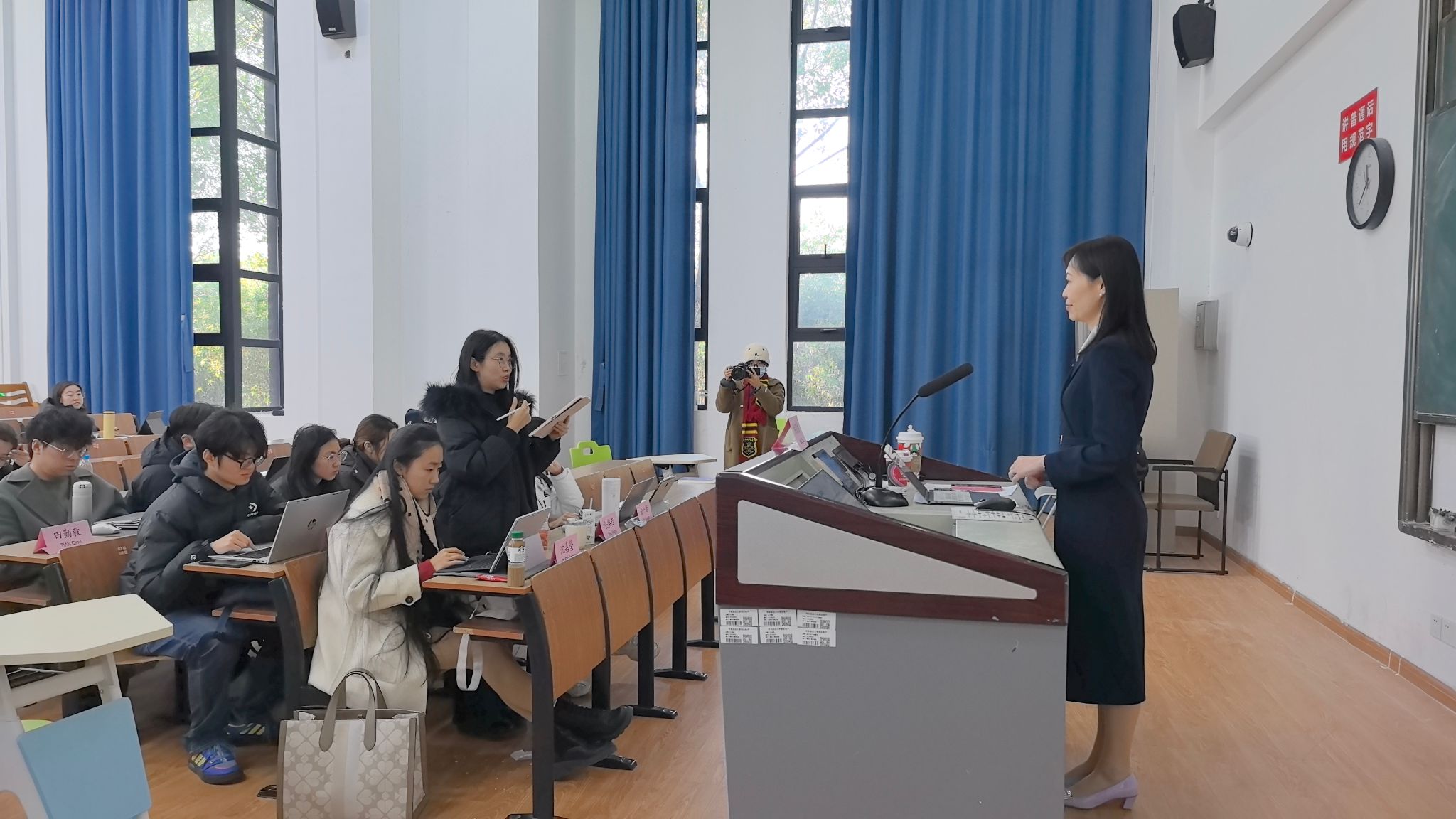
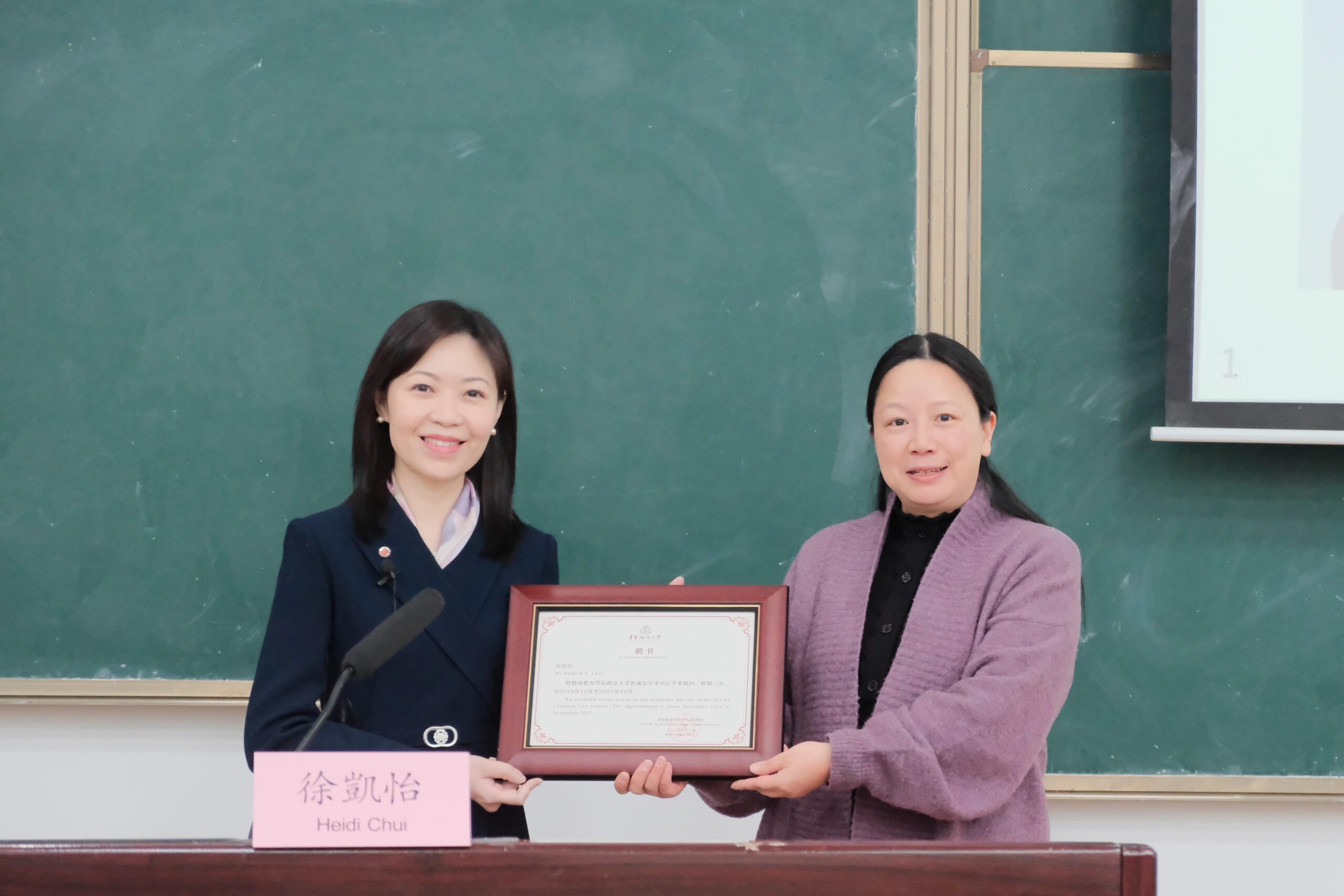
(中文) 2024年12月21日,本所合伙人、诉讼及争议解决部门主管及香港律师会理事徐凯怡律师,为香港律师会与上海华东政法大学联合开设的“国际商事争议解决与仲裁”法律课程担任客席教师。此外,徐律师亦获华东政法大学涉外法治学院聘任为普通法学术中心的学术顾问。
…
为培养具备国际法律专业知识和普通法视野的人才,香港律师会与大中华地区的顶尖大学展开合作开设法律课程。该课程以英语授课,并授予学分。徐律师围绕“国际商事争议解决”为主题,通过多个案例分析,向学生传授执行和撤销仲裁裁决、风险管理、专业行为与诚信、跨境及知识产权纠纷等多个重要课题。


如阁下有任何查询或想了解更多详情,请联络本所徐凯怡律师。
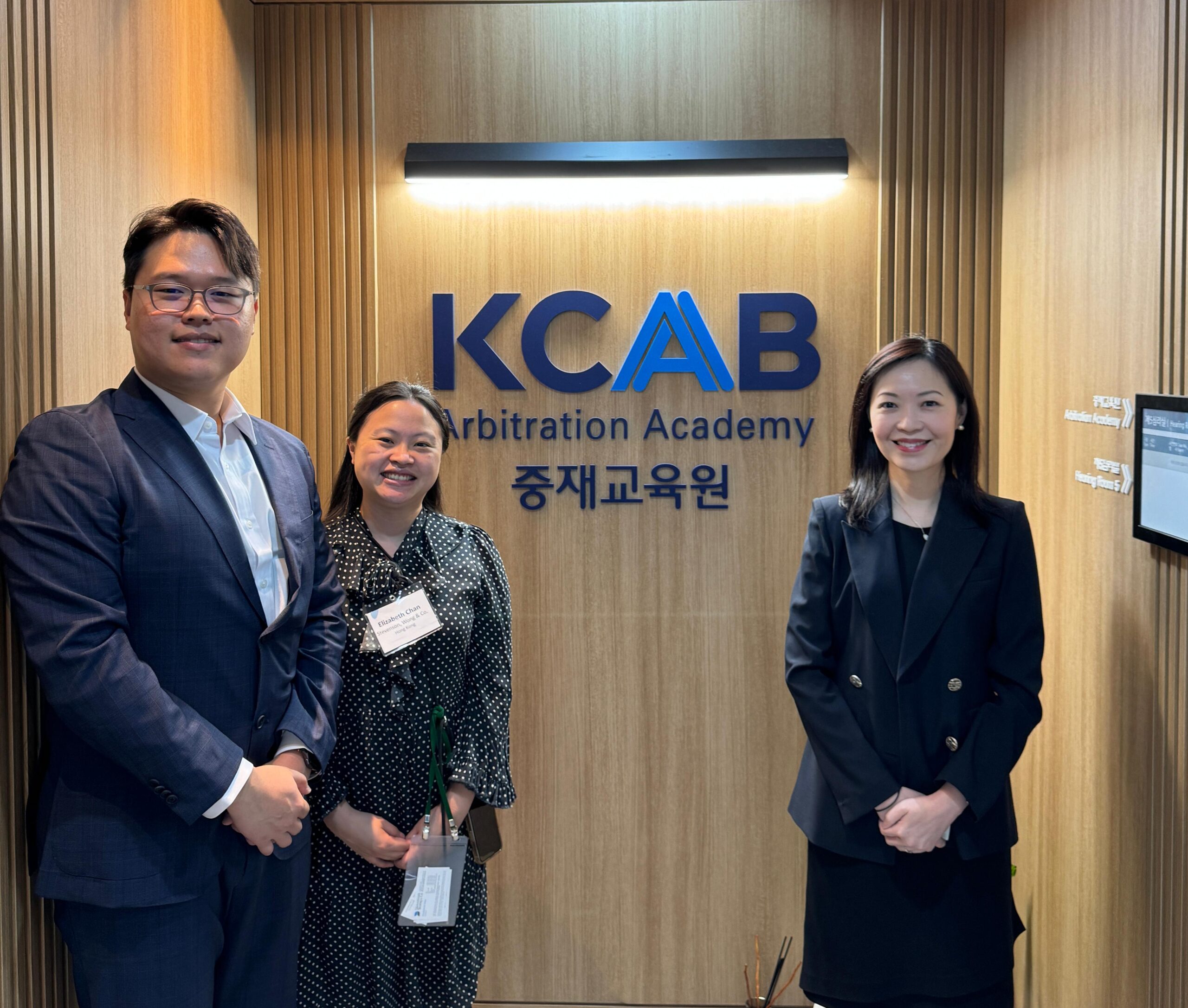
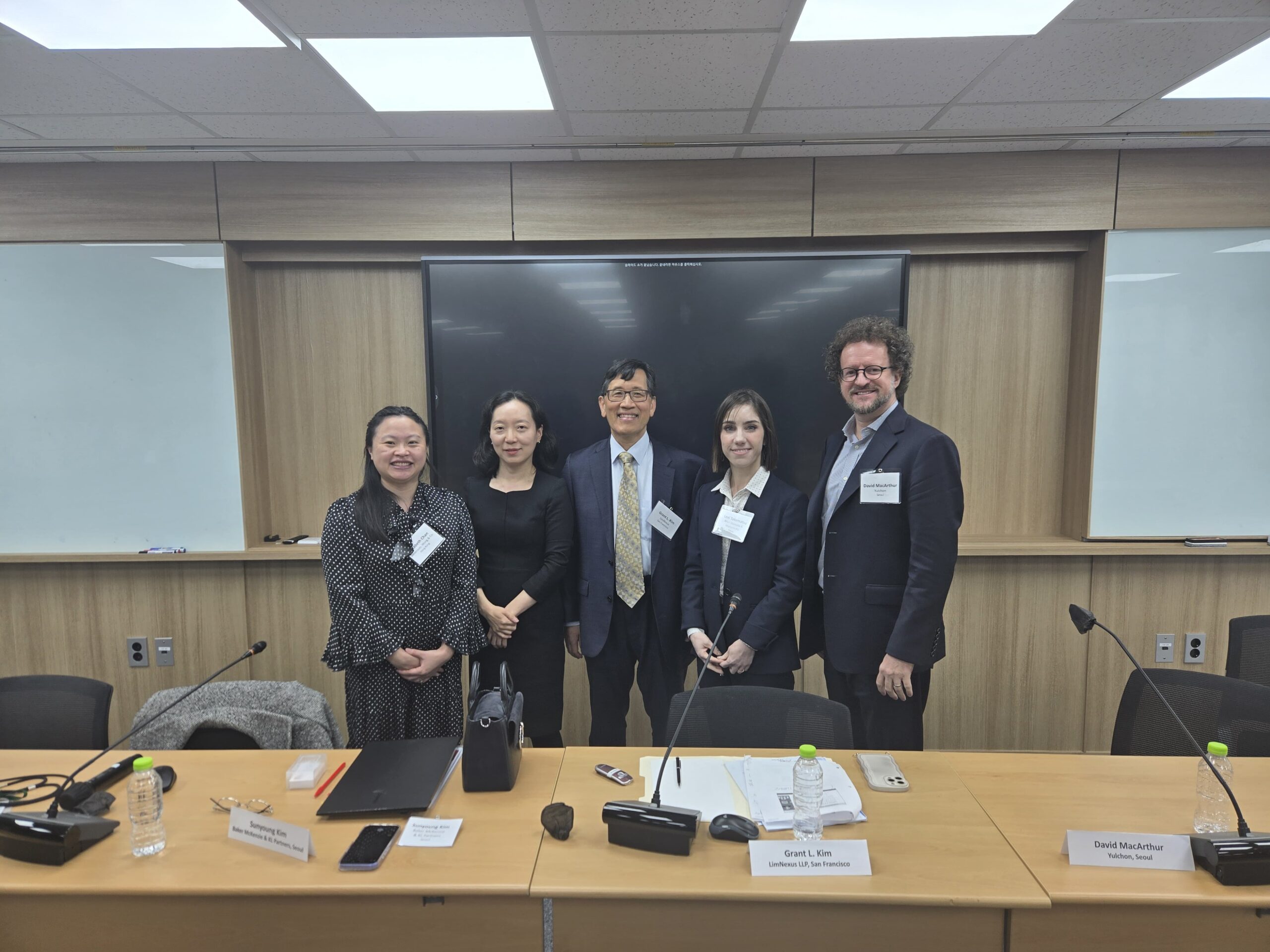
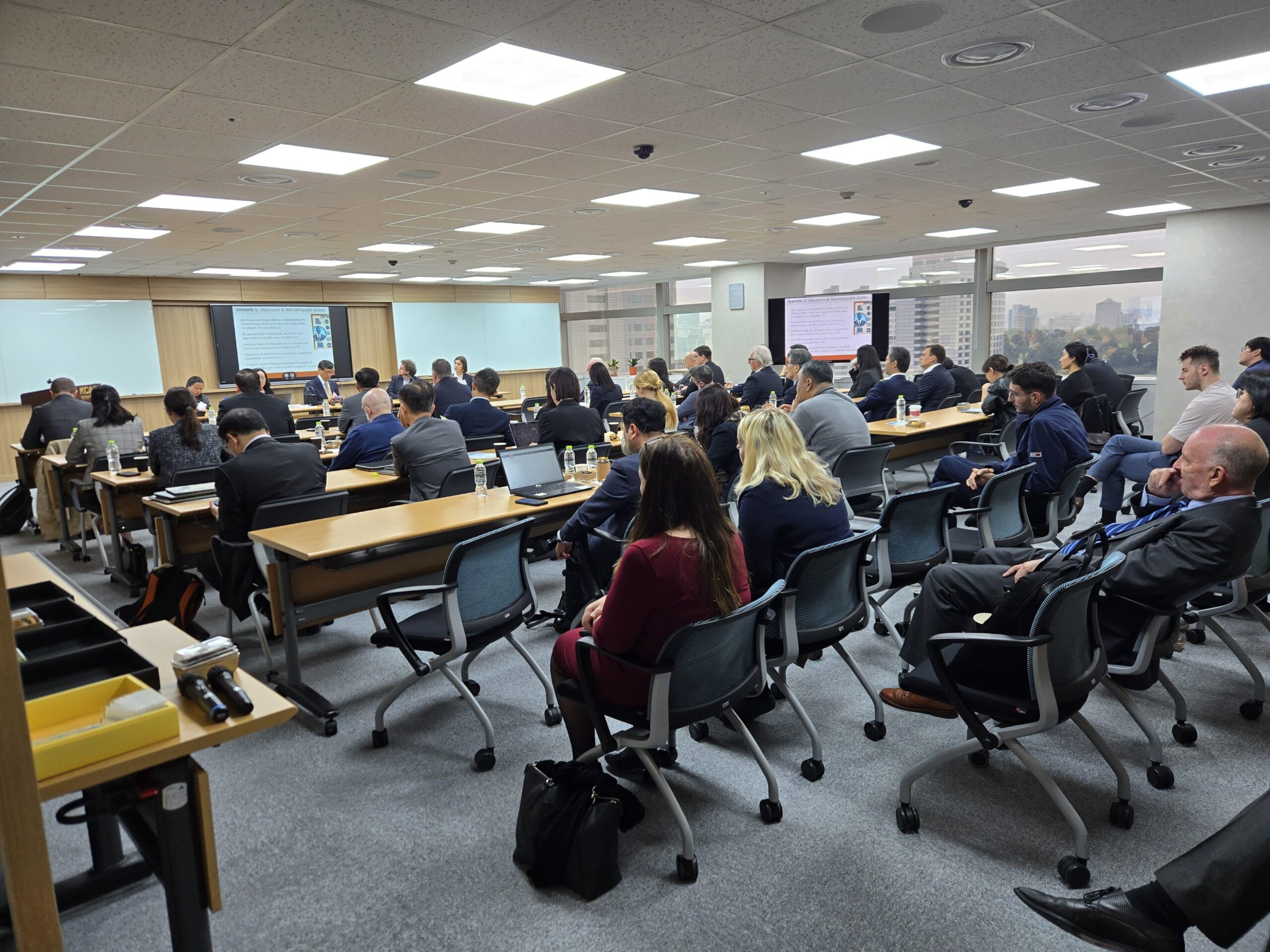
On 1 November 2024, Stevenson, Wong & Co. made its inaugural appearance at the 2024 Seoul ADR Festival in Korea by co-hosting a significant panel session titled “Navigating the Use of Artificial Intelligence in Arbitration: Practical Scenarios, Ethical Issues, and Best Practices”.
This panel was organised in collaboration with the Silicon Valley Arbitration and Mediation Center (SVAMC), LimNexus LLP, and California Arbitration (CalArb).
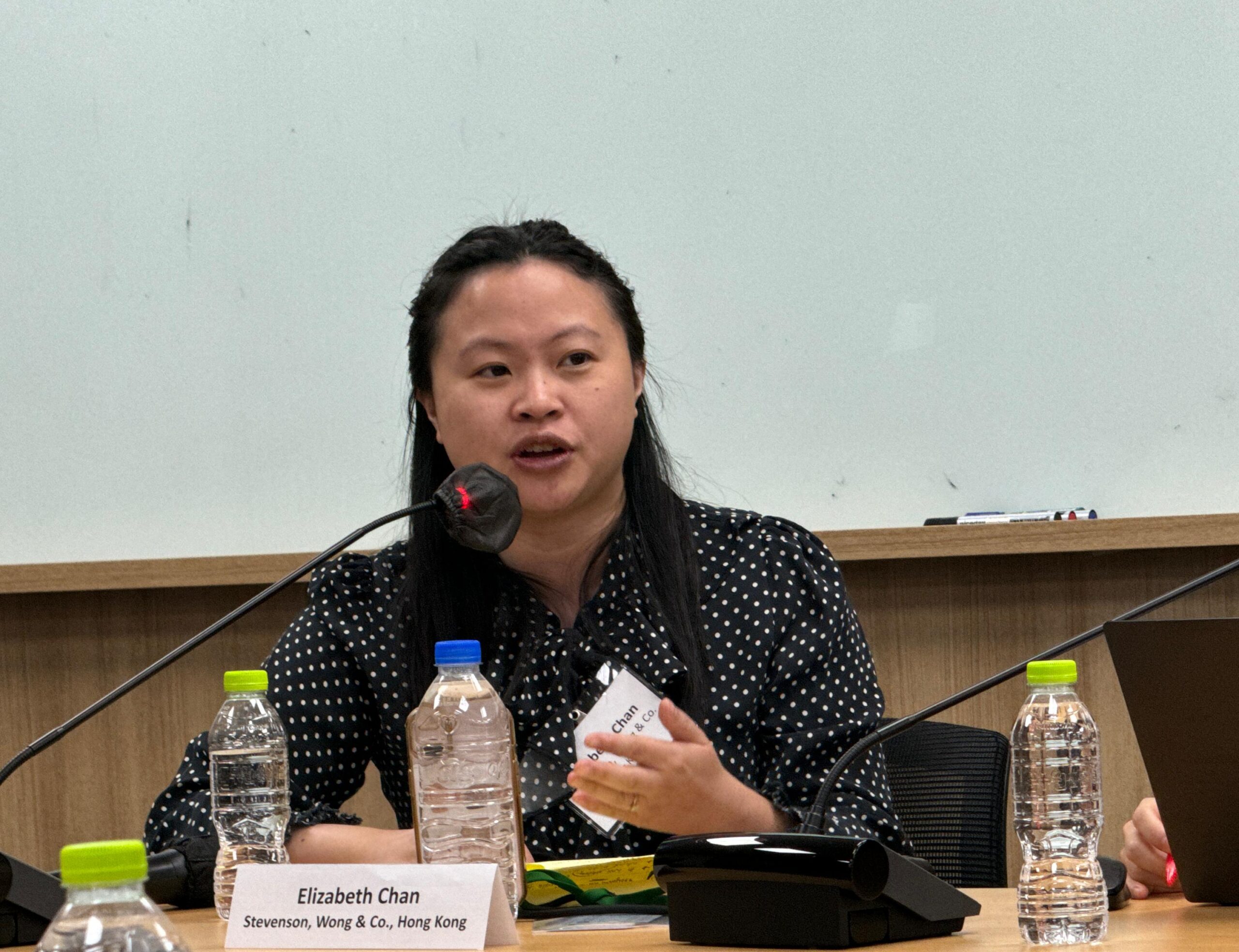
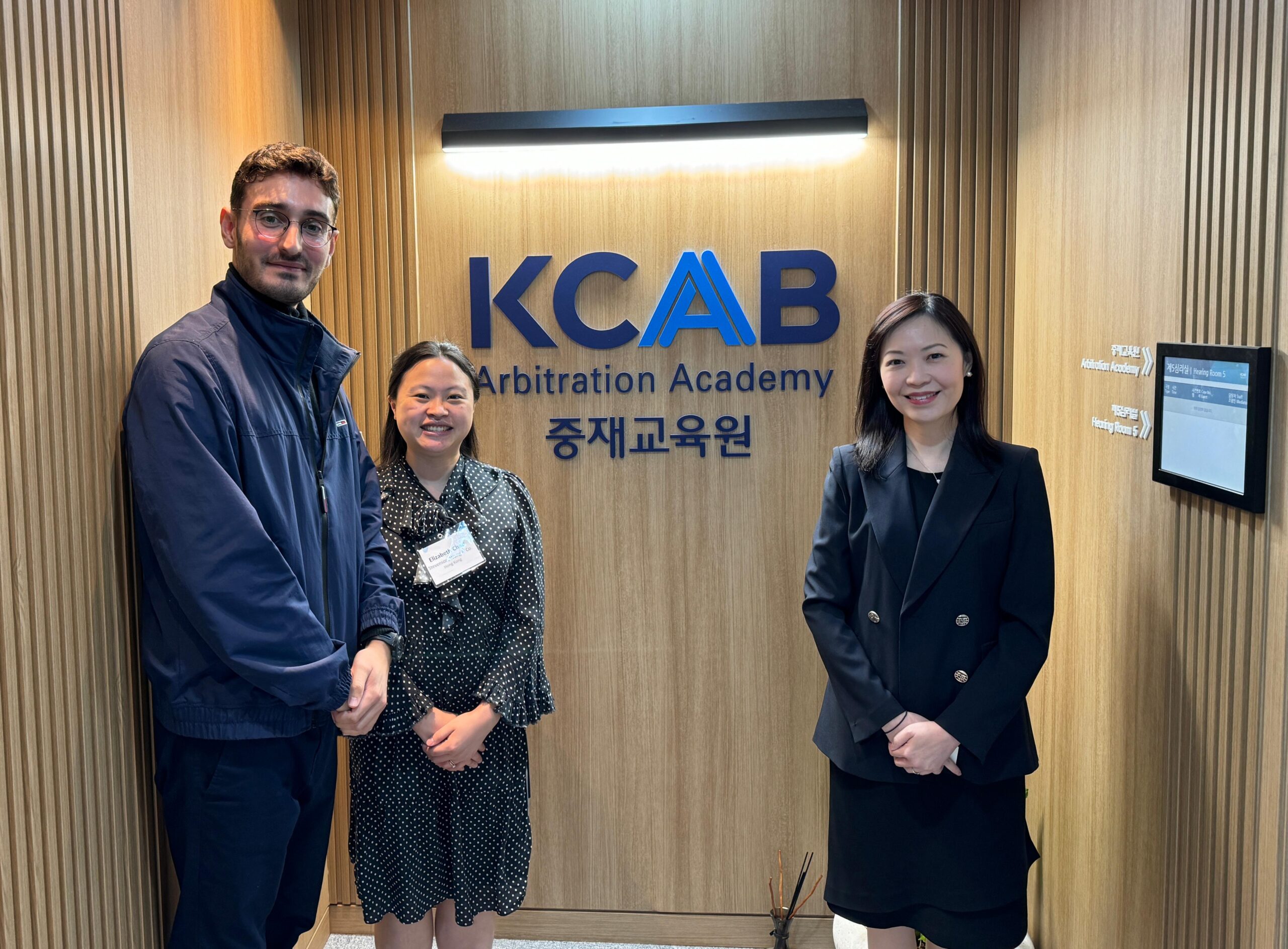
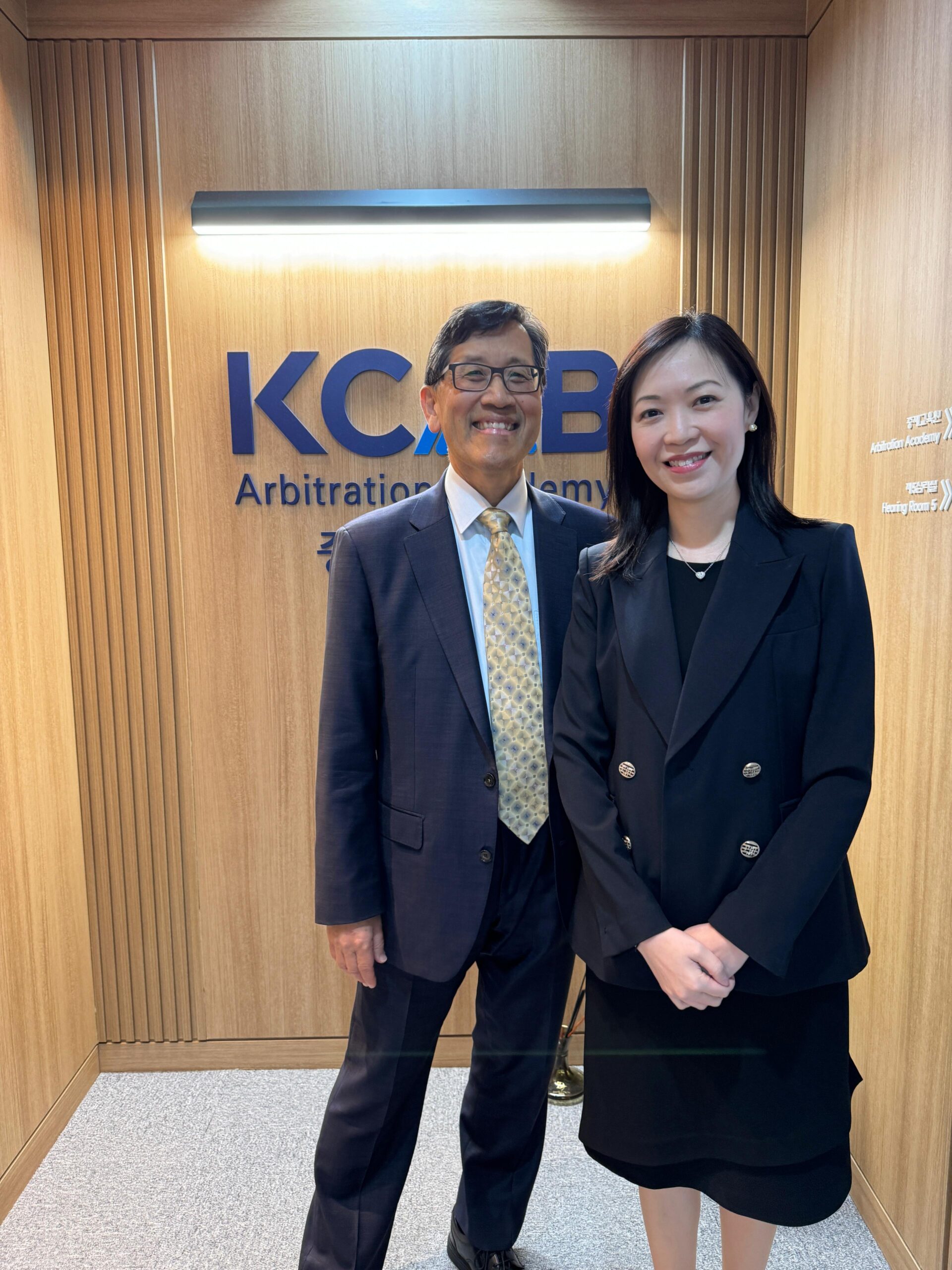
Our firm’s Partner and Head of the Litigation and Dispute Resolution Department, Heidi Chui, Consultant Elizabeth Chan and Associate Justin Kim participated in the event.
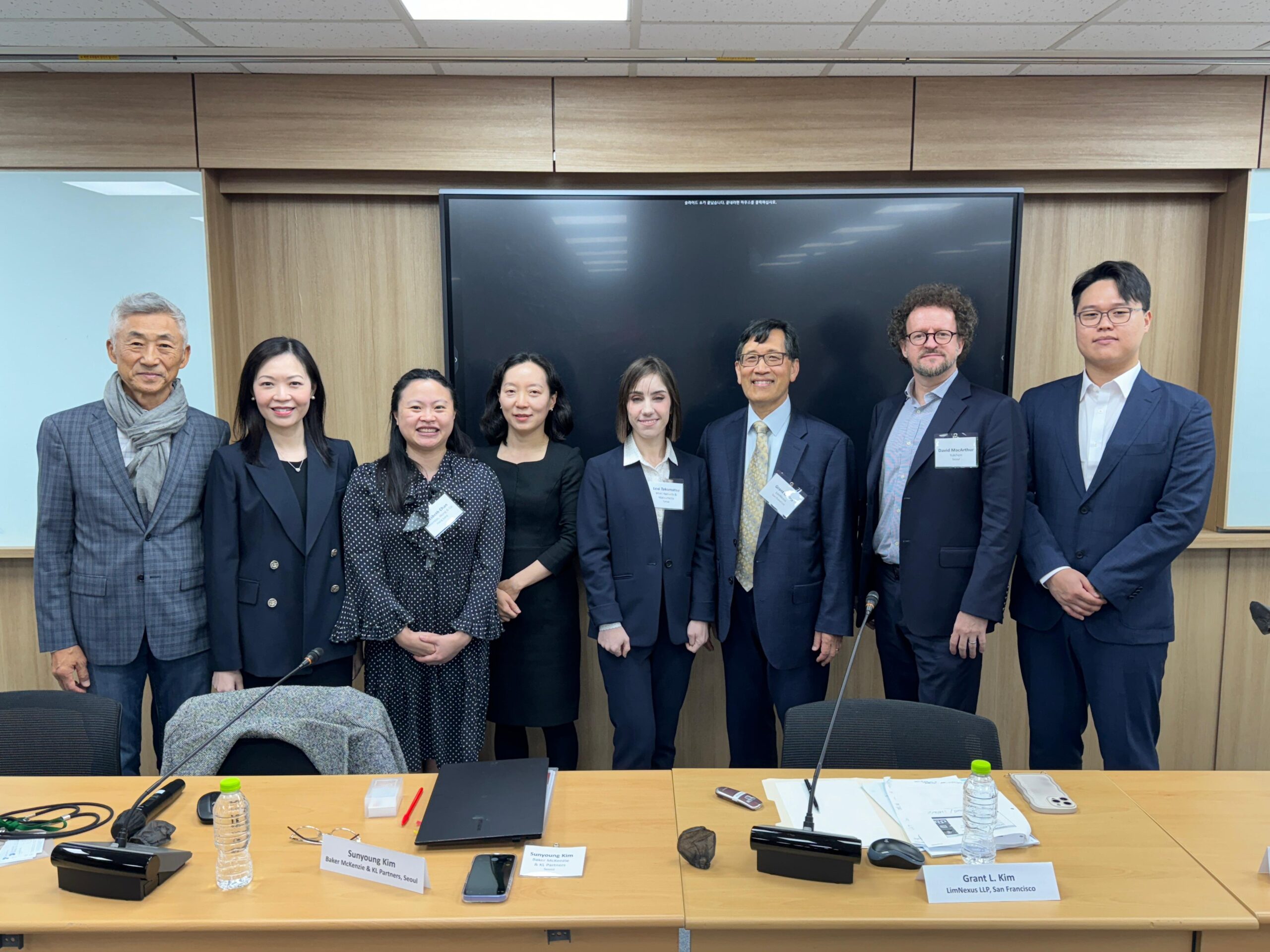
From the left: John Lim, our firm’s Partner Heidi Chui, Consultant Elizabeth Chan, Panel Speakers Sun-young Kim, Lexi Takamatsu, Grant L. Kim, David MacArthur, and our firm’s Associate Justin Kim
…
Panellists and Discussion Highlights
The session featured panellists from firms across Asia and North America, including Elizabeth Chan of Stevenson, Wong & Co., Grant Kim of LimNexus LLP, Sunyoung Kim of Baker McKenzie, David McArthur of Yulchon, and Lexi Takamatsu of Mori Hamada & Matsumoto.
They engaged the audience on some of the most pressing issues involving AI-assisted work product in arbitration, examining AI’s potential to assist in the arbitration process while highlighting the essential safeguards needed to maintain fairness, transparency, and procedural integrity. The panel also discussed the practical application of the SVAMC Guidelines on Using AI in Arbitration (SVAMC Guidelines), which are the only comprehensive set of guidelines on using AI in arbitration generally as at the time of this article.

AI Assistance in Drafting Arbitral Awards
Opening with a discussion on AI’s role in assisting with arbitral awards, the panel emphasised that while AI can enhance efficiency, human tribunal members should not delegate decision-making authority to AI tools. Under the SVAMC Guidelines, arbitrators should ensure that AI complements rather than replaces their independent judgement.
The panellists debated the merits of transparency, noting that although the guidelines do not mandate a universal duty to disclose AI use to participants in an arbitration proceeding, arbitrators might consider proactive disclosure in certain cases to maintain trust in the arbitration process.
A parallel was drawn between controversial issues surrounding human tribunal secretaries’ assistance in drafting awards and similar concerns raised by generative AI tools. For example, panellists explored whether it could constitute improper delegation if an arbitrator used an AI tool to identify the top three pieces of evidence from a hearing transcript on a particular issue, even while maintaining overall authorship of the award.

AI Assistance in Expert Work Product
The panel then addressed the use of AI in preparing expert reports. Discussion centred on the role of cross-examination as an additional safeguard, with panellists noting that if an expert disclosed AI assistance in their report, it could prompt tactical questioning about the AI’s specific use and the extent of human verification of the work product.
AI in Document Production
The conversation moved to AI’s application in document production, with panellists noting that several existing tools, such as Relativity and Sightline, are widely used in e-discovery, and newer tools like Lawdify or Co-Counsel are being developed specifically for legal use.
The panel explored potential challenges if a party questions the completeness or sufficiency of a document production where AI tools were used.
While complete accuracy in document production is rarely achievable, panellists noted the risk of guerrilla tactics, where parties might make tactical challenges based on allegations of algorithmic bias and other issues.
The panel emphasised the need for arbitrators to have the technical competence to manage these situations effectively, ensuring both efficiency and the legitimacy of the process.

Confidentiality and Data Security
Confidentiality and data security emerged as central concerns, especially given AI’s potential use to handle vast amounts of sensitive information in arbitration. The SVAMC Guidelines underscore that all participants must ensure AI tools meet appropriate confidentiality requirements, favouring privacy-appropriate solutions whenever possible.
The panellists discussed practical actions to secure confidential information, including anonymising data, using AI tools with robust security protocols, and avoiding tools that cannot guarantee confidentiality.
This approach aligns with the SVAMC Guidelines’ broader emphasis on data protection, offering parties a framework for addressing security concerns in the event of a data breach. Where confidentiality lapses occur, steps such as audits or remedial assessments of AI tools may be warranted.

Conclusion
In closing, the panel reinforced the SVAMC Guidelines as a progressive framework for addressing the complex and evolving risks associated with AI in arbitration. These Guidelines represent a vital resource for the arbitration community, enabling practitioners to harness AI’s benefits responsibly while preserving core principles of fairness and procedural integrity.
Stevenson, Wong & Co. was delighted to be part of the 2024 Seoul ADR Festival, especially given the close trading ties between Korea and Hong Kong.


If you have any questions about this event or our firm’s arbitration practice, please contact Partner Heidi Chui.