News
Find out all about our firm’s latest news and activities below. To learn more about any individual item, please contact us here.
 Stevenson, Wong & Co.
News
Find out all about our firm’s latest news and activities below. To learn more about any individual item, please contact us here.
On 9 September 2016, our Banking Department legal executive Mr. Man Wong, together with our Ms. Hebe Au, was invited by AIA International Limited to give a presentation on stamp duty and mortgage applications. It was well attended by around 80 people including insurance practitioners.
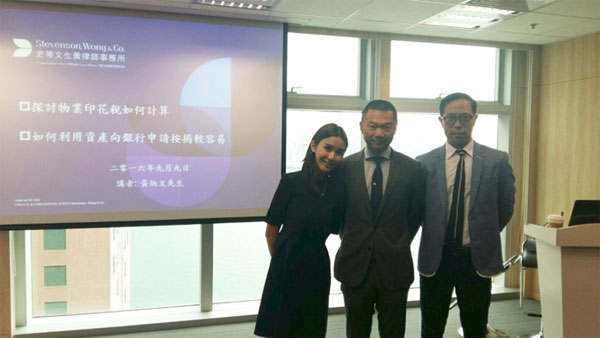
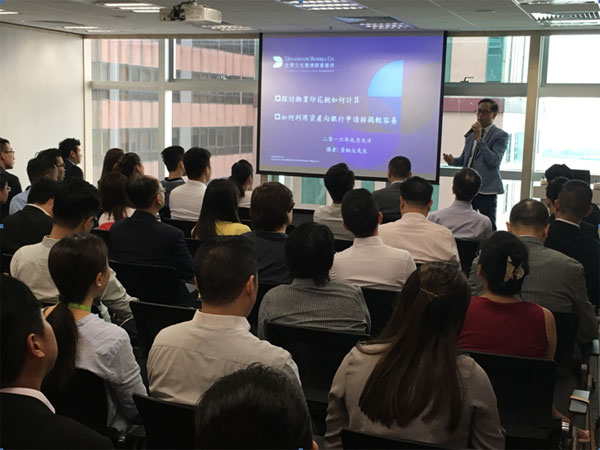
The presentation covered the basic know-how of stamp duty, including its computation, and the updates of the implementation of the buyer’s stamp duty and special stamp duty.
In addition, as a veteran legal executive in the banking field, Mr. Wong shared his practical experience on mortgage applications from banks.
Please contact our Mr. Eric Lui for any enquiries or further information about this event.
(中文) 家族信托消灭“分家”纠结(1)
(原载于财富管理杂志2016年6月刊)
今年42岁的马小姐,老公是一位成功的企业家,家有一独女在国外读书。自从二胎政策出台,家里就有了不一样的声音。生还是不生的讨论打破了家庭原有的平静。就马小姐而言,早年没有为夫家生个儿子心里觉得愧疚。如今政策放开,不用移民或影响形象,为夫家添丁似乎没有推脱的理由,更能防代孕防小三。
“老大在国外,家里变得很冷清的;添丁后还有人接管家族生意,避免外人介入。”再生一个的想法也得老公的认同。
可是,女儿却不这样想。“老二没成年我就要先接家业,弟弟成年后股权有我的份吗?毕竟我是女孩子!”,老大感到忧虑。
作为马小姐的闺蜜,也给出忠告:高龄孕妇的风险。“40岁以上的孕妇,孩子患有唐氏综合症的比例很高!不要害了自己与女儿的未来,也要为‘老二’负责。”
生与不生,都有理由。生还是不生?不妨看一下几个无法回避的问题。
谁照顾我的孩子?
对于所有高龄孕妇而言,都要面临照顾幼龄儿童的问题。 试想想:癌症,心脏病等重大疾病都有年轻化趋势!40多岁生孩子,如果在60岁前出事,继承人都是未成年人,还不算失联,地震,禽流感等影响!
而且第二代之间年龄差距大,就会出现照顾年幼孩子的巨大问题。在许多案例中,即便老大具备足够能力照顾老二,但由于年龄差距大,老二出生后老大可能已经在国外了;无论如何,老二的存在使父辈的积累一分为二,老大对老二没有戒心是很难做到的,感情不可以说不脆弱。
最不能忽略的,还是二胎家庭继承纠纷风险问题!一个40岁在社会历练了十多年,一个25岁刚毕业没多久,两人同时作股东,老二不会被欺负吗?更不要说再婚家庭,尤其是丧偶再婚的,争资产的甚至是异父异母的孩子。
抚养费安排费思量
未成年子女照顾问题在流行晚婚的大城市常有发生。把孩子当人球,为抚养费争抚养权,抚养费被挪用等时有所闻。为防止上述情况发生,抚养费的安排也需要费尽思量。
客户陈小姐44岁时生的二胎不幸患有唐氏综合症,老二今年10岁,但生活还是不能自理。可能长期忧虑,最近体检时陈小姐被确诊一期肺癌。
虽然现在医疗发达,唐氏综合症患者也可以活到50岁,无论肺癌这个坎能不能过,照顾老二的责任最终会落在大女儿身上。大女儿现年23岁,刚毕业在外国工作,没有接班打算。对老大来说,照顾妹妹绝对是大写的苦逼!
这次的确诊,她决定要给小女儿一个确定的未来。她琢磨着如何把照顾老二的重任托付给老大,也思考着以什么样的形式支付抚养费用,房产?股票?还是现金?
房产能与通胀挂钩,有实用功能还能保值,但是不好套现,唐氏综合症患者是很容易有心脏或肠胃问题的,万一急着要付大笔医疗费用确实头疼。股票的股息政策或者业绩都是不确定的,更何况中国上市企业不派息的太多了。还记得2008年金融危机时,大蓝筹股价只剩下1/10,质押都不行。现金,不要说增值,保值都做不了,不是每个时候都找到靠谱的理财产品的,经济下滑时好项目不好找。
生前赠予:婚姻法影响不能小窥
朋友建议资产过户给老二,老二有钱了就不会被欺负。这也不对,一般年轻人获得巨额财富都不容易驾驭。且老二那怕成年也没有行为能力,继承巨大资金只会让她的人身更不安全,爱她反成害她。
给大女儿,一个巨大不确定性是大女儿的离婚风险。对每一个富二代来讲,继承父辈的积累如家业,本来就承担了巨大责任。 未来大女婿业务需要资金,或有债务纠纷,不确定因素,诱惑太多,抚养费用花光,照顾老二的担子就更难当了。
老大照顾老二,不但没法全力打拼家业,也不能专心相夫教子;大女婿与老二没有血缘关系,却要承担抚养责任真不容易。万一离婚,照顾老二的资产也会被分割,现实太残酷。
需要知道:资产全球化,国籍多样化,居住地不确定,二代很容易受到不同地区婚姻法的影响。不是每个地方都必然承认婚前协议;就是承认,不同地方对有效婚前协议有不同的要求。很多地方也没有婚前财产的概念,赠予公证也发挥不了功效了;有些地方甚至承认事实婚姻,就是同居分手后也可以分资产。(续)
如想了解更详细的海外信托对资产保护或继承安排的功能,请联系你的法律顾问/理财顾问/家族办公室。史蒂文生黄律师事务所成立了香港及新西兰信托公司,可为客户提供信托咨询或受托人服务。最近还获得香港家族办公室协会颁发“最具特色家族海外信托策划服务奖”
分享资讯助人自助,谢谢关注微信公众号或浏览官方网站www.sw-hk.com。如需节录或转载,请注明资料来源为微信公众号swc_hk。
免责声明: 于此提供的资料只供参考,须以有关国家/地区法律顾问的法律意见和有关政府行政与司法机关对于适用的法例的解释和应用为准;上述资料亦受制于适用法例的任何不时的更新与修改,如因上述资料而引至任何人士或单位蒙受任何损失,该人士或单位须自行承担一切责任
In an interlocutory application, the Defendant and the Plaintiff reached terms on the mutual undertakings which were included as part of a Court Order. The undertakings in question were 1) the Defendant was to maintain the sum of RMB 45,000,000 at a bank account(“the First Undertaking”) and 2) the Defendant was to provide the Plaintiff weekly reports of the status of the assets at issue(“the Second Undertaking”).
The Plaintiff applied to commit the Defendant for contempt of Court for his breach of two undertakings. At the Court of First Instance, it was held that the Defendant acted in contempt. The Defendant appealed to the Court of Appeal.
The First Undertaking
The CFI judge found that the sum in the agreed amount was not properly deposited in the account as agreed by the parties. The CFI characterized the conduct of the Defendant as “deliberate and contumacious”.
Interestingly, the Court of Appeal adopted a purposive approach and rejected the CFI’s finding that the First Undertaking was intended to be the security for the Plaintiff’s claim. Moreover, there was not any evidence of the discussion between the parties to work out an agreement for the designated account. In light of these uncertainties, the First Undertaking was too unclear to be enforceable.
The Second Undertaking
The Plaintiff applied to amend the originating summons so that further alleged breaches of the Second Undertaking were to be considered by the Judge, which was opposed by the 1st Defendant. The Judge in CFI did not make a ruling at the hearing but decided the issue in his judgment to the effect that he allowed the amendment and found that the Defendant was in contempt of all of the originally pleaded and newly alleged breaches.
The Court of Appeal considered this approach “faulted”. The court stressed that contempt proceedings were of penal nature, and hence require strict proof of guilt beyond reasonable doubt. It also entails that fairness requires the person cited for contempt to be informed at the outset of all allegations made against him. The statement in support of the application was to be treated in a similar fashion as an indictment in criminal proceedings. If the CFI approach was adopted, the Defendant would be deprived of the opportunity to defending against the additional allegations.
The court also held that the elements of contempt were not merely a strict proof of breach – but also involved a question of guilty intention on the part of the Defendant. The court then leniently held that the Defendant’s breach was an “unintentional slip”. Applying such a high threshold, the Court of Appeal held that the Defendant was not in contempt.
Implications
The implications of this case are two-fold. Firstly, despite the undertakings being part of the court order, the purpose of the undertaking (and the language of the undertaking) must be clear and certain enough in order to be enforceable. Secondly, a breach of a Court undertaking does not automatically translate to contempt of Court. The Court will have to be satisfied that the Defendant acted with the guilty intention as well.
SW partner Ms Catherine Por attended the IAFL Annual Meeting 2016 held by International Academy of Family Lawyers (IAFL) in New Delhi, India on 14-18 September 2016. Founded in 1986, IAFL is a worldwide association of practicing lawyers who are recognized by their peers as the most experienced and skilled family law specialists in their respective countries. Ms Por has been a fellow of the IAFL since 2004.
The Annual Meeting was well attended by more than 120 fellows from multiple jurisdictions. Legal practitioners from all parts of the globe shared and exchanged insights and recent developments on a wide spectrum of family law issues. Topics such as cohabitation arrangement, financial remedies, surrogacy, etc. were thoroughly explored. Ms Por, together with other speakers, joined in the panel discussion on financial remedies on a case study.
Please contact our Ms Catherine Por for any enquiries or further information about this event.
On 9 September 2016, our partner Ms. Heidi Chui and Public Relations Manager Ms. Yo Yo Fang attended the 15th annual Macallan ALB Hong Kong Law Awards gala dinner held at the Conrad Hotel, Hong Kong. Stevenson, Wong & Co. had been shortlisted as a finalist in the award categories of“Arbitration Law Firm of the Year”, “BDO Limited Award Matrimonial Law Firm of the Year”, “Deal Firm of the Year”, “Insolvency and Restructuring Law Firm of the Year”, “Real Estate Law Firm of the Year” and “Litigation Law Firm of the Year”. Meanwhile, AllBright Law Offices was nominated for “PRC Firm, Hong Kong Office of the Year”.
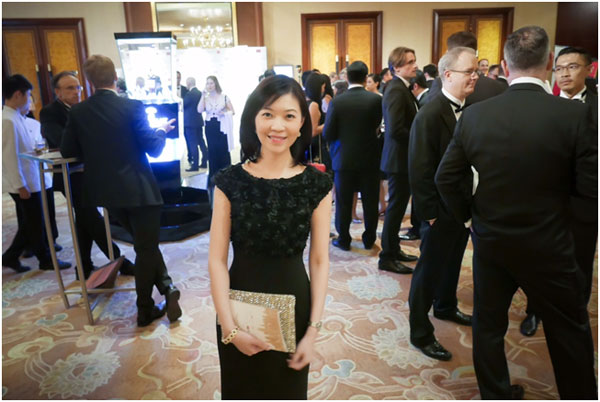
Members of the legal profession gathered to salute the best deals and legal practitioners in Hong Kong.
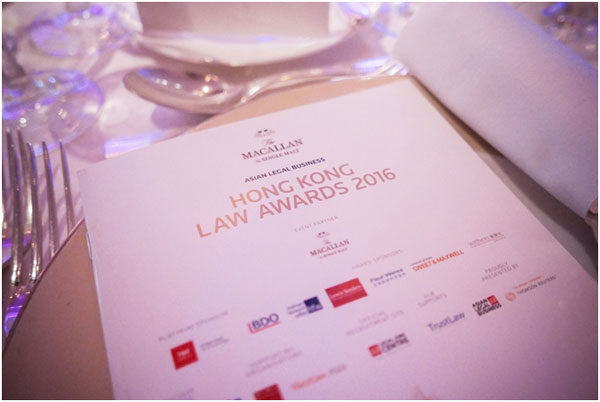
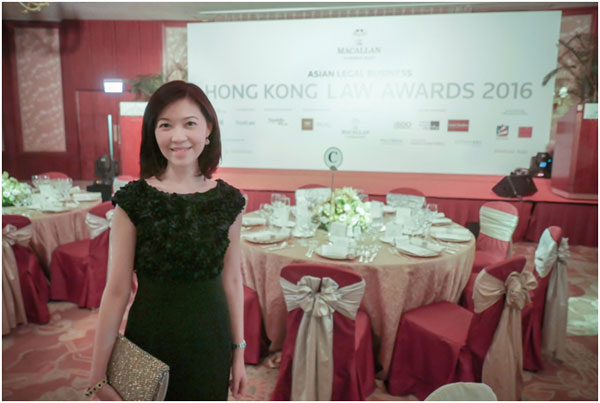
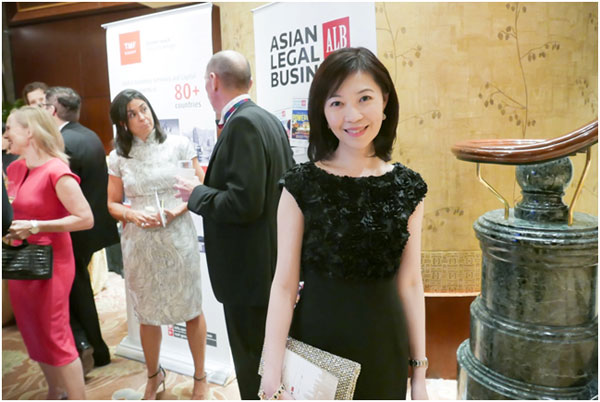
Photographs of Ms. Heidi Chui
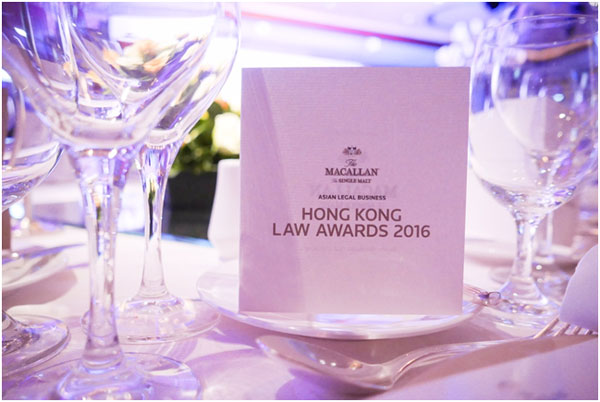
Please contact our Ms. Heidi Chui for any enquiries or further information about this event.
We are pleased to announce that one of our recently recruited trainee solicitors, Mr Tommy Lau, was selected by the Board of Examiners in Laws in the University of Hong Kong to receive “The Oldham, Li & Nie Prize in Matrimonial Practice and Procedure”. The Prize is awarded to the candidate who achieved the highest mark in the course “Matrimonial Practice and Procedure” in the HKU P.C.LL. programme for the academic year 2015-2016. Tommy is currently in our Family Law Department and trained in, amongst other disciplines, matrimonial law.
Please contact our Ms. Catherine Por for any enquiries or further information.