News Updates
Find out all about our firm’s latest news updates below. To learn more about any individual item, please contact us here.
 Stevenson, Wong & Co.
News Updates
Find out all about our firm’s latest news updates below. To learn more about any individual item, please contact us here.
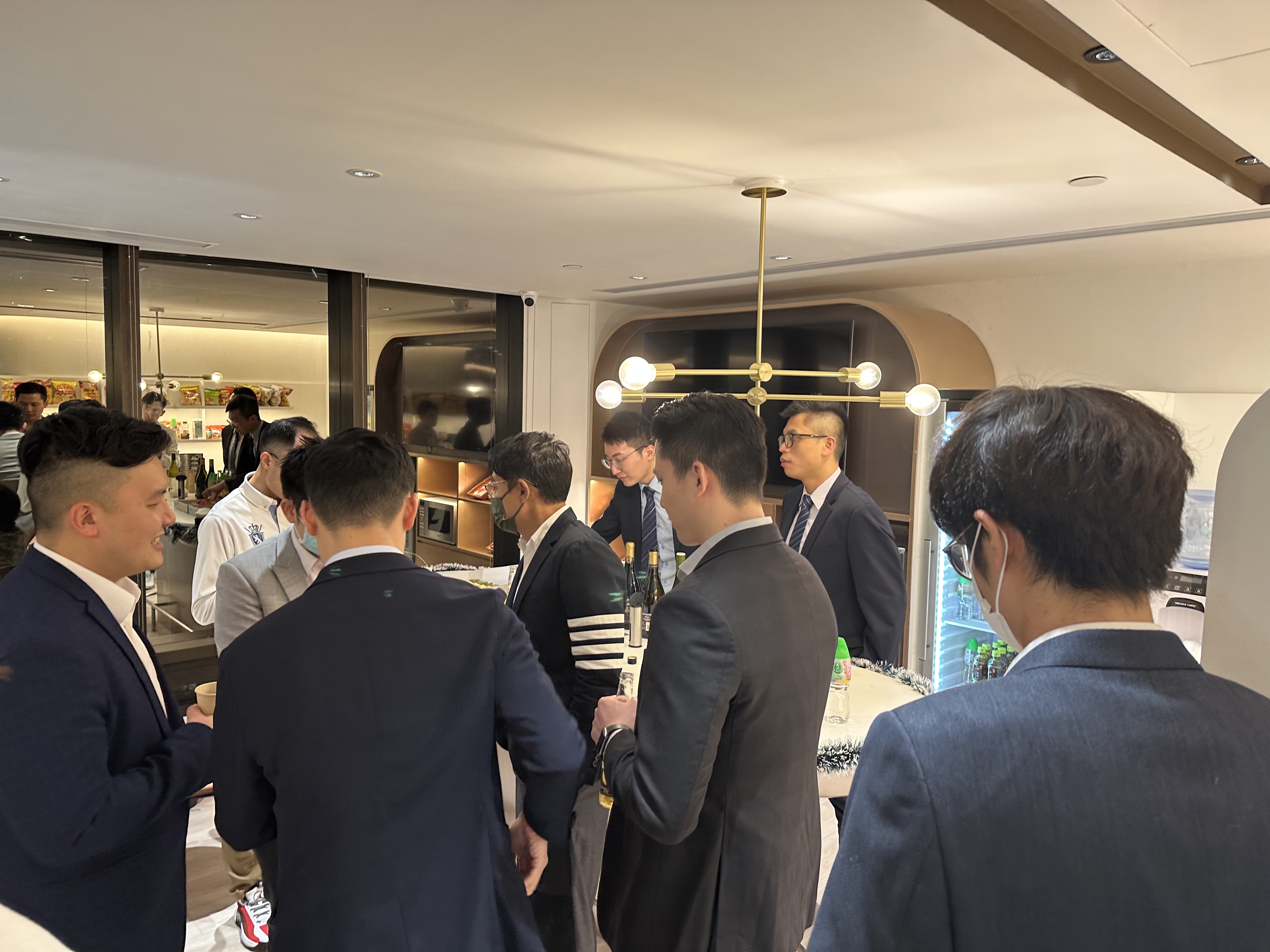
On 16 December 2022, our Partners and Heads of SW Private Client Department, Ms. Catherine Por and Ms. Wendy Lam, and Partner Mr. Calvin Lo, were invited by Temple Chambers to attend the Family Law Christmas Drinks.
We would like to take this opportunity to thank Temple Chambers for the invitation and the enjoyable evening to catch up with our friends and peers.
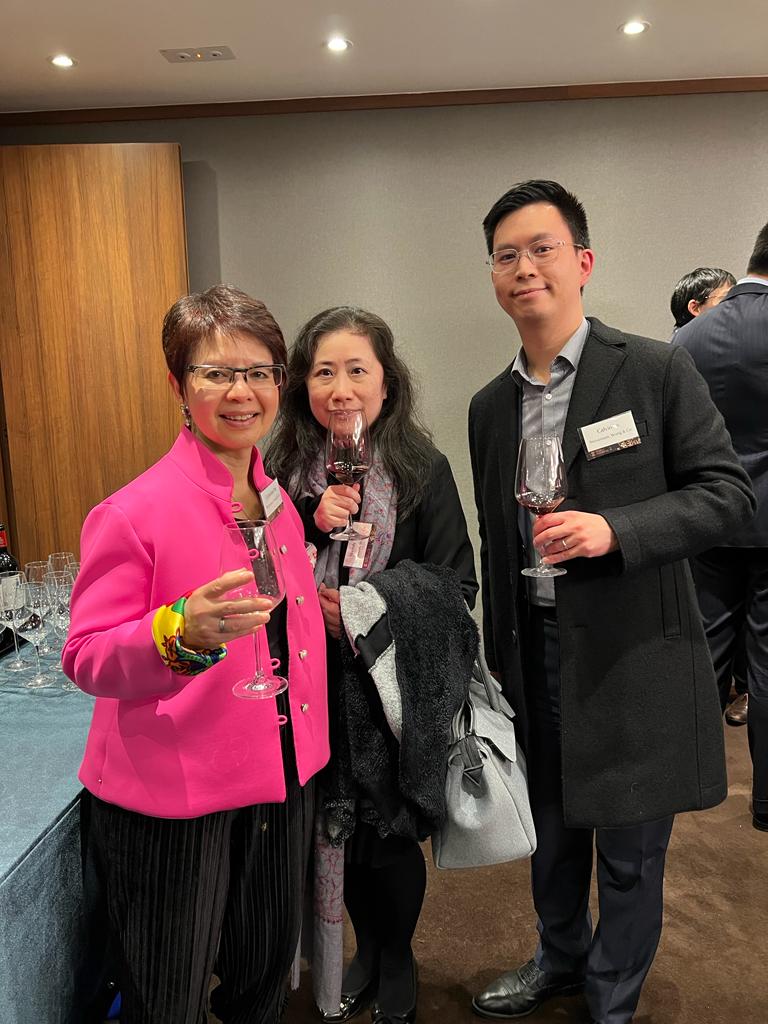
From the left: our Partners Ms. Catherine Por, Ms. Wendy Lam, and Mr. Calvin Lo
Please contact our Partners, Ms. Catherine Por, Ms. Wendy Lam, or Mr. Calvin Lo, for any enquiries or further information about this event.
Introduction
On 16 December 2022, The Stock Exchange of Hong Kong Limited (the “Exchange”) published a consultation paper seeking public feedback on proposals to expand the paperless listing regime and make other rule amendments (the “Consultation Paper”). The public comment period ends on 28 February 2023.
The Consultation Paper was published to further simplify the Exchange’s administrative procedures and reduce the use of paper after the success of the consultation paper on proposals to introduce a paperless listing and subscription regime, online display of documents and reduction of the types of documents on display published by the Exchange in July 2020 and its conclusions paper published in December 2020 (see our news update).
Key Proposals
Proposal 1: Reduce the number of documents required to be submitted to the Exchange and mandate submission by electronic means
Currently, new applicants and listed issuers are required to submit to the Exchange a considerable number of documents. As such, the Exchange proposes the following measures in order to reduce the number of required documents for submission:
(a) remove submission of documents that are unnecessary to the Exchange’s regulatory objectives, including those that simply reiterate parties’ obligations already set out in the Rules Governing the Listing of Securities on The Stock Exchange of Hong Kong Limited (the “Listing Rules”) or guidance materials issued by the Exchange from time to time or overlap with other submission or disclosure requirements;
(b) codify obligations contained in various undertakings (e.g. DU Form and Form M110), listing agreements and other standalone confirmations or declarations into the Listing Rules and to remove documents that become duplicative as a result;
(c) to consolidate certain requirements into existing forms (e.g. Form A1);
(d) remove unnecessary signature and certification requirements, i.e. if they only: (i) evidence the sponsors’ approval of the contents; or (ii) certify that the submissions are true copies of their originals; and
(e) mandate electronic submission for a majority of submission documents.
The Exchange shall explore with the Companies Registry on the feasibility of digitalising the prospectus authorisation and registration processes.
Proposal 2: Mandate electronic dissemination of corporate communications 1 to securities holders by listed issuers after listing
The Exchange proposes to amend the Listing Rules to: (a) mandate that listed issuers electronically disseminate corporate communications to the extent permitted by the laws and regulations applicable to them and their constitutional documents; and (b) enable listed issuers to elect their own consent mechanism for disseminating corporate communications electronically to the extent that the chosen mechanism is permissible under the laws and regulations applicable to them and their constitutional documents.
Proposal 3: Simplify the Listing Rules Appendices
The Exchange proposes to restructure the appendices to the Listing Rules (the “Appendices”) to simplify navigation and enhance the online experience for Listing Rules users, by: (a) moving fee-related Appendices and certain forms to new sections on the website of Hong Kong Exchanges and Clearing Limited while specifying in that new location that they still form part of the Listing Rules; (b) repealing Appendices that are administrative in nature (e.g. Headline Categories) and separately displaying their contents on the Exchange’s website outside the Listing Rules section; (c) deleting the Appendices that have already been repealed or are unnecessary to be set out in the Listing Rules; and (d) reorganising the remaining Appendices by theme.
Analysis and takeaways
This Consultation Paper marks the Exchange’s further efforts to expand its paperless initiatives and simplify its administrative procedures. This can, in turn, enhance environmental sustainability and modernise the Hong Kong’s listing regime, which is in line with the general favouring market sentiment for the greener path forward in Hong Kong. As such, we welcome the Exchange’s proposals and the proposed Listing Rules that will give effects to the proposals.
Please contact our partner Mr. Rodney Teoh for any enquiries or further information.
This news update is for information purposes only. Its content does not constitute legal advice and should not be treated as such. Stevenson, Wong & Co. will not be liable to you in respect of any special, indirect or consequential loss or damage arising from or in connection with any decision made, action or inaction taken in reliance on the information set out herein.
1 “Corporate communications” means: any document issued or to be issued by an issuer for the information or action of holders of any of its securities or the investing public, including but not limited to:—
(a) the directors’ report, its annual accounts together with a copy of the auditors’ report and, where applicable, its summary financial report;
(b) the interim report and, where applicable, its summary interim report;
(c) a notice of meeting;
(d) a listing document;
(e) a circular;
(f) a proxy form;
(g) an Application Proof; and
(h) a Post Hearing Information Pack or “PHIP”.
(中文) 
立法背景及引言:
香港律师现时处理诉讼或争议案件主要是以按时收费的形式。根据先前相关法例、行为守则及/或操守指引,以及香港禁止包揽诉讼、唆讼和助讼的法律及原则,香港律师不得就争讼事务与当事人订立按条件收费或按判决金额收费的安排,即一般 “不成功、不收费” 的收费安排是不合法及没有法律效力的。
但这一情况将会在仲裁方面迎来突破性的进展。不同于一般民事诉讼,仲裁当事人主要是精明练达的商业机构,亦普遍熟悉就仲裁委聘律师采用按条件收费的安排。为提升香港作为理想仲裁地的竞争力,香港特区政府律政司经委托法律改革委员会进行相关研究及咨询仲裁推广咨询委员会的意见后,最终决定接纳建议并制定政策,应容许在香港进行的仲裁和相关的法院程序,可采用更具弹性的收费安排。
在2022年初,香港特区政府便已经开展立法修例工作,先在3月25日将《2022年仲裁及法律执业者法例 (与仲裁结果有关的收费架构) (修订) 条例草案》(简称 “《条例草案》” ) 刊宪,并在同月30日提交立法会审议。随后,《条例草案》经三读表决通过后,《2022年仲裁及法律执业者法例 (与仲裁结果有关的收费架构) (修订) 条例》(简称 “《条例》” ) 除第5条之外的部分自2022年6月30日起正式实施,为与仲裁结果有关的收费架构 (Outcome Related Fee Structures for Arbitration,简称 “ORFSA” ) 奠定方向及基础。
数月后,《仲裁 (与仲裁结果有关的收费架构) 规则》(简称 “《规则》”) 亦于2022年11月初刊宪并提交立法会进行先订立后审议程序,并最终确定与《条例》第五条于2022年12月16日 (即今日) 同日生效。《条例》及《规则》的双双出台将使ORFSA得以在香港全面实施,进一步完善相关的法律框架。
《条例》旨在修订《仲裁条例》及《法律执业者条例》,以订定在仲裁案件采用ORFSA的协议之有效性及可强制执行性,而《规则》就ORFSA进一步提供详细的规管架构及订明协议所需的一般及指定条款。根据以上《条例》及《规则》,本港律师现时可就在香港及香港以外地方进行的仲裁采用以下三类ORFSA协议。
《条例》亮点及 《规则》实操指南
《条例》主要采纳香港法律改革委员会于2021年12月发布报告书中的建议,并提出三种容许香港律师与当事人订立的ORFSA协议:包括 (1) 按条件收费协议 (Conditional Fee Agreement),(2) 按损害赔偿收费协议(Damages-based Agreement) 及 (3) 混合式按损害赔偿收费协议 (Hybrid Damages-based Agreement)。
1) 按条件收费协议 (“成功先收费”及/或“不成功、低收费”模式)
按条件收费协议大概可以分为两种模式。
“成功先收费”的模式是指,律师在法律程序过程中不收取费用,只有当事人在该事宜中取得成果 (如当事人索偿成功),该律师才可以就该事宜收取“成功费用”。
另一种“不成功、低收费”的模式即是指,律师在法律程序过程中按惯常收费率或折扣收费率收取费用 (根据《规则》第二条释义,即“基准收费” (Benchmark Fee),意指假若没有订立 ORFSA协议,律师会向当事人收取的收费。),如当事人索偿成功,其须向律师支付一笔额外的“成功费用”。
根据《规则》第4(2)条,收费总额超出协议的基准收费的部分亦称为“提升元素” (Uplift Element)。第4(1)(b)条进一步规定提升元素的数额可按基准收费的某个百分比额外计算,但不得超过基准收费的100%。而第4(1)(c)条明确指定,双方在商定协议时须述明 (1) 构成在有关事宜取得成果的情况,(2) 提升元素的计算基准及 (3) 当事人须在何时向律师支付成功收费。
2) 按损害赔偿收费协议 (“不成功、不收费”模式)
按损害赔偿收费协议的约定,只有当事人在该法律程序中取得财务利益 (Financial Benefit) 的情况下,其律师才可以就该事宜收取费用 (Damages-based Agreement Fees,简称 “DBA费用”)。
简单而言,如当事人的案件败诉,其律师将不收取费用,即“不成功,不收费”。如当事人获得胜诉,其律师的收费则参照法律程序的结果计算,如当事人在仲裁中获判给或讨回的款额的某个百分比。
需要注意的一点是,《规则》第5(a) 条为DBA费用设定上限,即律师可向当事人于有关事宜中取得的DBA费用不可超过财务利益的50%。同样地,《规则》第5(b)条明确规定,双方在商定协议时须述明 (1) 所关乎的财务利益,(2) DBA 费用的计算基准,(3) 当事人须在何时向律师支付 DBA 费用及 (4) 大律师收费是否视作DBA费用的一部分。
3) 混合式按损害赔偿收费协议(“不成功、低收费”模式)
混合式按损害赔偿收费协议结合了“按条件”及“按损害赔偿”的两种模式。律师不但可以就其所提供的法律服务收取费用 (一般按折扣收费率收取),而且在当事人索偿成功时,亦可以收取额外按损害赔偿收费协议费用。
就混合按损害赔偿收费模式而言,《规则》第6(c) 条额外订明在没有取得财务利益的情况下,当事人无须向律师支付超过50%的不可追讨的讼费 (Irrecoverable Costs)。
《条例》及《规则》范围及披露要求
值得关注的是,《条例》始终围绕仲裁程序而定,仅适用于以香港和香港以外的地方为仲裁地的仲裁,其适用性并未伸延至包括民事或刑事诉讼程序,因此在诉讼案件中助讼和包揽诉讼在香港仍然被禁止。另外,《条例》亦明确订明,在人身伤害申索的范围内, ORFSA协议应属无效且不可执行。同时,《条例》亦有就ORFSA协议的订立或完结时需作出的披露做出相关规定。如果当事人与其律师订立了ORFSA协议,《条例》要求该律师须在仲裁展开时或在该ORFSA协议订立后的15日内,向仲裁的其他每一方及仲裁机构发出书面通知,说明 (i) 已订立ORFSA协议的事实,以及 (ii) 当事人的姓名或名称。而如果ORFSA协议完结 (因仲裁已完结者除外),当事人须向仲裁的其他每一方及仲裁机构发出书面通知,说明 (i) ORFSA协议已完结的事实,以及 (ii) 该协议完结的日期。最后,根据《规则》第3条所列的一般条款,任何一种 ORFSA协议均须以书面形式作出,并由律师及当事人签署、述明其所关乎的事宜、述明律师已告知当事人有权寻求独立法律意见,以及述明不少于七日的冷静期 (Cooling-off Period)。

點评
随着仲裁当事人对另类费用安排的需求日益增长以及其他首要仲裁地纷纷认可及容许ORFSA安排,《条例》及《规则》的双双出台无疑是香港仲裁发展史上一大突破性的进展,开创了对仲裁当事人、仲裁业界以及香港三赢的局面。ORFSA协议的出现让原本因仲裁费用昂贵而却步的当事人获得更多循仲裁途径寻求公义的机会。受惠于《条例》及《规则》带来的裨益,仲裁业界现有更大自由度与当事人订立收费架构及选项,从而能够发掘更多商机并开拓更多机遇。
最后,对于香港而言,此修订有助香港在公平的环境下,与其他全球热门仲裁地竞争,进一步提高香港作为仲裁地的吸引力,维持香港作为国际仲裁中心的地位。
本文由本所合伙人,诉讼及争议解决部主管徐凯怡律师﹑黄晊晄高级律师和陆卓楠实习律师共同撰写。若阁下想了解更多详情,请联络本所徐凯怡律师。
于本文中提供的一切资料仅供参考,不构成任何法律意见,资料亦受制于适用规定及法例不时的更新与修改。若需取得相关法律意见,须咨询法律顾问。
On 9 December 2022, our firm successfully co-organised a “ESG Sharing: Taking ESG from Concept to Action” seminar with Roma Group (hkex: 8072), Workiva (NYSE: WK) and Formex Financial Press. Our Partner Mr. Gordon Tsang and Associate Mr. Ben Chan spoke on the topic “New Amendments to the Corporate Governance Code for Listed Companies”. They explained The Stock Exchange of Hong Kong Limited’s (the Exchange) new amendments on the Corporate Governance Code and Related Listing Rules, such as the board’s independence and diversity, communications with shareholders, and ESG. Gordon and Ben also joined the other guest speakers, including the Director of Roma Risk Advisory Limited, Mr. Kingsley Cheng, Regional Sales Director of Workiva, Ms. Olivia Wong, and Company Secretary (hkex: 1709 & 756), Ms. Mina Chin, in the fireside chat to share their insights on the ESG trends in companies’ strategy and governance.
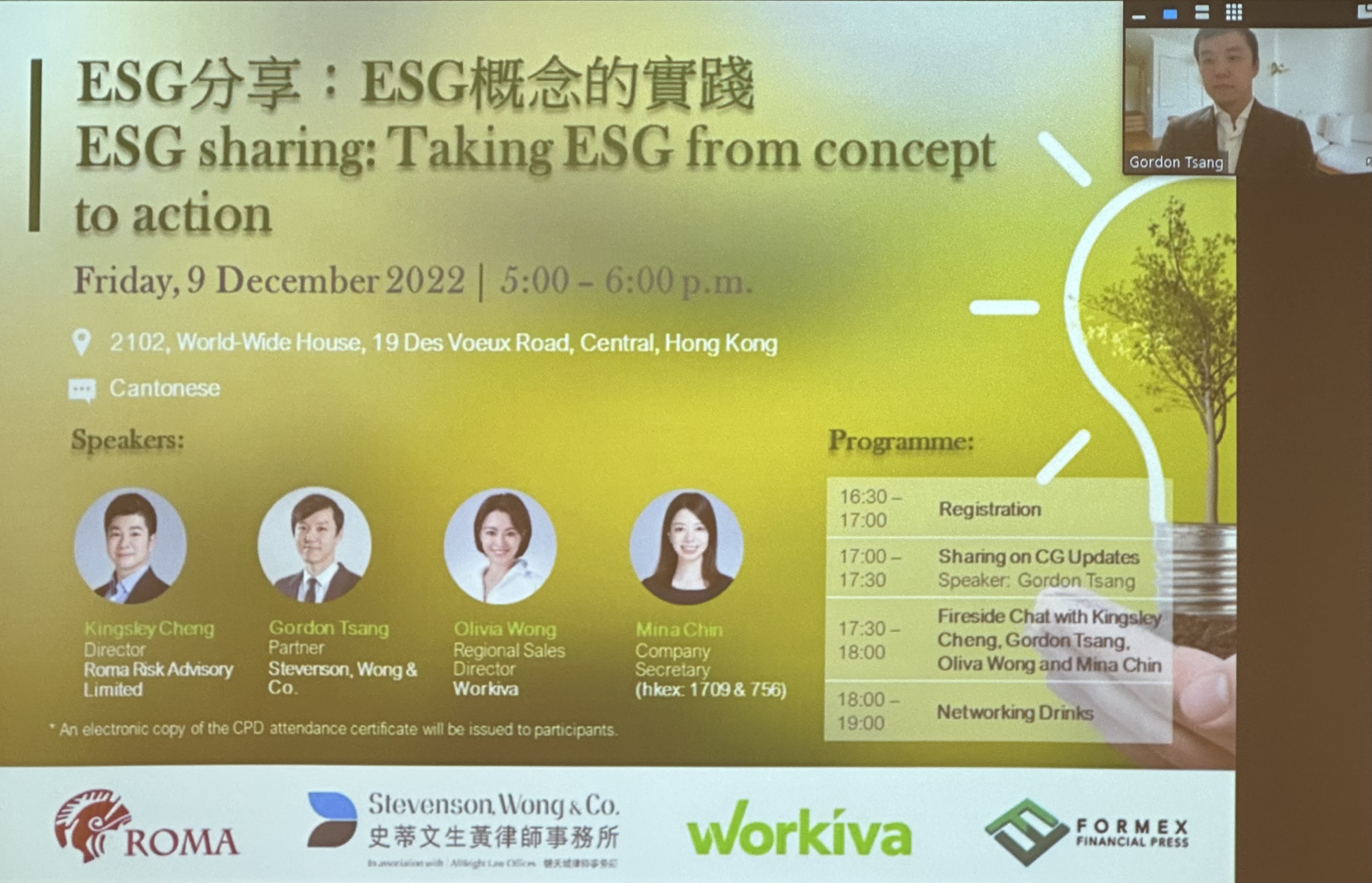
Our Partner Mr. Gordon Tsang (Top Right)
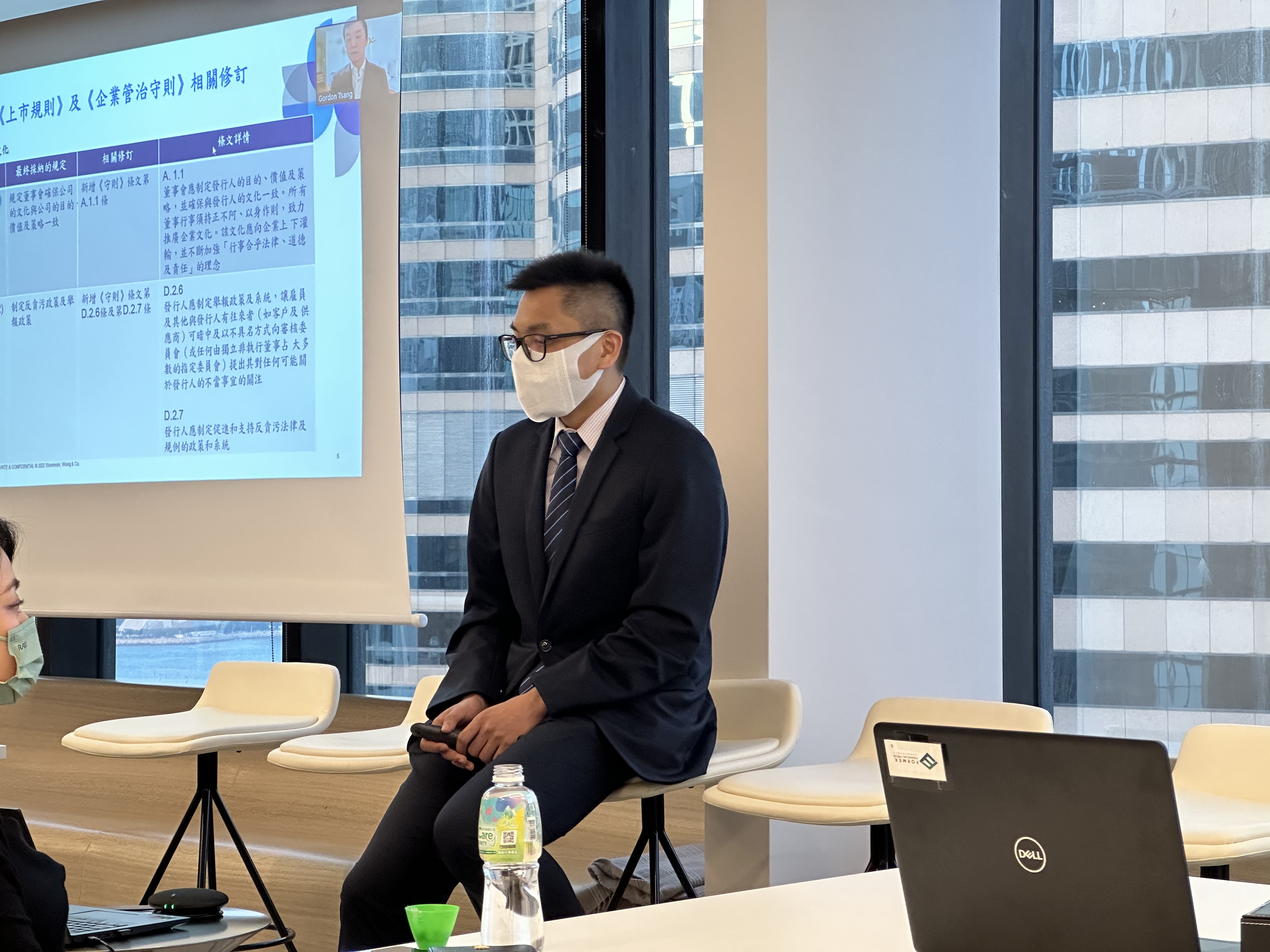
Our Partner Mr. Gordon Tsang (top right corner on the screen) and Associate Mr. Ben Chan shared on the topic “New Amendments to the Corporate Governance Code for Listed Companies”
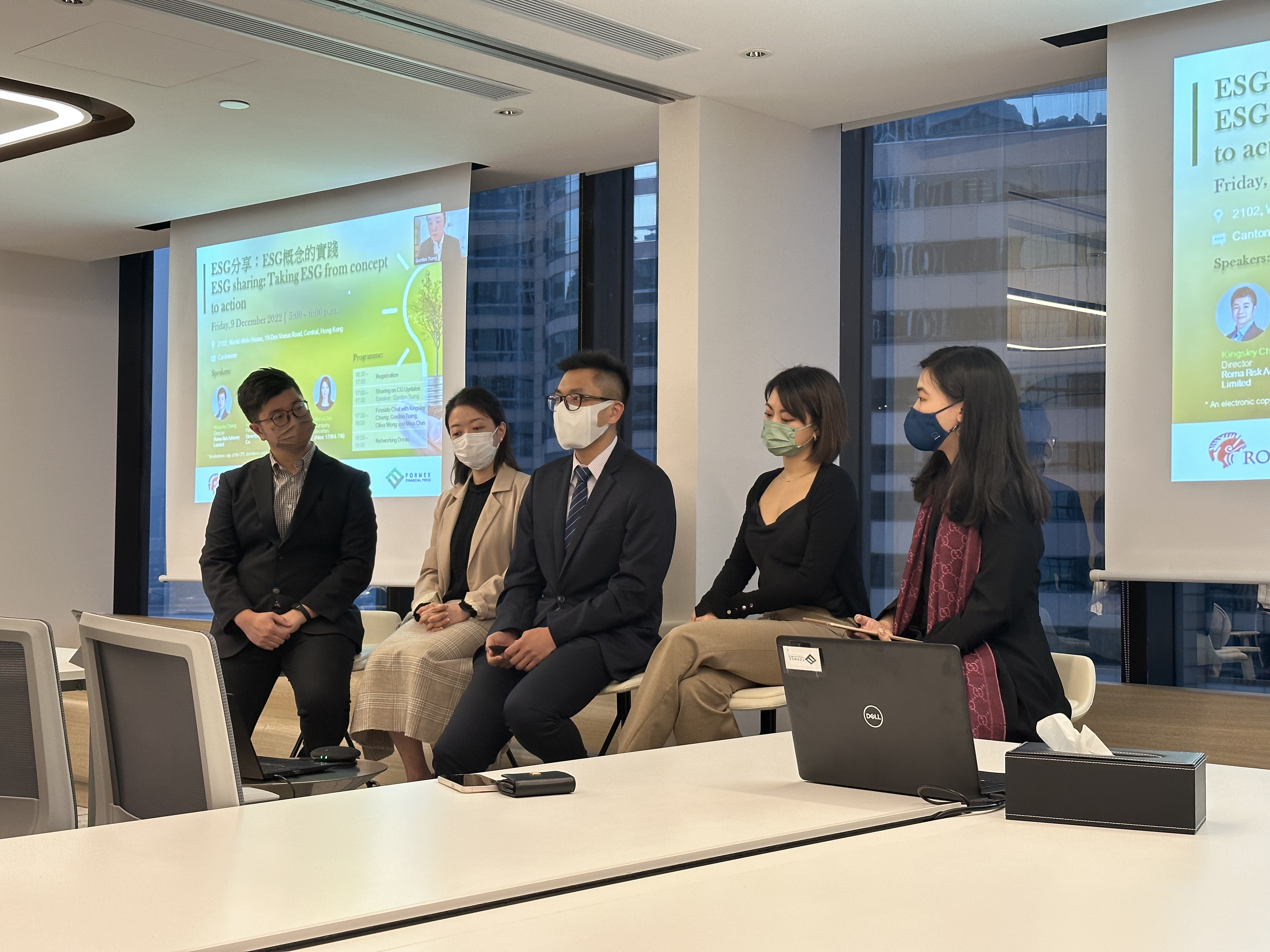
From the left: Director of Roma Risk Advisory Limited, Mr. Kingsley Cheng, Company Secretary (hkex: 1709 & 756), Ms. Mina Chin, our Associate Mr. Ben Chan, Regional Sales Director of Workiva, Ms. Olivia Wong, and Manager of Roma Group, Ms. Natalie Chan
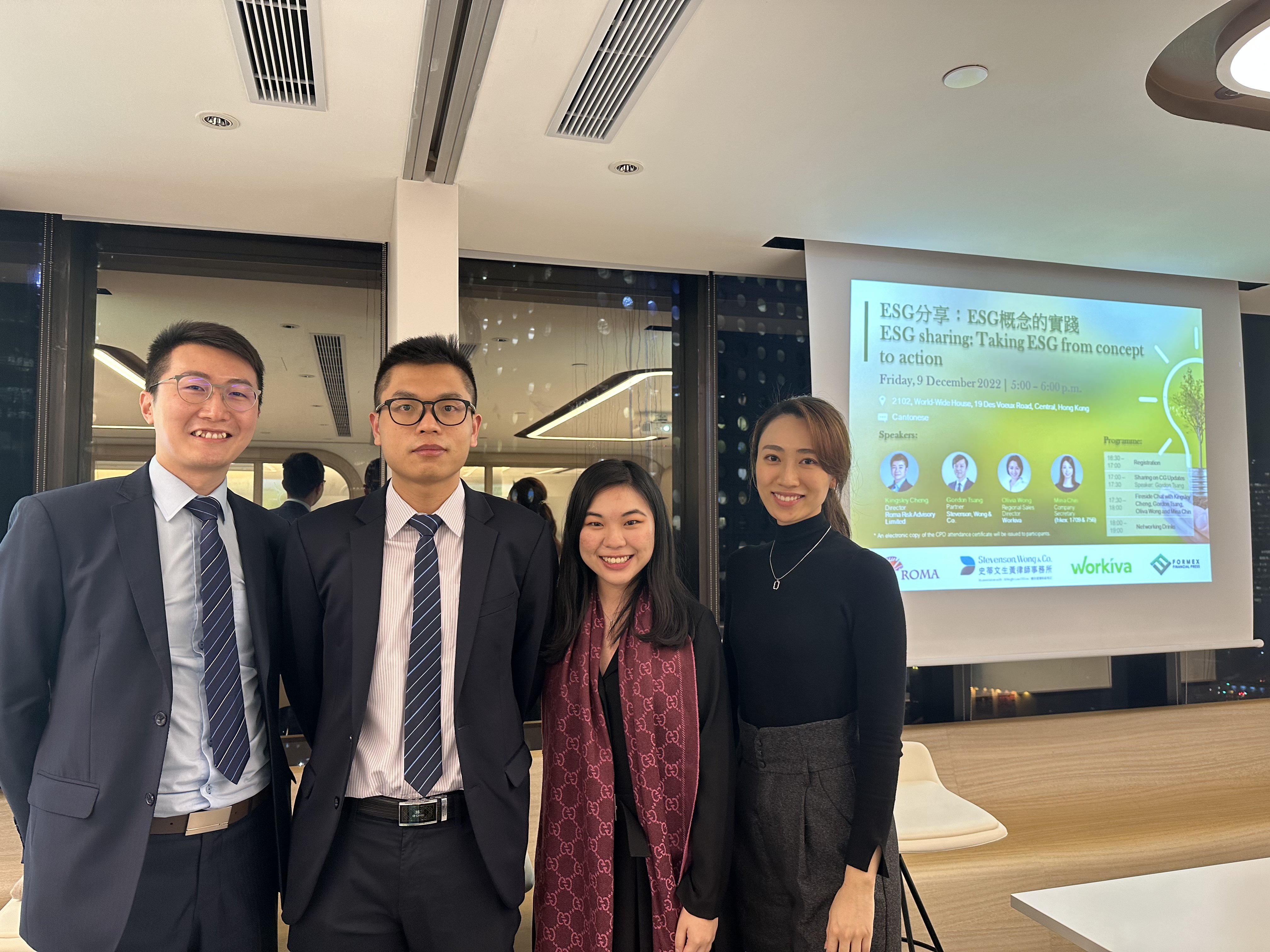
From the left: Our Associate Mr. Gary Kwok, Associate Mr. Ben Chan, Manager of Roma Group, Ms. Natalie Chan, and our Marketing and Communications Executive, Ms. Julia Yeung
Please contact our Partner Mr. Gordon Tsang for any enquiries or further information.
Introduction
On 31 October 2022, the Securities and Futures Commission of Hong Kong (“SFC”) issued a circular regarding virtual assets (“VA”) 1futures exchange traded funds (the “Circular”). The Circular sets out the requirements under which the SFC may consider authorising exchange-traded funds (“ETFs”) that obtain exposure to VAs primarily through futures contracts (“VA Futures ETFs”) for public offering in Hong Kong under sections 104 and 105 of the Securities and Futures Ordinance (“SFO”).
As noted in the Circular, the SFC is prepared to accept applications for authorisation of VA Futures ETFs. The SFC will keep in view and closely monitor the development of the VA market and its regulatory landscape regarding the appropriateness of authorisation of ETFs that invest directly in spot VAs.
The Circular was published soon after the Hong Kong government issued a policy statement on the development of VA (the “Policy Statement”) relating to, among others, non-fungible token issuance, green bond tokenisation, and e-HKD (see our news update on the Policy Statement here).

Key Authorisation Requirements for VA Futures ETFs
General Requirements
VA Futures ETFs seeking SFC authorisation to enable the public offering of interests in Hong Kong should meet the applicable requirements in the Overarching Principles Section and the Code on Unit Trusts and Mutual Funds in the SFC Handbook for Unit Trusts and Mutual Funds, Investment-Linked Assurance Schemes and Unlisted Structured Investment Products.
Additional Requirements
VA Futures ETFs which seek SFC authorisation for public offering in Hong Kong shall meet additional requirements set ou the Circular as summarised below:
Management Companies
The management company of a VA Futures ETF must have (i) a good track record of regulatory compliance; and (ii) demonstrate at least three years of proven track record in managing ETFs. The SFC will also consider relevant experience in managing the same or similar type of products from the group of companies to which the management company belongs. The SFC may also consider accepting delegation or co-management of a VA Futures ETF, provided that the management company in the case of delegation or at least one of the management companies in the case of co-management complies with the relevant requirements.
Eligible Futures
Only VA futures traded on conventional regulated futures exchanges are allowed, subject to the relevant management company demonstrating (i) the relevant VA futures have adequate liquidity for the operation of the VA Futures ETF; and (ii) the roll costs of the relevant VA futures contracts are manageable which includes how roll costs will be managed. Initially, only Bitcoin futures and Ether futures traded on the Chicago Mercantile Exchange will be permitted. The SFC shall consider expanding the scope of eligible VA futures markets in the future as appropriate.
Investment Strategy
The management company of a VA Futures ETF is expected to adopt an active investment strategy to allow flexibility in portfolio composition (such as diversification of futures positions with multiple expiry dates), rolling strategy and handling of any market disruption events. The net derivative exposure of a VA Futures ETF shall not exceed 100% of the total net asset value of the relevant ETF.
Disclosure
The product key facts statement of a VA Futures ETF should contain upfront disclosure of the investment objective and key risks associated with investment in VA futures contracts, including (1) risks concerning potentially large roll costs of VA futures; and (2) operational risks, such as margin risk and risk associated with mandatory measures imposed by relevant parties.
Distribution
Since VA Futures ETFs are derivative products and VA-related products, intermediaries are subject to the applicable requirements under the Code of Conduct for Persons Licensed by or Registered with the Securities and Futures Commission (the “Code of Conduct”) and related guidelines including the Joint Circular on Intermediaries’ Virtual Asset-Related Activities (the “Joint Circular”) issued by the SFC and the Hong Kong Monetary Authority in January 2022 (see our news update on the Joint Circular here). In particular, intermediaries shall comply with the existing conduct requirements for derivative products as set out under paragraphs 5.1A and 5.3 of the Code of Conduct, as well as the VA-knowledge test requirement.
Investor Education
The management company of a VA Futures ETF should carry out extensive investor education before launching the VA Futures ETF in Hong Kong.
Please contact our Partner Mr. Rodney Teoh and associate Mr. Calvin KW Lo for any enquiries or further information. Rodney would like to thank Ms. Adrienne Leung (Intern) for her contribution to this news update.
This news update is for information purposes only. Its content does not constitute legal advice and should not be treated as such. Stevenson, Wong & Co. will not be liable to you in respect of any special, indirect or consequential loss or damage arising from or in connection with any decision made, action or inaction taken in reliance on the information set out herein.
1 VA refers to digital representations of value, which may be in the form of digital tokens, such as utility tokens, stablecoins, security-backed tokens or asset-backed tokens, or any other virtual commodities, crypto assets or other assets of the same nature, irrespective of whether or not they amount to “securities” or “futures contracts” as defined under the SFO but excludes digital representations of fiat currencies issued by central banks.
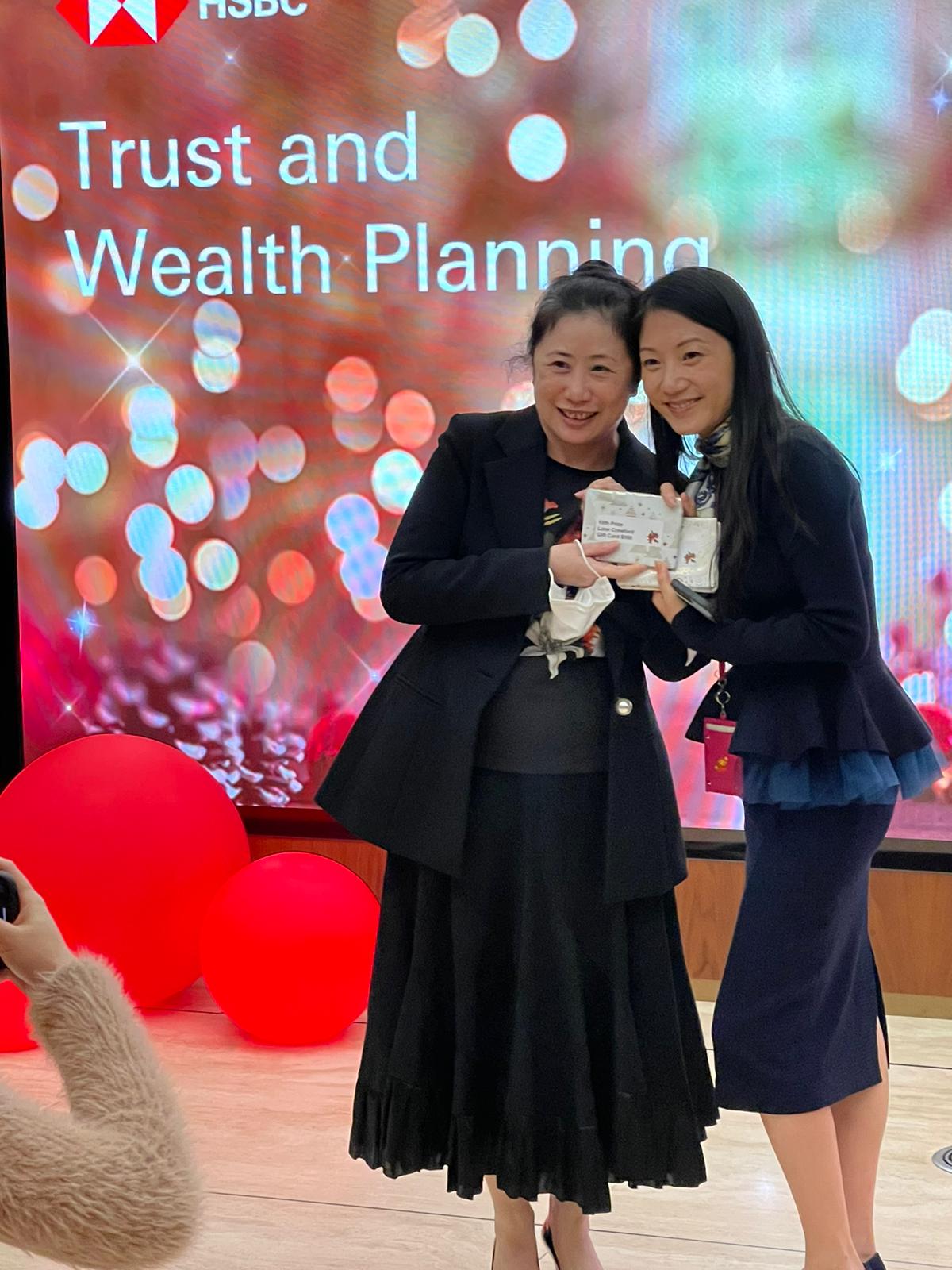
On 1 December 2022, our Partners and Heads of SW Private Client, Ms. Catherine Por and Ms. Wendy Lam, were invited by HSBC Global Private Banking to attend the Trust and Wealth Planning Christmas Cocktail Reception at HSBC Main Building in Central.
HSBC Global Private Bank is our long-term partner in private wealth solutions for high-net-worth individuals. We would like to take this opportunity to thank HSBC Global Private Banking for the invitation and the wonderful evening.
Our Partner Ms. Lam won a prize in the lucky draw.
For more information, please contact our Partners Ms. Catherine Por or Ms. Wendy Lam.