News Updates
Find out all about our firm’s latest news updates below. To learn more about any individual item, please contact us here.
 Stevenson, Wong & Co.
News Updates
Find out all about our firm’s latest news updates below. To learn more about any individual item, please contact us here.
Our firm’s Partner Ms. Lai Lam has been recognized as Trade Mark Stars 2020/21 by IP stars.
The research is conducted by an experienced team of research analysts from Hong Kong, London and New York. The aspects assessed for the firm rankings include expertise, workload, market reputation, track record, outcomes achieved for clients, and unique strengths in a given practice area. For a practitioner to be ranked by IP Stars, one must be highly regarded by their peers and/or clients or those that are integral to their firm’s success or reputation.

Lai was admitted to practise as a solicitor in Hong Kong in 1989, in England and Wales in 1993 and in Singapore in 1995. Lai joined the firm in 2002.
Lai’s practice covers all areas of intellectual property. She frequently advises on the selection and suitability of trade marks for use and registration; the proper use of trade marks; opposition and rectification proceedings; the drafting and registration of trade mark licences; and user agreements and the assignment of trade mark rights.
Lai has handled large trade mark portfolios for clients regionally and internationally, in both the private and public sectors and in various fields, including acting for leading international companies operating in fashion and luxury goods.
In addition, Lai is qualified as a member of the Asian Patent Attorneys Association and a former Board Member of Interlaw and Vice Chair for the Asia Pacific Region. She is currently the vice Chair for the Interlaw Diversity, Inclusion and Community Special Business Team for Asia Pacific. She has also been appointed as a Civil Celebrant of Marriages.
About IP Stars
IP Stars is the leading resource for companies or individuals looking for experienced legal practitioners for contentious and non-contentious IP advice. The Managing IP’s legal directory has been covering IP law and practice since 1990 and rebranded in 2013 as IP Stars.
In August 2020, The Stock Exchange of Hong Kong Limited (the “Exchange”) published “Guidance on Disclosures in Listing Documents and Continuing Obligations under Chapter 37 – Debt Issues to Professional Investors Only” (the “Guidance”), supplementing the consultation conclusions on “Review of Chapter 37 – Debt Issuers to Professional Investors Only” (the “Consultation Conclusions”). The Guidance and Consultation Conclusions relate to the listing regime for debt issues to professional investors only (the “Professional Debt Regime”) under Chapter 37 of the Rules Governing the Listing of Securities on Main Board of The Stock Exchange of Hong Kong Limited (the “Listing Rules”). For the updates on the Professional Debt Regime, please see our news update on the Consultation Conclusions here.
This update centres upon the guidance provided by the Guidance on debt issues to professional investors only under Chapter 37 of the Listing Rules (“Chapter 37 Debts”), which consists of (1) general guidance on disclosure to be included in listing documents for the Chapter 37 Debts, (2) specific guidance in relation to the disclosure requirement of particular types of debts with special features (the “DSSFs”), as well as (3) general guidance on issuers’ continuing obligations. The Guidance applies to the Professional Debt Regime under both Chapter 37 of the Listing Rules and Chapter 30 of the Rules Governing the Listing of Securities on the Growth Enterprise Market of the Exchange.
1. Disclosure for Chapter 37 Debts and DSSFs
1.1. What are DSSFs?
DSSFs are debts with the special features that render debt securities “complex”[1]. The Guidance provided a non-exhaustive list of special features including:
(a) perpetual or subordinated debt securities;
(b) variable or deferred interest payment terms;
(c) extendable maturity dates;
(d) convertible or exchangeable;
(e) have contingent write down or loss absorption features; and
(f) with multiple credit support providers and structures.

1.2. General Disclosure Guidance
Disclosures in a Chapter 37 Debt listing document should be commensurate with the customary expectation of professional investors, especially when such investors also include high net worth individuals. Customarily expected disclosures for Chapter 37 Debts would usually include:
(a) a summary of key terms and conditions.
(b) financial information on the obligors, considering what level of financial disclosure would be required for investors to make an investment decision, including any credit assessment of the debt security.
(c) risk factors relating to the obligors, their businesses, and the Chapter 37 Debts, which may include:
(i) structural or other risks associated with the Chapter 37 Debts such as subordination, security and credit support;
(ii) for state corporations, prominent disclosure on the relationship with the government and level of financial support from the state; and in case the latter is no longer available, state that the repayment obligations of the Chapter 37 Debts remain solely on the issuer;
(iii) highlighting the risks that where the trustee or a prescribed proportion of holders of the Chapter 37 Debts can modify, waive or make other decision which may adversely affect the interests of individual or its minority holders, and that their recourse may be limited;
(iv) the full terms and conditions of the Chapter 37 Debts;
(v) a description of the use of proceeds of the Chapter 37 Debts;
(vi) business disclosure on the obligors, for example where an individual obligor has a fundamental role in fulfilling payment obligations of the debt securities, information on the business of this obligor, which the investors might not otherwise require or expect in the disclosure;
(vii) a summary of key taxation consequences associated with dealings in the Chapter 37 Debts;
(viii) any restrictions on the subscription and sale of the Chapter 37 Debts; and
(ix) any other material information that may be necessary to facilitate investors in making an informed investment decision.
(d) Issuers should consider the particular features of the Chapter 37 Debts which investors would expect to be drawn to their attention, particularly those of DSSFs that affect the investors’ rights (“Product Features”).
(e) Issuers should avoid misleading terminology when describing Chapter 37 Debts, which should have a title or description of the obligors that reflects the type of credit support being provided.
(f) Issuer should consider prominent disclosure of the key terms and structure of Chapter 37 Debts, highlighting any Product Features and risks. It may be appropriate to include a disclaimer or cautionary statement on the front cover of the listing documents, highlighting the key Product Features of DSSFs which could have an impact on investors’ rights.
(g) Issuers should include in the listing document:
(i) on the front or inside cover of the listing document, a disclaimer statement under Listing Rules 37.27 stating that Hong Kong Exchanges and Clearing Limited and the Exchange take no responsibility for the contents of the document, make no representation as to its accuracy or completeness, and expressly disclaim any liability;
(ii) a responsibility statement under Listing Rules 37.28 stating that the issuer accepts full responsibility for the accuracy of the information contained in the document and that there is no omission of other facts that would make any statement therein misleading; and
(iii) on the front cover of the listing document a caution statement stating that the Exchange has not reviewed the contents of the listing document, other than to ensure that certain prescribed form disclaimer or statements have been reproduced in the listing document, and that the listing is not to be taken as an indication of commercial merits, credit quality of the bonds or the issuer or guarantor, or quality of disclosure in the listing document.
(h) Issuers should clearly indicate the intended investors for the Chapter 37 Debts.

1.3. Specific Disclosure Guidance for DSSFs
The table below sets out the specific guidance on each type of DSSFs. Issuers should consider the type of disclosure that investors would customarily expect in a listing document in order to understand the particular type of DSSF, its Product Features and risks associated with investing in such.
|
Description or Definition adopted in the Guidance |
Guidance on disclosure |
| I. Perpetual debt securities | |
| Debt securities with no fixed maturity date or with variable or deferred payment terms. | (a) The ability of the issuer to defer or cancel distribution payments and the details and means of such, whether such deferral or cancellation can be exercised for an unlimited number of times and whether any deferred or cancelled distributions are cumulative or forfeited;
(b) The impact of any “pushers” or “stoppers” in relation to distributions, and their impact on investors; (c) The perpetual nature of the securities and the nature of any redemption rights by the issuer; (d) If the debt securities are subordinated, the status of such debt securities and how they rank relative to the issuer’s existing and future indebtedness; (e) The circumstances where the rate of distribution can be reset or adjusted and the consequential impact on investors, while where there is no reset or adjustment to the distribution rate, a more robust risk factor emphasising the perpetual nature of the debt securities may be appropriate; (f) The limited remedies for default or non-payment; and (g) Issuers may also consider highlighting any legal and/or commercial drivers behind the issuance of the debt securities, if this would be helpful for investors to evaluate the issuer and the nature of the debt. |
| II. Debt securities with extendable maturity dates (also known as “EMT Securities”) | |
| Debt securities where the maturity dates of the debt securities (“Original Maturity Dates”) can be extended to later dates (the “Extended Maturity Dates”) at the option of the issuers. | (a) The possible delay in receipt of payment of the final redemption amount, including the fact that such delay will not result in any right of holders to accelerate payments or take action against the obligors;
(b) Where the rate of interest or calculation of such is different during the period from the Original Maturity Date to the Extended Maturity Date, a description of the new rate of interest or the new calculation method; and (c) (If applicable) Any restrictions imposed on the issuer under the terms and conditions where it has elected to extend the Original Maturity Date. |
| III. Convertible bonds and exchangeable bonds (also known as “EQL Securities”) | |
| Debt securities:
(1) convertible into or exchangeable for equity securities (“Underlying Shares”) or other property (“Exchange Property”); and (2) with non-detachable rights to subscribe or purchase equity securities or other property attached. |
(a) The nature of the Underlying Shares and dividends payable;
(b) The description of the Exchange Property, stating any risks associated with it; (c) The conversion price or exchange ratio, with a description of the conversion or exchange right and the process for exercising the conversion or exchange right; (d) The nature of any adjustments to (i) the conversion price or (ii) the Exchange Property, and other anti-dilutive investor protection; (e) Any ability on the part of the issuer to elect to pay cash in lieu of delivering shares upon any exercise of the conversion or exchange right; (f) The nature of any redemption rights by the issuer and/or investors; (g) The nature of any lock up imposed on the issuer and/or major shareholders around future dealings in the EQL Security and/or the Underlying Shares; (h) Any key risks relating to the Underlying Shares; (i) The nature of any related party transactions; and (j) Information on substantial shareholders of the issuer. |
| IV. Debt securities with contingent write down or loss absorption features (also known as “CWD Securities”) | |
| Debt securities with a provision requiring a principal amount of the instrument to be written down, or converted into ordinary shares, upon the occurrence of a triggering event. | (a) The ability of the issuer to cancel distributions;
(b) The impact of any “stoppers” in relation to distributions, and their consequential impact on investors; (c) If the CWD Securities have no maturity date, the perpetual nature and the nature of any redemption rights by the issuer; and where investors have no right to require redemption, issuers should consider highlighting such a risk; (d) The ability of the issuer to require a principal amount of the instrument to be written down, or converted into ordinary shares, the consequence of such, and its impact on the investor’s rights; (e) For subordinated CWD Securities, the status of such and how they rank relative to other existing and future indebtedness; (f) The circumstances in which the rate of distribution could be reset or adjusted and the impact on investors; (g) The limited remedies for default or non-payment; and (h) To the extent the CWD Securities qualify for regulatory capital treatment, disclosure of such treatment together with disclosure on the key regulatory capital requirements, current regulatory capital ratios and any applicable resolution regime. |
| V. Debt securities with multiple credit support providers and structures (also known as “MCS Securities”) | |
| Debt securities which have the benefit of security or other types of credit support and/or contains more than one obligor (which may include the issuer, guarantor, keepwell provider, letter of comfort provider, and standby letter of credit provider). | (a) A summary of the key terms of the credit support, which may include the form of document evidencing the terms of the credit support, such as the form of letter of comfort or standby letter of credit, and the ranking and status of the credit support;
(b) Clear identification of each credit support provider, including any subsidiary guarantor (if applicable); (c) The business and risk on each credit support provider, credit support structure, identity and nature of the credit support provider, the relationship between the credit support provider and the issuer, the regulatory regime governing the performance of the credit support and the nature of the credit support, including the level of protection afforded to holders of such; and (d) For a standby letter of credit, where the MCS Security involves complex arrangements regarding pre-funding, notifications and drawings, a description of such arrangements, and the consequences of and risks associated with any failure in the operation of such arrangements. |
| VI. Other types of complex debt securities | |
|
– |
Other features, structures or terms of Chapter 37 Debts not described above that warrant additional disclosure due to their complexity, unusual nature, level of risk posed to investors or otherwise. |
The Exchange will maintain its current approach in relation to disclosure requirements and vetting for Chapter 37 Debts. It is the issuers’ responsibility to ensure that their listing documents contain information that is customarily expected by the investors in a listing document for making informed investment decisions. Issuers should also consider any Product Features and the associated risks of investing in the debt securities with such features.

2. Post-Listing Continuing Obligations
General Guidance in relation to Continuing Obligations for Chapter 37 Debts
The Guidance also reminds the issuers of Chapter 37 Debts of their continuing obligations, particularly:
(a) Issuers and guarantors should consider at all times whether they would be required to disclose information, pursuant to the continuing disclosure obligations under Listing Rules 37.47(b), 37.47A and 37.47B(a);
(b) Issuers must comply with the Listing Rules in force from time to time under Listing Rules 37.46, failing which the issuers may be subject to disciplinary action including cancellation or suspension of the Chapter 37 Debts and public or private sanctions against the issuers, and/or other appropriate actions under Listing Rules 2A.09; and
(c) Issuers and guarantors may be required to provide the Exchange with their annual accounts or any interim reports when they are issued, or to notify the Exchange when such accounts or reports are published on a website under Listing Rules 37.53.
Implications and Conclusion
This Guidance promotes disclosure consistency and quality of listing documents and reminds issuers of their post-listing continuing obligations. Having been issued along with the Consultation Conclusions, the duo clarifies and strengthens the Professional Debt Regime amid rapid debt capital market development. Particularly, the Guidance has provided specific examples of disclosable contents according to the type of DSSFs, which can better accommodate and regulate the complex debt issues nowadays. The review and guidance regarding the Professional Debt Regime further fortify Hong Kong as an international finance centre and promise greater certainty and predictability for the bond market.
This article is authored by Rodney Teoh (Partner, Corporate Finance). Please contact our Rodney Teoh for any enquiries or further information.
This newsletter is for information purpose only. Its content does not constitute legal advice and shall not be treated as such. Stevenson, Wong & Co. will not be liable to you in respect of any special, indirect or consequential loss or damage.
In August 2020, The Stock Exchange of Hong Kong Limited (“HKEx”) issued a consultation conclusion on “Review of Chapter 37 – Debt Issues to Professional Investors Only” (the “Consultation Conclusions”). It followed the publication of “Consultation Paper on Review of Chapter 37 – Debt Issues to Professional Investors Only” (the “Consultation Paper”) in December 2019. HKEx also published a guidance (the “Guidance”) on disclosures in listing documents of debt issues and issuers’ continuing obligations under Chapter 37 of the Rules Governing the Listing of Securities on Main Board of The Stock Exchange of Hong Kong Limited (the “Listing Rules”).
Chapter 37 of the Listing Rules stipulates the listing regime of debt issues (i.e. bond issuances) to professional investors only (the “Professional Debt Regime”). Such regime has been in operation for eight years, pursuant to which there is no prescribed disclosure requirement, and vetting by HKEx is limited to the fulfilment of eligibility requirements and the inclusion of the prescribed disclaimers and certain statements in the listing documents. HKEx considers that it is now appropriate to ensure that the rules and the regulatory approach continue to be supported by the market and to explore measures to enhance market quality.
For this update, we will focus on the proposals and implementation as discussed in the Consultation Conclusions.
The New Professional Debt Regime
HKEx set out in the Consultation Conclusions a summary of proposals being adopted or otherwise, their way forward. Any amendments to the Listing Rules or The Rules Governing the Listing of Securities on GEM are set out in Appendix III and Appendix IV of the Consultation Conclusions, respectively, and will come into effect on 1 November 2020.
The table below summarises the key responses from HKEx of the Professional Debt Regime:
| Area of Comments | Key Response from HKEx |
| Eligibility requirements | ● The net assets value requirement of an issuer will increase from HK$100 million to HK$1 billion.
● Corporations controlled or majority owned by central government (such as, in the case of PRC, PRC central ministries and the State-owned Assets Supervision and Administration Commission of State Council) will continue to be exempted from observing the eligibility requirements under the Professional Debt Regime (the “Eligibility Requirements”). ● A minimum issue size of HK$100 million (or equivalent in other currencies) will be introduced, other than tap issues (i.e. issues of debt securities where the subscription thereof may continue or further tranches thereof may be issued after listing has been granted). |
| Issuer statement on the intended investor market | The issuer should state explicitly on the front cover of the listing document that the intended investor market are professional investors only. |
| Publication of listing documents | ● Listing documents are required to be published on the listing date on HKEx’ website.
● Redaction of information in any published listing document is not allowed. |
| Disclosure and vetting of listing documents | ● The current disclosure and vetting approaches will continue.
● The Guidance is also issued to cover bond issuances with specified special features (which render such bonds “complex” as posted on the SFC’s website[1]) and other disclosure-related matters. ● There should not be any difference in the standards applied to high net worth investors and institutional investors in respect of debt issues to professional investors only under Chapter 37 of the Listing Rules (“Chapter 37 Debts”). Nevertheless, issuers should consider the type of information which investors would customarily expect when drafting the listing document of the Chapter 37 Debts. |
| Definition of professional investors | The definition of professional investors will include high net worth individuals, such that the definition will align with that under the Securities and Futures Ordinance (Cap 571 of Laws of Hong Kong). |
| Issuer’s or guarantor’s eligibility concerning issuance by real estate investment trust (“REIT”) | ● The eligibility of a REIT issuer or REIT guarantor will be assessed by reference to the assets and audited financials of a REIT, respectively, provided that the issuer or guarantor has recourse to the assets of the REIT to satisfy the obligations under the Professional Debt Regime.
● REIT issuers or REIT guarantors are exempted from Eligibility Requirements if the relevant REITs are listed on HKEx. |
| Enhancement of continuing obligations of issuers and guarantors under Chapter 37 | ● Issuers and guarantors should:
(1) respond to enquiries made by HKEx promptly; (2) make announcement of default or matters leading to or involving winding up and/or liquidation, which should cover contractually-appointed receivers or managers, in case they undertake any “equivalent actions” in relation to matters set out in Rules 37.47E(b) and 37.47E(c); (3) make announcement on developments after trading suspension of Chapter 37 Debts; (4) make announcement of information to avoid a false market or information having material effect on a guarantor’s ability to meet its obligations under debt securities “as soon as reasonably practicable” (as opposed to “immediately”); and (5) announce information having a material effect on their ability to meet their obligations under listed debt securities. ● Guarantors should continue to comply with the continuing obligations set out in Rule 37.44 to 37.53 of Listing Rules as a matter of existing practice. |
| Streamlining the listing application process | ● The existing requirements to submit copies of constitutional documents and resolutions as part of the listing application documents will be replaced with a requirement to provide written confirmation by the issuer (or guarantor, as the case may be) in relation to its due incorporation, capacity and authorisation, except that the issuer (or guarantor, as the case may be) remains required to submit copy of the approvals authorising the issue and listing of shares under Rule 37.35(j) of the Listing Rules, if an issue is convertible into shares.
● The existing requirement to submit last published financial statements will be replaced with a new requirement for an issuer (or the guarantor that an issuer relies in fulfilling the Issuer Eligibility Requirements) to submit its audited financial statements to evidence its fulfilment of the issuer’s Eligibility Requirements. |
| Clarify the scope of supplementary listing document | Supplementary listing document should include a pricing supplement. |
| Minor housekeeping modifications | Minor housekeeping modifications are adopted to improve clarity of the rules and correct certain typographical errors. |

Implications and Conclusion
The previous review on Chapter 37 of the Listing Rules took place eight years ago. Since then, there has been significant development in the market, with concerns on retail investors protection, and the appropriateness of disclosure of certain Chapter 37 Debts. The current review responds to the need to safeguard investors whilst maintaining an effective and appropriate listing platform for the continued development of the bond market in Hong Kong.
Some aspects of the reform, such as the enhancement of continuing obligations and other disclosure requirements, can certainly increase the compliance costs on issuers. The new Eligibility Requirements may also pose difficulty to some asset-light issuers or special purpose vehicles to list their debt securities under the Professional Debt Regime.
Having said the above, the significant market growth and expansion also reflect the attractiveness of this streamlined process of debt issuance. The current review can further strengthen public confidence and boost demand for the Chapter 37 Debts and promote overall quality of the Hong Kong debt capital market.
This article is authored by Rodney Teoh (Partner, Corporate Finance). Please contact our Rodney Teoh for any enquiries or further information.
This newsletter is for information purpose only. Its content does not constitute legal advice and shall not be treated as such. Stevenson, Wong & Co. will not be liable to you in respect of any special, indirect or consequential loss or damage.
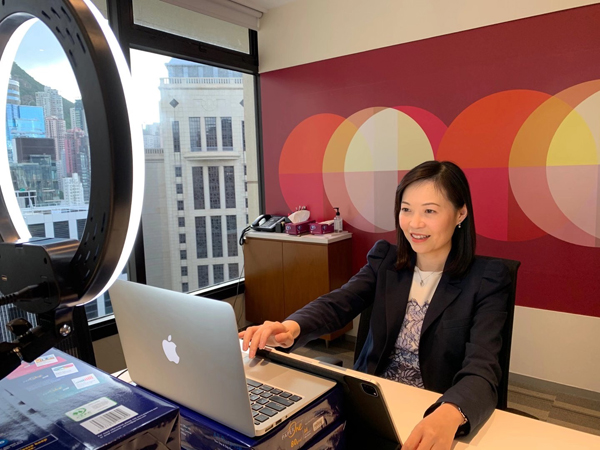
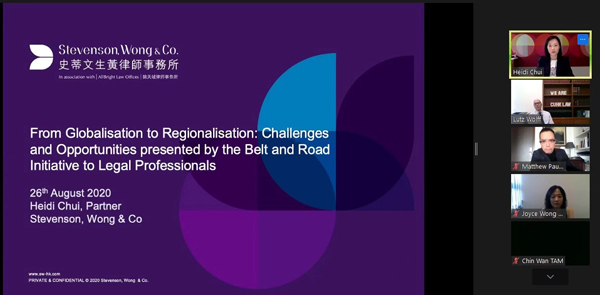
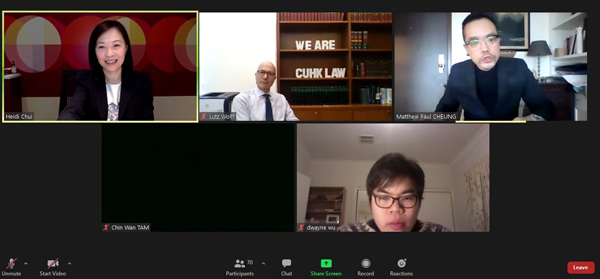
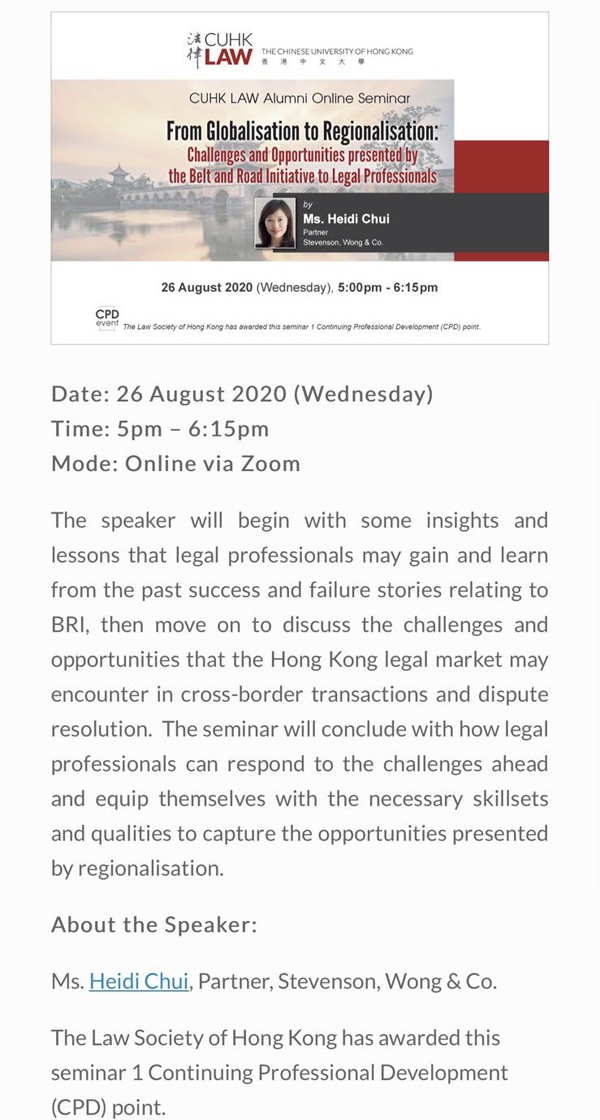
(中文) 2020年8月26日,本所合伙人,诉讼及争议解决部和银行及金融部主管徐凯怡律师获邀为香港中文大学法律学院讲座主讲嘉宾。
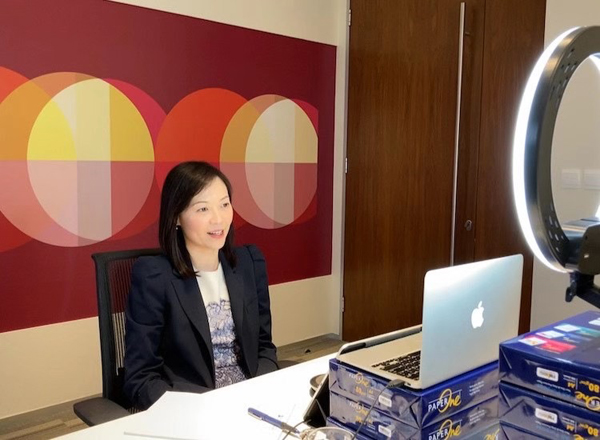
本次线上分享由香港中文大学法律学院主办。徐律师在线上为一百多位校友带来了主题为“从全球化到区域化:一带一路倡议为法律专业人士带来的机遇及挑战” (From Globalisation to Regionalisation: Challenges and Opportunities presented by the Belt and Road Initiative to Legal Professionals) 的分享。
香港中文大学法律学院院长Professor Lutz Wolff为本次讲座致欢迎词,徐律师分享了科技对法律及金融服务行业带来的影响,并与来自全球各地的法律学院旧生们交流互动。
若阁下想了解更多详情,请联络本所合伙人徐凯怡律师 (heidi.chui@sw-hk.com)。
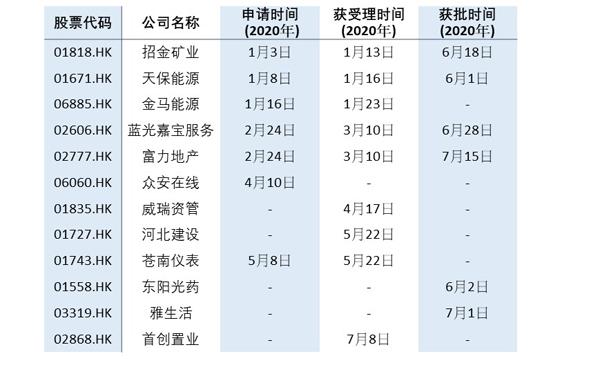
(中文) 自从2019年中国证监会宣布将全面推开H股“全流通”申请以来,截至2020年7月31号,已有至少12家H股企业向中国证监会提出了申请。自2020年6月开始,陆续有多家企业获批“全流通”资格,包括天保能源(01671.HK)、招金矿业(01818.HK)、蓝光嘉宝服务(02606.HK)、东阳光药(01558.HK)、雅生活(03319.HK)和富力地产(02777.HK)。雅生活和天保能源率先于7月28日和29日公告正式完成内资股转为境外上市股份并在香港联合交易所有限公司(下称“香港联交所”)上市的工作,成为H股“全流通”全面推开后最先完成股份转换全部程序的公司。2020年8月25日起公开招股,预期在9月8日登陆香港联交所的农夫山泉(9633.HK)是“全流通”全面推开后首家在IPO时已同步申请将部分内资股转换为境外上市股份的H股企业。根据农夫山泉的招股书披露,大股东养生堂持有的部分内资股及69位个人股东持有的内资股转换为H股在港上市流通,转换的股份占其公开发行后总股本的约41%。
H股“全流通”简单来说,就是将H股公司的境内未上市股份转换为可以在香港联交所上市流通的股份。H股公司扩大在香港上市股份的流通规模后,将能吸引更多投资者,也能促使大股东更关注公司股价表现,长远有利于公司发展和股东利益。多只H股在公布递交“全流通”申请及“全流通”申请获批后,股价表现良好,也证明了投资者普遍看好“全流通”对H股公司的提振作用。
随着H股“全流通”的全面铺开,将会有越来越多的H股公司加入申请行列。本文旨在从内地及香港法律实务的角度探讨H股“全流通”新规的适用范围,申请流程和其它实务问题,以供有意申请“全流通”的企业参考。
1. H股“全流通”的发展历程
让我们首先来简单回顾一下H股公司股份上市流通政策的发展历程。
“H股”是指中国境内成立的股份有限公司通过香港联交所发行上市的,并由境外投资者认购的股票。而发行H股的企业在境内已发行但未上市流通的股份则可分为由内资股东持有的“内资股”及由外资股东持有的“非上市外资股”( 以下合称“非流通股”或 “境内未上市股份”)。境内未上市股份不能在香港联交所上市流通。1993年7月15日青岛啤酒股份有限公司(00168.HK)首次采取“法人股与国有股不参与H股上市”的方式在香港发行H股,确立了H股发行人内资股及非上市外资股不在香港联交所上市流通的原则。
首家H股“全流通”公司
2005年,建设银行(A股代码:601939.SH,H股代码:00939.HK)突破了H股非“全流通”的局面,成为首间在香港联交所上市的H股“全流通”公司。
H股“全流通”试点阶段
为了增加以H股方式上市的上市公司非流通股的流动性,允许H股公司非流通股股东通过香港联交所退出,从而增加以H股方式上市对境内企业的吸引力,中国相关部门积极推动“全流通”。
中国证监会在2017年12月提出开展H股“全流通”试点,以“成熟一家、推出一家”的方式有序推进该次试点,试点企业不超过3家。2018年4月23日,联想控股(03396.HK)获中国证监会批准参加H股“全流通”试点,成为首家试点企业。此后,中航科工(02357.HK)和威高股份(01066.HK)分别成为第二和第三家试点企业。三家企业的27名股东持有的约71亿股份获准转为H股,试点平稳完成,取得良好的成果。
H股“全流通”全面推开阶段
中国证监会于2019年11月14日发布《H股公司境内未上市股份申请“全流通”业务指引》(下称“《全流通业务指引》”);其后于2019年12月31日,中国证券登记结算有限责任公司(下称“中国结算”)和深圳证券交易所联合发布《H股“全流通”业务实施细则》(下称“《全流通业务实施细则》”),明确规范H股上市公司境内未上市股份在香港股票市场流通的相关业务。

2. H股“全流通”的申请概况
截至2020年7月31日,已有至少12家H股上市公司向中国证监会国际部提出H股“全流通”申请,概况如下:
3. H股“全流通”新规的进一步突破
3.1 H股“全流通”的适用对象和范围
根据《全流通业务指引》的规定,符合条件的已上市H股公司以及拟申请H股IPO的公司,均可依规申请“全流通”;可以申请“全流通”的股份则包括:
(1)企业境外上市前境内股东持有的内资股;
(2)境外上市后在境内增发的内资股;及
(3)外资股东持有的未上市流通股份。
此外,所谓的“全流通”申请,未必一定是申请境内未上市股份100%转换为H股。根据《全流通业务指引》的规定,在(1)符合相关法律法规;(2)国有资产管理规定;(3)外商投资政策和(4)行业监管政策等要求的前提下,境内未上市股份股东可自主协商确定申请流通的股份数量和比例,并委托H股公司提出“全流通”申请。例如在蓝光嘉宝服务(02606.HK)的“全流通”申请中,只涉及控股股东蓝光发展透过其子公司所持有的1.15亿股(占非流通股本中的89.97%),而由其它股东持有的非流通股则未列入申请。
3.2 不再对公司规模、行业等设置限制条件,不设家数限制和完成时限
根据《中国证监会新闻发言人就全面推开H股“全流通”改革答记者问》(下称“《全流通答记者问》”),中国证监会明确不再对拟申请H股“全流通”的公司之规模、行业等设置限制条件,在满足外资准入等管理规定的情形下,公司和股东可自主决策,依法依规申请实施“全流通”。

4. H股“全流通”的申请程序
4.1 股东的决策
根据《全流通业务指引》,持有境内未上市股份的股东应协商确定申请流通的股份数量和比例,并委托H股公司提出“全流通”申请。因此,拟申请H股“全流通”的股东应当首先就其持有的非上市股份转换为H股履行相应的决策程序并获得批准。
4.2 H股公司内部决议
H股公司的非流通股转换为H股是否需要取得股东大会的批准,取决于其公司章程的规定。
H股公司的境内未上市股份和上市流通的H股被视为不同类别的股份。因此,将境内未上市股份转换为H股涉及到变更类别股东的权利。而根据《到境外上市公司章程必备条款》的规定,变更类别股东的权利需经过股东大会特别决议及类别股东大会才能通过。
但是,在H股全流通全面铺开之前,部分H股公司已经在其公司章程中载入了例外规定,列明经中国证券监督管理机构批准,公司非流通股股东可将其持有的股份在境外上市交易,不需经过股东大会或类别股东大会审议通过。
实践中,部分H股公司在申请“全流通”前已先行修改公司章程,明确“全流通”不适用于股东大会/类别股东会的表决程序。例如众安在线(06060.HK)在2018年12月修改公司章程,当中加入非流通股转换为外资股并在境外证券交易所上市交易的情形,不需要召开股东大会表决的表述。这种做法在2019年11月15日发布的《全流通答记者问》的第五问中得到了中国证监会的认可。
也有的H股公司,例如东正金融(02718.HK),则按其原有章程的规定召开临时股东大会及类别股东会议审议批准“全流通”的申请。
4.3 国资监管程序 / 行业部门监管程序
中国证监会在《全流通答记者问》的第四问中就该问题做出了如下解释,“金融、类金融行业公司,以及其他对股东资质设置准入要求行业的公司,申请H股‘全流通’原则上应当事先取得行业监管部门同意。国有股东所控股公司,及国有股东所持股份申请‘全流通’,应当符合国有股权监督管理有关规定。”

4.4 向中国证监会提出申请
根据《全流通业务指引》,申请“全流通”的H 股公司,应当按照“股份有限公司境外公开募集股份及上市(包括增发)审批”行政许可程序向中国证监会提出申请,申请所需材料包括:
中国证监会在2019年11月15日公布《H股公司境内未上市股份申请“全流通”审核关注要点》,列出以下审核关注要点:

4.5 获得香港联交所批准
“全流通”申请获中国证监会批准后,公司便需要就新股份上市取得香港联交所的批准。
根据香港交易所上市决策 HKEx-LD56-1 (2006 年 9 月)“被 Y 公司持有的 X 公司内资股可否及在甚么情况下可以作为 H 股在联交所上市并在公开市场发售?”之相关表述,联交所认为:
4.6 完成股份跨境转登记程序
根据《全流通业务实施细则》的规定,“全流通”股份跨境转登记具体涉及三方面:第一,H股公司向中国结算申请办理相关股份境内退出登记;第二,H股公司按照香港市场规定办理相关股份登记程序;第三,股份集中存管:相关股份在境内集中存管于中国结算,并以中国结算的子公司中国证券登记结算(香港)有限公司(下称 “中国结算香港”)作为名义持有人,将上述股份集中存管于香港中央結算有限公司 (下称 “香港结算”)。
4.7 外汇登记
境内股东在完成H股“全流通”后亦应遵守与H股有关的外汇管理规定并履行相关外汇备案手续,到股东注册所在地外汇局办理股份境外上市登记,境内股东取得境外持股登记证明。
5. 全流通后,境内股东如何买卖股票
“全流通”股份跨境转登记完成后,境内股东可通过境内证券公司参与“全流通”相关股份的买卖。境内股东通过其境内证券公司提交交易委托指令,传递至上述证券公司指定合作的香港证券公司,由香港证券公司按照香港联交所规则在香港市场进行相应的证券交易。
另外,由于境内股东会先将其持有的股票以中国结算的名义托管在中国结算香港,再以中国结算香港的名义存管于香港结算,境内股东不会出现在上市公司的境外股东名册中,而是以“香港中央结算(代理人)有限公司”作为最终名义持有人列示于H股公司的股东名册。
本文由本所合伙人及企业融资部主管劳恒晃律师、高级律师刘砚枫、企业融资部高级经理黄虹及锦天城律师事务所何丹丹律师共同合著。如有任何查询,请联络劳恒晃律师。
于本文中提供的一切资料仅供参考,不构成任何法律意见,资料亦受制于适用规定及法例不时的更新与修改。若需取得相关法律意见,须咨询法律顾问。
The Society of Trusts and Estate Practitioners (STEP) has recently announced the finalists for each category of its 15th Annual STEP Private Client Awards (STEP PCA). Our firm’s partner, Ms. Sherlynn Chan, has been shortlisted as a finalist for “Vulnerable Client Advisory Practice of the Year”.

The competition this year is particularly intense. With a record-breaking number of nominations, STEP PCA has received 319 submissions across 27 countries. STEP PCA is judged by a worldwide panel of experts and is widely acknowledged as one of the most prestigious Awards in the industry.
The result will be announced at the first-ever Virtual Awards Ceremony on 9 Dec 2020.

About Ms. Sherlynn Chan
Ms. Sherlynn Chan, Partner of our firm and the Chairman and founding member of a charitable organization, MIP Care Resources Connect, specialises in private client work including contentious probate and family matters. She served as a Deputy District Judge in the Family Court in 2014 and is currently the Chairman of the Mental Health Law Committee of the Law Society of Hong Kong and Co-Chair of the Societies of Trusts and Estate Practitioners (STEP) HK’s Mental Health, Elderly and Capacity Law Sub-Committee.
She has been appointed by the High Court as Committee of the estate of mentally incapacitated persons and manages substantial assets on behalf of vulnerable clients.
About STEP Private Client Awards
The STEP Private Client Awards are seen as the hallmark of quality within the private client industry. The Awards recognise and celebrate excellence among private client solicitors, lawyers, accountants, barristers, bankers, trust managers and financial advisors.
Please contact Ms. Sherlynn Chan for more information or further enquiries.