News
Find out all about our firm’s latest news and activities below. To learn more about any individual item, please contact us here.
 Stevenson, Wong & Co.
News
Find out all about our firm’s latest news and activities below. To learn more about any individual item, please contact us here.
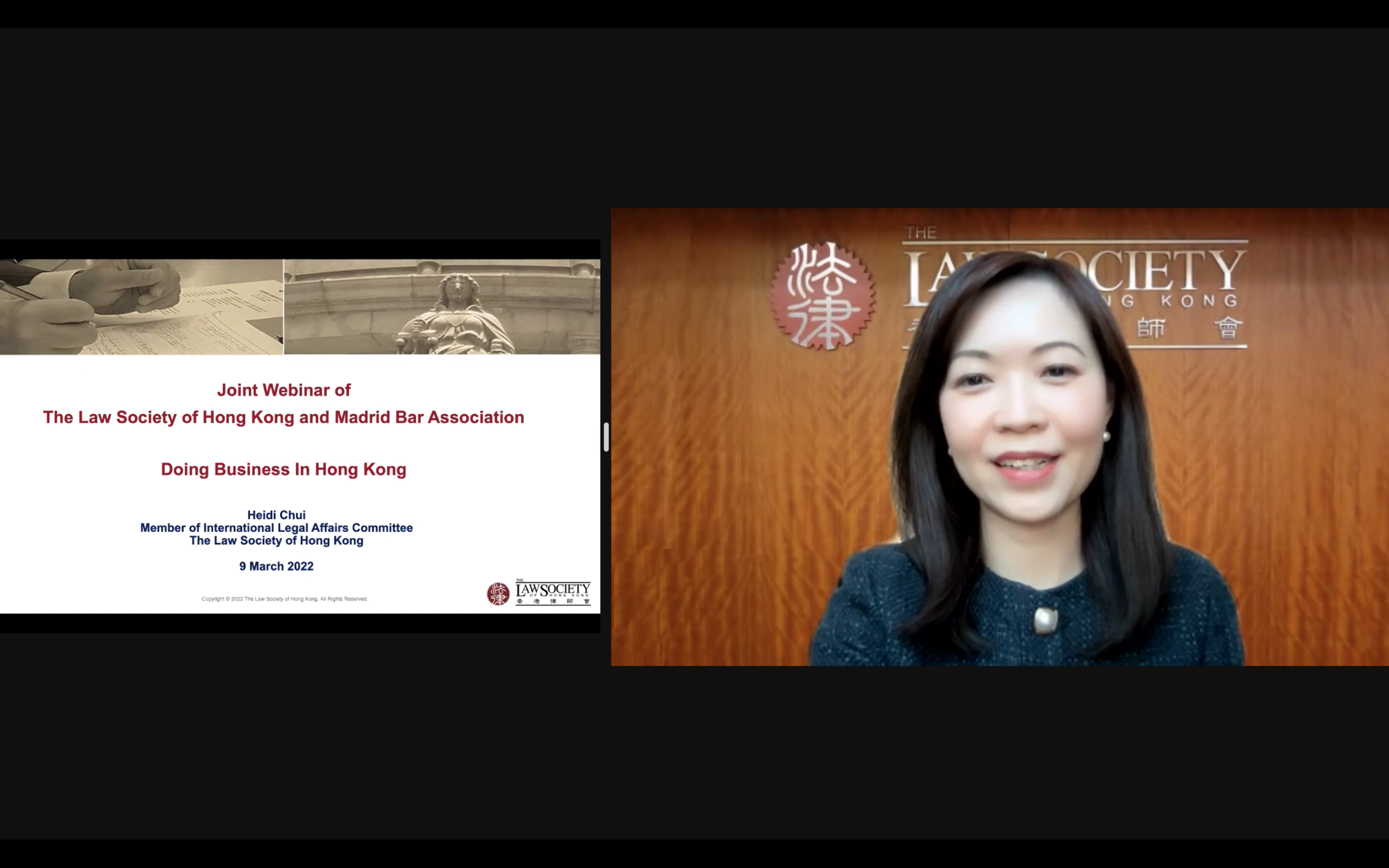
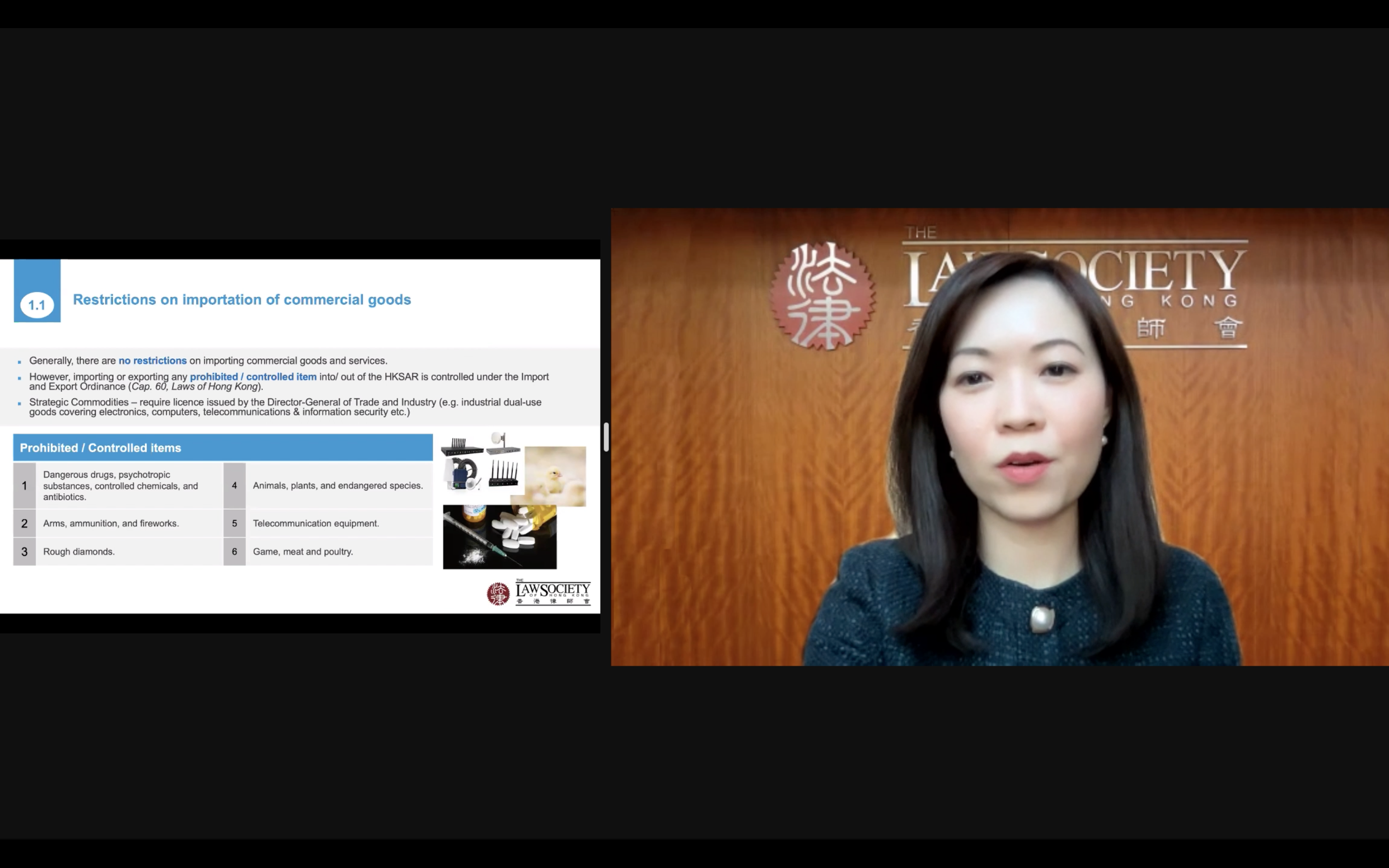
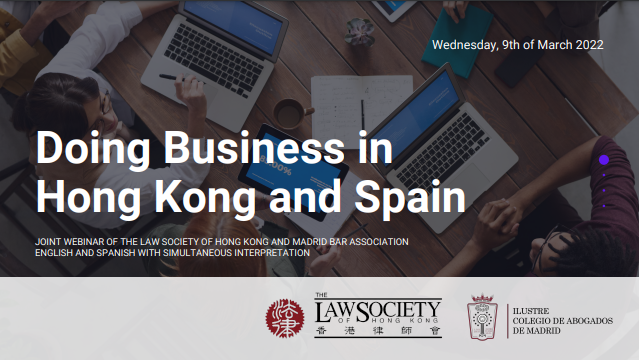
(中文) 2022年3月9日,本所合伙人、银行及金融部和诉讼及争议解决部主管徐凯怡律师,获香港律师会及马德里律师会邀请,为其合办之 “在香港和西班牙营商” 网络研讨会担任演讲嘉宾。本次研讨会采用英语和西班牙语同声传译,吸引了超过百余名来自不同司法管辖区的人士参加。
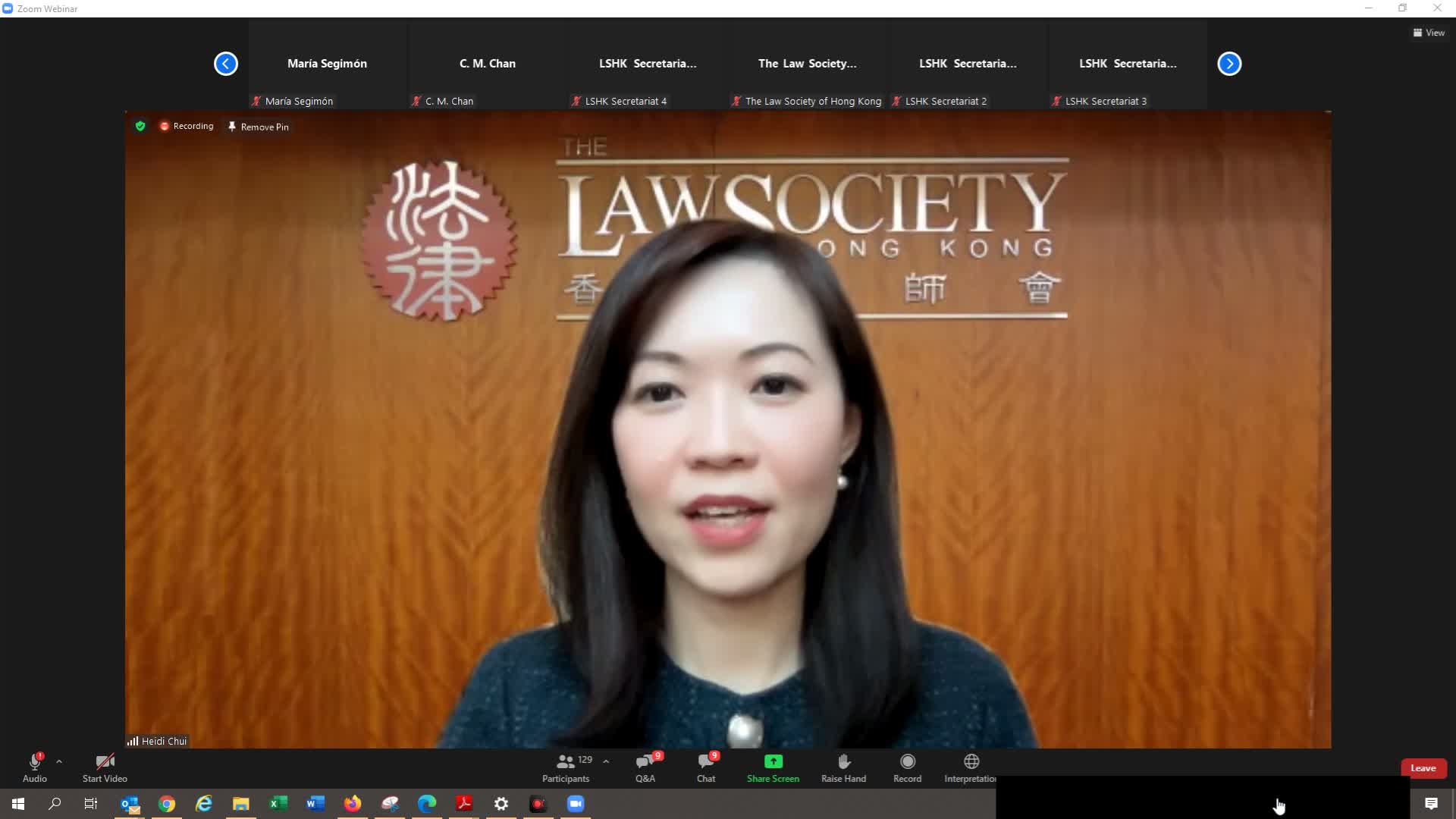
本所合伙人徐凯怡律师
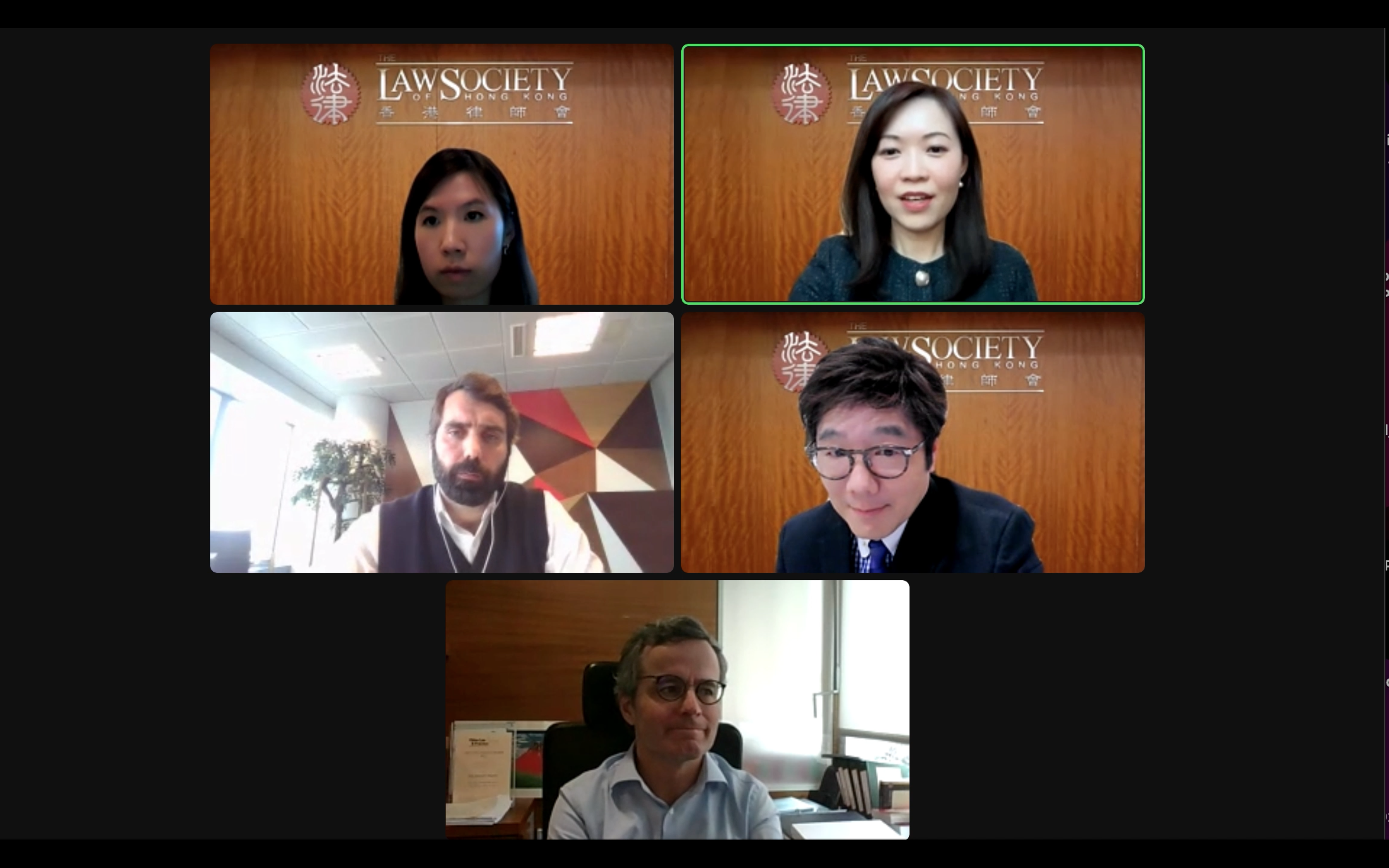
香港律师会会长陈泽铭律师、马德里律师会会长Mr. José María Alonso Puig、香港律师会副会长黎雅明律师和马德里律师会代表Ms. María Segimón出席了是次活动,并向与会者致辞。徐律师在会上详细解释了香港的进出口管制措施和《消费品安全条例》,并介绍了《内地与香港关于建立更紧密经贸关系的安排》(CEPA) 所带来的便利和香港海关的相关执法工作。此外,徐律师亦阐释了香港的竞争法,提醒与会者在香港营商的注意事项。
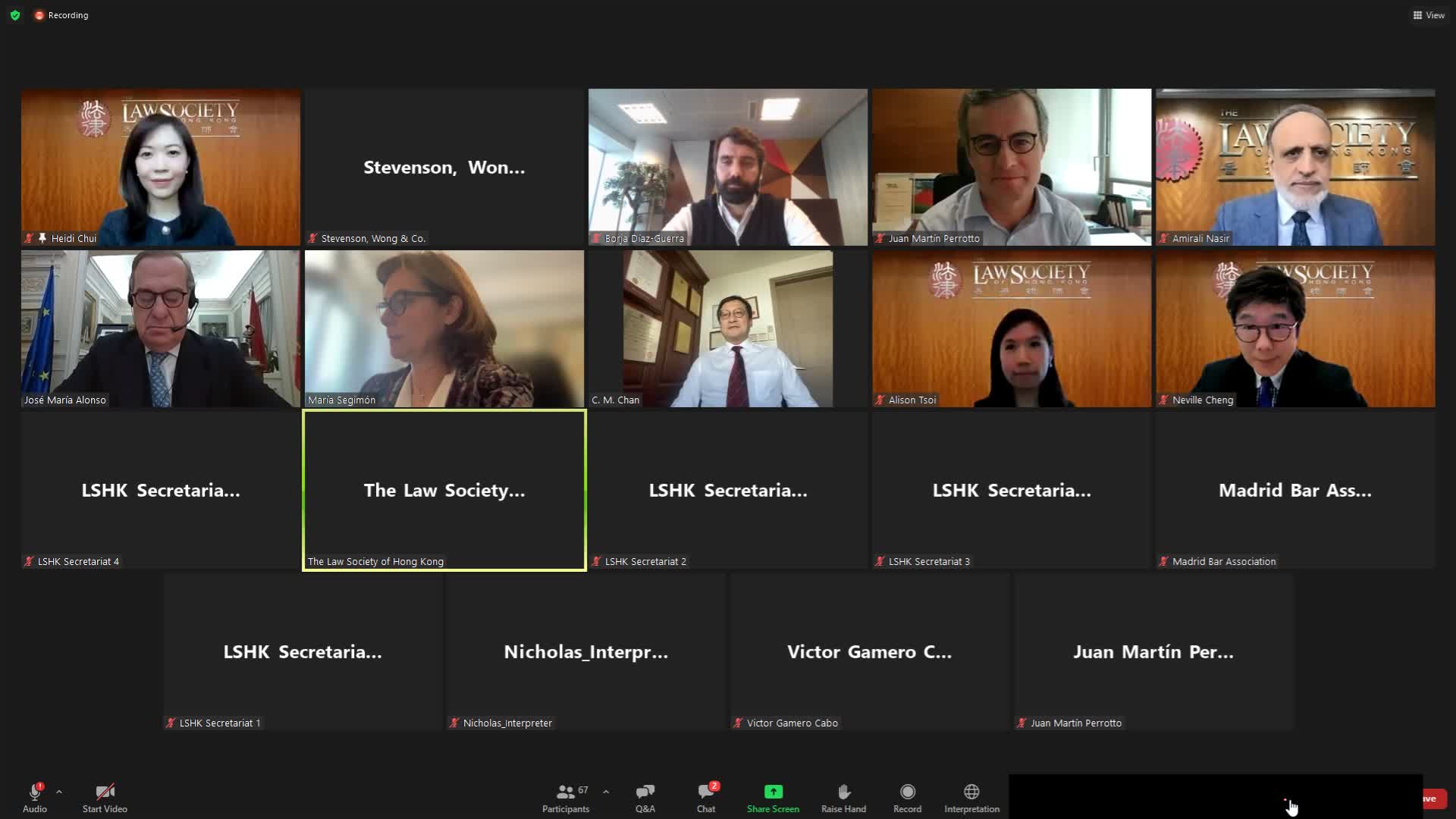
香港律师会会长陈泽铭律师 (第二排第三)、马德里律师会会长Mr. José María Alonso Puig (第二排左一) 、香港律师会副会长黎雅明律师 (上排右一) 和马德里律师会代表Ms. María Segimón (第二排左二)
与会者对本次网上研讨给予一致好评,并积极向演讲嘉宾提出发问。
如阁下有任何查询或想了解更多详情,请联络本所徐凯怡律师。
1. The rising significance of digital assets and tokens in Hong Kong
Digital assets, cryptocurrencies and tokens have captured increasing attention in Hong Kong. For instance, PwC Hong Kong has partnered up with the Sandbox in purchasing a virtual land in the Sandbox metaverse. NFTs dominate the recent discussions in the blockchain ecosystem. We also see massive development in the Hong Kong regulatory landscape – the Financial Services and the Treasury Bureau of Hong Kong (“FSTB”) published its consultation conclusion paper proposing a licence regime for virtual assets exchange (the “FSTB Conclusion Paper”) (see our news update here), the recent conclusion paper from the Hong Kong Monetary Authority (the “HKMA“) focusing on payment-related stablecoins (see our news update here), and a couple of initiatives from the Hong Kong Securities and Futures Commission (“SFC”) on Virtual Assets Service Providers (“VASPs”) and Securities Token Offering (“STO”). It is therefore important to discuss the different forms of digital assets and their regulatory implications in Hong Kong.
2. What are the different types of digital assets and tokens?
We outline below the various classifications of digital assets. While by no means exhaustive, they serve as a useful starting point for our discussion.
Digital assets
Broadly speaking, a digital asset is an intangible asset that may be created, traded, and stored in a digital format. It is a generic term which covers all forms/ classifications of assets to be illustrated below, such as virtual assets, cryptocurrencies, digital tokens, including non-fungible tokens (“NFTs”), and Central Bank Digital Currency (“CBDC”).
Virtual assets
According to the FSTB Conclusion Paper, virtual asset (“VA”) is a digital representation of value that: [1]
(i) is expressed as a unit of account or a store of economic value;
(ii) functions (or is intended to function) as a medium of exchange accepted by the public as payment for goods or services or for the discharge of a debt, or for investment purposes;
(iii) can be transferred, stored or traded electronically; and
(iv) is irrespective of the purported form of underlying assets and whether it is stable or not.
Based on the above definition and as will be further discussed below, the scope of VAs does not cover NFT. For regulatory purposes, it does not include CBDC.
VA is sometimes referred to as crypto-asset. There is no universal consensus among the community and the regulators as to which terminology prevails. For example, the term “VA” is deployed by the FSTB whereas “crypto-assets” is used by the HKMA.
Crypto-assets
According to the Financial Stability Board, crypto-asset refers to “a type of private digital asset that depends primarily on cryptography and distributed ledger or similar technology”.[2]
While it is used interchangeably with VAs, crypto-asset includes NFTs, which are a form of cryptographic tokens and not covered under the scope of VA.
Cryptocurrencies
A cryptocurrency is a digital or virtual currency that is secured by cryptography, which makes it almost impracticable to counterfeit or double-spend. It is a sub-set of each of (i) virtual assets and (ii) crypto-assets. The most well-known examples are Bitcoin and Ethereum.
Our other observations are:-
However, in practice, cryptocurrencies are not fully insusceptible to regulatory actions. In September 2021, the People’s Bank of China announced a blanket ban on all cryptocurrency transactions and mining. Overseas exchanges are barred from providing services to PRC-based investors. It also prohibited financial institutions, payment companies and internet firms from facilitating cryptocurrency trading in the PRC.
Stablecoins
Stablecoins are a sub-set of crypto-assets. According to the FSB and the Bank for International Settlements, stablecoins are defined as “a crypto-asset that aims to maintain a stable value relative to a specified asset, or a pool or basket of assets” and “cryptocurrencies with values tied to fiat currencies or other assets” respectively.[3]
Stablecoins can be designed for different purposes with a corresponding backing mechanism. It could be broadly categorised as (i) asset-linked stablecoins; or (ii) algorithm-based stablecoins. Asset-linked stablecoins are usually pegged to or backed by fiat currencies, commodities (e.g. gold), or other financial assets (e.g. securities). If they are linked to financial assets, arguably they can be considered as securities tokens as well.
CBDC
Unlike stablecoins, CBDC is “a digital form of central bank money that is different from balances in traditional reserve or settlement accounts”.[4] It is a digital payment instrument, denominated in the national unit of account, that is a direct liability of the central bank. It has a legal status, which distinguishes itself from cryptocurrencies (which are generally decentralised in nature).
The HKMA has explored a technology architecture of CBDC designed to enable households and businesses to hold and make payments with CBDC more safely.
Tokens
Tokens (or cryptographic/ digital tokens) are a digital representation of a physical asset or a utility that blockchain-based organisations or projects develop on top of existing blockchain networks. A token can have different natures and purposes at the same time.
Other features/ observations include:-

3. Why is it important to understand the different nature of digital assets?
Such categorisation is useful in understanding the nature of tokens for discussion purpose. Indeed, depending on the circumstances, the issue of digital assets may or may not attract jurisdiction from the SFC.
Taking NFTs as an example, given the non-standardised nature, some NFTs may be granted with “security”-like features and thus the issue of which would normally be regulated in Hong Kong. Whether it attracts regulatory scrutiny would require us to take a close look at not only the form but also the substance of such tokens.
Of course, regulation is not necessarily a bad thing – if the token constitutes a “security”, the token holder should deserve additional protection as an investor. On the other hand, it is important to strike a delicate balance between investor protection and over-regulation. Given the technicality involved, we encourage issuers especially start-ups to seek advice from professionals in order to understand their relevant legal positions and structure their token issuances accordingly.
If you have any specific plans to conduct a token offering, or would just like to have a general discussion on the above, please feel free to contact our Partner Mr. Rodney Teoh.
This newsletter is for information purposes only. Its content does not constitute legal advice and should not be treated as such. Stevenson, Wong & Co. will not be liable to you in respect of any special, indirect or consequential loss or damage arising from or in connection with any decision made, action or inaction taken in reliance on the information set out herein.
[1] Consultation conclusion: Legislative Proposals to Enhance Anti-Money Laundering and Counter-Terrorist Financing Regulation in Hong Kong. Financial Services and Treasury Bureau. May 2021.
[2] “Discussion Paper on Crypto-assets and Stablecoins”. The Hong Kong Monetary Authority. January 2022.
[3] “Discussion Paper on Crypto-assets and Stablecoins”. The Hong Kong Monetary Authority. January 2022.
[4] “Central bank digital currencies: foundational principles and core features” Report no 1 in a series of collaborations from a group of central banks. Bank for International Settlements. October 2020.
Introduction
In May 2021, a cooperation mechanism between Hong Kong and the Mainland on recognition of and assistance to cross border insolvency proceedings (“Cooperation Mechanism”) was implemented. “The Supreme People’s Court’s Opinion on Taking Forward a Pilot Measure in relation to the Recognition of and Assistance to Insolvency Proceedings in the Hong Kong Special Administrative Region” (“SPC Opinion”) was further issued to facilitate the implementation of the Cooperation Mechanism.
Recently on 25 January 2022, in the landmark decision of (2021) 粤03认港破1号, the Shenzhen Intermediate People’s Court (“Shenzhen Court”) approved the first ever application for recognition of and assistance to Hong Kong insolvency proceedings.
Brief facts
Samson Paper Company Limited (“Company”) was incorporated in Hong Kong and went into creditors’ voluntary liquidation in August 2021. The Company had substantial assets in the Mainland including Shenzhen.
In order to deal with the Company’s assets in the Mainland, the liquidators – pursuant to the SPC Opinion – applied to the High Court of Hong Kong for issuing a letter of request to the Shenzhen Court for recognising and assisting the liquidators. The application was granted in Re Samson Paper Co Ltd [2021] HKCFI 2151 in Hong Kong and the letter of request was accordingly issued to the Shenzhen Court.
The Shenzhen Court’s decision
The Shenzhen Court first considered the issue of jurisdiction and held that it had jurisdiction over the application because Shenzhen was the Company’s main location of assets in the Mainland.
The Shenzhen Court then acceded to the letter of request, recognising both the Hong Kong insolvency proceedings of the Company and the status of its liquidators.

Takeaway points
With this first ever case where a Mainland court recognised and assisted liquidators appointed by the Hong Kong High Court, given the close business connections between Hong Kong and Mainland, it is expected that a growing number of applications by Hong Kong liquidators for recognition and assistance in the Mainland Courts under the Cooperation Mechanism will be seen in the future.
Our Hung’s litigation team is equipped to assist clients in applying to the High Court of Hong Kong, through our association with AllBright Law Offices, to obtain the recognition of and assistance to Hong Kong insolvency proceedings in the Mainland Courts.
Please contact our Partner, Ms Milly Hung, or Senior Associate, Mr Michael Lau, for any enquiries or further information.
This article is for information purposes only. Its content does not constitute legal advice and should not be treated as such. Stevenson, Wong & Co. will not be liable to you in respect of any special, indirect or consequential loss or damage.
Between 22 to 25 February 2022, our firm’s Partners Willy Cheng, Lai Lam, Heidi Chui, and Milly Hung, together with our Senior Associate Michael Lau, participated as speakers and panelists at Interlaw’s 2022 Virtual Asia Pacific Regional Meeting, titled “Together, We Work”, which attracted more than 500 delegates around the globe.

22 February 2022 | Partner Willy Cheng- Homeward Bound? A News Direction for Tax Policy
Mr. Cheng’s sharing at the tax panel discussion delved into the impact of COVID and the shift from globalisation to the domestic front- moving production onshore. He discussed the growing need for businesses to restructure given current and future tax policies and mentioned Hong Kong’s tax exemptions during COVID. In particular, how corporate and individuals need to adapt to these pressing times on a global and national scale.
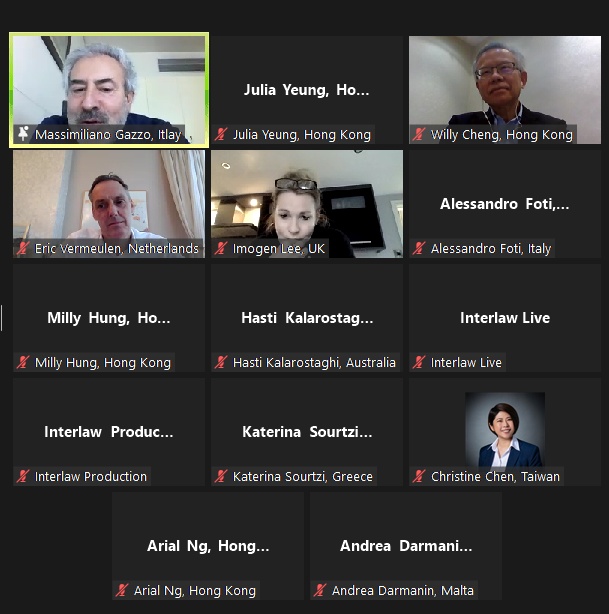
Our Partner Willy Cheng (Top right)
22 February 2022 | Partner Heidi Chui- Arbitration on the Ascendancy: A New Perspective on Disputes
With new arbitration institutions opening across the region, the popularity of arbitration in Asia continues to rise. Ms. Chui joined the expert panel and discussed the drivers behind the trend and how it reshapes business disputes’ culture.
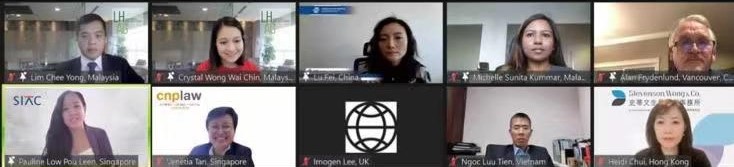
Our Partner Heidi Chui (Bottom right)
23 February 2022 | Partner Milly Hung and Senior Associate Michael Lau- Digitalization and Disputes
This expert panel explored technology solutions across jurisdictions so as to stay ahead and be the strongest to support clients in the new era for disputes. Ms. Hung and Mr. Lau shed light on topics including cyber security, cyber risk management, and shared their experiences in recovering loss in cyber fraud. They also explained the latest development of the “Letter of No Consent Regime” for cybercrime and money laundering in Hong Kong.
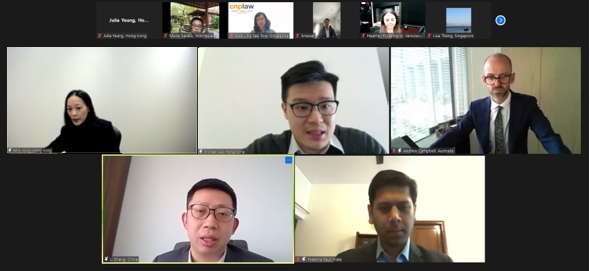
Our Partner Milly Hung (Top left) and Senior Associate Michael Lau (Top middle)
24 February 2022 | Partner Lai Lam- Creating an Inclusive Workplace at a Distance
As the Vice-Chair of Interlaw Diversity, Inclusion and Community (Asia Pacific), Ms. Lam took part in a discussion on shifting attitudes to working patterns. The panel also explored how leaders can establish effective working models that improve inclusivity in the new-era hybrid workplace with learning and development, recognition and promotion.
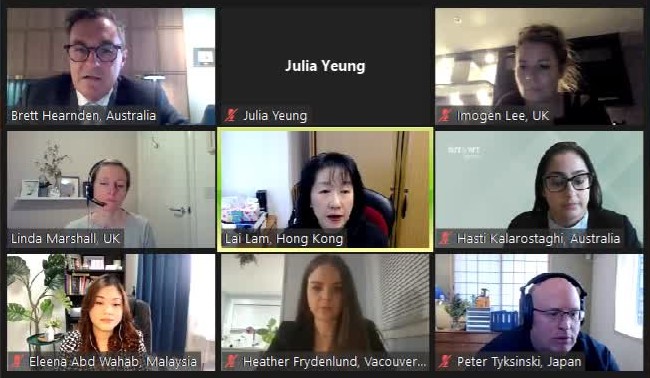
Our Partner Lai Lam (Second row in the middle)
Please contact our Partners Willy Cheng, Lai Lam, Heidi Chui or Milly Hung for further enquiries about this event.
The Quality Migrant Admission Scheme (“QMAS”) is a points based admission scheme for global talents to apply to settle in Hong Kong without first securing a job offer as normally required in work visa application. The scheme was first introduced in February 2006 with an initial quota of 1,000 applicants.
Following the announcement of the Chief Executive’s 2021 Policy Address, the Hong Kong Government has decided to double the annual quota of the QMAS in 2020 to 4,000 entrants. The objective is to attract more talents to come to Hong Kong and to increase Hong Kong’s economic competitiveness. With the introduction of more professional categories, it is expected that Hong Kong will welcome an influx of applications from different sectors. The Talents List was first drawn up in 2018 and now the list covers 13 professions. The latest addition includes professionals in asset management, and environmental, social and governance. Further, individuals from medical and healthcare sciences, microelectronics, integrated circuit design and arts technology, and the disputes resolution/transaction law industries are also now eligible to apply under the QMAS. Potential entrants from other industries and sectors not covered by the Talent List are still welcome to apply as long as they meet the respective eligibility criteria.
The Immigration Department will prioritise the applications of applicants undertaking research and development work under the Technology Talent Admission Scheme (TechTAS). With the expansion of professional categories under the QMAS, it is expected that the Immigration Department may also provide a fast-track arrangement for eligible individuals to work in Hong Kong.
Certain countries have introduced schemes to attract immigrants from Hong Kong. This no doubt posts a threat to Hong Kong on outflow of talents. The significant increase in the Talents quota to a large extent reveals the Hong Kong Government’s effort to counter that threat. Hong Kong has experienced different challenges in recent years. With the strong resilience of Hong Kong people, Hong Kong usually recovers fast from difficult times. Interested candidates with relevant skills and talents should seize this good opportunity to seriously consider coming to Hong Kong to pursue their career dreams.
Our Immigration Team are on standby to help interested applicants understand the requirements and walk through the application process. Please contact our Partner Willy Cheng or Paralegal Arial Ng (arial.ng@sw-hk.com) for any further enquiries or information.
This newsletter is for information purposes only. Its content does not constitute legal advice and should not be treated as such. Stevenson, Wong & Co. will not be liable to you in respect of any special, indirect or consequential loss or damage arising from or in connection with any decision made, action or inaction taken in reliance on the information set out herein.
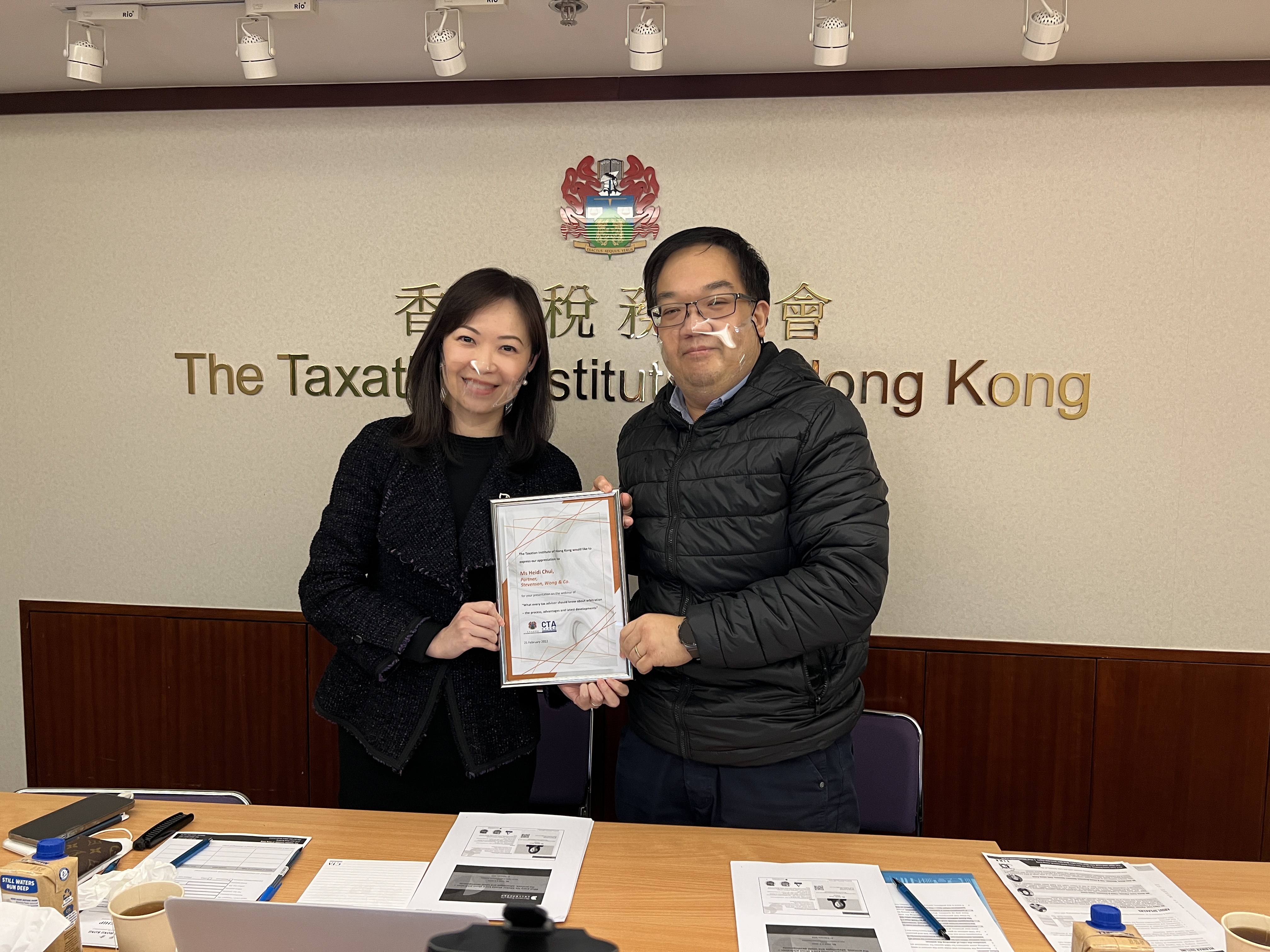
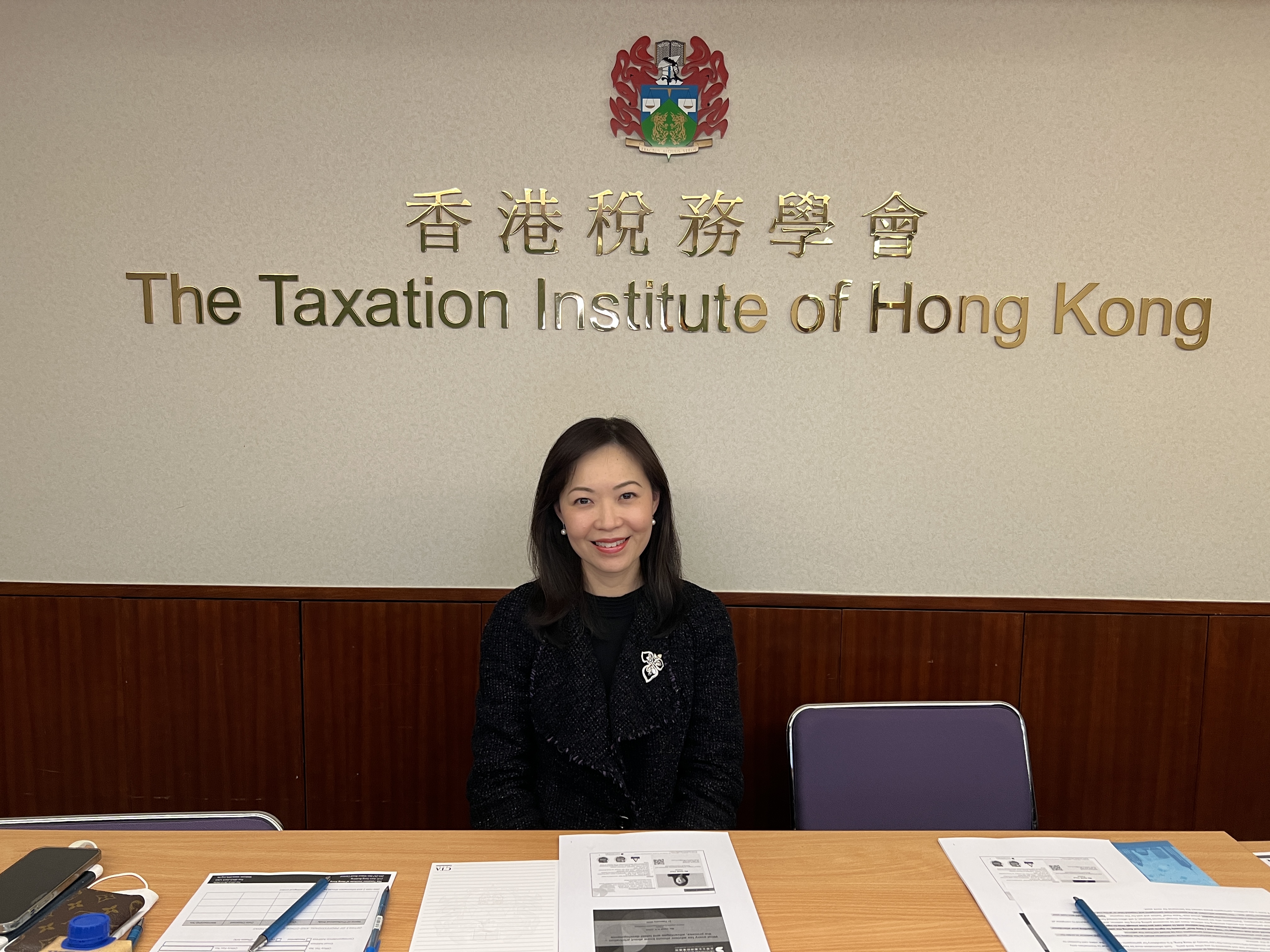
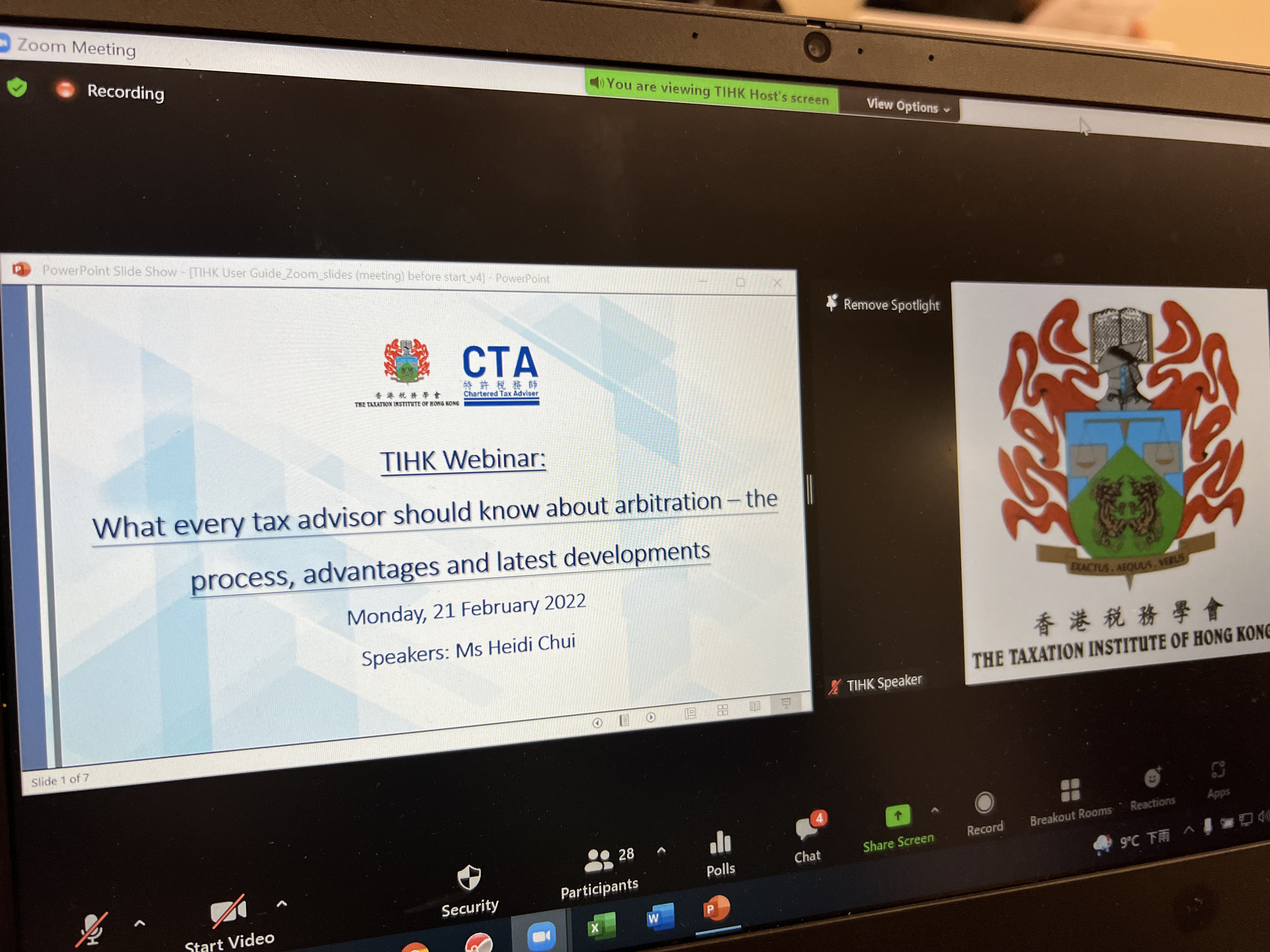
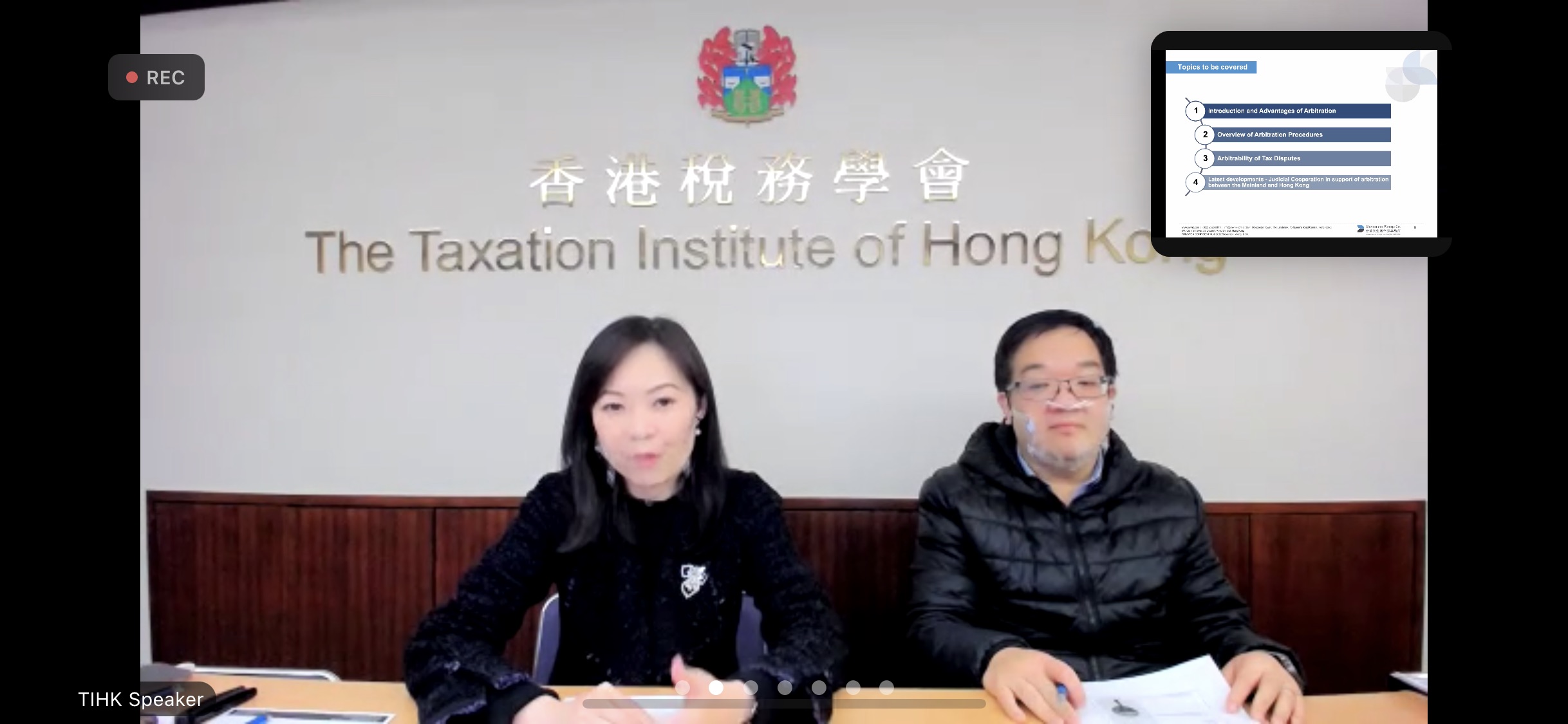
(中文) 2022年2月21日, 本所合伙人、诉讼及争议解决部主管徐凯怡律师受香港税务学会 (TIHK) 邀请,为其专业进修课程「税务顾问应知的仲裁知识——流程、优势和最新进展」担任讲师。
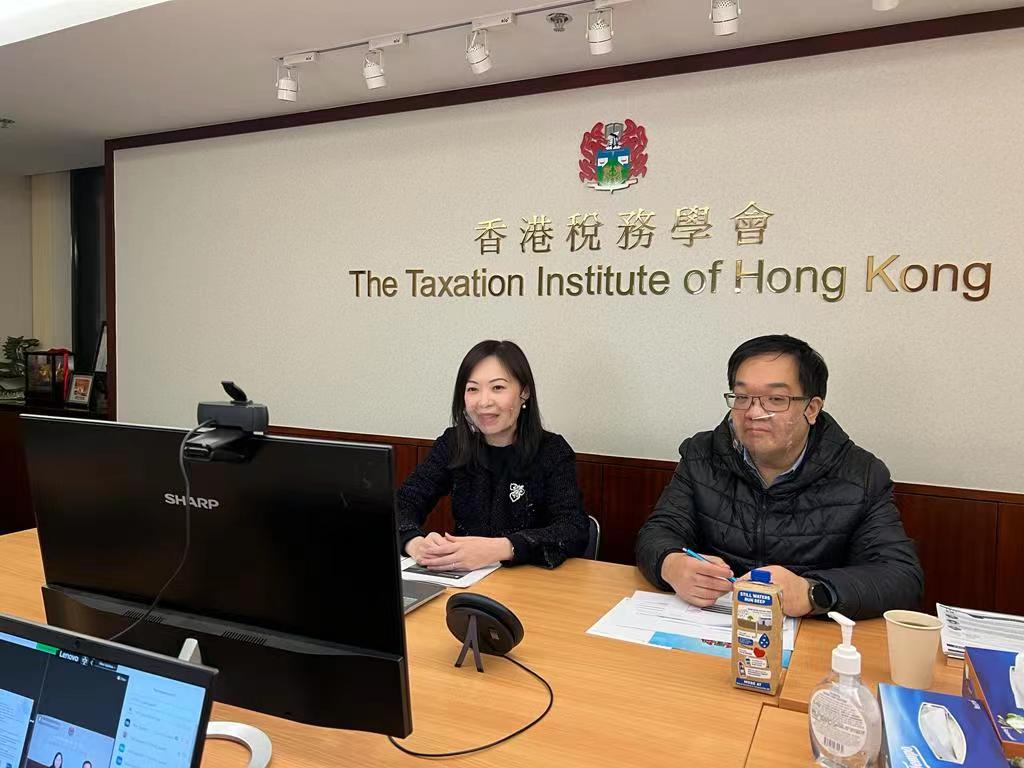
本次网络研讨会旨在让 TIHK 的会员了解仲裁在税务或其他商业纠纷中的好处,并介紹香港仲裁法和最新发展。徐律师先详细向与会者介绍了什么是仲裁以及仲裁的优势, 并特别提到起草有效仲裁协议的注意事项及拥有有效的仲裁条款之重要性。徐律师在会上阐释了仲裁的程序,并通过案例分析分享了商业交易中税务纠纷的可仲裁性,以及仲裁在涉及稅务范畴的收购合并争议中的应用。此外,徐律师亦分享了跨境仲裁的最新进展,和内地与香港对仲裁的支持和司法合作。
徐律师以回答现场提问的方式圆满地结束了是次充满互动性的网上课程,获得了与会者的正面回馈。
如阁下有任何查询或想了解更多详情,请联络本所徐凯怡律师。