News
Find out all about our firm’s latest news and activities below. To learn more about any individual item, please contact us here.
 Stevenson, Wong & Co.
News
Find out all about our firm’s latest news and activities below. To learn more about any individual item, please contact us here.
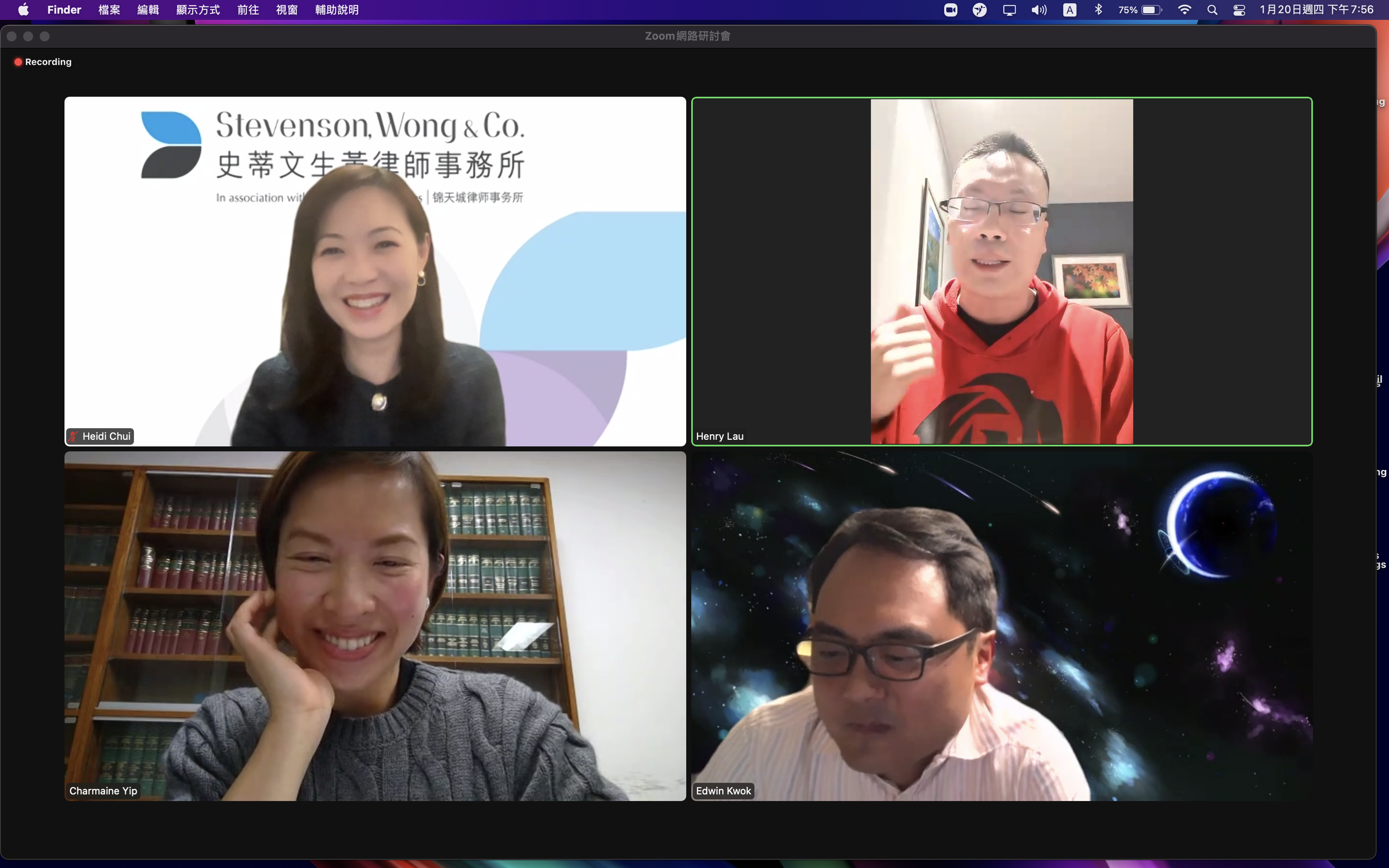
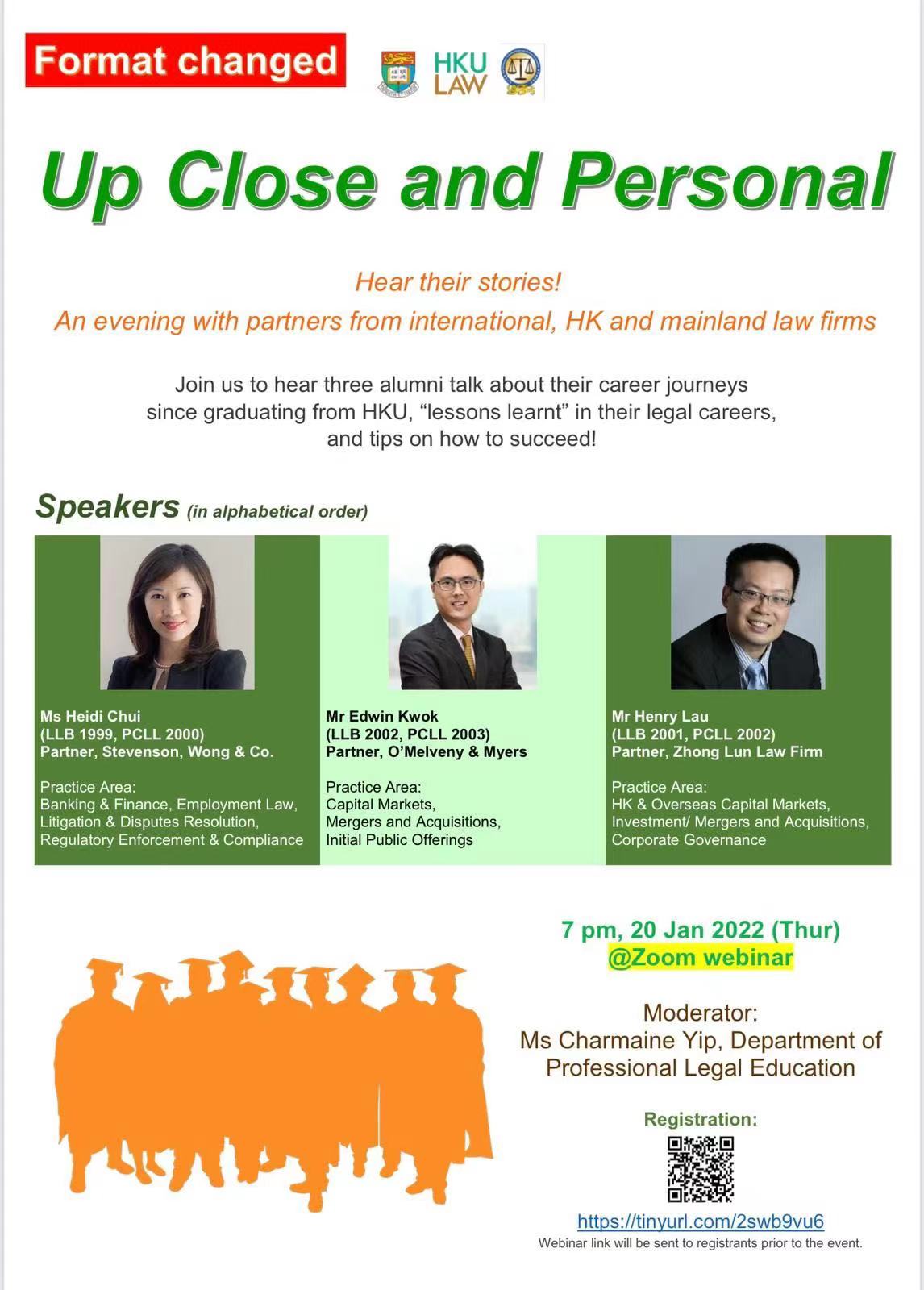
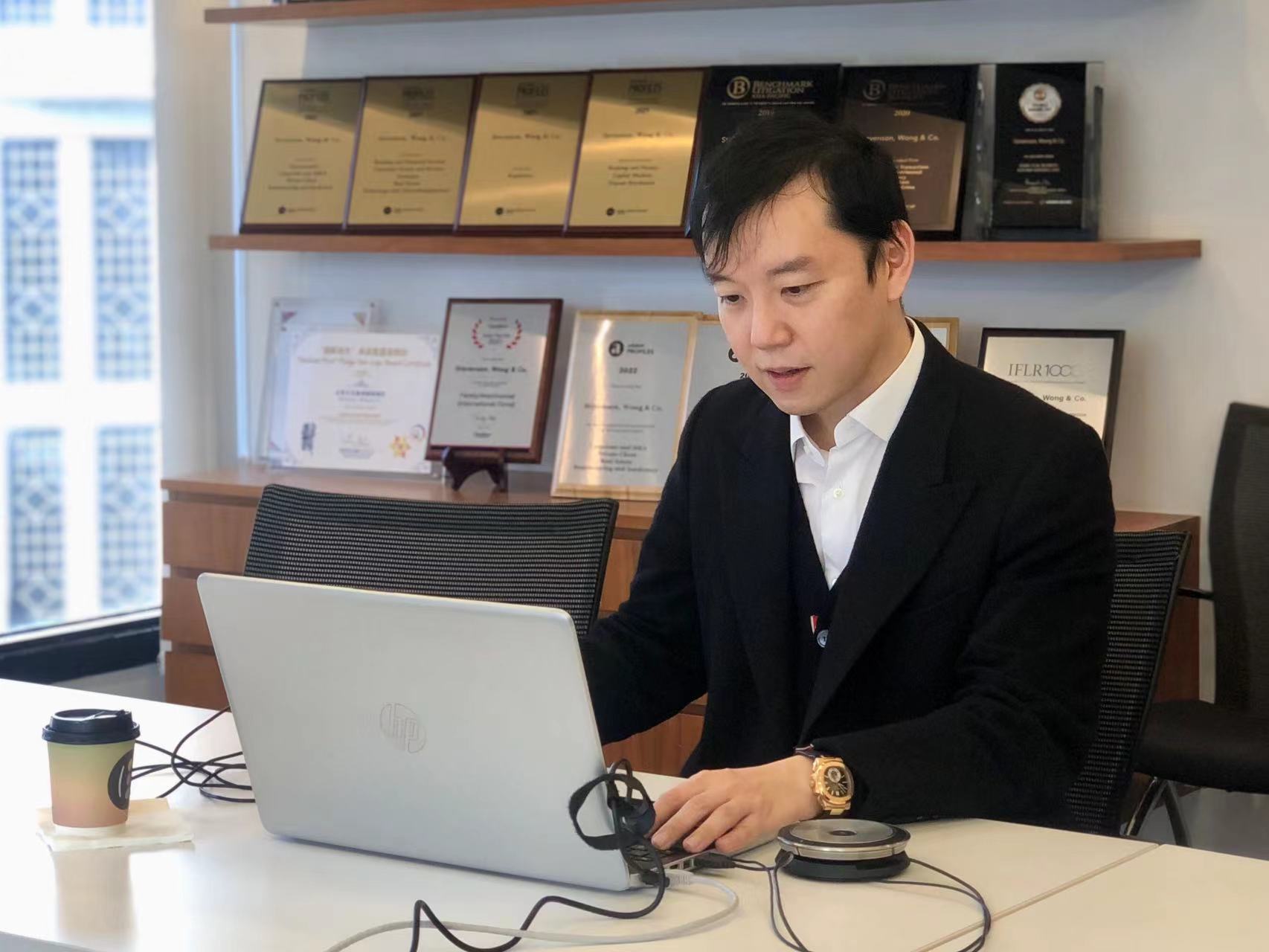
(中文) 2022年1月20日,本所合伙人、银行及金融部和诉讼及争议解决部主管徐凯怡律师受邀担任香港大学法律学院的校友讲座之分享嘉宾,分享她从香港大学毕业后的职业历程。本次网络研讨会 “近距离对话” (Up Close and Personal) 由香港大学法律学院和香港大学校友会联合举办。

徐律师除了向法学院学生分享在港大法学院求学时的经验和心得外,亦分享了她成为诉讼律师和仲裁员的经验和见解,以及如何克服在过程中遇到的困难和阻碍。此外,徐律师亦提醒学生们开放思维的重要性,并特意鼓励准备投身法律领域的女大学生。
本次分享广获好评。学生们在整个过程中积极参与,并踊跃向演讲嘉宾发问有关追求法律专业的见解和建议。
若阁下想了解更多详情,请联络本所徐凯怡律师 。
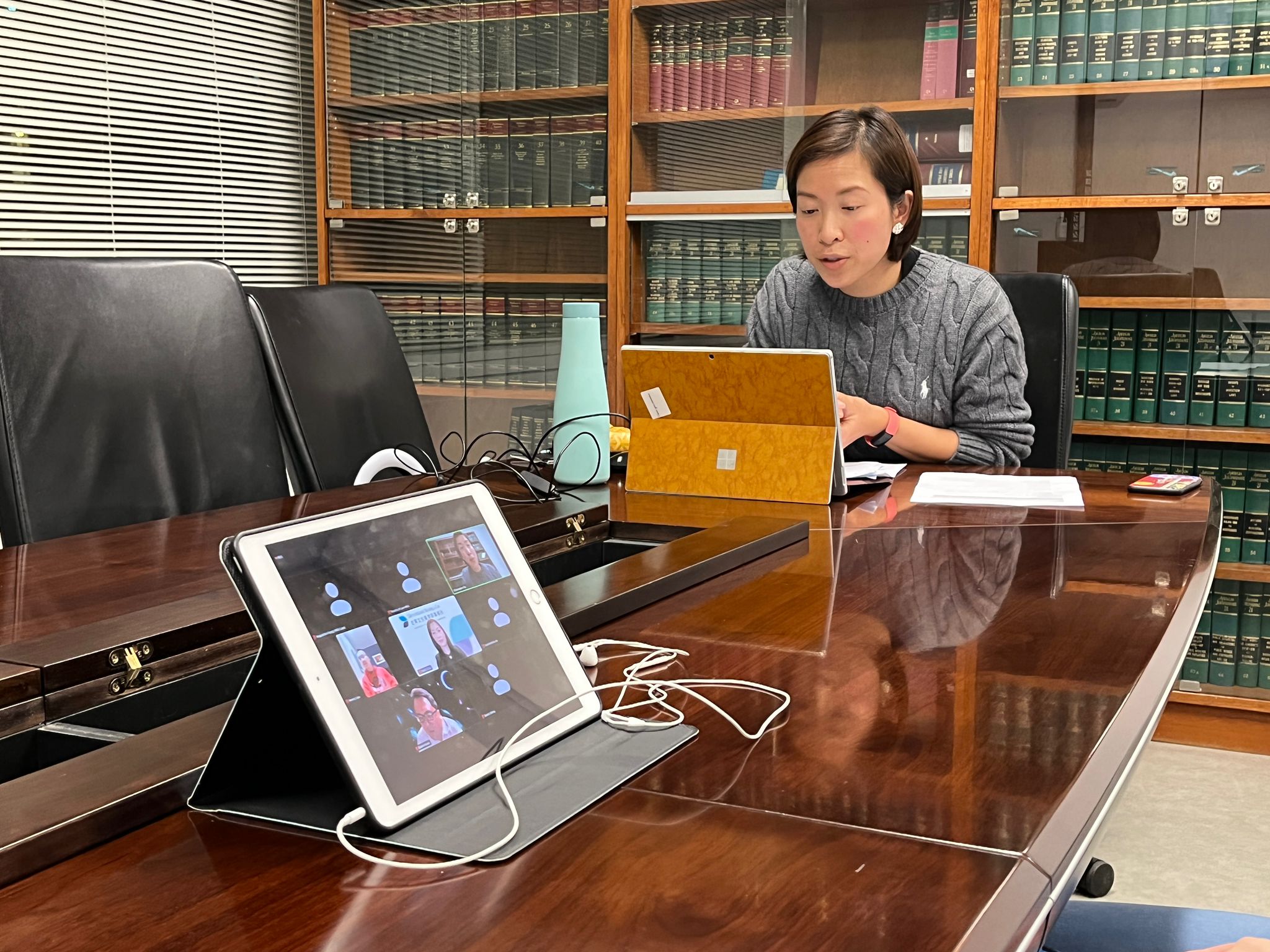
分享会主持人,香港大学法律学院专业法律教育系高级讲师叶彗茵女士
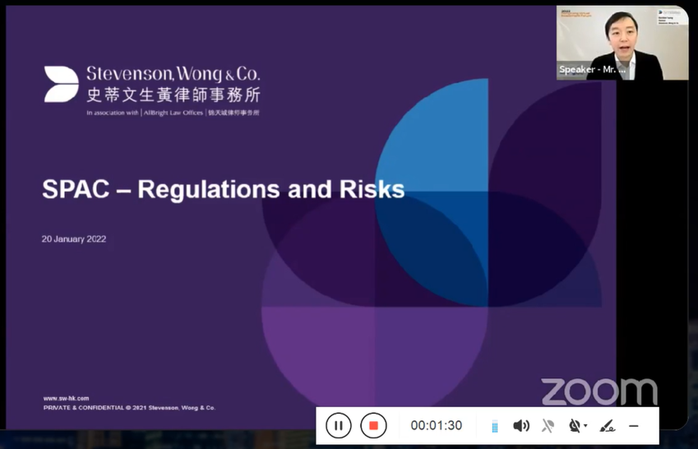
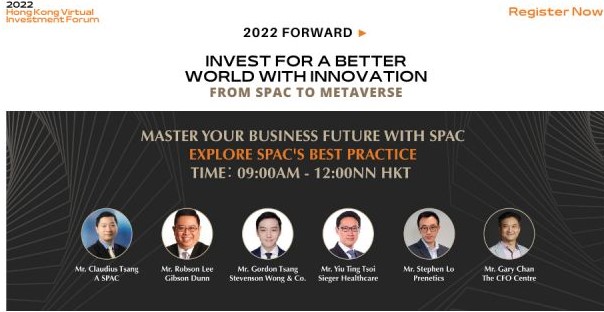
Our Partner, Mr. Gordon Tsang was invited to speak on the regulations and risks of Special Purpose Acquisition Companies (SPAC) at the 2022 Hong Kong Investment Forum held on 20 January 2022 and also, act as a panel speaker for “Strategies in Maximizing Investment Returns for Investors and Start-ups”. The full-day forum “Invest for a Better Future with Innovation- From SPAC to METAVERSE” was organised by LBS Communications Consulting Limited. Distinguished experts and industry-leading companies, including AAX and Huobi Tech, were invited to discuss up-and-coming investment trends and opportunities of the Metaverse and SPACs in Hong Kong.
Mr. Tsang shed light on Hong Kong’s new listing regime for SPAC and explained the new SPAC’s listing requirements before and during a De-SPAC Transaction. During the panel discussion, Mr. Tsang joined other speakers to share their listing experiences on Nasdaq and HKEx and also, compared the SPACs in Hong Kong with the US.
For more information, please contact our Partner, Mr. Gordon Tsang about this event
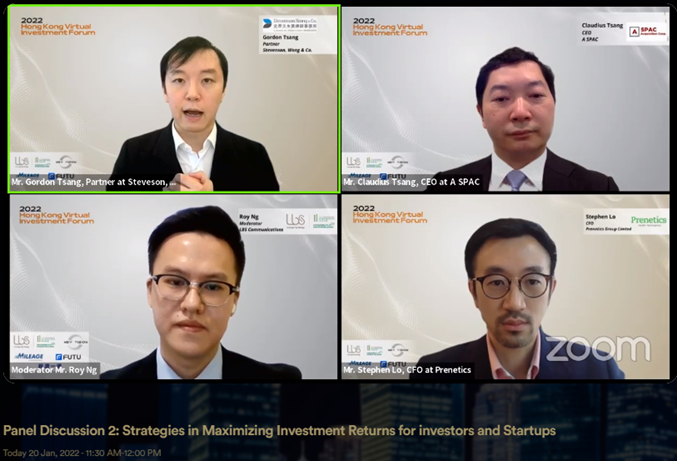
Our Partner, Mr. Gordon Tsang (top left), Mr. Claudius Tsang, CEO at A SPAC (top right), Panel Moderator Mr. Roy Ng, LBS Communications Consulting Limited (bottom left), and Mr. Steven Lo, CFO at Prenetics (bottom right)
We are delighted to announce that our SW Private Client Practice has once again been recognised by The Legal 500 Asia Pacific Guide- Private Client (Tax, Trusts, Wealth Management and Contentious Probate) for the 2nd consecutive year. The Legal 500’s research team surveyed and interviewed more than 300,000 corporate counsels globally in the past year. Firms listed in the guide are highly regarded and recommended by counsels and clients.
The Legal 500 recognises that our SW Private Client Practice, “covers a broad cross-section of matters, with work ranging from family wealth and succession planning to assistance with the preparation of Enduring Powers of Attorney and managing the assets of the mentally incapacitated. Catherine Por, who heads up the family law department, has wide-ranging contentious and non-contentious expertise, including ancillary relief and fiercely-contested matters involving custody and maintenance arrangements for children. Wendy Lam and Janice Chin are also recommended.”
Please contact our Partners and Heads of SW Private Client, Ms. Catherine Por and Ms. Wendy Lam, or visit The Legal 500 Asia Pacific Guide for any inquiries
Introduction
On 12 January 2022, the Hong Kong Monetary Authority (the “HKMA”) issued a discussion paper on crypto-assets and stablecoins (the “Discussion Paper”), inviting industry and public views on the applicable regulatory approach. Against the backdrop of increasing global adoption of crypto-assets and enhanced use of technology in financial systems, the HKMA has visited the regulatory regimes of Hong Kong as well as other major countries and the recommendations from the global regulators on this nascent field. The two keys of the Discussion Paper are the regulatory frameworks regarding (i) the Authorized Institutions (“AIs”) and (ii) payment-related stablecoins.
Crypto-assets and Stablecoins
In the Discussion Paper, the definition and nature of crypto-asset and stablecoins are broadly set out as follows:
|
Definition and Nature |
|
|
Crypto-asset |
Stablecoins |
|
|
Current Regulatory Regime in Hong Kong
A. Proposed licensing regime for virtual asset service providers (“VASP regime”)
In November 2019, the Securities and Futures Commission (the “SFC”) issued a position paper to set out a licensing framework for platforms which offer trading of securities-type VAs or tokens (“voluntary opt-in regime”). In particular, the voluntary opt-in regime is applicable to only platforms that offer trading services of at least one virtual asset (“VA”) with securities features involved. Platforms solely trading non-securities VAs are not covered.
In May 2021, Financial Services and the Treasury Bureau (“FSTB”) has completed the public consultation on introducing the VASP licence regime targeting at business operating a virtual asset (“VA”) exchange. At the initial stage, the licence regime will not apply to other types of VASPs such as crypto wallet providers or custodians. For further details, please refer to our news update “FSTB Consultation Conclusions on Legislative Proposals to Enhance Anti-Money Launder and Counter-Terrorist Financing Regulation in Hong Kong on Virtual Asset Services Providers” published on 9 July 2021.

B. Payment Systems and Stored Value Facilities Ordinance (“PSSVFO”)
Under the PSSVFO, the HKMA licenses and supervises Stored Value Facilities (“SVFs”), such as e-wallets and prepaid cards. The arrangements of crypto-assets, especially those used for payment purposes, are in some aspects similar to an SVF. Yet, whether a crypto-asset business amounts to an SVF is determined case by case. If a crypto-asset falls within the definition of SVF, it will be subject to a mandatory licensing regime administered by the HKMA. However, the definition of SVF of the PSSVFO may not cover certain types of stablecoins and/or their activities as may be seen in the market. Therefore, the HKMA is considering expanding the scope of the PSSVFO to cover such payment-related stablecoins.
C. Non-backed crypto-assets such as security crypto-assets
In November 2018, the SFC issued a circular to all intermediaries regarding regulatory requirements and expected standards and practices concerning the distribution of VA funds. For VA funds not authorised by the SFC, intermediaries should only target clients who are professional investors (as defined under the Securities and Futures Ordinance). The AIs intending to provide investment services related to VA must notify the HKMA and the SFC in advance.
Payment-related Stablecoins
Some stablecoins may become a commonly accepted means to make payment which may fall outside existing regulatory frameworks, posing risks to the market and community. One of the key risks is the money laundering/terrorist financing (ML/TF) risk as stablecoins may be held and changed hands anonymously and easily (even across the globe and borders) through the internet or other means.
Key Discussion Questions
A list of eight questions set out by the HKMA for industry and public feedback, together with its corresponding views, are extracted as follows:
|
No. |
Discussion Question |
Views of the HKMA |
|
|
Types of Stablecoins To Be Regulated |
|
|
1. |
Should we regulate activities relating to all types of stablecoins or give priority to those payment-related stablecoins that pose higher risks to the monetary and financial systems while providing flexibility in the regime to make adjustments to the scope of stablecoins that may be subject to regulation as needed in the future? |
|
|
|
Stablecoin-related Activities |
|
|
2. |
What types of stablecoin-related activities should fall under the regulatory ambit, e.g. issuance and redemption, custody and administration, reserves management? |
|
|
|
Authorisation and Regulatory Requirements |
|
|
3. |
What kind of authorisation and regulatory requirements would be envisaged for those entities subject to the new licensing regime? |
|
|
|
Intended Coverage of the Regime |
|
|
4. |
What is the intended coverage as to who needs a license under the intended regulatory regime? |
|
|
|
Timing of the New Regime |
|
|
5. |
When will this new, risk-based regime on stablecoins be established, and would there be regulatory overlap with other financial regulatory regimes in Hong Kong, including but not limited to the SFC’s VASP regime, and the SVF licensing regime of the PSSVFO? |
|
|
|
Stablecoin Issuer |
|
|
6. |
Stablecoins could be subject to run and become potential substitutes of bank deposits. Should the HKMA require stablecoin issuers to be AIs under the Banking Ordinance, similar to therecommendations in the Report on Stablecoins issued by the US President’s Working Group on Financial Markets? |
|
|
|
Unbacked Crypto-assets |
|
|
7. |
Would the HKMA also have plan to regulate unbacked crypto-assets given their growing linkage with the mainstream financial system and risk to financial stability? |
|
|
|
Current or Prospective Parties |
|
|
8. |
For current or prospective parties and entities in the stablecoins ecosystem, what should they do before the HKMA’s regulatory regime is introduced? |
|

Analysis and Takeaways
The fast-growing use of crypto-assets may pose risks to the financial system. Developing regulatory perimeters to appropriately govern crypto-assets could address the various risks posed to users and the financial system while embracing the potential benefit of innovations in the market. The Discussion Paper is a timely step taken by the HKMA to update its regulatory tools and shows the initiative and determination of the regulators in Hong Kong to ensure monetary and financial stability amidst technological advancement. We welcome more discussions and sparkles on this topic.
Please contact our Partner Mr. Rodney Teoh for any enquiries or further information.
This news update is for information purposes only. Its content does not constitute legal advice and should not be treated as such. Stevenson, Wong & Co. will not be liable to you in respect of any special, indirect or consequential loss or damage arising from or in connection with any decision made, action or inaction taken in reliance on the information set out herein.
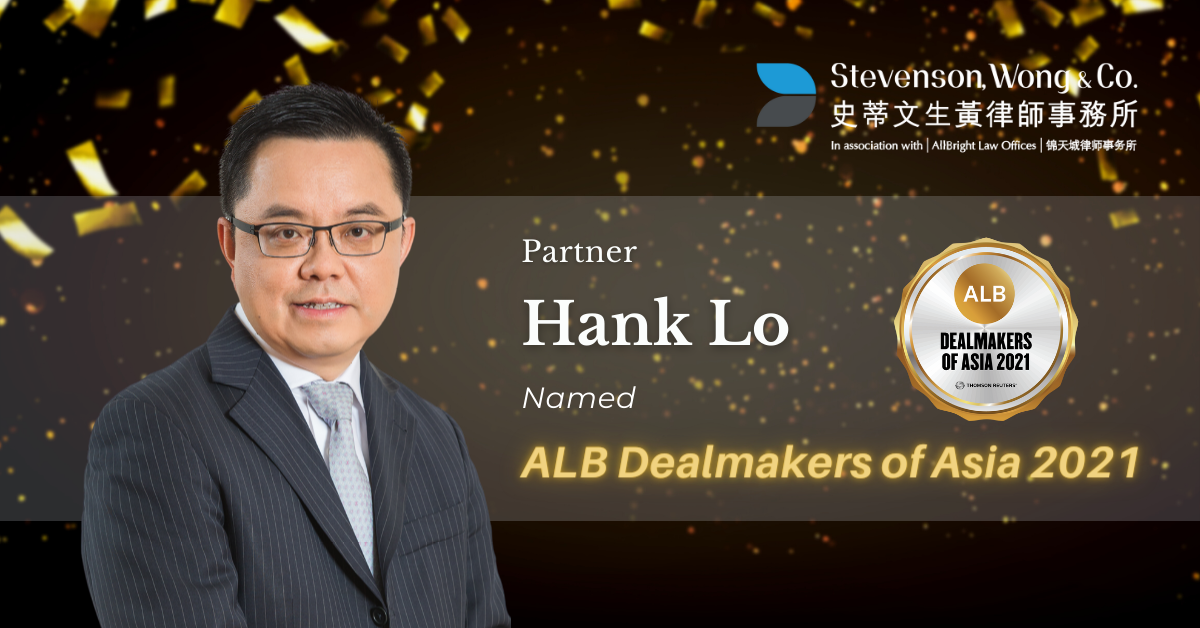
We are pleased to announce that our Partner and Head of Corporate Finance, Mr. Hank Lo, has been named one of the “Dealmakers of Asia 2021, Hong Kong” by Asian Legal Business (ALB). In addition, our firm has also been recognized in the “ALB Asia M&A Rankings 2021”.
About Mr. Hank Lo
Mr. Lo heads the Corporate Finance Practice in the firm. He specializes in capital markets, corporate finance, mergers and acquisitions and representative matters. Hank has significant experience advising issuers, sponsors and underwriters on initial public offerings on both the main and GEM boards of The Stock Exchange of Hong Kong Limited; advising publicly listed companies on a broad range of corporate finance transactions; advising private equity funds, venture capital funds and Hong Kong listed companies on their investments in and exits from companies with an emphasis on China; and providing advice to companies in Greater China on representative matters including property transactions, foreign investment and initial public offerings.
About Our Corporate Finance Group
Our highly experienced corporate finance group has an excellent track record of handling complex transactions of every size. Our clients include public and private corporations, investment banks, financial institutions, direct investment funds and international bodies. Through our network of Interlaw associated offices, we provide clients with access to substantial resources in Europe, the Americas and Asia. Drawing on this network, we can provide a seamless, integrated service that draws together different areas of expertise across countries and continents.
For any enquiries, please contact our Partner Mr. Hank Lo or click here to see the Dealmakers ranking and here to see the M&A rankings.
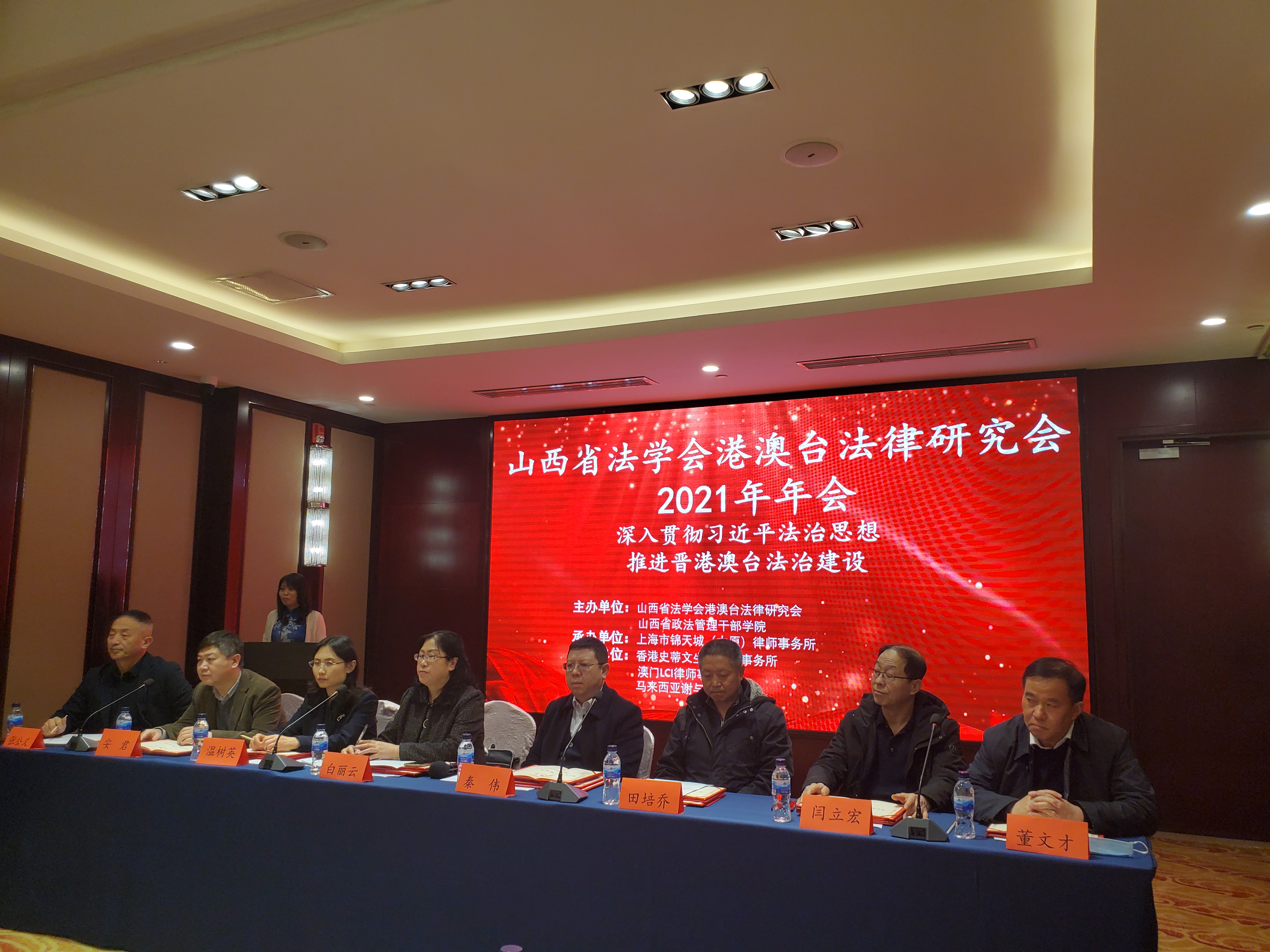
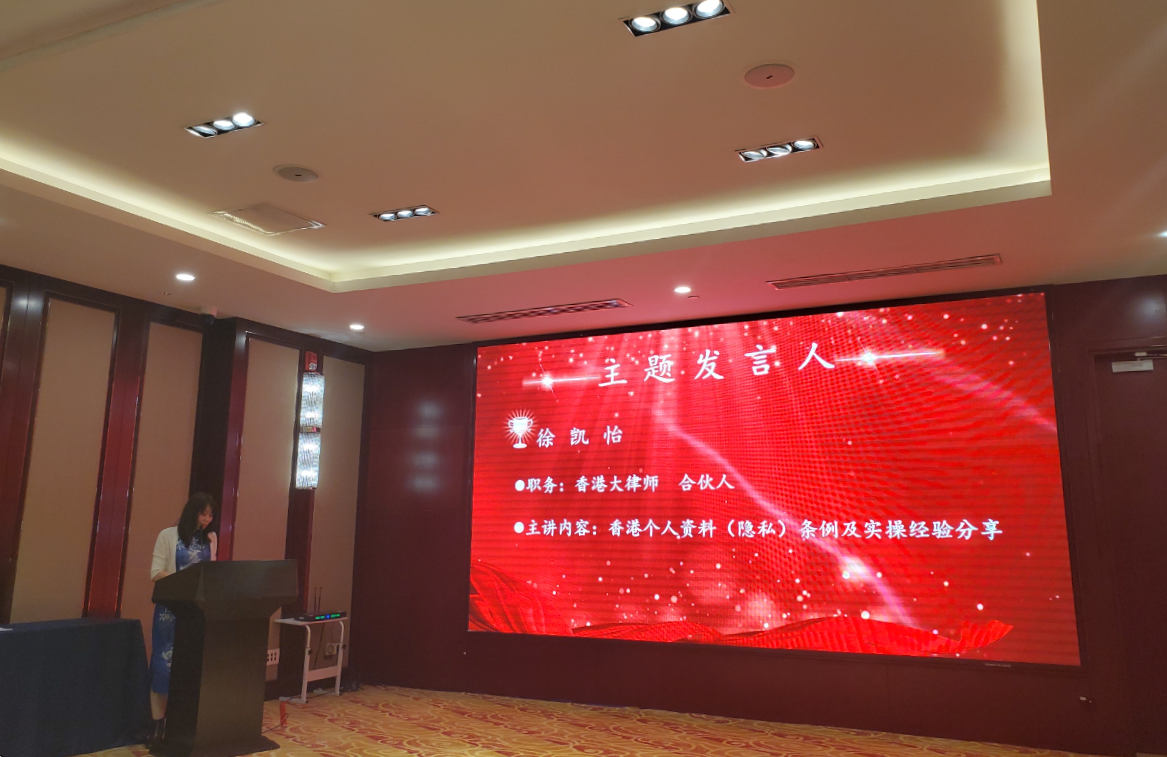
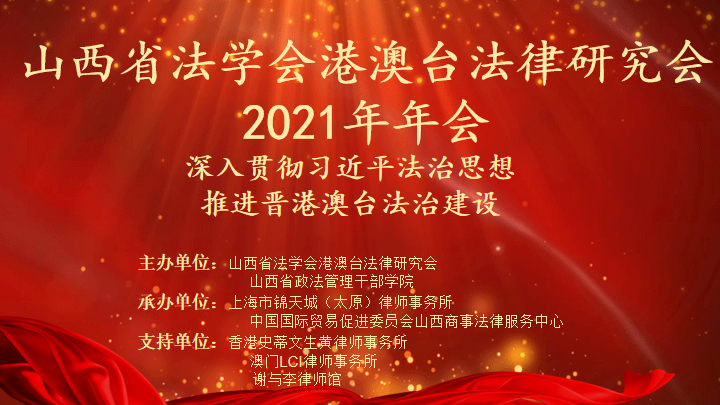
(中文) 2022年1月7日,本所合伙人﹑诉讼及争议解决部主管徐凯怡律师,受邀为山西省法学会港澳台法律研究会2021年年會担任演讲嘉宾﹐向与会者介绍香港在个人资料(私隐)之相关条例和分享实战经验。本次研究会由山西省法学会港澳台法律研究会和山西省政法管理干部学院主办,并由上海市锦天城(太原)律师事务所和中国国际贸易促进委员会山西商事法律服务中心承办。
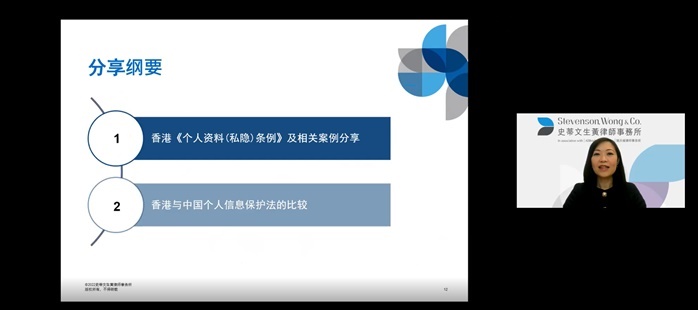
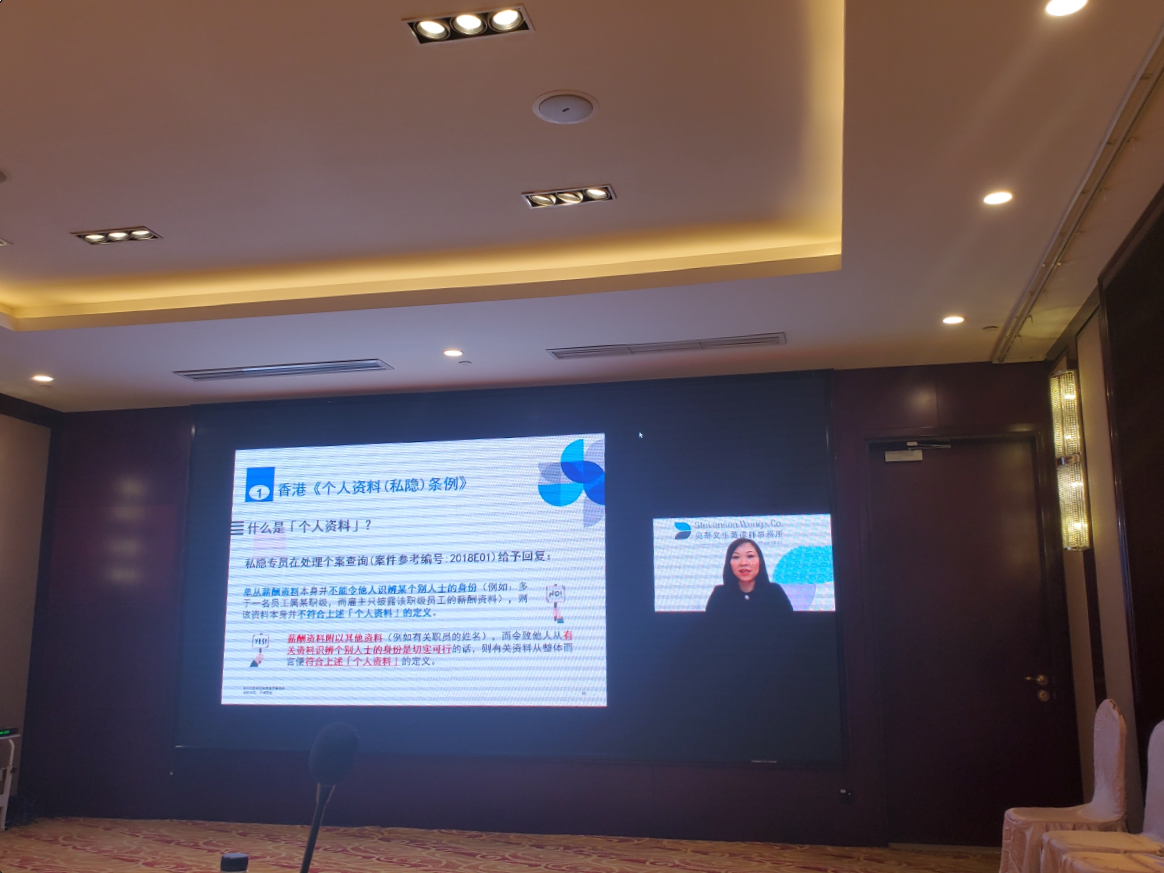
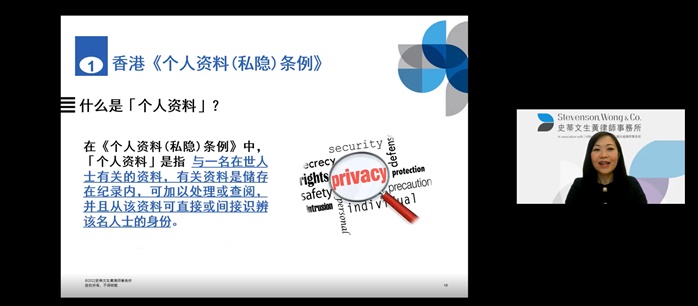
徐律师在会上透过案例分享,说明了个人资料保障的六大核心原则﹐如收集之目的及方式﹑准确性和保存期等。徐律师亦阐释了新出台的《2021年个人资料(私隐)修订条例》﹐并从规管对象﹑个人资料/ 信息之定义和行政罚款权等方面﹐对香港和中国内地的个人信息保护法进行了全面的对比和解说。
若阁下想了解更多详情,请联络本所合伙人徐凯怡律师(heidichui.office@sw-hk.com)。