News

Find out all about our firm’s latest news and activities below. To learn more about any individual item, please contact us here.
11 Mar 2021

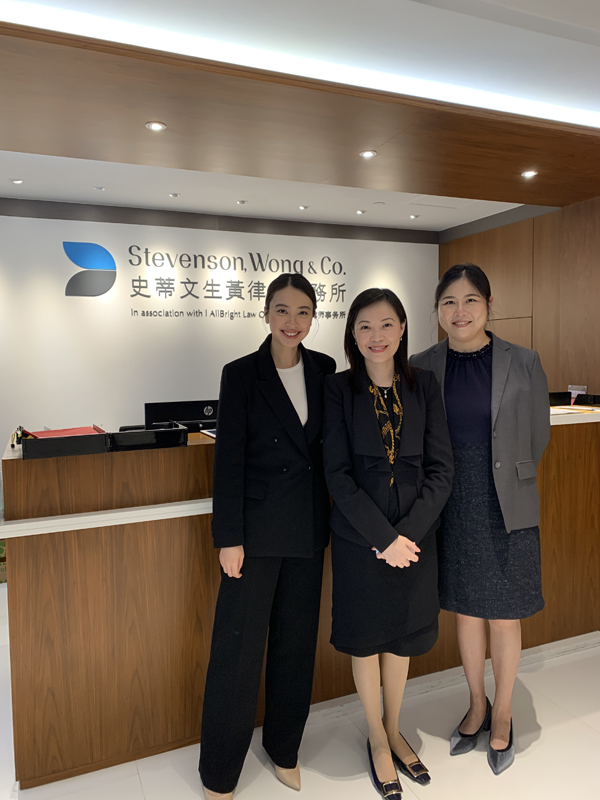
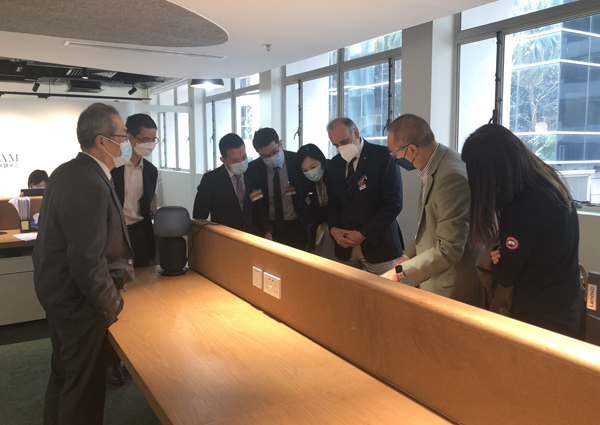
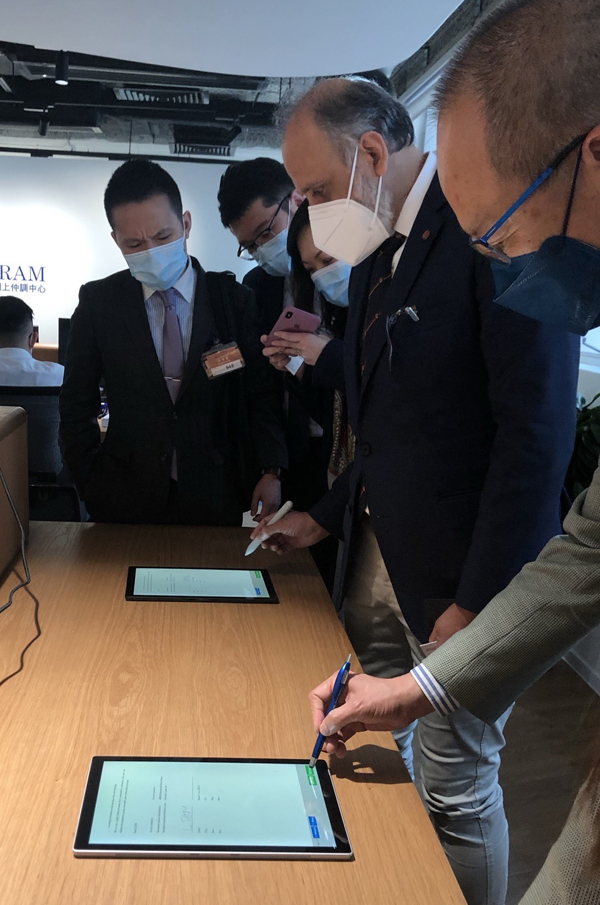
Partner Heidi Chui Visited the eBRAM with the Law Society Innotech Committee

On 8 March 2021, our Partner, Head of Banking and Finance department and Dispute Resolution department, Ms. Heidi Chui, visited the eBRAM International Online Dispute Resolution Centre (eBRAM) at the Justice Place. Ms. Chui is a member of the Innotech Committee of the Law Society of Hong Kong (the Committee).

Led by the Vice President of the Law Society, Mr. Amirali Nasir, the Committee visited the eBRAM Centre, a LawTech deal-making & dispute resolution platform developed to facilitate cross-border trade. During the visit, the Committee explored the latest technology, including a simultaneous document signing app, which assists and provides convenience for future commercial transaction and dispute resolution.
For more information, please contact our partner Ms. Heidi Chui (heidichui.office@sw-hk.com).

5 Mar 2021

(中文) 以地下钱庄汇款遇上诈骗:毫不知情的收款方是否需要返还款项?

(中文) 以下情况, 相信大家或有听闻:一名中国内地人士需要在香港以外币进行交易。该人士在香港拥有银行户口,惟账上并没有足够外币,唯有以人民币从第三方“购买”外币,在中国内地将与所需外币等值的人民币支付至该第三方指定的内地银行户口,该第三方安排于香港将外币转到该名内地人士的香港户口。

上述操作为典型的地下钱庄运作模式,旨在规避内地的外汇管制,而收取外币的一方往往不会知悉转到香港户口的资金来源。倘若该笔款项属诈骗骗款,委托进行兑换、收取外币的一方除了有机会需要承担刑事/行政责任外,也有可能被诈骗受害人作出民事追讨要求返还该笔款项。在此情况下,对诈骗毫不知情的收款方是否需要返还款项?根据香港高等法院原讼法庭于DBS Bank (Hong Kong) Limited v. Pan Jing [2020] HKCFI 268的判决,收款方或需向受害人作出返还。
事实背景

被告人潘先生(“潘先生”)为内地商人,需要在香港支付美金进行交易,遂委托其友人购买及兑换美元,将人民币转至该友人的内地银行户口。同日,一家香港公司H2H Trading Co Ltd(“H2H”)将与该笔人民币等值的美金从其香港户口(“H2H户口”)转至潘先生名下的香港户口(“潘先生户口”)。

潘先生不知道的是,一名假冒星展银行(香港)有限公司(“星展银行”)客户的人士(其通过星展银行的身份核实)指示星展银行将该客户银行户口中的美金汇至H2H户口,H2H户口收到该笔汇款后,其中部分美金转到潘先生户口(即潘先生从H2H收到的美金)。

星展银行向香港法院申请了禁制令,潘先生户口内的该笔美金被冻结。

星展银行对潘先生提出民事诉讼及简易判决(summary judgment)申请

星展银行向潘先生提起民事诉讼,(除其他事项)要求潘先生向星展银行返还该笔美金,理由为潘先生须复还其不当得利(restitution of unjust enrichment)。潘先生的抗辩理据为:(1) 其为“付出价值的真诚买家”(bona fide purchaser for value);及 (2) 其“处境已被改变”(change of position)(即被告人因收取款项而真诚改变其处境,如被要求作出复还是不公平的)。

星展银行指出,潘先生通过地下钱庄取得该笔美金,违反内地法律,故不得依赖该等抗辩理据,并以潘先生对申索并无应通过审讯处理(triable)的抗辩理据为由,向法院申请简易判决。潘先生提出以下几点反对简易判决申请:(1) “真诚买家”抗辩理据;(2) “处境改变”抗辩理据;及 (3) 内地法律下应予以审讯的争议点。

香港法院的决定

香港法院批准星展银行的简易判决申请,潘先生须向星展银行复还该笔150,000美元。

1. 经地下钱庄兑换外币违反内地法律

法庭接纳星展银行的专家意见,认为通过地下钱庄兑换外币的行为已经违反了内地行政法,潘先生可遭行政处罚。尽管相关部门并未作出任何行政处罚或采取任何行动,惟此不代表潘先生未有违反内地法律。

2. 被告人并非付出价值的真诚买家

潘先生指出,其付出了人民币购入美金,而他在兑换外币方面没有经验,完全依赖及相信其友人的安排,并无理由相信该友人会用违法的手段兑换美元。加上潘先生对星展银行所指的诈骗毫不知情,由始至终均是真诚行事,因此应获准提出“真诚买家”抗辩理据。

法庭不接纳潘先生的理据,指出如财产是根据违反内地法律的交易转让的,收取该财产的被告人不能被视作已为该财产付出任何价值。于本案中,潘先生经地下钱庄支付人民币及取得美金,该兑换违反内地法律,故该笔人民币在法律上不构成有效的价值,导致潘先生不能依赖“真诚买家”抗辩理据。法庭进一步指出,尽管潘先生声称自己不熟悉外币兑换,但他毕竟是个经验丰富的商人,因此认为潘先生不知道其友人经地下钱庄进行外汇兑换的说法并不可信。

3. 被告人不能依赖“处境改变”抗辩理据

潘先生指出,为了取得该笔美金,他向友人支付人民币,其“处境已经改变”,故应获准主张“处境改变”的抗辩理据。星展银行援引英国上议院Lipkin Gorman v. Karpnale Ltd [1991] 2 AC 548,指出“有过失的一方”(wrongdoer)不得依赖该抗辩理据。

法庭援引了Barros Mattos Junior v. General Securities & Finance Ltd [2005] 1 WLR 247,指出倘若收款方“改变其处境”的行为违反内地法律,除非有关非法行为极其轻微而可予忽略(so minor as to be ignored on the de minimis principle),否则法庭不会将该行为考虑为“处境改变”的一部分。

由于潘先生支付人民币以兑换外币的行为违反内地法律,加上没有证据证明他不知道其友人会经地下钱庄进行兑换,尽管其对星展银行所指的诈骗并不知情,法庭拒绝接纳潘先生提出的“处境改变”抗辩理据。除此之外,法庭认为违反外汇管制规定有违公共政策(public policy),因此拒绝潘先生提出的抗辩理据是合理的。

需要注意的是,法庭在判决中并无提到于内地以地下钱庄进行兑换是否违反香港法律,但指出如兑换交易违反内地法律,香港法院对该交易不予支持。

总结

于中国内地经地下钱庄进行外汇兑换伴随着巨大法律风险,不仅可能违反相关法律而招致刑责及/或行政处罚,委托进行兑换、收取外币的一方亦无从得知有关资金的来源,更遑论知道资金是否涉及诈骗。从本案可以看到,经地下钱庄取得款项的收款方即使对骗案毫不知情,涉案外汇兑换行为仅违反了内地行政(而非刑事)法律法规,且尚未受到任何处罚,惟在处理骗案受害人提出的民事追讨行动时,香港法院倾向以地下钱庄违反内地法律为由,拒绝收款方依赖“真诚买方”及/或“处境改变”的抗辩理据。

5 Mar 2021

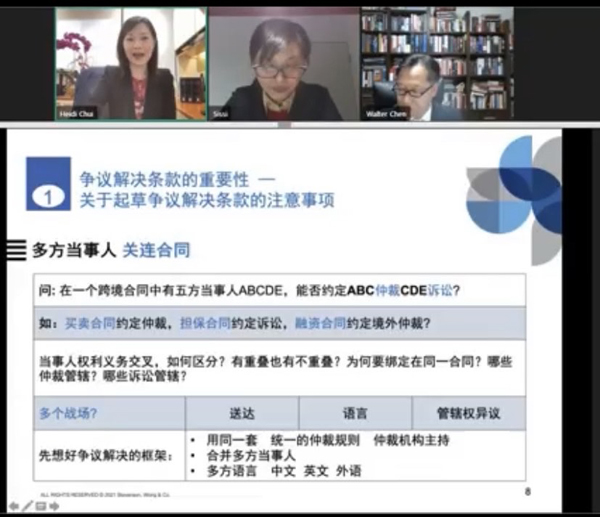
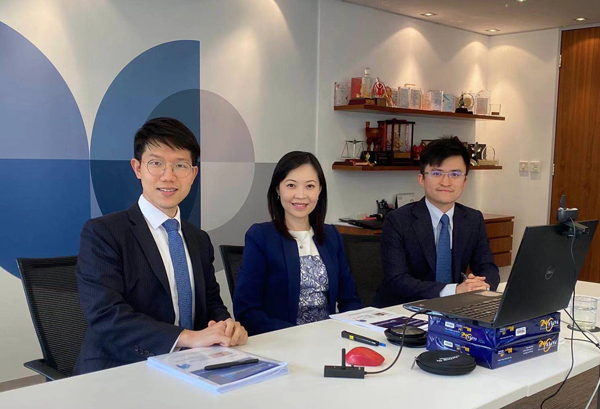
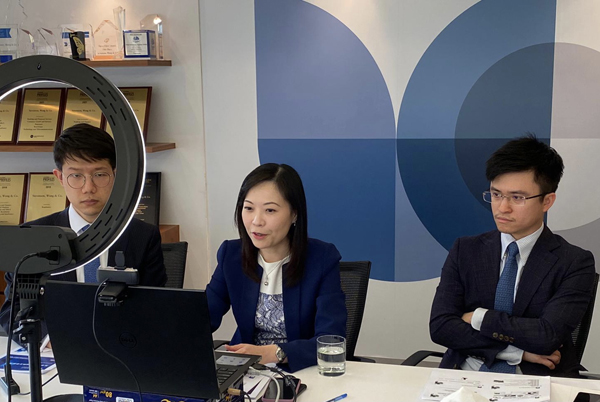
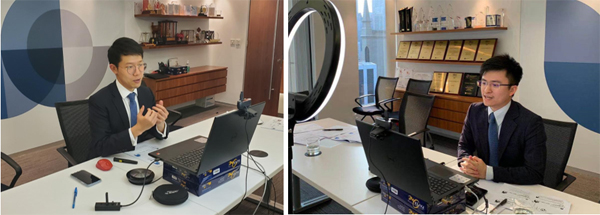
(中文) 合伙人徐凯怡律师受邀为银行客户提供线上培训

(中文) 2021年3月4日,本所合伙人,银行及金融部和诉讼及争议解决部主管徐凯怡律师受邀为银行客户的管理团队提供企业线上培训。本次培训的主题为「香港反歧视法例—招聘面试及甄选程序」。

徐律师在课程中讲解了香港的反歧视法例并介绍了相关法例的最新发展。她亦就招聘面试及甄选程序的最佳行事方式作出详尽解说,以及透过案例分析阐释了划一甄选准则的例外情况。

透过本次培训,客户对香港的反歧视法例有了进一步的认识,加强配合银行各项营运及合规的需求,并对日后的面试和甄选程序能有更完善的准备。

如阁下有任何查询或想了解更多详情,请联络本所徐凯怡律师 (heidi.chui@sw-hk.com)。

4 Mar 2021

Stevenson, Wong & Co. 2021 Chinese New Year Celebration

On 26 February 2021, Stevenson, Wong & Co. celebrated the Year of Ox at our office in the Landmark. Due to Covid-19, we were unable to gather for a dinner celebration. Nevertheless, our staff were treated to a virtual festival and performance prepared by our trainee solicitors.

Our CNY celebration started with an opening speech by our senior Partner Mr. Willy Cheng. He expressed gratitude to the staff for their hard work throughout last year and his vision for the firm’s future. He also presented Service Awards to staff who have worked for more than 10 years and 20 years in the firm. The night was filled with laughter along with singing and a lion-dance performed by the trainees and an exciting lucky draw!


Our Partner Mr. Cheng delivered an opening speech and presented a service award to our Office Manager Ms. Vivien Lo.


Our trainees sang and performed a lion dance to celebrate the CNY.


A fun-filled night with roasted pig cutting ceremony and exciting lucky draw.

22 Feb 2021

Partner Heidi Chui Interviewed by Guangdong Television

On 19 February 2021, our firm’s Partner, Head of Banking and Finance department and Dispute Resolution department, Ms. Heidi Chui, was interviewed by Guangdong Television’s Evening News on Hong Kong’s latest developments and opportunities under the “Outline Development Plan for the Guangdong-Hong Kong-Macao Greater Bay Area”, which was launched 2 years ago.

During the interview, Ms. Chui shared the latest initiative by the Ministry of Justice of the People’s Republic of China. The initiative allows eligible Hong Kong lawyers to practice in specified area of law in 9 cities in the Greater Bay Area after passing the qualifying examination and training. The initiative would enable Hong Kong lawyers to understand more about the Mainland legal market and further facilitate economic activities between the Mainland and Hong Kong.

Please click here to watch the interview (available in Chinese only).

Please contact our Ms. Heidi Chui (heidichui.office@sw-hk.com) for any enquiries or further information.

18 Feb 2021

THE SFC PUBLISHED CONSULTATION PAPER ON (I) THE PROPOSED CODE OF CONDUCT ON BOOKBUILDING AND PLACING ACTIVITIES IN EQUITY CAPITAL MARKET AND DEBT CAPITAL MARKET TRANSACTIONS AND (II) THE SPONSOR COUPLING PROPOSAL

Background

On 8 February 2021, the Securities and Futures Commission (the “SFC”) published a consultation paper on (i) the Proposed Code of Conduct on Bookbuilding and Placing Activities in Equity Capital Market and Debt Capital Market Transactions and (ii) the “Sponsor Coupling” Proposal (the “Paper”).  This followed their thematic review of licensed intermediaries engaged in equity capital market (“ECM”) or debt capital market (“DCM”) over the state of the market as well as the practices and conduct of intermediaries.

In the Paper, the SFC highlighted a number factors which in their view had hampered the price discovery process for some offerings.  These included inflated or opaque demand, undesirable intermediary conduct such as brokers without a mandate “swarming” order books at the last minute with orders of unknown quality, as well as non-alignment of sponsors’ incentives and liabilities especially in larger IPOs which may lead to concerns on a sponsor laxing its due diligence enquiries in competition for the head of the underwriting syndicate.  With a view to meeting their regulatory objectives, the SFC sets out in the Paper their Proposed Code of Conduct on Bookbuilding and Placing Activities in Equity Capital Market and Debt Capital Market Transactions (the “Bookbuilding Code Proposal”) and the “Sponsor Coupling” Proposal (the “Sponsor Coupling Proposal”) and invited comments from market participants and interested parties.

The Proposed Code of Conduct on Bookbuilding and Placing Activities in ECM and DCM Transactions

Specifically, the SFC observed that the bookbuilding and placing activities of certain market participants are affected by substandard practices and control deficiencies in various areas, such as the lack of clearly defined roles or functions of intermediaries engaging in capital raising, fluid syndicate membership and fee arrangements, inflated demand, lack of transparency, conflicts of interest, preferential treatment or rebates paid to investors, lack of documentation and potential breaches of the requirements of The Stock Exchange of Hong Kong Limited (“SEHK”).

In the Bookbuilding Code Proposal, the SFC, among other things, purported revision of the Code of Conduct for Persons Licensed by or Registered with the SFC (the “Code of Conduct”) by way of a new paragraph 21 on Bookbuilding and Placing Activities in ECM and DCM Transactions (the “Proposed Code”).  This Proposed Code focused on expected standards of conduct and systems and controls in the following areas:

(a) assessment of the issuer and the offering – before engaging in an offering, a capital market intermediary (“CMI”) should take reasonable steps to obtain an accurate understanding of the issuer and establish a formal governance process to review and assess the offering which involves designation of member(s) of senior management to assess, for example, the structure of the offering, any actual or potential conflicts of interest and other associated risks;

(b) appointment of CMIs and overall coordinators (“OCs”) – the appointments of OCs and other CMIs and the determination of their roles, responsibilities and fee arrangements should all take place at an early stage:

(i) before a CMI (other than an OC) starts any bookbuilding or placing activities, it should ensure that (i) it has been formally appointed by the issuer (or another CMI in the case of a non-syndicate CMI) under a written agreement to conduct such activities, and (ii) the written agreement clearly specifies the roles and responsibilities of the CMI as well as a description of the fee arrangements; and

(ii) likewise, before an OC provides any services as stipulated in the Proposed Code to the issuer for a share offering, or before an OC participates in any bookbuilding or placing activities for a debt offering, it should ensure that (i) it has been formally appointed by the issuer under a written agreement to conduct such activities, and (ii) the written agreement clearly specifies the roles and responsibilities of the OC as well as a description of the fee arrangements;

(c) advice to the issuer – an OC should provide advice to the issuer on syndicate membership, fee arrangements, marketing strategy as well as pricing and allocation, and ensure that the advice and recommendations are balanced and based on thorough analysis, taking into account the issuer’s preferences and objectives as well as prevailing market conditions and sentiment, and aligned with all legal and regulatory requirements;

(d) marketing – an OC should advise and assist the issuer in developing an appropriate marketing and investor targeting strategy and should inform other syndicate CMIs of the marketing and investor targeting strategy so that they can carry out their own activities accordingly;

(e) rebates and preferential treatment – a CMI should not offer any rebates to its investor clients or pass on any rebates provided by the issuer.  In addition:

(i) for an IPO, a CMI should not enable any investor clients to pay, for each of the shares allocated, less than the total consideration as disclosed in the listing documents; and

(ii) for a debt offering, a CMI should not enter into any arrangements which may result in investor clients paying different prices for the debt securities allocated;

Furthermore, a CMI should, among other things, disclose to the issuer, the OCs, all of its targeted investors and the non-syndicate CMIs it appoints, any rebates offered by the issuer to CMIs and any preferential treatment of any CMIs or targeted investors (such as guaranteed allocations).  It should also advise the issuer against providing any arrangements whereby, in the case of an IPO, the investor clients would pay, for each of the shares allocated, less than the total consideration as disclosed in the listing documents and, in the case of a debt offering, the investor clients would pay different prices for the debt securities allocated;

(f) assessment of investor clients – a CMI should take reasonable steps to identify connected clients and core connected persons of the issuer and inform the OC before placing an order on behalf of such clients.  An OC should provide more information to CMIs to facilitate their identification of investors related to the issuer, such as a list of such persons or entities;

(g) bookbuilding, including order placement and order book management, pricing – an OC should ensure that the pricing and allocation recommendations made to the issuer fully take into account the principles and factors stipulated under the Proposed Code.  For instance, that the price is determined based on orders received from targeted investors during the bookbuilding process and that the securities are allocated to investors who can build a strong investor or shareholder base for the issuer.  It is also proposed to require the identities of all investors to be disclosed in the order book, except for orders placed on an omnibus basis.

Further, it is proposed that a CMI should:

(i) take reasonable steps to ensure that all orders placed in the order book on behalf of its own investor clients, itself and its group companies represent bona fide demand. The CMI must not place knowingly inflated orders;

(ii) make enquiries with its investor clients about orders which appear unusual, e.g., orders which are not commensurate with the client’s financial profile, before placing these orders; and

(iii) maintain adequate records of orders placed by its investor clients so as to substantiate that there are no fictitious or knowingly inflated orders placed in the order book.

On the other hand, an OC should:

(i) ensure that the identities of all investor clients are disclosed in the order book, except for orders placed on an omnibus basis;

(ii) make enquiries with CMIs if any orders appear to be unusual or irregular;

(iii) consolidate the order book by taking reasonable steps to identify and eliminate duplicated orders, inconsistencies and errors; and

(iv) segregate and clearly identify in the order book any proprietary orders of CMIs and their group companies;

(h) allocation – among other things, an OC or CMI should establish and implement an allocation policy which sets out the criteria for making allocation recommendations to the issuer;

(i) conflicts of interest – among other things, a CMI should establish and implement policies and procedures to identify, manage and disclose actual and potential conflicts of interests with investor clients and to establish and implement policies to govern the process for generating its own proprietary orders as well as making allocations to such orders.  It should give priority to investor clients’ orders over its own proprietary orders and those of its group companies and only be a “price taker” in relation to the proprietary orders; and

(j) disclosures to the issuer, other CMIs and investors – CMIs should, among other things, provide information in a timely manner and ensure that it is complete, accurate and has a proper basis, about connected clients and core connected persons of the issuer for a share offering, and about investor clients which have associations with the issuer, CMIs and their group companies for a debt offering, to the OC and non-syndicate CMIs appointed by them, and to disseminate the marketing and investor targeting strategy to non-syndicate CMIs.  It should also provide “book messages” and other information related to the offering to enable investor clients to make informed decisions.

The “Sponsor Coupling” Proposal

The SFC proposed “sponsor coupling” which requires that, among other things, the listing applicant should appoint at least one sponsor which is independent of the listing applicant who should also be appointed as an OC for the IPO, or have a group company which is also appointed as an OC for the IPO (the “Sponsor OC”).  Interestingly, the Sponsor OC should be appointed as OC and sponsor at the same time and at least two months before filing the listing application.  The listing applicant can appoint other OCs (which may or may not be sponsors of the IPO), which should be no later than two weeks after the submission of the listing application.

As observed by the SFC, the Sponsor Coupling Proposal was aimed to achieve effects such that, among other things, at least one sponsor would be free of potential incentives to limit due diligence in order to secure an OC role, and the Sponsor OC should be in a position to give comprehensive advice to the listing applicant throughout the transaction.

Analysis and Takeaways

The implementation of the Bookbuilding Code Proposal may possibly lead to a change in the executory structure of IPO deals, given that the timeframe has been set for appointment of the OCs and CMIs at an early stage.  Sponsor OC will find itself exercising both functions as sponsor and issuer’s marketing adviser at an early stage of an IPO.  The Proposed Code could also allow a more orderly execution of the bookbuilding and placing process in a given ECM or DCM transaction.

Moreover, the Sponsor Coupling Proposal may bring the interest of the sponsor and OC into better alignment.  The early appointment of Sponsor OC prior to commencement of the sponsor’s due diligence discourages a sponsor from  compromising its due diligence obligations.  From a regulatory perspective, OC which also has a sponsor hat may also be more well-equipped in discharging its regulatory obligations in relation to identification of duplicated orders or circumstances suggesting lack of genuine demands for the securities, in light of its knowledge about the listing applicant and its business acquired in the course of performing its due diligence functions as a sponsor.

Please contact our Partner Mr. Rodney Teoh for any enquiries or further information.

This newsletter is for information purposes only. Its content does not constitute legal advice and should not be treated as such. Stevenson, Wong & Co. will not be liable to you in respect of any special, indirect or consequential loss or damage arising from or in connection with any decision made, action or inaction taken in reliance on the information set out herein.

NEWER OLDER 1 2 74 75 76 193 194