News Updates
Find out all about our firm’s latest news updates below. To learn more about any individual item, please contact us here.
News Updates
Find out all about our firm’s latest news updates below. To learn more about any individual item, please contact us here.
THE HONG KONG MONETARY AUTHORITY PUBLISHED REPORT ON BOND TOKENISATION IN HONG KONG
Introduction
On 24 August 2023, the Hong Kong Monetary Authority (“HKMA”) published a report on bond tokenisation in Hong Kong (the “Report”) to summarise the experience learnt from the Hong Kong Government’s inaugural HK$800 million tokenised green bond offering (“Project Evergreen”) and to outline the potential next steps to promote the wider use of tokenisation technology in Hong Kong’s bond market.

…
Project Evergreen used distributed ledger technology (“DLT”) to settle, on a delivery-versus-payment (“DvP”) basis, securities tokens representing beneficial interests in the green bond issued by the Government and cash tokens representing a claim for fiat Hong Kong dollars against the HKMA. The tokenised green bonds were offered under the Government Green Bond Programme, and its proceeds will be allocated to finance and/or refinance projects that provide environmental benefits and support the sustainable development of Hong Kong.
Workflow of tokenised green bond issuance
The following diagram extracted from the Report summarised the workflow of primary issuance in Project Evergreen settled on a DvP basis:

(Source: Report on Bond Tokenisation in Hong Kong, HKMA)
Advantages of adopting DLT in bond issuance
In the course of implementing Project Evergreen, the HKMA observed that DLT can potentially generate the following efficiencies during a bond issuance:
|
Paperless creation |
A physical global certificate is no longer required, saving man-hours and eliminating the risk of manual processing error |
|
Facilitate interaction between different parties on a common DLT platform |
Bringing all different parties onto a common platform with an immutable single source of truth, supporting multi-party workflows with participant specific authorisation, enabling real-time verification and signatories |
|
Atomic DvP settlement |
A common DLT platform for bond transfer and cash payment (instead of separate channels), allowing settlement to be done simultaneously on a DvP basis, thereby reducing settlement delay and risk |
|
End-to-end DLT adoption across the bond lifecycle |
The use of DLT can substantially reduce multiple manual processing, lower servicing time and costs and remove the need for synchronisation between different channels, achieving significant operational improvement |
|
Enhanced transparency |
DLT enables real-time data synchronisation across different parties, ensuring transparency and consistency whilst enabling greater privacy from other platform participants |
Deal Structuring Considerations
Drawing on the experience from Project Evergreen, the HKMA highlighted the following points for a potential tokenised bond issuer to consider when structuring a deal:
|
Securities leg |
Applicability of existing securities regulations
Choosing between “native” and “non-native” tokenised issuance
Form of the bond |
|
Payment leg |
Payments can be made on the DLT platform or off-platform with fiat cash. On-chain payments for the digital bond principal and interest may be made in the form of central bank digital currency, or digital tokens which are native or compatible with the DLT platform where the digital bonds are issued and/or recorded, enabling a faster and simpler payment process |
|
Settlement finality |
“Settlement finality” means the discharge of an obligation by a transfer of funds and a transfer of securities that have become irrevocable and unconditional. In Hong Kong, settlement finality can be achieved by fulfilling the relevant statutory requirements under the PSSVFO (in the case of a designated clearing and settlement system) or by contractual agreement |
|
Other considerations |
Secondary trading of the tokenised bond Whether to list the tokenised bond |
Potential of DLT in Bond Markets
Although not put to test in Project Evergreen, the HKMA nevertheless suggested a number of aspects where DLT may develop in bond markets. Apart from exploring further use cases utilising different DLT platforms and currencies, the HKMA expressed the need to address the issue of fragmentation as Project Evergreen deploys a digital platform that operates independently. It was suggested that connectivity can be enhanced (1) between different DLT platforms; (2) between DLT platforms and conventional systems; and (3) between DLT platforms and CSDs. Moreover, the HKMA recommended that the legal and regulatory framework be fine-tuned to accommodate full digitalisation of the processes and listing and settlement of tokenised bonds.
Analysis and Takeaways
The launch of Project Evergreen demonstrates the possibility of deploying DLT in a real-life capital market transaction under the existing Hong Kong legal framework and symbolised a milestone by introducing tokenisation to the Hong Kong bond market. By adopting DLT in bond issuance, efficiency, liquidity and transparency in the market could be enhanced, hence improving the confidence of investors in the tokenisation of bonds. The HKMA and the Government will continue to collaborate with the industry to shape the way forward for tokenised bond in Hong Kong.
Please contact our Partner Mr. Rodney Teoh for any enquiries or further information.
This news update is for information purposes only. Its content does not constitute legal advice and should not be treated as such. Stevenson, Wong & Co. will not be liable to you in respect of any special, indirect or consequential loss or damage arising from or in connection with any decision made, action or inaction taken in reliance on the information set out herein.
On 16 August 2023, our Partner and Council Member of The Law Society of Hong Kong Ms Heidi Chui and Partner Rodney Teoh attended the 2023 Annual Conference of In-House Lawyers organized by The Law Society’s In-House Lawyers Committee. The conference was held at the Hong Kong Convention and Exhibition Centre under the theme “From In-House Connector to Super-Connector”.

Dr. Thomas So, Member of The National Committee of the Chinese People’s Political Consultative Conference and Past-President of The Law Society of Hong Kong (2nd from the left); Ms. Heidi Chui, our Partner and Council Member of The Law Society of Hong Kong (2nd from the right); and our Partner Mr. Rodney Teoh (3rd from the left)
…
The conference gathered a diverse range of guest speakers to discuss cutting-edge market topics, including the latest national development strategies, cross-border dispute resolution, intellectual property, and the Hong Kong IPO market. Mr. Paul Lam, Secretary for Justice of the HKSAR, and Mr. C.M. Chan, President of The Law Society of Hong Kong, delivered speeches at the conference.

Mr. Paul Lam, Secretary for Justice of the HKSAR (Left), and Mr. C.M. Chan, President of The Law Society of Hong Kong (Right)
For more information, please contact our Partners Ms. Heidi Chui or Mr. Rodney Teoh.
We are delighted to announce that our Senior Associate Mr. Michael Lau has successfully passed the Guangdong-Hong Kong-Macao Greater Bay Area Legal Professional Examination (GBA Exam) interview assessment, making him the seventh lawyer from our firm to pass the GBA exam interview assessment. Our 6 other lawyers who have already obtained the GBA qualification are Partners Mr. Willy Cheng, Ms. Heidi Chui, Mr. Rodney Teoh, Mr. Gordon Tsang, Consultant Mr. Philip Tsang and Senior Associate Mr. Terence Lau.

…
The GBA Exam is a liberalization measure under the Agreement on Trade in Services to the Mainland and Hong Kong Closer Economic Partnership Arrangement. Hong Kong legal practitioners with five or more years of post-qualification experience can provide legal services in the nine Mainland municipalities in the GBA (Guangzhou, Shenzhen, Zhuhai, Foshan, Huizhou, Dongguan, Zhongshan, Jiangmen and Zhaoqing) on specified civil and commercial legal matters to which the Mainland laws apply.
Our firm will continue to strengthen our legal services in the GBA to meet the diverse legal needs of clients in the region.
On 2 August 2023, the Court of Appeal (“CA”) delivered a decision in 律政司司長 訴IPFUND Asset Management Limited及另一人 (the “IPFUND case”) 1, which reversed the decision of the District Court delivered on 22 April 20162 and effectively closed a significant loophole to the licensing requirements under the Securities and Futures Ordinance (Cap.571) (“SFO”).

…
These basic matters aid our understanding of the main arguments in the IPFUND case:-
– There are 10 types of “regulated activities” under the SFO3. Carrying on or holding out as carrying on a business4 in a regulated activity without the corresponding license from the Securities and Futures Commissions (“SFC”) is an offence under the SFO.
– Many of the “regulated activities” (e.g., Type 1 – dealing in securities) are defined directly or indirectly by references to “securities”, which in turn is defined in Schedule 1 to the SFO.
– “Securities”, as defined in the SFO, includes interests in any collective investment scheme (“CIS”) but does not include shares in a private company5.
– The definition of CIS6 is the subject of numerous case authorities and warrants an article of its own. For the present purposes, the readers only need to know that a CIS is not restricted or defined by asset type (i.e., bonds, stocks, money or land etc.) and investors to a CIS do not have day-to-day control of the assets in the CIS.
In the IPFUND case, the 1st Defendant (“D1”) was the 2nd Defendant’s (“D2”) corporate vehicle to implement an arrangement (“Arrangement”) whereby landed properties would first be acquired with funds from multiple investors, the acquired properties would then be sold for profit, and the profits of sale (less the two Defendants’ (“Ds”) own charges) would be split among the investors in accordance with their respective stakes. More specifically, each purchase would be carried out through a shelf company (incorporated as a Hong Kong private company) for the singular purpose of holding the acquired property until sale, each shelf company would have nominal shareholder(s) having some back-to-back instruments purportedly acknowledging the investors’ beneficial interest in the shares of the shelf company, and each shelf company would only subsist until either the purchase was cancelled or the sale was completed.
Ds were charged with carrying on and/or holding out as carrying on a business in a regulated activity (i.e., Type 1 regulated activity) on the premises that (i) the Arrangement was a CIS, and (ii) by selling interests in a CIS to the investors, Ds were dealing in securities.
At first instance, the District Court found the Arrangement to be a CIS, but acquitted Ds on the finding that the investors bought shares in private companies (i.e., the shelf companies) instead of interests in a CIS.
Even though each case turns on its own facts, the decision of the District Court left a huge question mark on whether the licensing requirements under the SFO may be circumvented by the use of private companies one way or another. Such is the government’s determination to close the loophole that it pursued the appeal for over 5 years without even asking for the reversal of Ds’ acquittal.
On appeal, the CA canvassed various technical issues, such as whether shares in a private company are excluded from the definition of CIS7 and whether the shelf companies in the Arrangement were de facto private companies8 , but the critical issue is this:-
What interest have the investors acquired from Ds?
One would have thought it is intuitive that, in respect of a CIS built and run with funds from investors, the investors must have acquired some interest in the CIS. But the special features in the Arrangement have required both Courts to perform some mental gymnastics.
Ultimately, the CA looked beyond the mere form of the shelf companies as private companies and considered the overall circumstances of the Arrangement, including (among other things) the singular purpose and short lives of the shelf companies and how the investors were paid splits of profits of sale rather than dividends, and concluded that the investors in fact purchased interest in a CIS and not shares in private companies9 .
In other words, where the licensing requirement in respect of a CIS is in question, we ought to stick to the principle of substance over form.
Please contact our Partners Ms. Cornelia Chu and Mr. Dominic Lau for any enquiries or further information.
This news update is for information purposes only. Its content does not constitute legal advice and should not be treated as such. Stevenson, Wong & Co. will not be liable to you in respect of any special, indirect or consequential loss or damage arising from or in connection with any decision made, action or inaction taken in reliance on the information set out herein.
_____________________________________________________________________________________________________________________________________________________________________
#1[2023] HKCU 3281
#2[2016] HKCU 1436
#3 Different types of regulated activities are defined in in Schedule 5 to the SFO.
#4The District Court judge held that D1 and D2 operated the Arrangement by way of business (because of the leasing of office, D1’s description of its business in its business registration application and website, the number and continuity of the investment schemes as well as the consultancy fee charged by D1.
See footnote 2 judgement at §148,160 and 194.
5Schedule 1 to the SFO.
6CIS is broadly defined in Schedule 1 to the SFO. Generally speaking, CIS has four elements: (1) the scheme must involve an arrangement in respect of property; (2) participants do not have day-to-day control over the management of the property even if they have the right to be consulted or to give directions about the management of the property; (3) the property is managed as a whole by or on behalf of the person operating the arrangement; and/or the contributions of the participants and the profits or income from which payments are made to them are pooled; and (4) the purpose of the arrangement is for participants to participate in or receive profits, income or other returns from their acquisition or management of the property.
See footnote 5.
7In considering the applicability of the private company shares exemption, the CA’s approach was to determine what kind of interest the investor was acquiring, and if the purpose of investor was not, or was not intended to be, to acquire, dispose of, or subscribe for shares in a private company, the private company shares exemption should not apply to ‘dealing in securities’.
See footnote 1 judgement at §118.
8The CA held affirmatively for the reason that the articles of association of all shelf companies involved contain a provision that complies with section 11(1) of the Companies Ordinance (Cap.622) (i.e. a private company’s articles of association shall limit the number of members to 50).
See footnote 1 judgement at §129.
9See footnote 1 judgement at §95-114.
本所欣然宣布,我们的合伙人、诉讼及争议解决部主管徐凯怡律师获一邦国际网上仲调中心有限公司 (eBRAM)委任为仲裁员调解员及亚太经济合作组织中立者,任期为期5年至2027年12月31日

…
关于一邦国际网上仲调 (eBRAM)
eBRAM是一家非牟利担保有限公司,于2018 年获亚洲国际法律研究院、香港大律师公会及香港律师会支持而成立。eBRAM旨在利用创新技术构建能力,满足正在迅速增长的跨境争议解决服务需求。eBRAM将努力与国际组织和专业团体(例如亚太经济合作组织 (APEC) 、东南亚国家联盟 (ASEAN) 、一带一路沿线国家及其他地区)开展协作,为避免和解决国际商业纠纷作出贡献。
eBRAM在册调解员和仲裁员汇聚了来自全球具有丰富经验的资深调解和仲裁专才。eBRAM通过包括区块链、人工智能、软件机器人和云技术等最新技术,开发网上争议解决 (ODR) 平台;在争议解决程序中为各方提供支援。

如阁下有任何查询,请联络本所合伙人徐凯怡律师。
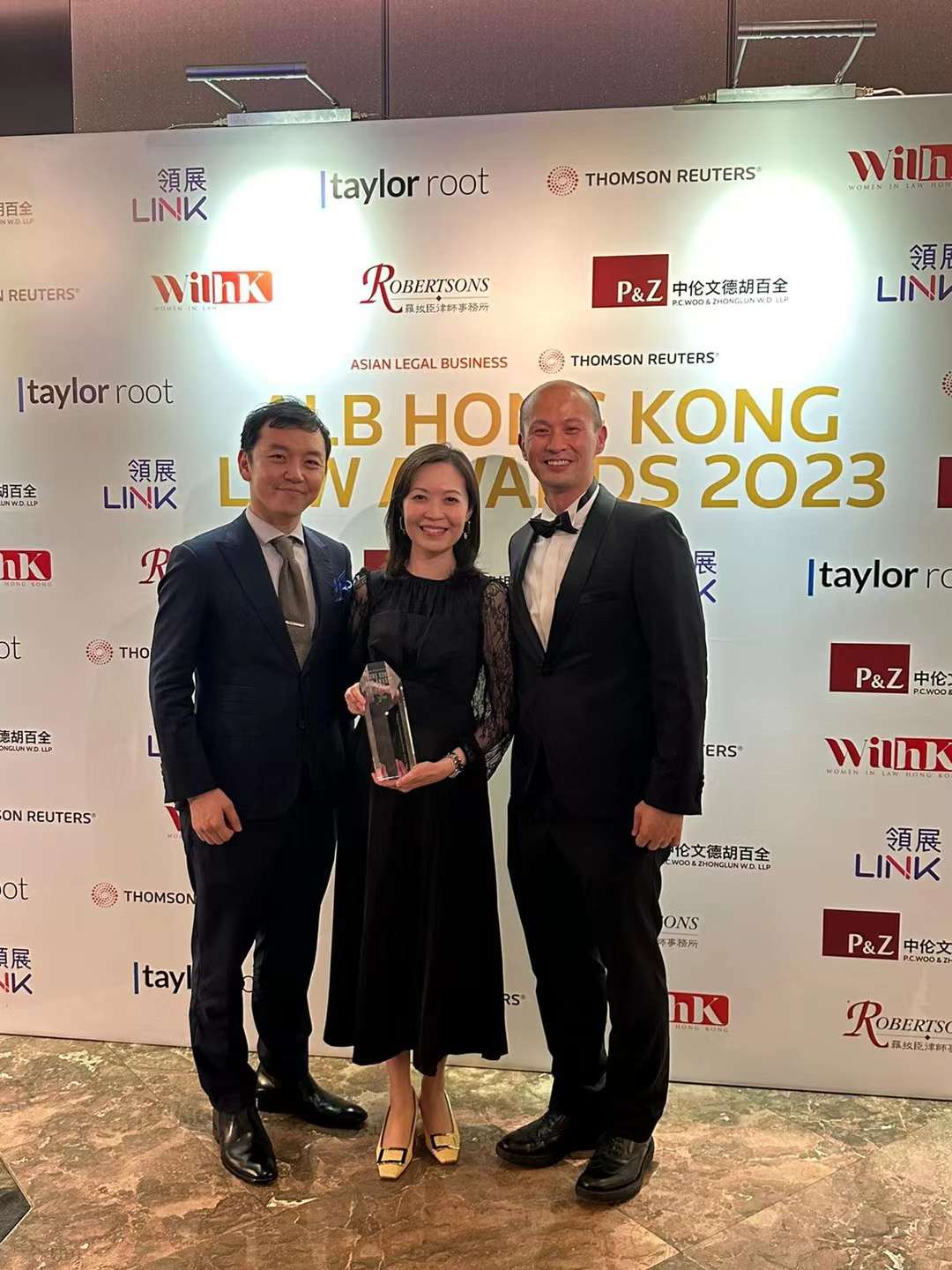
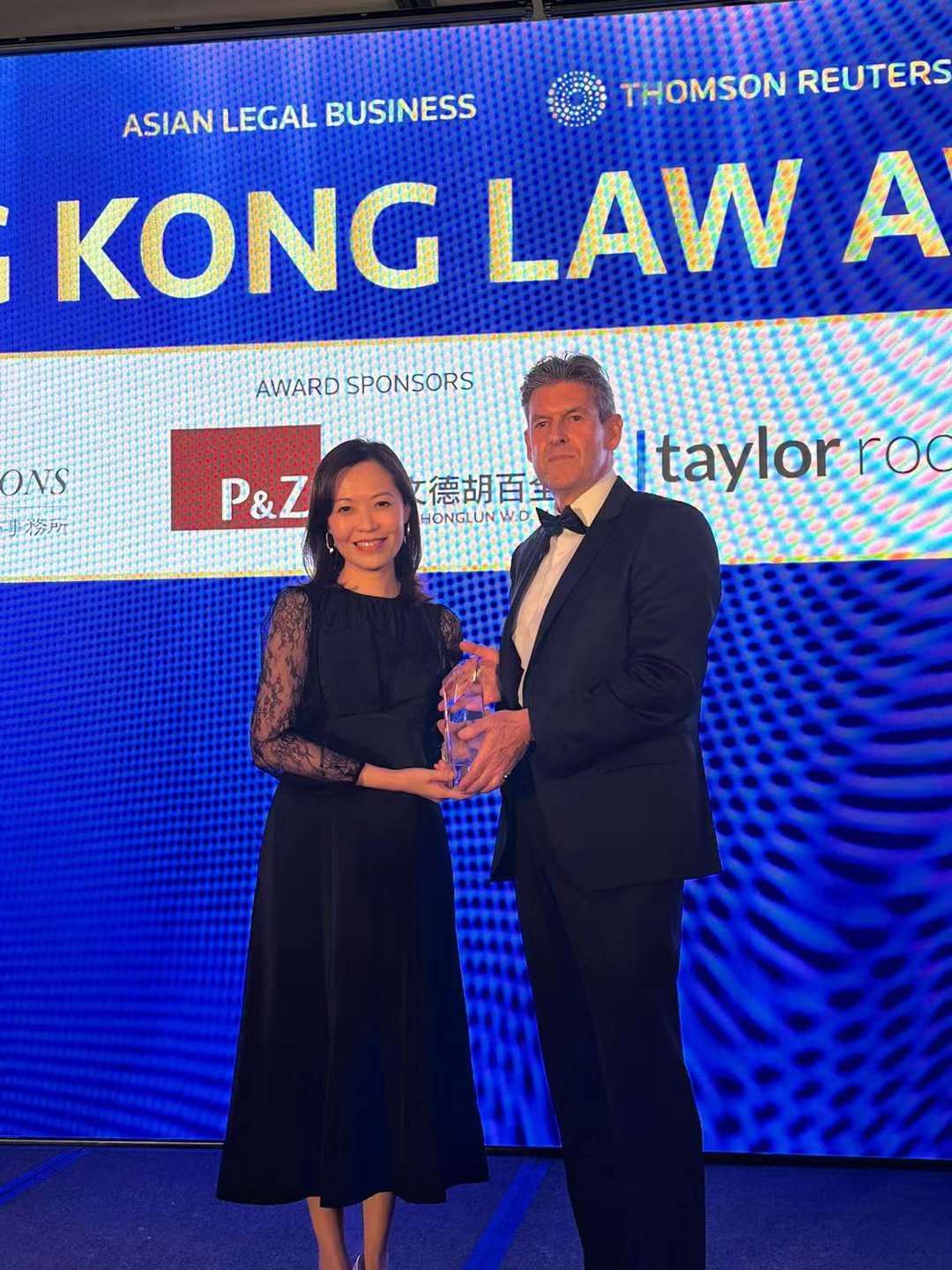
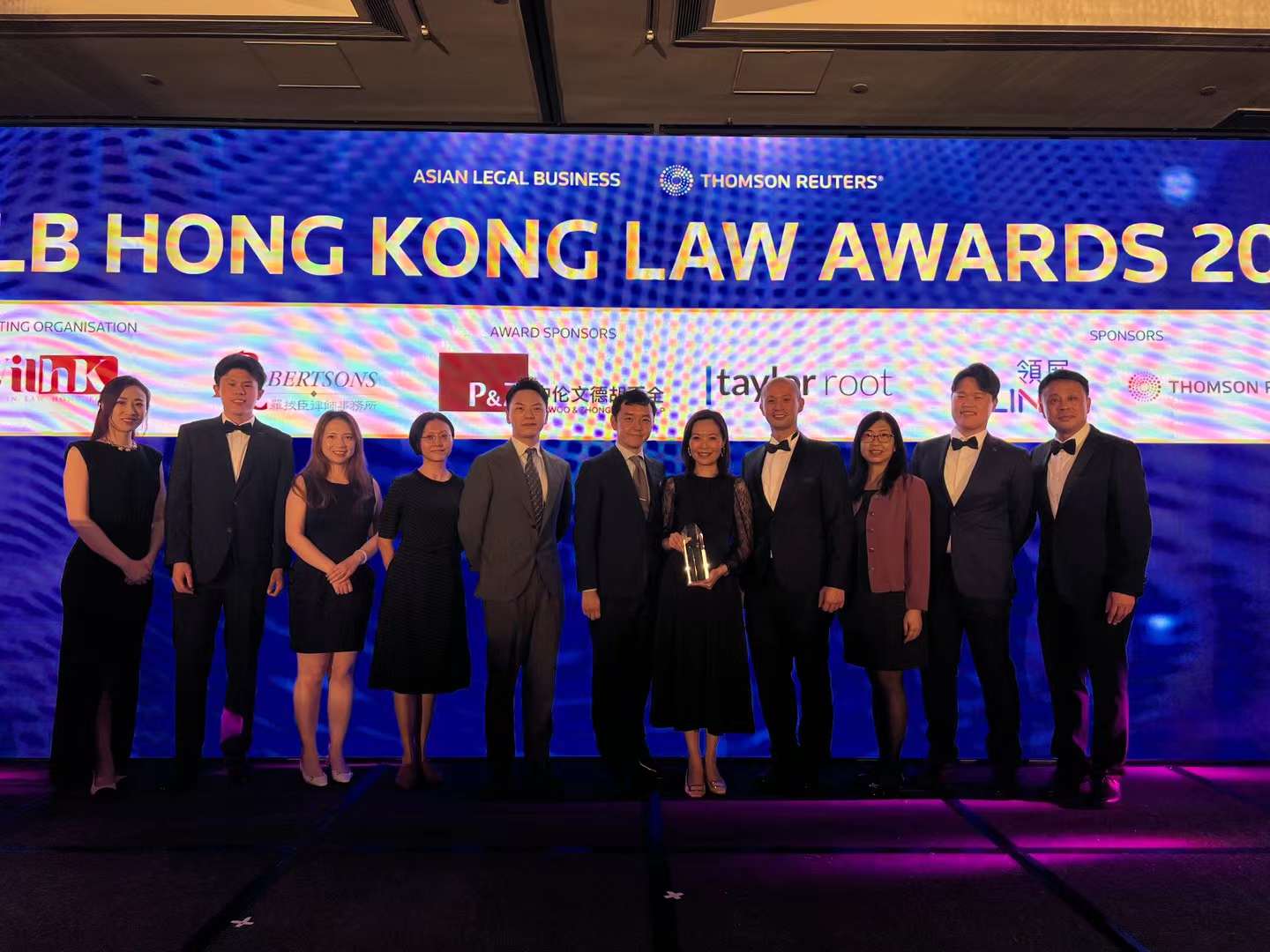
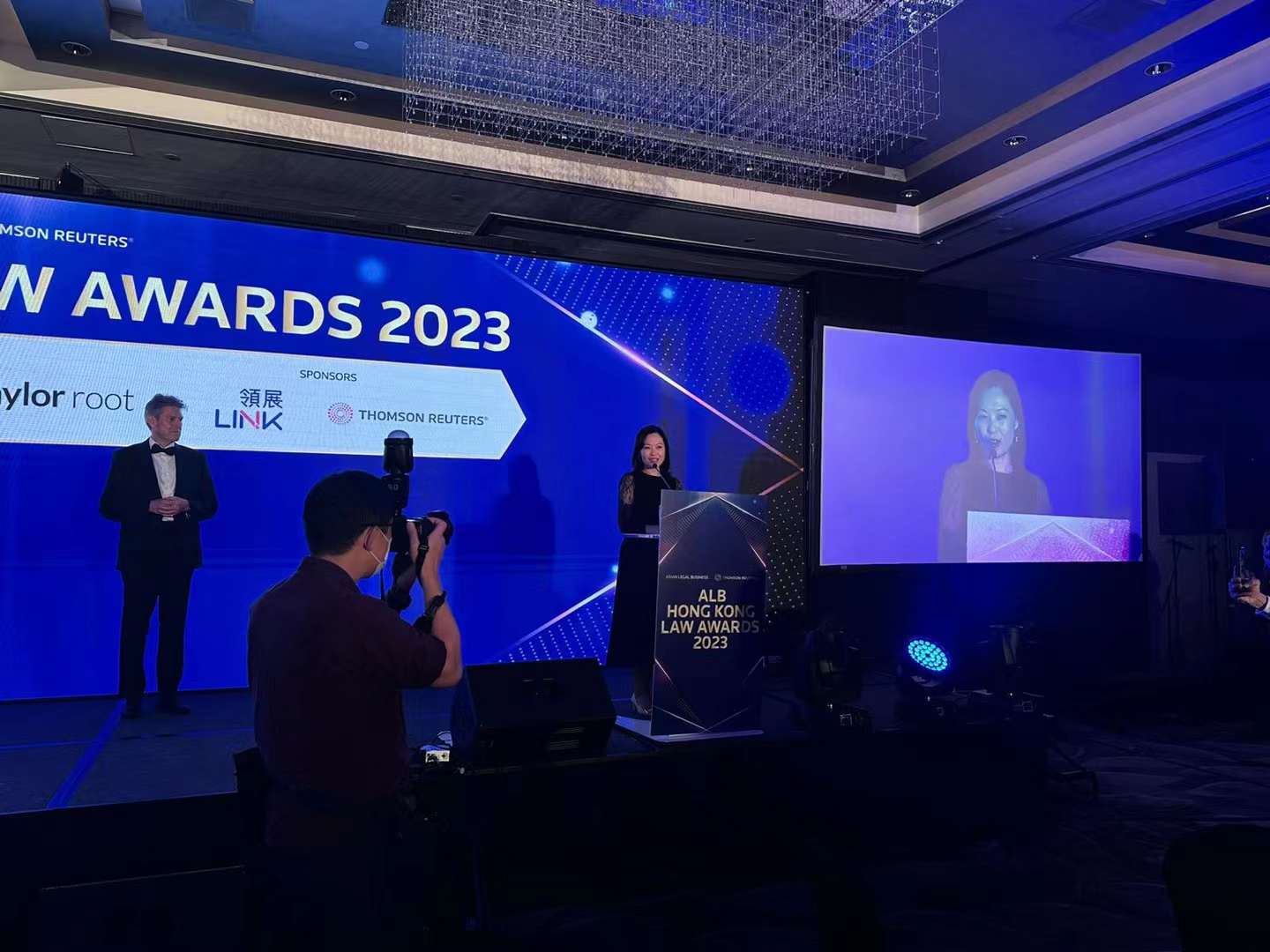
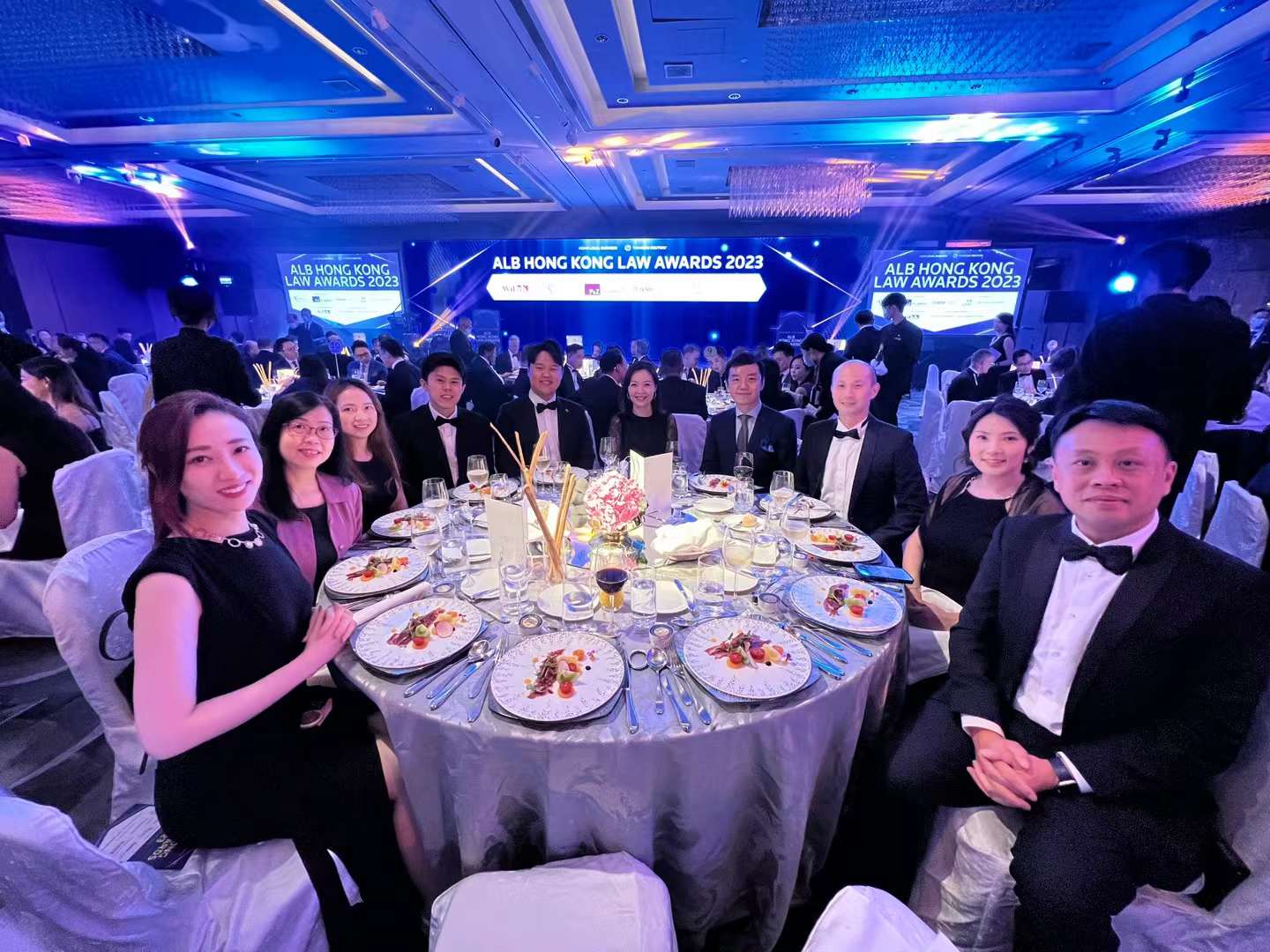
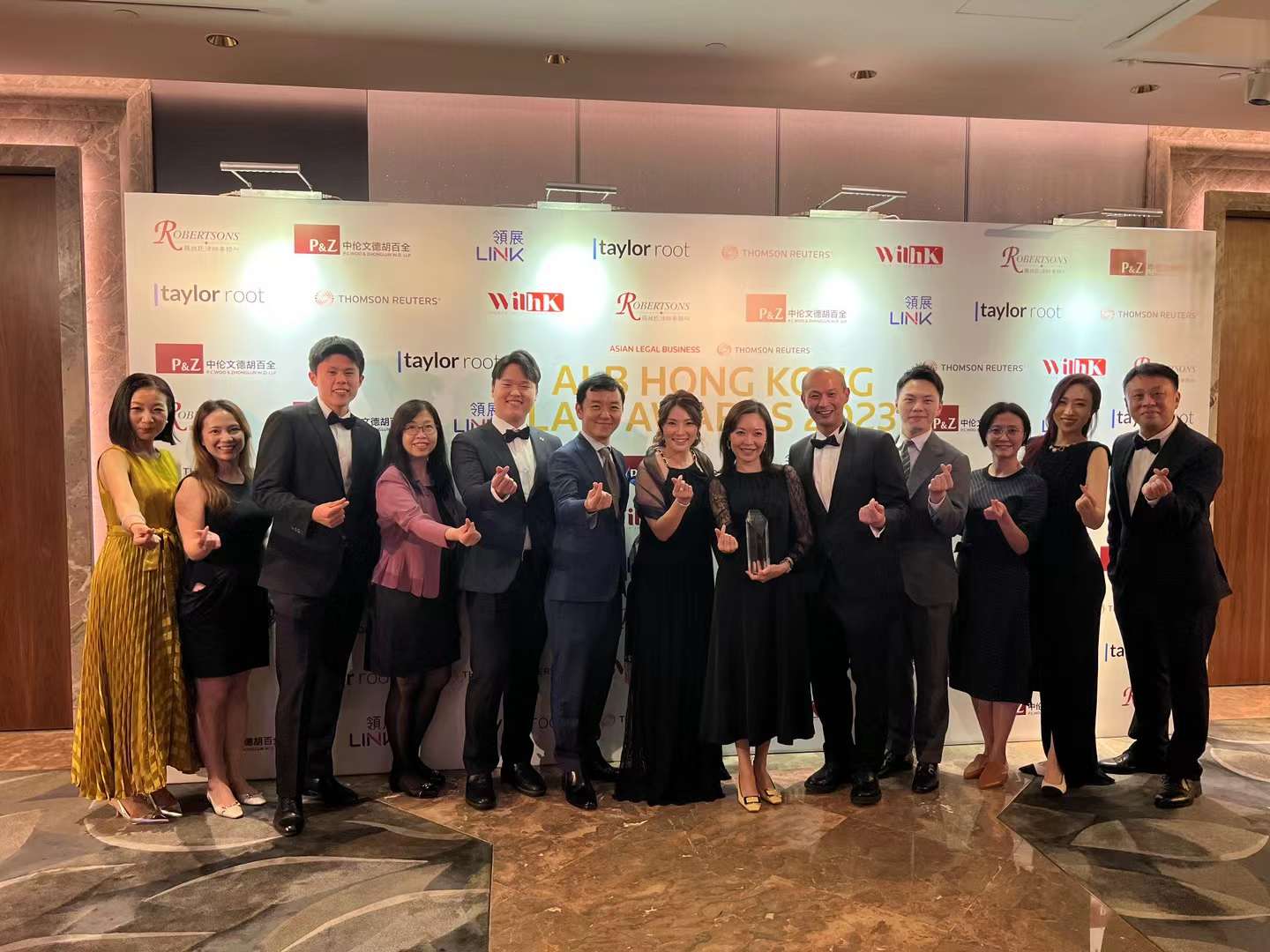
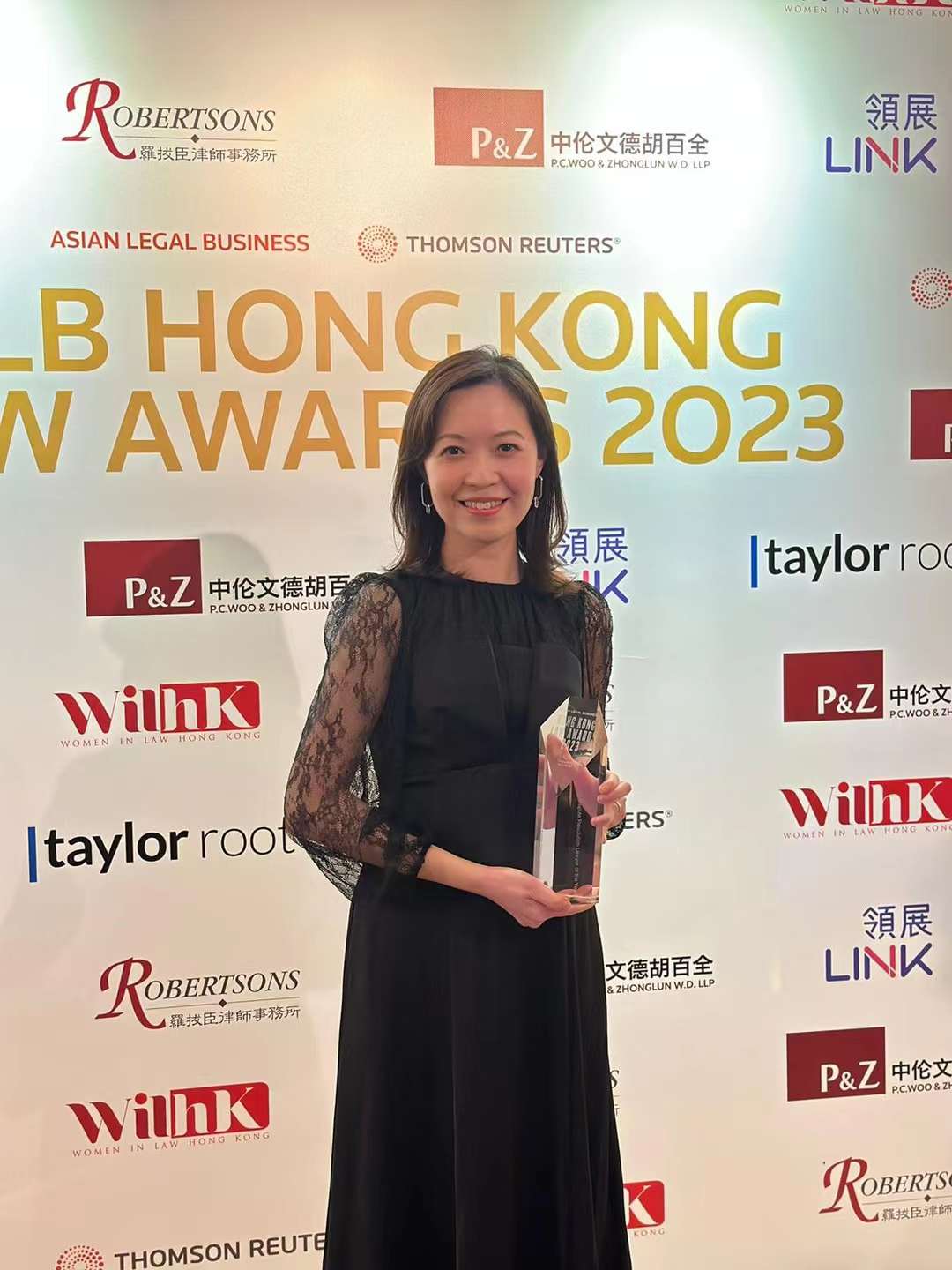
We are delighted to announce that our firm and partners have been shortlisted as finalists in 8 categories at the ALB Hong Kong Law Awards 2023. We are honoured to be recognized for our dedication and expertise across various practice areas.

The ALB HK Law Awards is an annual event that recognizes and celebrates the outstanding achievements of law firms, in-house legal teams, and individual lawyers in Hong Kong and the region. The winners will be announced at the awards ceremony on 15 September 2023 at the JW Marriot.
To view the complete list of finalists, please click here.
For more information, please contact our Partners Mr. Willy Cheng, Ms. Heidi Chui, or Mr. Gordon Tsang.