News
Find out all about our firm’s latest news and activities below. To learn more about any individual item, please contact us here.
 Stevenson, Wong & Co.
News
Find out all about our firm’s latest news and activities below. To learn more about any individual item, please contact us here.
Stevenson, Wong & Co. delivered presentation in a seminar on matrimonial issues
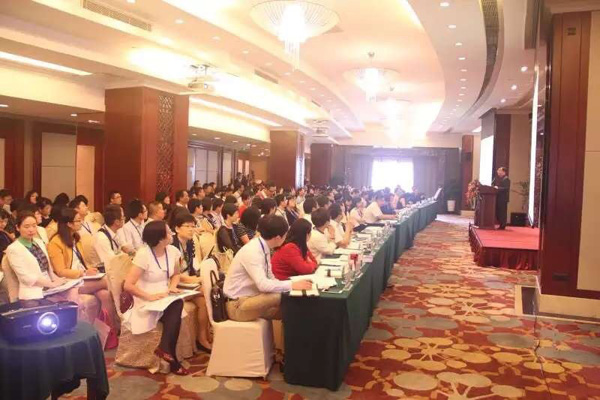
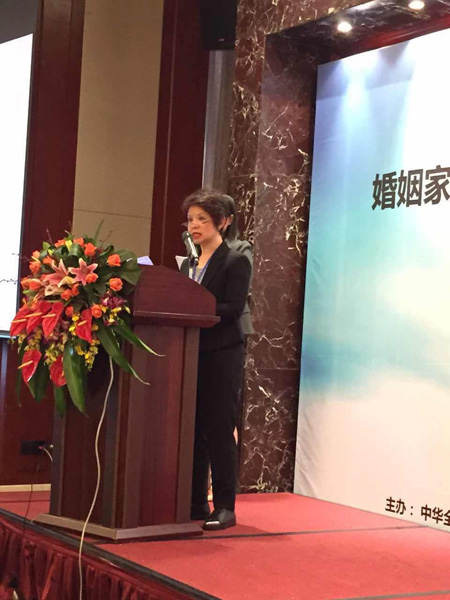
SW partners Ms Catherine Por and Mr Eric Lui attended the 2015 Lawyers’ Practice Seminar – Shareholding Issues in Matrimonial Cases held by All China Lawyers Association in Shenzhen, PRC on 25 October 2015. The seminar was well attended by legal practitioners from different parts of PRC.
In the seminar, Ms Por shared her practical experience on Hong Kong courts’ approach to valuation and distribution of company shareholdings in divorce proceedings.
Please contact our Ms Catherine Por or Mr Eric Lui for any queries or further information about this event.
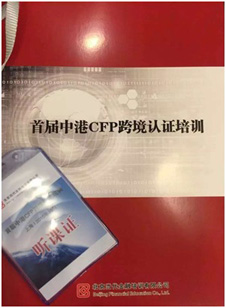
On 24 October 2015,SW Head of Business Development (China) Ms. Connie Yeung was invited to conduct the first CFP course on cross-border certification to approximately 48 PRC Certified Financial Planners (CFP). Connie discussed the requirements of drafting a will, probate procedure in Hong Kong whether with or without a will as well as practical knowledge in setting up a family trust.
On 24 October 2015, SW Head of Business Development (China) Ms. Connie Yeung was invited to speak at a seminar organized by ImmCapital at the Westin Hotel, Shanghai. Connie explained how asset planning relates to citizenship or residency as well as practical knowledge in setting up a family trust. After the presentation, several participants were interested in seeking further information.
This was the first time Connie was invited by ImmCapital to speak to their high net worth clients and we trust they found the talk useful and informative.
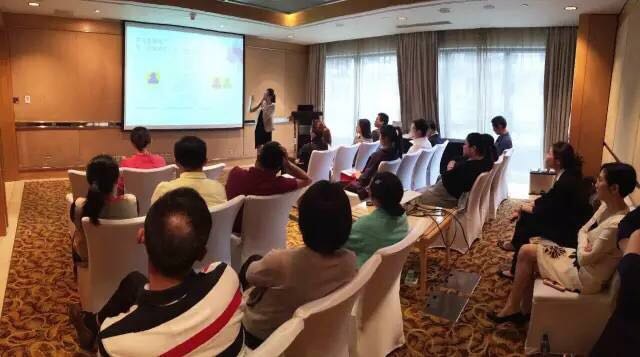
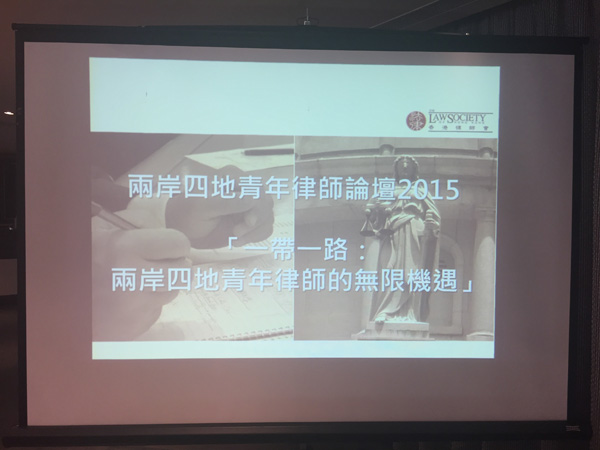
SW partner Ms Heidi Chui and associate Ms Katy Lai participated in the 5th Cross Strait Four Regions Young Lawyers Forum on 23 October 2015 organised by the Law Society of Hong Kong. The theme of this year’s annual event was “One Belt And One Road: Unlimited Opportunities for Four Regions Young Lawyers”. The event attracted approximately 200 lawyers from Mainland China, Taiwan, Macau and Hong Kong.
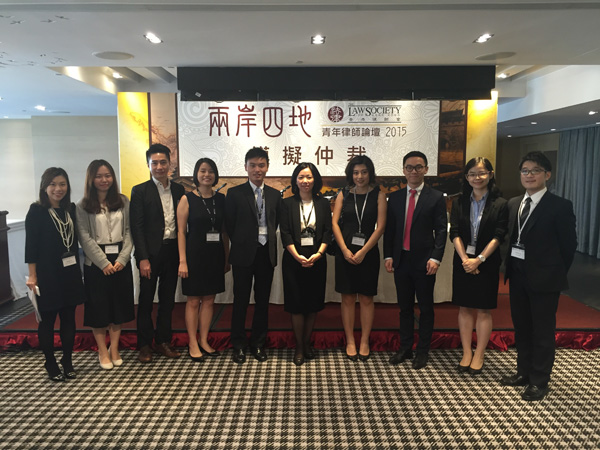
Mr Rimsky Yuen, Secretary for Justice of Hong Kong Government, Mr Wang Junfeng, President of All China Lawyers Association, Mr Lee Chia-Ching, President of Taiwan Bar Association and Mr Jorge Neto Valente, President of the Macau Lawyers Association, attended the event.
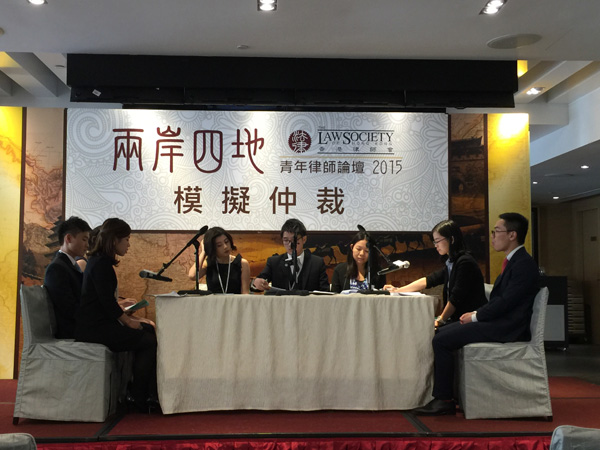
Ms Chui was a member of the Organising Committee and Ms Lai participated in a mock arbitration as one of the role players. The mock arbitration was well received by the audience and generated interesting discussions relating to the unique features of the arbitration process under the common law system.
Please contact our Heidi Chui for any enquiries or further information about this event.
(中文) 单身贵族的困惑
小李为一电商公司高管,公司上市时获得的一批期权,套现后价值几千万。他准备拿出其中一部分投资不同的项目!现在他希望与青梅竹马的同学小清结婚, 小清家里做生产代工的, 业务不错但也会有资金链断裂的风险。
根据我国《婚姻法》规定:夫妻在婚姻存续期间所得的下列财产,归夫妻共同所有:(1)工资、奖金;(2)生产经营的收益(3)知识产权的收益(4)继承或赠与所得的财产(5)其他应当归共同所有的财产
最高人民法院《关于适用中华人民共和国婚姻法若干问题的解释(三)》第五条:夫妻一方个人财产在婚后产生收益,除利息和自然增值外,应认定为夫妻共同财产。
《婚姻法》第四十一条: 离婚时,原为夫妻共同生活所负的债务,应当共同偿还。
他很希望可以有个家庭,也是他奋斗的动力!他与小清的婚是可以结,但结婚前应做好财产的风险隔离。可考虑签订婚前协议,以书面形式约定安排。但是婚前财产协议只处理了他们的离婚的资产分割风险,而且也是不是每个国家都承认婚前协议。
如设立信托,委托人将自己的婚前财产剥离,指定自己或亲属为受益人。毕竟婚后债务共有,适当为家庭留自留地,比大难临头各自飞,在紧急关头为了保护资产“离婚”强多了。更何况在中国,离婚也没有办法对抗婚后债务共有啊!
如想了解更详细的海外信托对婚前财产保护功能,请联系你的法律顾问/理财顾问/家族办公室。史蒂文生黄律师事务所成立了香港及新西兰信托公司,可为客户提供信托咨询或受托人服务。
分享资讯助人自助,谢谢关注微信公众号或浏览官方网站www.sw-hk.com。如需节录或转载,请注明资料来源为微信公众号swc_hk。
免责声明: 于此提供的资料只供参考,须以有关国家/地区法律顾问的法律意见和有关政府行政与司法机关对于适用的法例的解释和应用为准;上述资料亦受制于适用法例的任何不时的更新与修改,如因上述资料而引至任何人士或单位蒙受任何损失,该人士或单位须自行承担一切责任
On 22 October 2015, SW Partner, Mr. Eric Lui and Banking Department Legal Executive, Mr. Man Wong, attended the CCB (Asia) Hong Kong Wine & Dine Festival Garden Party.
This year’s event was sponsored by China Construction Bank (Asia) Corporation Limited (“CCB Asia”). The Festival was held at the Central Harbourfront Event Space, with the city’s neon-lit skyline and iconic Victoria Harbour serving as the backdrop. This amazing view was coupled with great wine and delicious food.
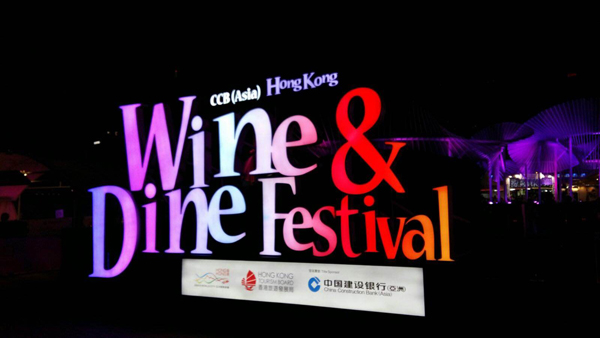
We were invited by CCB Asia together with their prestigious corporate and private clients to join the festival. CCB Asia is a long established client of SW.
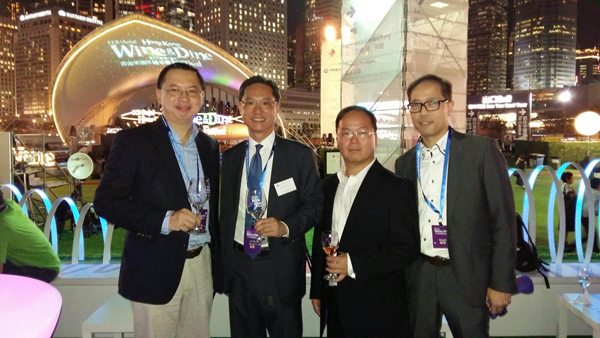
Please contact our Mr. Eric Lui and Mr. Man Wong for any enquiries or further information about this event.