News
Find out all about our firm’s latest news and activities below. To learn more about any individual item, please contact us here.
 Stevenson, Wong & Co.
News
Find out all about our firm’s latest news and activities below. To learn more about any individual item, please contact us here.
The courts faced an issue of whether it should continue to award an interest at 2% p. a. on damages for bereavement in Bushra Bibi v Method Building & Engineering Works Ltd (No. 2) [2015] 2 HKLRD 402, a case involving a fatal accident.
The general principle is that a claimant is entitled to interest on damages from the time of death to the date of judgment, since the damages should have been paid to him at the time of death, unless the Court is satisfied that there are special reasons not to do so. This equally applies to situations where the damages are agreed by the parties.
The Court of First Instance decided to depart from previous decisions awarding interest at 2% p.a. The new position now is that the interest on damages for bereavement will be awarded at the statutory full judgment rate, i.e. 8% p.a., from the date of death until the date of final judgment, pursuant to the Fatal Accidents Ordinance (Cap. 22). This interest rate also applies to one-off expenses, e.g. funeral expense.
Our senior consultant Mr. Angus Forsyth attended the Annual General Meeting of MARQUES – European Trade Mark Proprietors Association Owners in Vienna from 15 – 18 September 2015, at which our firm’s contribution to the intellectual property considerations relevant to mobile device app development was widely appreciated.
At the meeting, members explored and shared their works and ideas in relation to the intellectual property sector. It was a valuable platform for all professional parties to exchange their experiences and views.
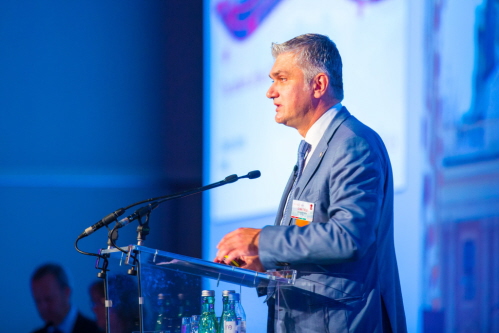
(Source: http://www.marques.org/Newsletters/Newsletter/Default.asp?NewsletterID=46&art=0#0)
Please contact our Mr. Forsyth for any enquiries or further information about this event.
On 12 September 2015, our partner Mr. Eric Lui delivered a presentation on mergers, acquisitions and reorganisation of corporate entities in Shanghai. The event was organized by the Mergers, Acquisitions and Reorganisation Committee of Allbright Law Offices.
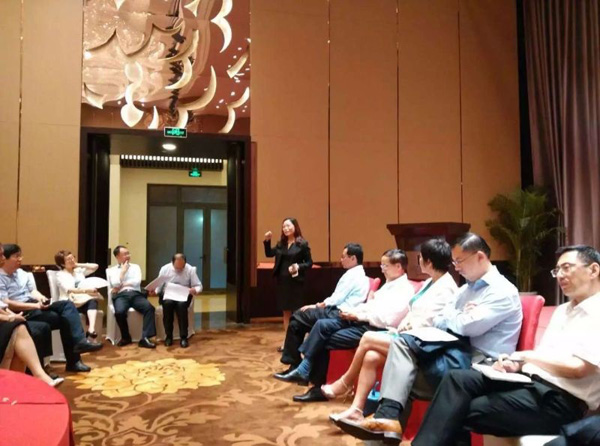
Mr. Lui introduced the mechanism of using an offshore special purpose vehicle (SPV) to acquire large scale onshore properties and acquisitions of PRC properties using offshore capital. Issues regarding tax implications, reorganisation of corporate structures and loan arrangements were also covered in the presentation.
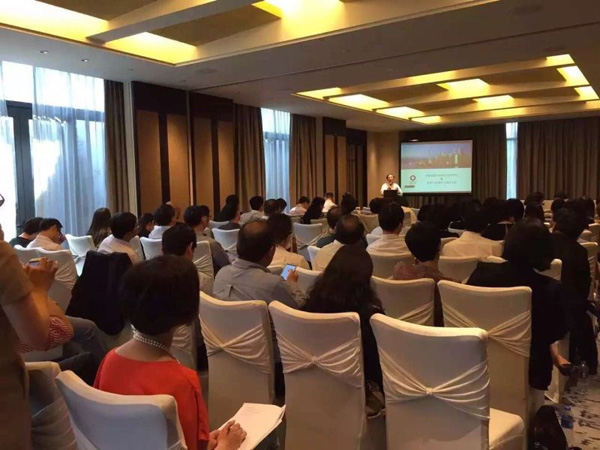
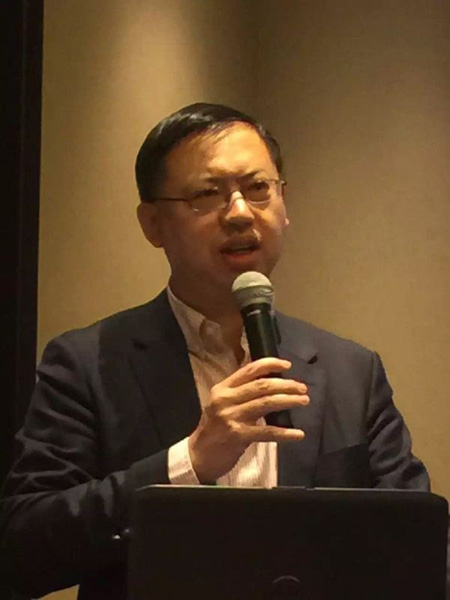
The event also celebrated the establishment of a Foreign Affairs Committee of Allbright Law Offices.
Please contact our Mr. Lui for any enquiries or further information about this event.
New Foreign Debt policy introduced in the PRC
On 14 September 2015, the National Development and Reform Commission implemented the “Notice on Promoting the Management Reform on the Filing and Registration System for Issuance of Foreign Debt by Corporate Entities” (“关于推进企业发行外债备案登记制管理改革的通知”) (the “Notice”). According to the Notice, the original quota approval regime for borrowing interest loans with a term of more than one year from offshore by onshore corporate entities and its controlling offshore corporate entities or its branches has been replaced by a new filing and registration system. The filing procedures for corporate entities in issuing foreign debts have also been simplified. Moreover, when the aggregate foreign debts have exceeded the limit, the National Development and Reform Commission will issue a notice to the public and will not entertain any further applications for filing and registration.
SW partners Ms Catherine Por and Ms Wendy Lam attended the IAML Annual Meeting 2015 held by International Academy of Matrimonial Lawyers (IAML) in Taormina, Sicily, Italy on 9-13 September 2015. The Sicily conference was well attended by more than 148 fellows from 27 jurisdictions. Founded in 1986, IAML is an international association of practising lawyers who are recognised by their peers as the most experienced and skilled family law lawyers in their respective countries. Ms Catherine Por is a Fellow and one of the Governors of IAML. Ms Wendy Lam became a fellow of IAML in 2014.
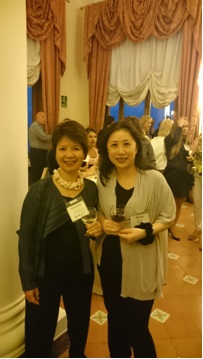
Please contact our Ms Catherine Por or Ms Wendy Lam for any queries or further information about this event.
On 11 September 2015, our partners Ms. Cornelia Chu and Ms. Heidi Chui attended the 14th annual Macallan ALB Hong Kong Law Awards gala dinner held at the Conrad Hotel, Hong Kong. Stevenson, Wong & Co. had been shortlisted as a finalist in the award categories of “Arbitration Law Firm of the Year”, “Deal Firm of the Year” and “Litigation Law Firm of the Year”.
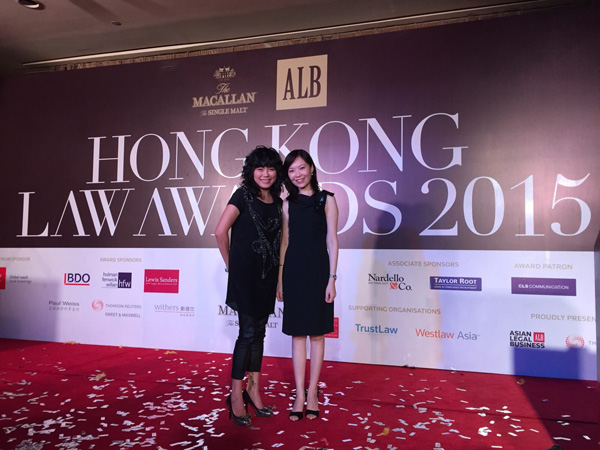
Members of the legal profession gathered to salute the best deals and legal practitioners in Hong Kong.
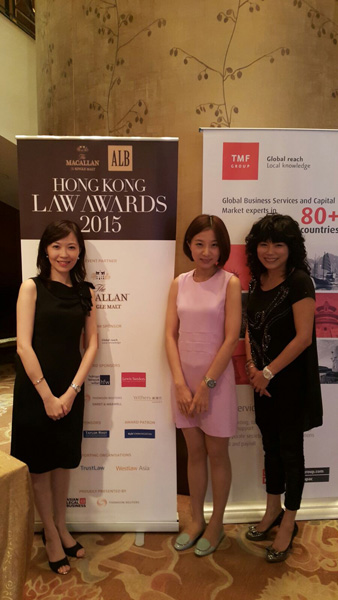
Photograph of Ms. Cornelia Chu (on the right), Ms. Heidi Chui (on the left) and Ms. Yvonne Cheung (middle), account director at Thomson Reuters
Contact person: Ms. Cornelia Chu and Ms. Heidi Chui