News Updates
Find out all about our firm’s latest news updates below. To learn more about any individual item, please contact us here.
 Stevenson, Wong & Co.
News Updates
Find out all about our firm’s latest news updates below. To learn more about any individual item, please contact us here.
On 4 November 2022, our Partner Milly Hung and Senior Associate Michael Lau delivered a hybrid seminar on “Walk through the end-to-end journey in Cyber Risk Management to get you up to speed”. They shed light on the legal issues of current cybersecurity practices, including the Hong Kong Monetary Authority’s and Insurance Authority’s compliance guidelines on cybersecurity, Personal Data (Privacy) Ordinance (“PDPO”), and the General Data Protection Regulation (“GDGR”). The seminar also invited an experienced Cyber-Security Lead in FSI (Financial Service Industry), Mr. Anthony Cheng, to explain the different types of cyberattacks and the available tools/means to tackle in Hong Kong.
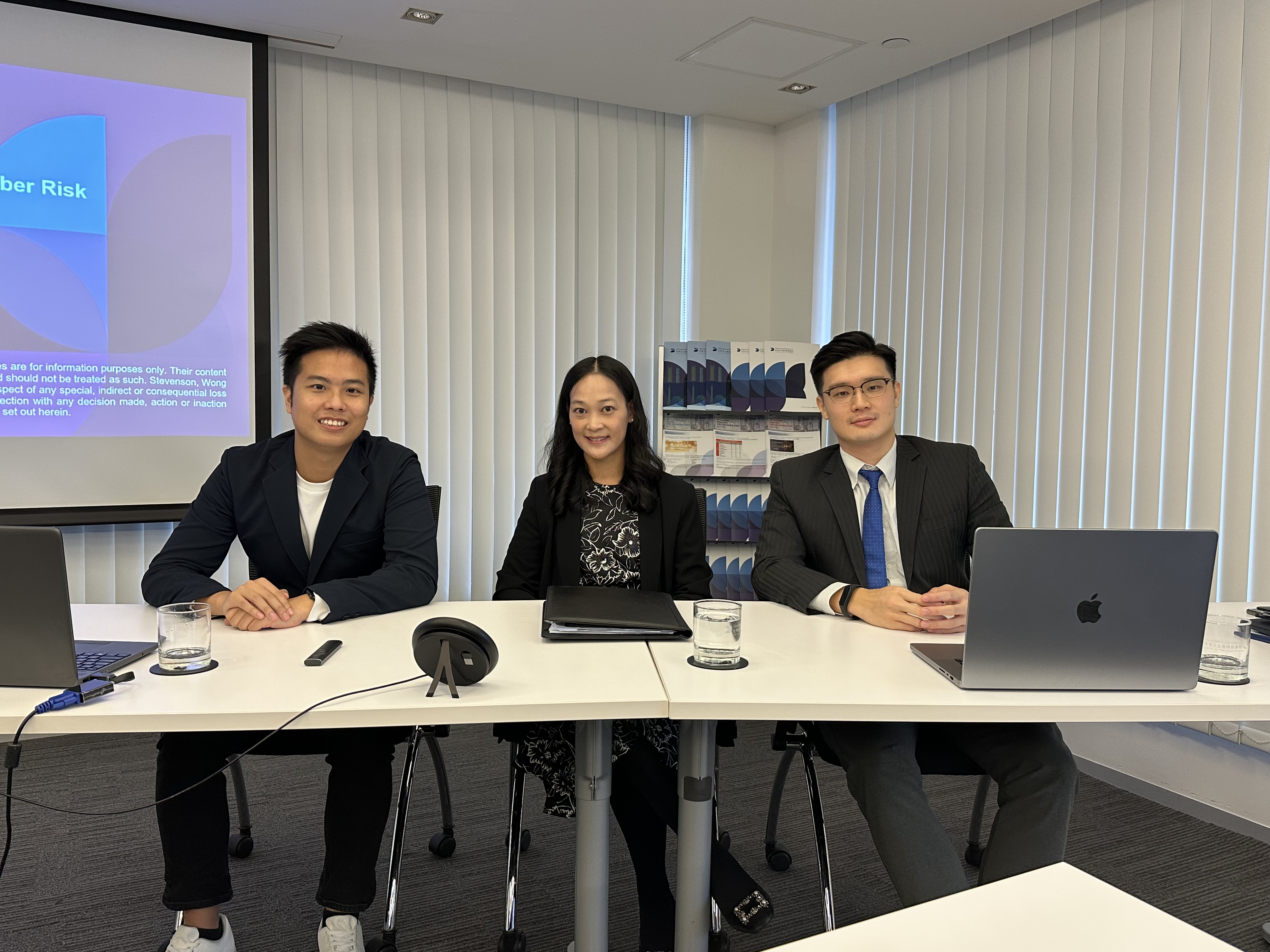
From the left: Guest Speaker Mr. Anthony Cheng, our Partner Milly Hung and Senior Associate Michael Lau
For more information, please contact our Partner Milly Hung.
Our Partner Rodney Teoh and his team members, Associate Angela Lau and Paralegal Calvin KW Lo, have recently been invited to be the exclusive contributor to the article “Overview of The Hong Kong Fintech and Blockchain Landscape”, published by The Legal 500: Fintech Country Comparative Guide 2022.
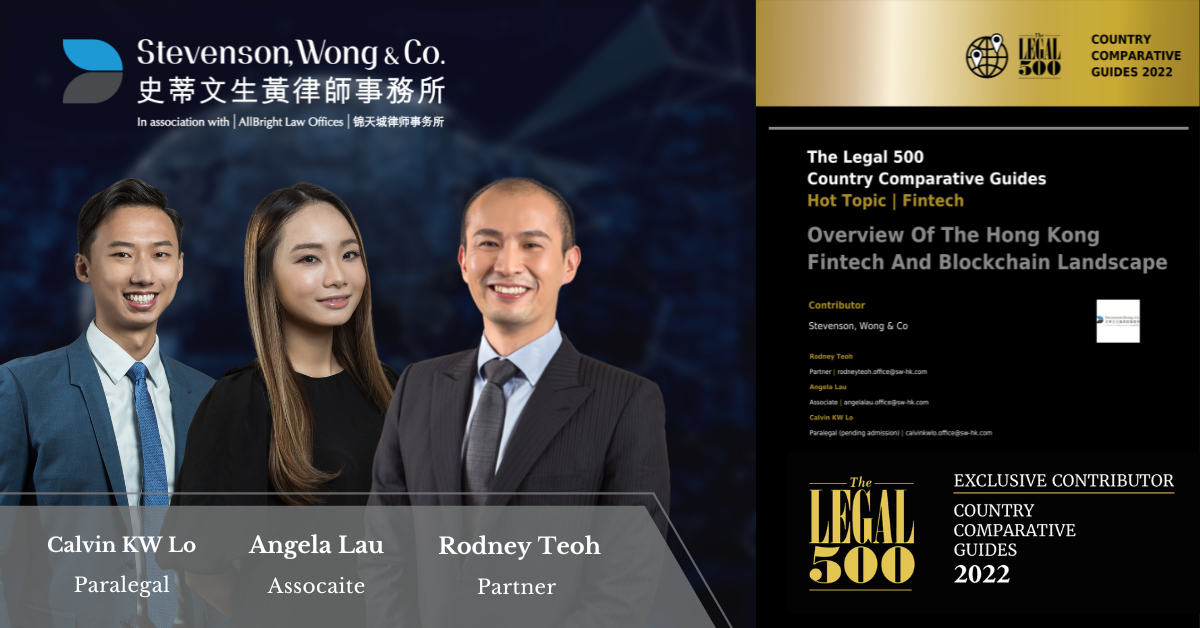
In the article, Rodney and his team explained how Hong Kong Government and the regulators strive to set up an effective regulatory framework for the Fintech industry in Hong Kong by introducing new regimes and pilot projects for token offerings, virtual assets service providers, e-payment services, e-HKD, and more.
About The Legal 500 Country Comparative Guides
The Legal 500 Country Comparative Guides invite the world’s renowned and leading lawyers to contribute chapters on various fields in different country. The Hot Topic articles aim to provide analysis of the latest trends and developments to provide readers with a deeper understanding of the laws and regulations in different key jurisdictions.
Please click here to read the full article on The Legal 500’s website.
For more information, please contact our Partner Rodney Teoh.
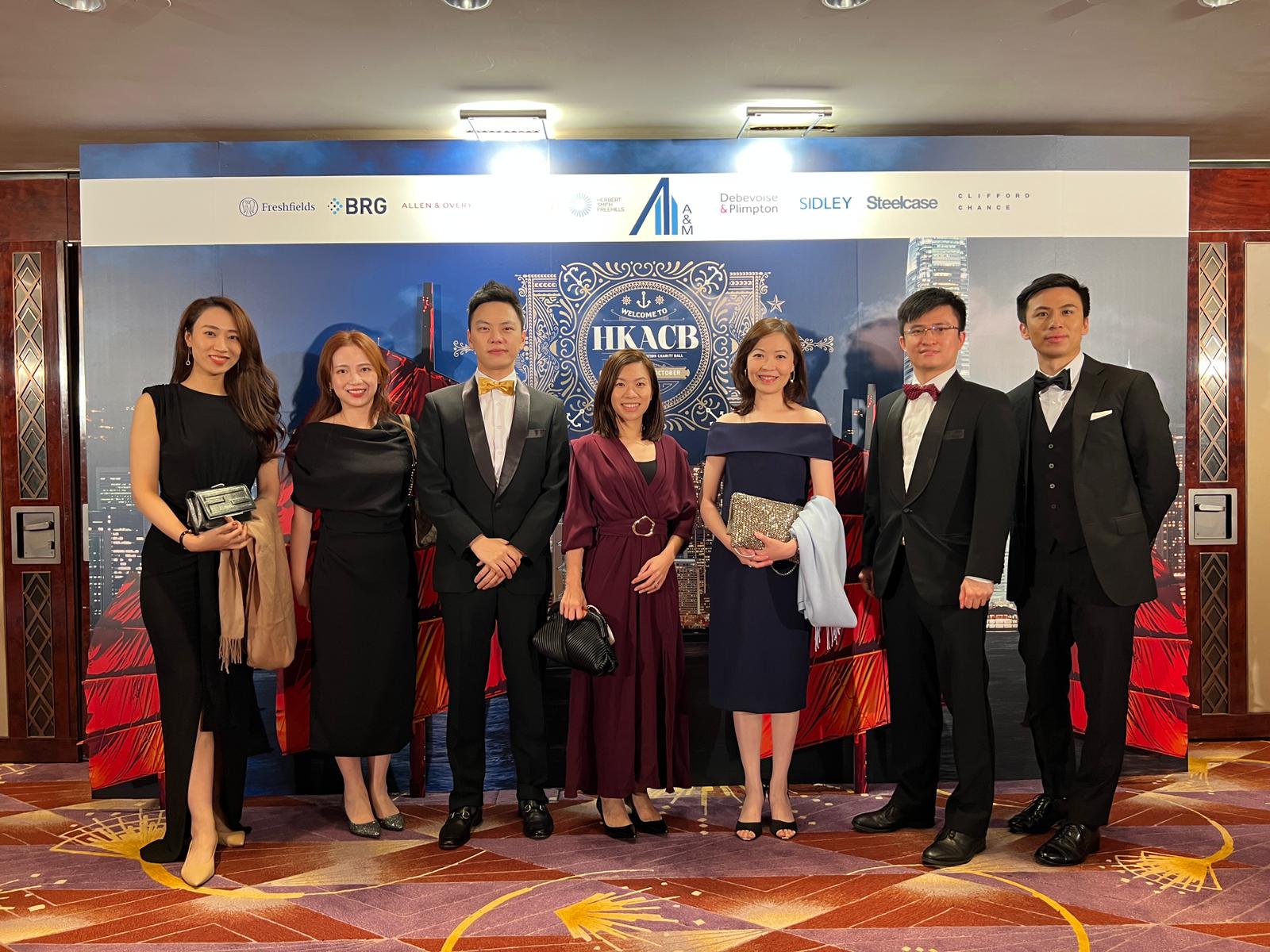
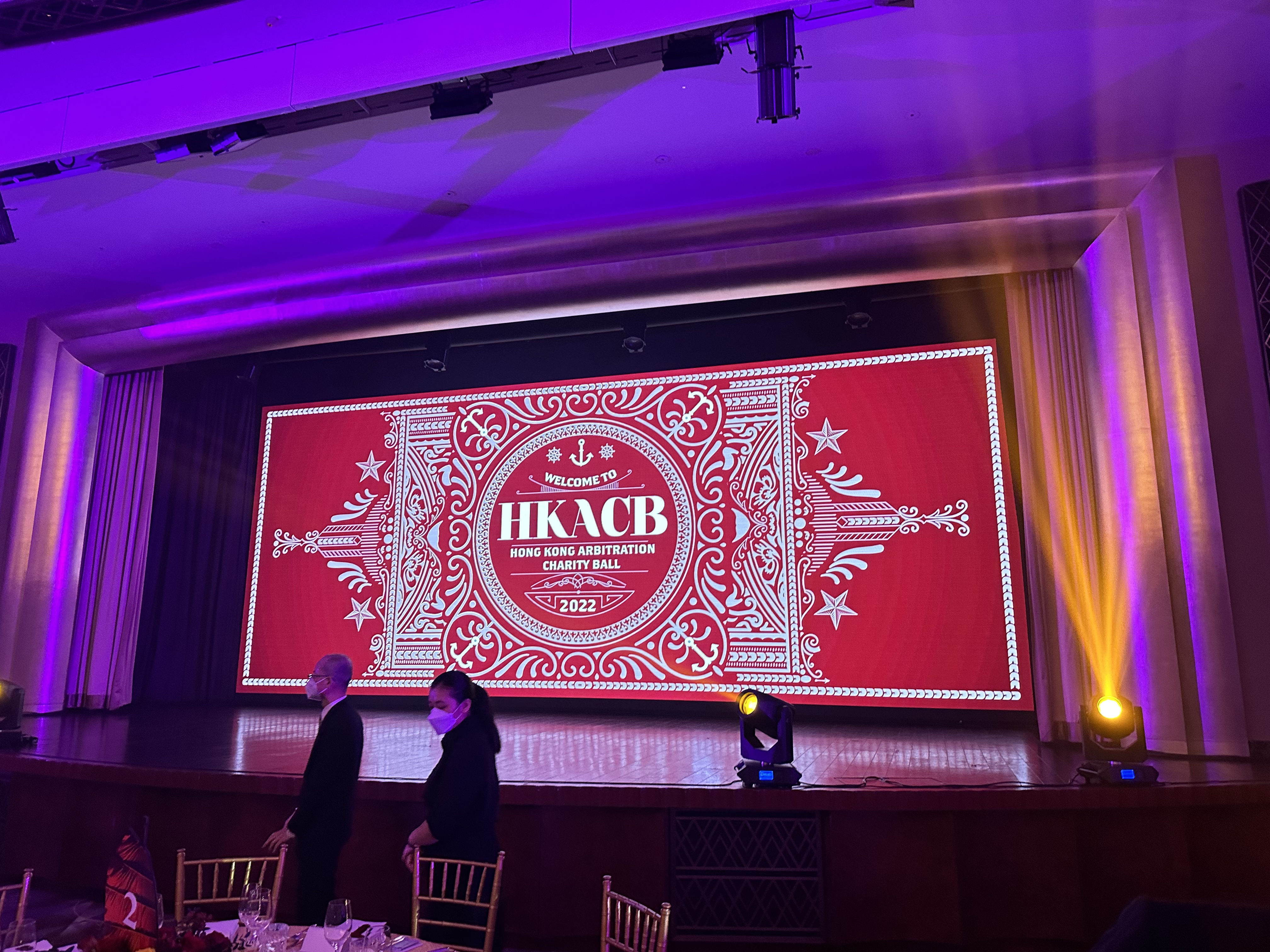
(中文) 史蒂文生黄很高兴再次支持并参与于2022 年 10 月 26 日在香港君悦酒店举行的香港仲裁慈善舞会。本所合伙人,诉讼及争议解决部主管徐凯怡律师、与黎嘉钿高级律师、卢家俊高级律师、黄晊晄高级律师、梁杰维律师、杨鸿煜律师助理和市场及传讯主管杨诗雅一起出席了本次慈善晚会。
作为香港仲裁周的一部分,香港仲裁慈善晚会旨在为亚太区仲裁之发展和支援香港慈善机构筹募善款。本所团队亦通过向本地慈善机构捐款,鼎力支持当晚的「仲裁偶像」和「电子无声拍卖」慈善活动。
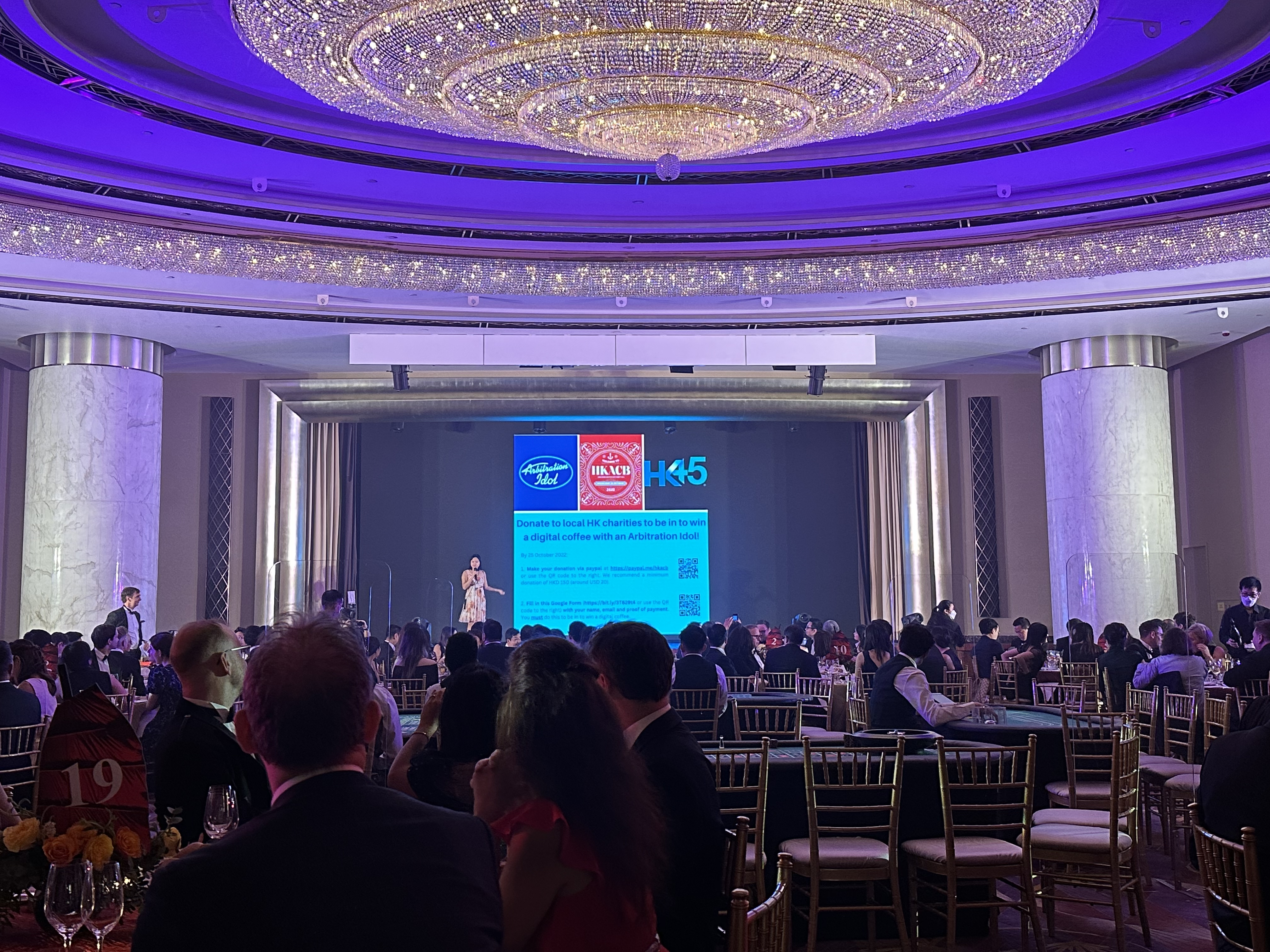
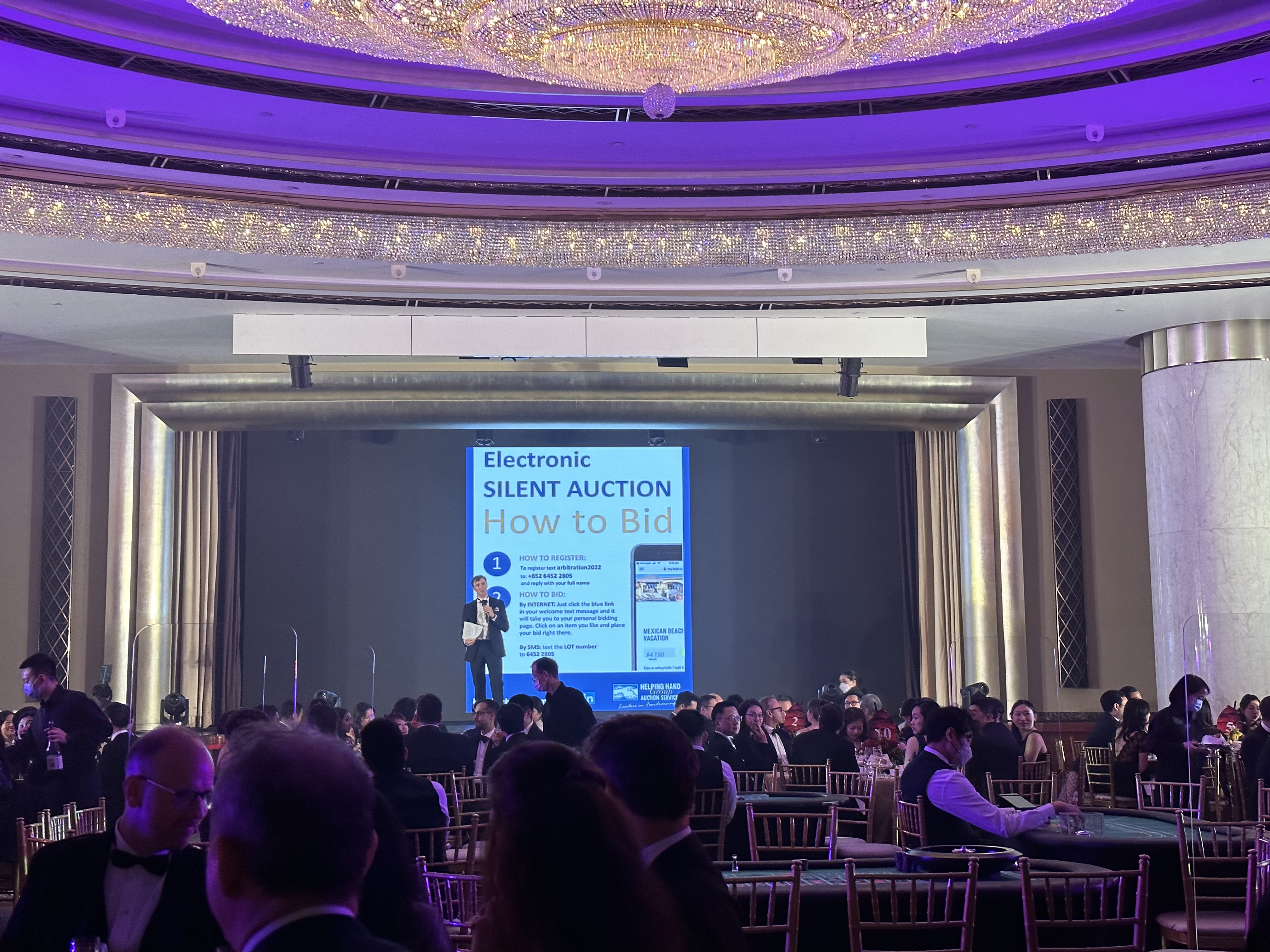
本所团队鼎力支持当晚的慈善活动「仲裁偶像」(上) 和「电子无声拍卖」(下)
本所很高兴能够在本次慈善晚会上与我们的合作伙伴及业界友好会面交流,并借此机会感谢香港仲裁慈善晚会的组委会和其他支持机构筹办了如此有意义和盛大的活动。
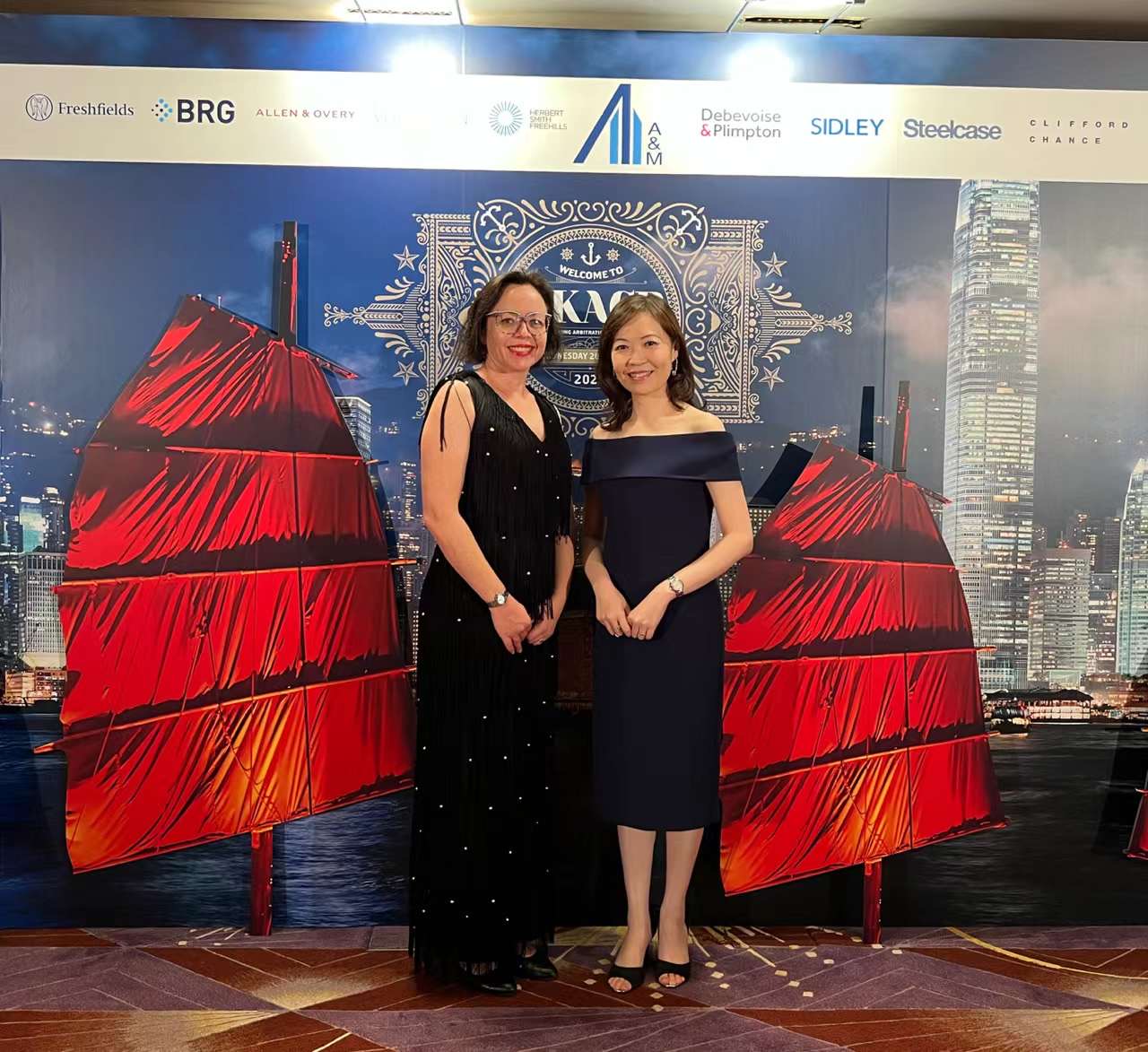
HKIAC秘书长Dr. Mariel Dimsey (左) 和本所合伙人徐凯怡律师 (右)
若阁下想了解更多详情,请联络本所合伙人徐凯怡律师。
Introduction
On 31 October 2022, Hong Kong’s Fintech Week 2022 commenced with the Financial Services and the Treasury Bureau (FSTB) releasing a policy statement (the “Policy Statement”) on the Government’s measures and plans for the development of virtual assets (“VA”), including discussion on its vision, approach, the new licensing regime for VA service providers (the “VASP Regime”) (see our news update on the AMLO Bill (as defined below) implementing the VASP Regime here), green bond tokenisation (see our news update on green bond here) and allowing retail investors to trade cryptocurrencies.
Vision and Approach
The Government recognised the potential of distributed ledger technologies (“DLT”) and Web 3.0 as the future finance and commerce, and has stated its readiness in supporting the VA market in Hong Kong, for example, issuance of non-fungible tokens (“NFTs”), presence of Metaverse developers and use of DLT in trade finance etc. To allow VA innovations to thrive in Hong Kong, it is important to put in place appropriate guardrails to address risks and align to international standard regulatory safeguards in relation to financial stability, consumer protection, as well as money laundering and terrorists financing.
Over the past few years, adopting the “same activity, same risks, same regulation” principle, the Government and the regulators in Hong Kong have worked collaboratively and launched a comprehensive framework to regulate VA activities in Hong Kong.
Licensing Regime for VA Trading Platforms / VA Exchanges
A licensing regime for VA service providers (“VASPs”) was first introduced by the Securities and Futures Commission (“SFC”) in the publication of a position paper titled “Regulation of Virtual Asset Trading Platforms” in November 2019 (see our news update here). On 24 June 2022, the Hong Kong government gazetted the Anti-Money Laundering and Counter-Terrorist Financing (Amendment) Bill 2022 (the “AMLO Bill”), proposing changes to the Anti-Money Laundering and Counter-Terrorist Financing Ordinance (Cap. 615). The AMLO Bill introduced a new licensing regime for virtual asset exchanges which will take effect on 1 March 2023. Pursuant to the AMLO Bill, any person who carries or holds themselves out as carrying on a business of providing VA service; and any person, whether in or outside Hong Kong, who actively markets to the public in Hong Kong any VA services he provides or purports to provide will have to obtain a VASP license from SFC, failing which an offence is committed . 1
However, during the meetings of the Bills Committee after the gazettal of the AMLO Bill, concerns were raised on the proposal that VASPs would be restricted to offer their services to only professional investors, unlike other markets in which retail investors can access to VA via VA-related products such as exchange trade products.
As an initial step to allow the public to access VA under the new licensing regime, on the same day as the announcement of the Policy Statement, SFC published a circular on the possibility of having VA futures exchange traded funds (“ETFs”) in Hong Kong, 2which sets out the requirements that SFC will consider when authorising ETFs that obtain exposure to VA primarily through future contracts for public offering in Hong Kong under sections 104 and 105 of the Securities and Futures Ordinance. As stipulated in the Policy Statement, SFC will also conduct a public consultation to explore how retail investors may be given access to VA under the new licensing regime.
Property rights of tokenised assets and Stablecoins
The Government recognised the unique characteristics of VA as compared to traditional assets and indicated it is open to future review on property rights for tokenised assets and the legality of smart contracts. Furthermore, the Government also indicated that the consultation outcome and next steps of the discussion paper issued by the Hong Kong Monetary Authority (“HKMA”) on crypto-assets and stablecoins in January 2022 (the “Discussion Paper”), which examined the current regulatory framework in Hong Kong regarding stablecoins and sought the public’s and industry’s feedback on whether stablecoins or crypto-assets fall under the definition of stored value facility and be subject to the mandatory licensing regime regulated by the HKMA (see our news update ), will be published by HKMA in due course.
Pilot Projects
To demonstrate its support the global VA community, the Government has announced a number of pilot projects:
1. Issuance of NFTs for Hong Kong Fintech Week (“HKFTW”)
In order to prove the Government’s engagement in the Fintech and Web3 community, NFTs were issued to all the attendees of the HKFTW 2022. The NFTs not only served as a proof of attendance to the HKFTW, but also equipped with benefits to the holders of the NFTs, including special discounts on tickets for HKFRW next year and exclusive early announcements for participation in other Fintech events and programmes. In addition, the NFT holders were offered a chance to create their own Augmented Reality (AR) avatar to experience the Metaverse.
2. Green bond tokenisation
Following the completion of Project Genesis, which is the first green finance project led by HKMA and the Bank for International Settlements to develop two prototypes (utilising permissioned and permissionless blockchain respectively) to use DLT to issue green bonds to retail investors with higher transparency and easier access, 3 HKMA is now working on a new project to tokenise the Government’s green bond issuance for subscription by institutional investors. The objective of this pilot project is to test out the use of DLT throughout the bond cycle, including but not limited to, issuance, settlement, asset servicing, secondary trading and redemption of bonds, within the existing financial infrastructure and the legal and regulatory environment in Hong Kong. This pilot project will be a guide for similar issuances of green bonds by other market participants in the future.
3. e-HKD
VA and crypto assets are currently not regarded as valid and legal means of payment under Hong Kong law. Subsequent to the market feedback from the Discussion Paper issued by the HKMA as mentioned above, and to in line with other jurisdictions worldwide, the Government and the regulators continued to explore the possible launch of a Central Bank Digital Currency (rCBDC) – the e-HKD. The HKMA will adopt a “three-rail approach”, by exploring the phases (1) the technology and legal foundations, (2) use cases and designs, and (3) the timeline for launching e-HKD, to promote the launch of e-HKD in Hong Kong. The Government is positive that e-HKD will act as the potential “backbone” and anchor bridging legal tender and VA, and thereafter offer price stability and confidence to empower more innovations in the field of security token offerings on different types of VA.
Analysis and Takeaways
Considering the recent robust development of the VA market internationally, including Singapore tightening its VA regulatory regime this year, the Policy Statement evidenced the Government’s determination and commitment to build and promote a sustainable and comprehensive regulatory framework for Fintech and VA activities. Though much remains to be settled and revealed in detail, it is worth looking forward to the development of the regulation on VA, including the possibility of opening Hong Kong’s VA market to retail investors, the launch of e-HKD, VA futures ETFs authorisation and implementation of the AMLO Bill, which will foster and consolidate Hong Kong’s status as an international financial hub and enhance its position in the Fintech sector regionally and globally.
Please contact our Partner Mr. Rodney Teoh for any enquiries or further information.
This news update is for information purposes only. Its content does not constitute legal advice and should not be treated as such. Stevenson, Wong & Co. will not be liable to you in respect of any special, indirect or consequential loss or damage arising from or in connection with any decision made, action or inaction taken in reliance on the information set out herein.
1Section 53ZRA of the AMLO Bill.
2 SFC. (October, 2022). Circular on Virtual Asset Futures Exchange Traded Funds. Retrieved from SFC: https://apps.sfc.hk/edistributionWeb/gateway/EN/circular/products/product-authorization/doc?refNo=22EC60
3 Bank for International Settlements. (November, 2021). BIS Innovation Hub and Hong Kong Monetary Authority conclude first green finance project. Retrieved from Bank for International Settlements: https://www.bis.org/press/p211104.htm
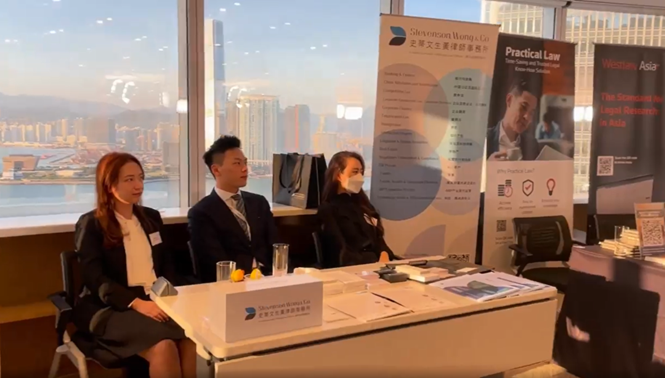
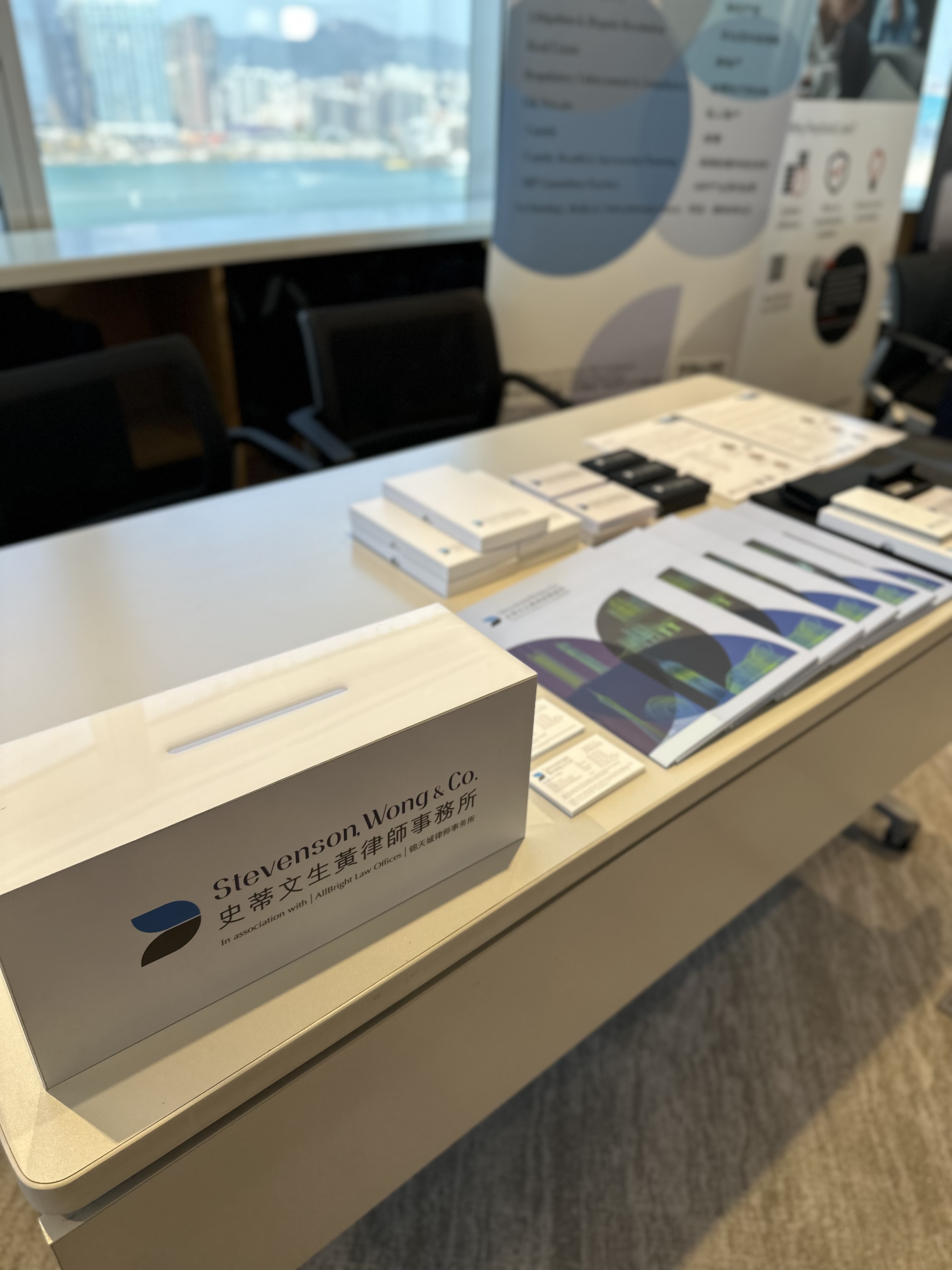
Hong Kong International Arbitration Centre (“HKIAC”) successfully held the 11th Hong Kong Arbitration Week from 24 to 28 October 2022. We are honored to sponsor and support the Hong Kong Arbitration Week again and attended the ADR in Asia Conference (“ADR Conference”) as an Exhibitor on 26 October. The Arbitration Week received strong support from 22 well-known Hong Kong and international institutions, including the Asian International Arbitration Center (AIAC), the China International Economic and Trade Arbitration Commission (CIETAC), the International Chamber of Commerce Court of Arbitration (ICC), the Hong Kong Department of Justice and the Law Society of Hong Kong.
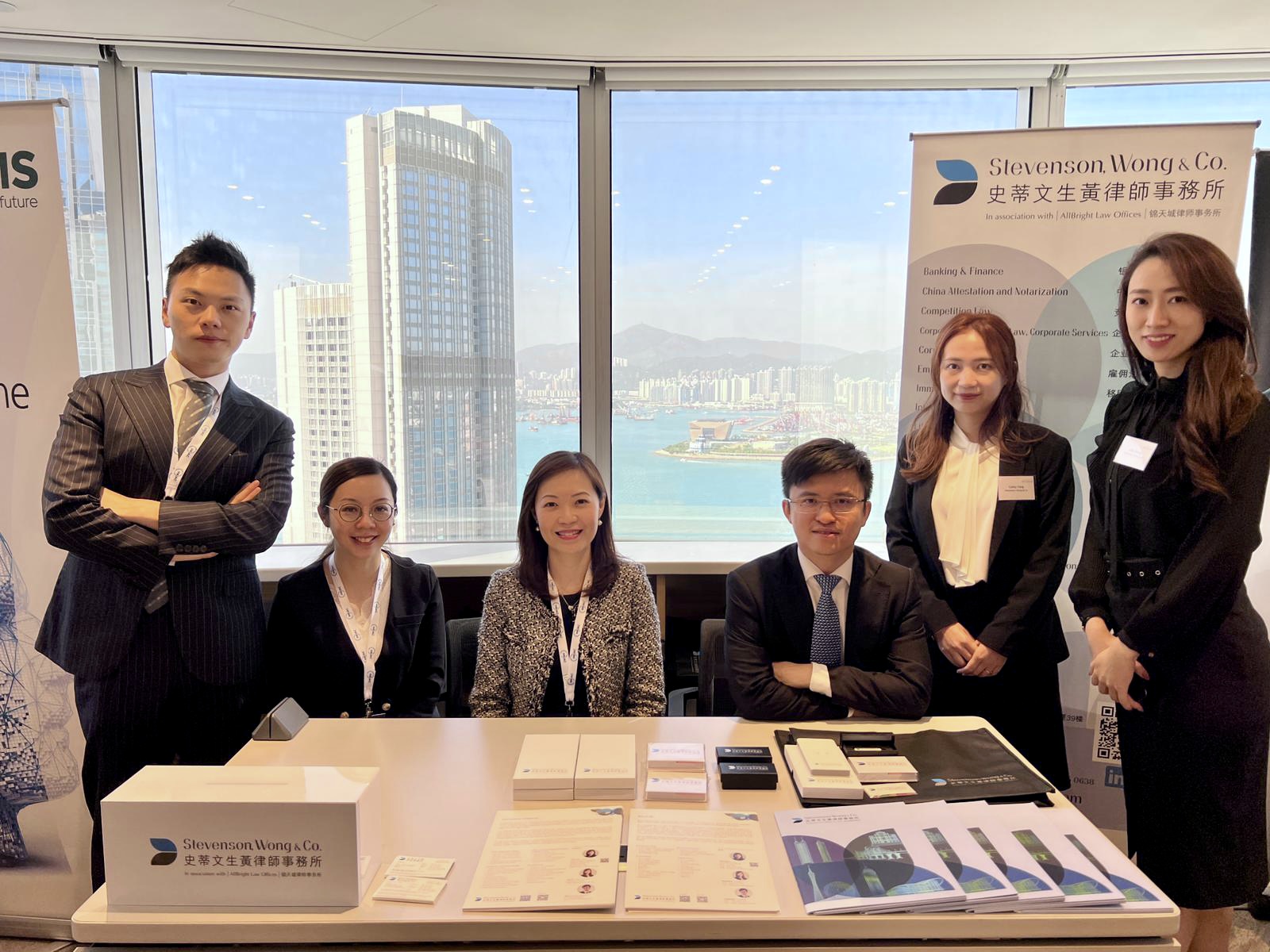
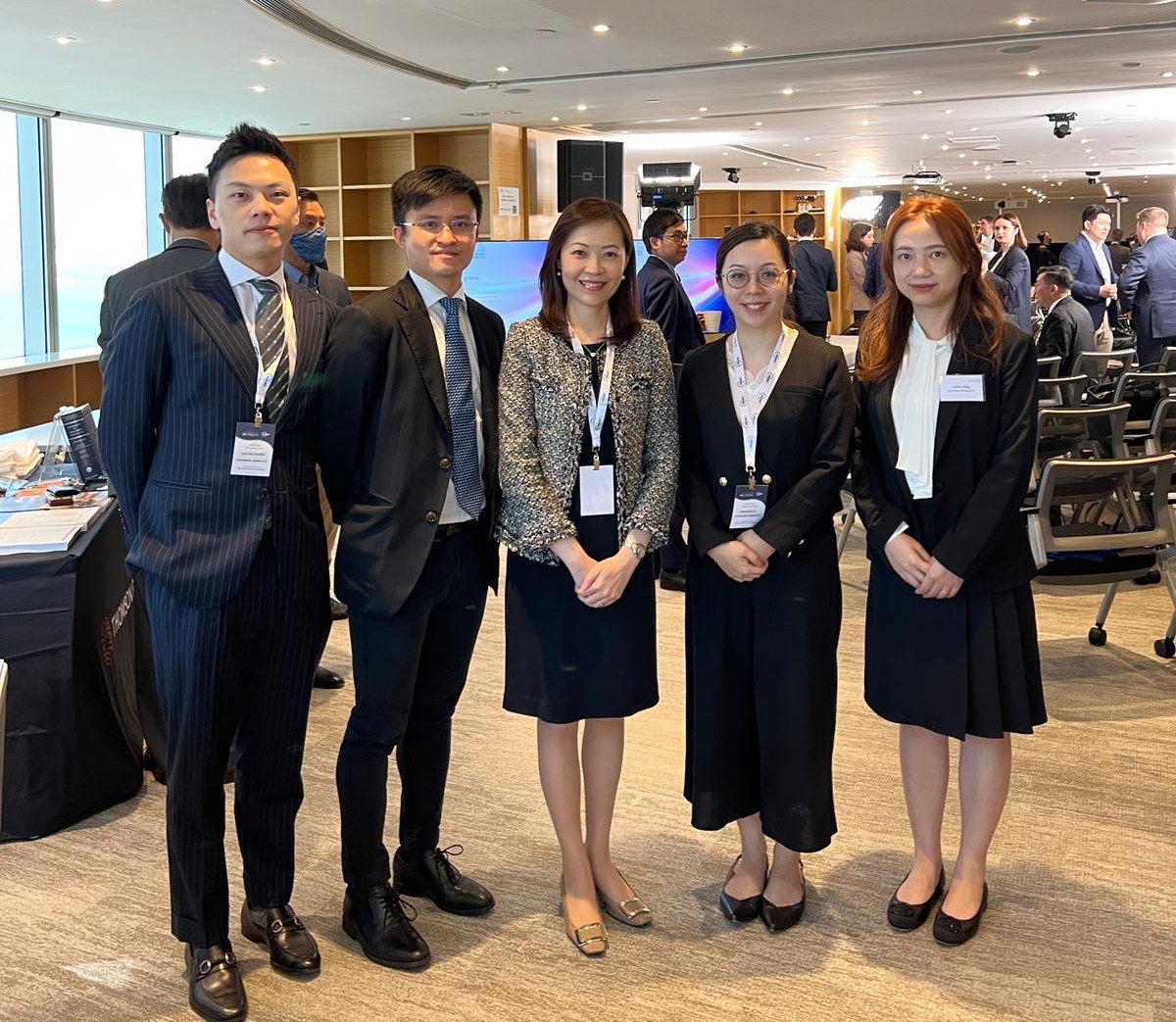
From the left: our Senior Associate Mr. Calvin Huang, Consultant Ms. Jennifer Li, Partner and Head of Litigation and Dispute Resolution Department Ms. Heidi Chui, Senior Associate Mr. Kyle Lo, Paralegal Ms. Cathy Yang, Marketing and Communications Executive Ms. Julia Yeung
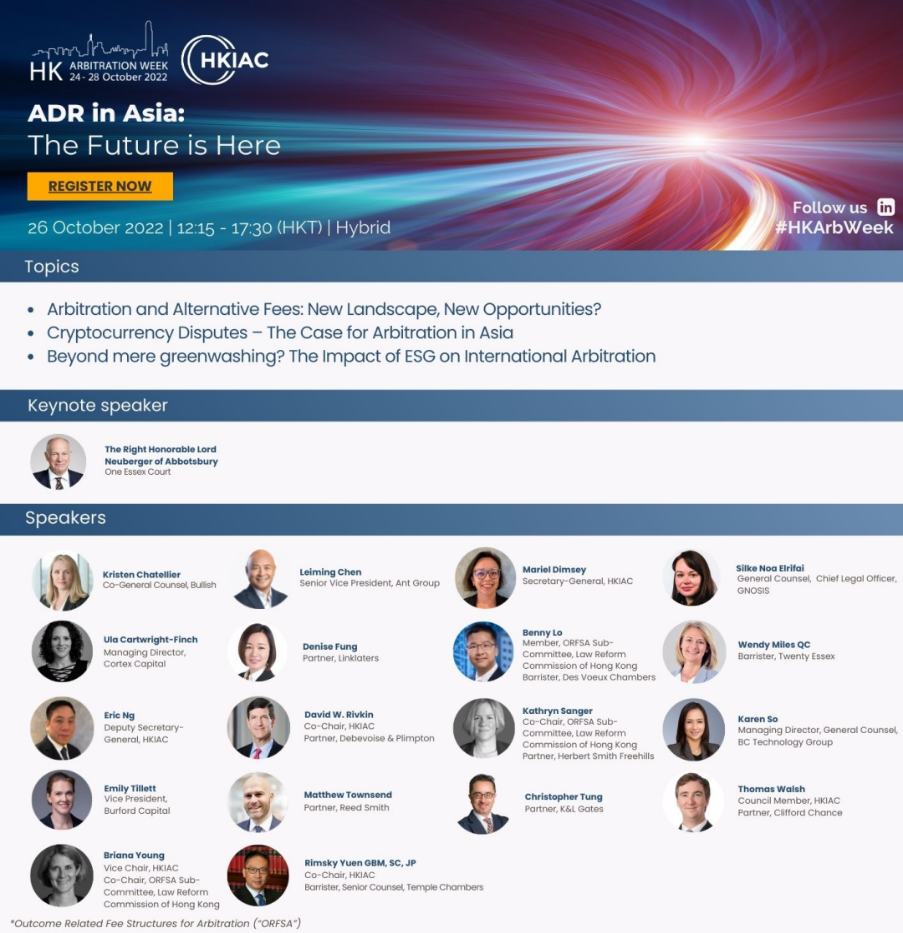
As the flagship event of Hong Kong Arbitration Week, this year’s ADR Conference was conducted in a hybrid format. Under the theme “The Future is Here”, experts from the international arbitration field were invited to discuss Arbitration and Alternative Fees, Cryptocurrency Disputes, and the Impact of ESG on International Arbitration. The ADR Conference invited HKIAC’s Secretary Dr. Mariel Dimsey to deliver the opening remarks, The Right Honourable Lord Neuberger of Abbotsbury GBS, Non-Permanent Judge of the Court of Final Appeal of Hong Kong Special Administrative Region as the Keynote Speaker, and HKIAC’s Co-Chair Mr. David W. Rivkin to deliver the closing remarks.
About HKIAC and Hong Kong Arbitration Week
The Hong Kong International Arbitration Centre (HKIAC) was established in 1985 by a group of leading businesspeople and professionals to meet the growing need for dispute resolution services in Asia. Over the past 30 years, HKIAC has become one of the world’s leading dispute resolution organizations, specializing in arbitration, mediation, adjudication and domain name dispute resolution.
Hong Kong Arbitration Week is a major annual event organized by HKIAC. It aims to provide a leading exchange platform in international arbitration to develop and promote Asia Arbitration through conferences, luncheons and evening receptions.
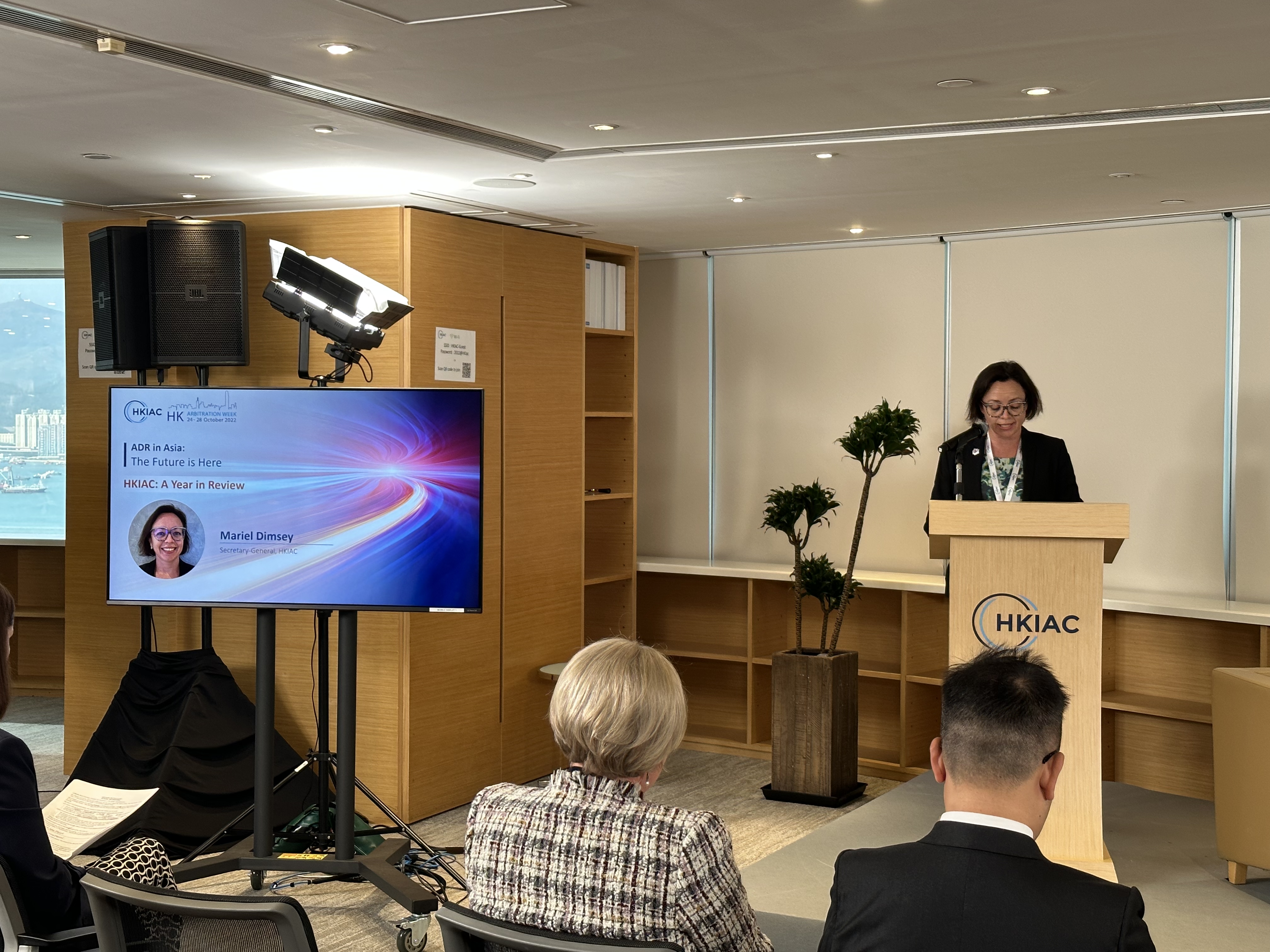
HKIAC’s Secretary Dr. Mariel Dimsey delivered the opening remarks
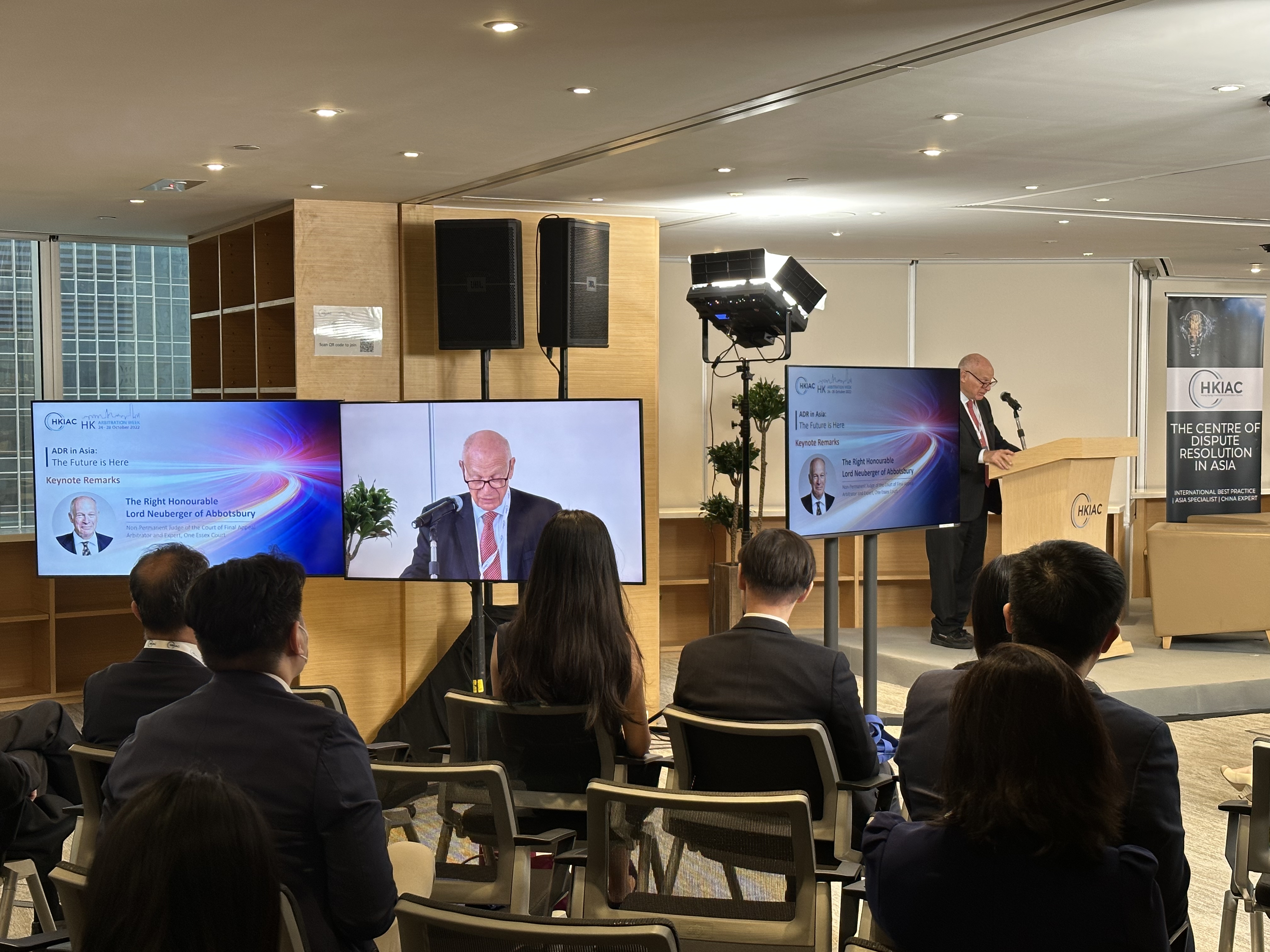
The Right Honourable Lord Neuberger of Abbotsbury, Non-Permanent Judge of the Court of Final Appeal of Hong Kong Special Administrative Region delivered the Keynote remarks
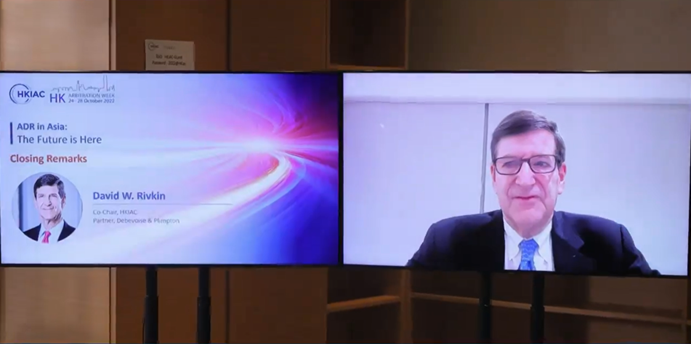
HKIAC’s Co-Chair Mr. David W. Rivkin delivered the closing remarks
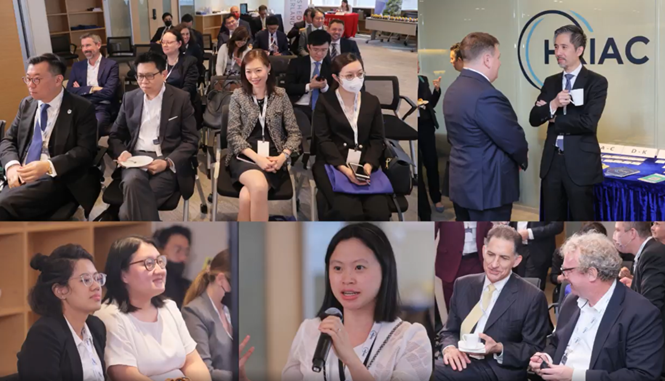
Please contact our Partner Ms. Heidi Chui for further information about this event.
Introduction
On 19 October 2022, The Stock Exchange of Hong Kong Limited (the “Exchange”) published a consultation paper on the proposed amendments to the Rules Governing the Listing of Securities on The Stock Exchange of Hong Kong Limited (the “Listing Rules”) in relation to a Listing Regime for Specialist Technology Companies (the “Consultation Paper”). In particular, the Exchange seeks to create a new Chapter 18C to govern the listing of Specialist Technology Companies, taking into consideration of the high growth potential of Specialist Technology Companies (“STCs”).1 The Exchange is seeking market feedback on its proposals by 18 December 2022.
Definition of “Specialist Technology Companies”
A broad definition is adopted so as to reserve the Exchange’s flexibility to publish and update the guidance letter as specialist technology industries (“Specialist Technology Industries”) evolve over time. STC is proposed to be defined as “a company primarily engaged (whether directly or through its subsidiaries) in the research and development of, and the commercialisation and/or sales of, specialist technology products within an acceptable sector of a Specialist Technology Industry”.2
A non-exhaustive list of Specialist Technology Industries and acceptable sectors will be published and updated from time to time. The proposed industries are set out as follows:3
(i) Next-generation information technology;
(ii) Advanced hardware;
(iii) Advanced materials;
(iv) New energy and environmental protection; and
(v) New food and agriculture technologies.
The Exchange proposes not to limit eligible applicants to those with “leading-edge” technologies. This aligns with the stakeholders’ view that the success of a STC is often attributable to the successful commercialisation of the core technology rather than the innovativeness of the technology itself. Moreover, companies with multiple business segments are included in the proposed listing regime for STCs, provided that they are “primarily engaged” in the relevant business (as referred to in the definition of STC).4
Background Issues
The Exchange recognises the necessity to regulate STCs since they pose particular regulatory issues:5
| Difficulty in reaching a consensus on valuation |
|
| Absence of a Competent Authority |
|
| Viability of a product or service |
|
| Failure to successfully commercialise |
|
| Reliance on external funding |
|
Categorisation into Commercial and Pre-Commercial Companies
The Exchange proposes that STCs will be categorised into “Commercial” and “Pre-Commercial” companies, with revenue threshold as a “bright line” test. 6
“Commercial Companies” are those that have achieved meaningful commercialisation of their Specialist Technology Products and achieved a minimum revenue of HK$250 million in the most recent audited financial year, and are also expected to demonstrate year-on-year growth of revenue from the Specialist Technology Business. 7 Pre-Commercial companies will be subject to more stringent requirements as stated below. 8
Requirements
The below table sets out a comparison of the key requirements for Commercial Companies and Pre-Commercial Companies to be eligible for listing as set out in the Consultation Paper: 9
| Commercial Companies | Pre-Commercial Companies | ||||||||||||||||
|---|---|---|---|---|---|---|---|---|---|---|---|---|---|---|---|---|---|
Qualifications for Listing |
|||||||||||||||||
| Expected market Capitalisation |
At least HK$8 billion at the time of listing | Qualifications for Listing At least HK$15 billion at the time of listing |
|||||||||||||||
| Revenue Threshold | At least HK$250 million arising from the company’s Specialist Technology business segment(s) for the most recent audited financial year | No requirement | |||||||||||||||
| Research and Development (R&D) | Engaged in R&D for at least three financial years | ||||||||||||||||
| R&D investment constitutes at least 15% of total operating expenditure for each of the three financial years prior to listing | R&D investment constitutes at least 50% of total operating expenditure for each of the three financial years prior to listing | ||||||||||||||||
| Operational track record | At least three financial years of operation under substantially the same management prior to listing | ||||||||||||||||
| Third-party investment | Definition of Sophisticated Independent Investors (“SIIs”):
(a) must not be a core connected person of the listing applicant (excluding a person being connected only by virtue of being a substantial shareholder); and (b) must be a sophisticated investor who meets any of the indicative size thresholds or qualification requirement Minimum investment requirements: |
||||||||||||||||
|
|
||||||||||||||||
IPO Requirements |
|||||||||||||||||
| More robust price discovery process |
|
||||||||||||||||
| Requirements on free float and offer size |
|
||||||||||||||||
| Disclosure requirements |
|
||||||||||||||||
Post-IPO Requirements |
|||||||||||||||||
| Post-IPO lock-up |
(a) controlling shareholders of the listing applicant; (b) key persons including founders, any weighted voting rights (“WVR”) beneficiaries, executive directors and senior management, and key personnel responsible for the technical operations and/or R&D; and (c) Pathfinder SIIs. |
||||||||||||||||
| Continuing obligations for Pre-Commercial Companies (until achieving the Commercialisation Revenue Threshold) |
Not applicable |
|
|||||||||||||||
Analysis and Takeaways
Since 2018, the Exchange has been active in implementing listing reforms, which range from permitting the listing of pre-revenue biotech companies, the listing of WVR Issuers that are considered innovative, to the creation of a new concessionary secondary listing route for overseas issuers listed on a qualifying exchange.
However, it is considered that Hong Kong still lags behind the US and Mainland China in terms of the number and market capitalisation of STCs (or their equivalent), which was explained by (i) the difficulty of Pre-Commercial Companies to meet the profit, revenue or cash flow requirements of the Exchange’s Main Board eligibility tests; and (ii) that Commercial Companies are often not able to meet the Main Board tests. It is therefore crucial to develop a listing regime which is friendlier to STCs since there is a strong appetite among investors to invest in these companies due to their high growth potential, 10 which in turn increase the competitiveness of the Hong Kong market and promote Hong Kong as a fundraising and technology hub of the Greater Bay Area.
Please contact our Mr. Rodney Teoh (Partner) and our Calvin KW Lo (Paralegal (pending admission)) for any enquiries or further information.
This news update is for information purposes only. Its content does not constitute legal advice and should not be treated as such. Stevenson, Wong & Co. will not be liable to you in respect of any special, indirect or consequential loss or damage arising from or in connection with any decision made, action or inaction taken in reliance on the information set out herein.
1 Consultation Paper, appendix IV, at IV-4
2 Consultation Paper p. 29
3 Consultation Paper p. 30
4 Consultation Paper p. 32
5 Consultation Paper pp. 3 to 4
6 Consultation Paper p. 34
7 Consultation Paper pp. 4, 39 to 40
8 Consultation Paper p. 35
9 Consultation Paper pp. 5-10
10 Consultation Paper pp. 2-3