活动
有关本所的活动,请浏览以下内容。如有兴趣个别了解,请点击此处与我们联系。
活动
有关本所的活动,请浏览以下内容。如有兴趣个别了解,请点击此处与我们联系。
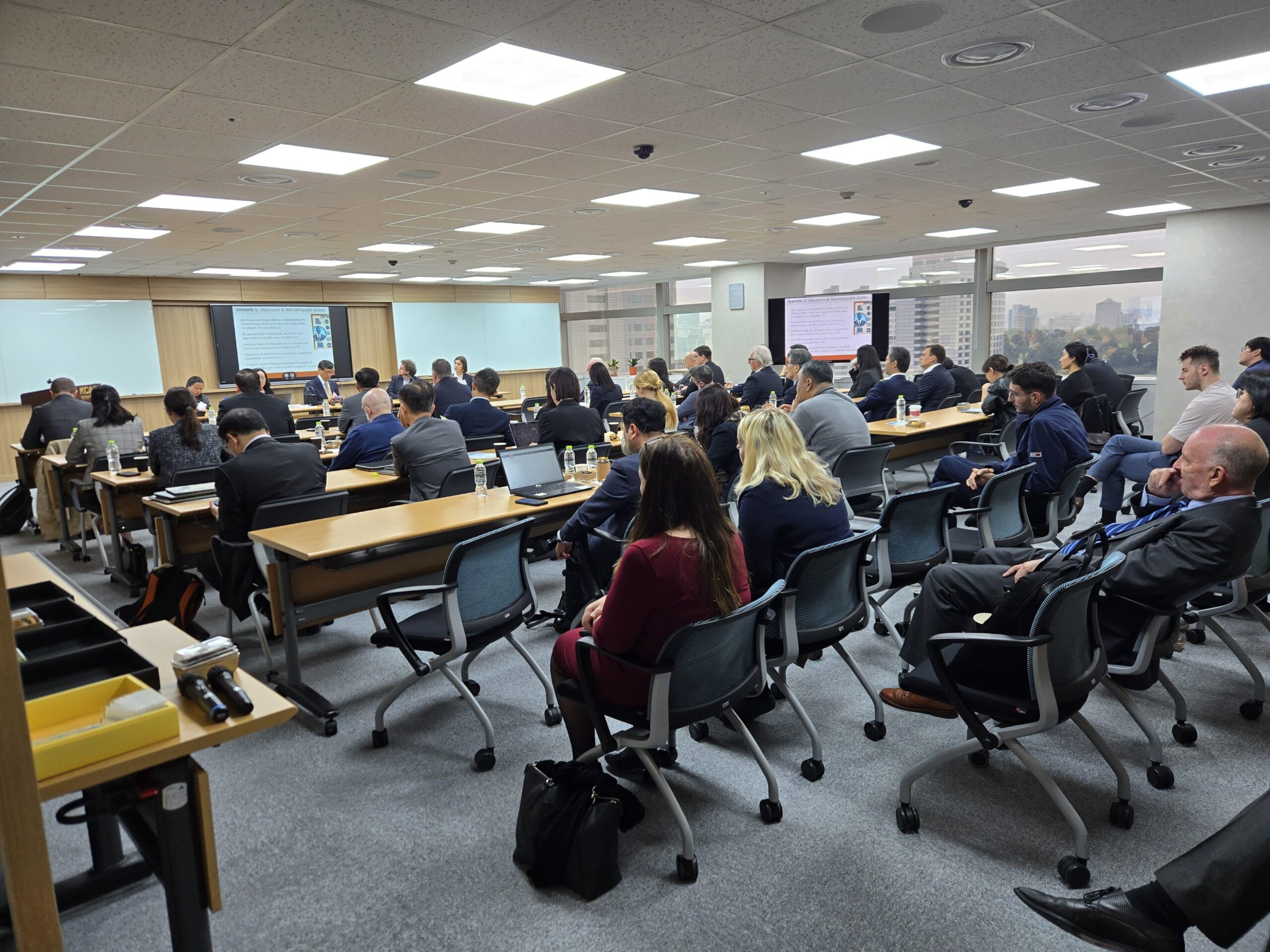
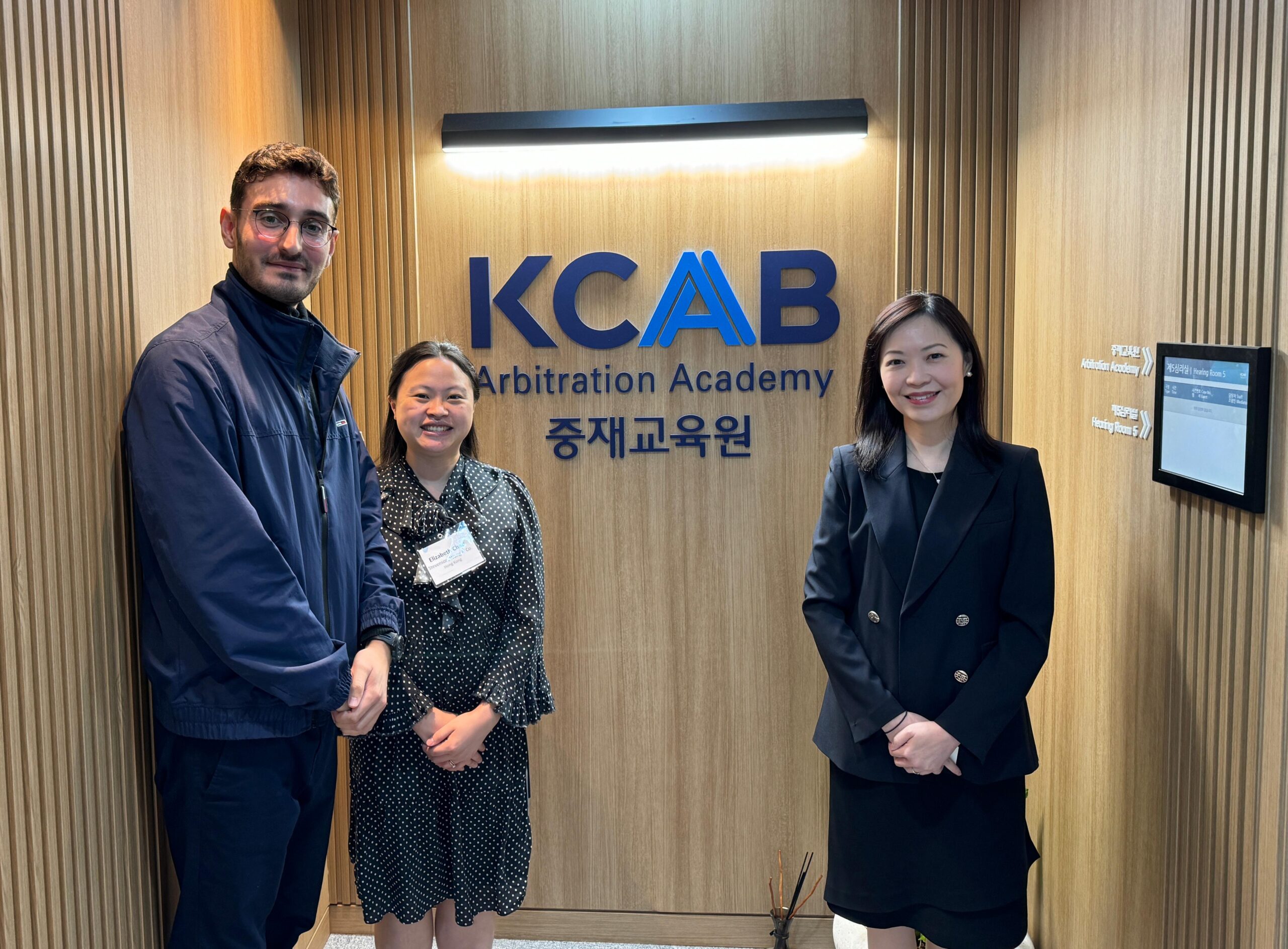
(English) On 1 November 2024, Stevenson, Wong & Co. made its inaugural appearance at the 2024 Seoul ADR Festival in Korea by co-hosting a significant panel session titled “Navigating the Use of Artificial Intelligence in Arbitration: Practical Scenarios, Ethical Issues, and Best Practices”.
This panel was organised in collaboration with the Silicon Valley Arbitration and Mediation Center (SVAMC), LimNexus LLP, and California Arbitration (CalArb).
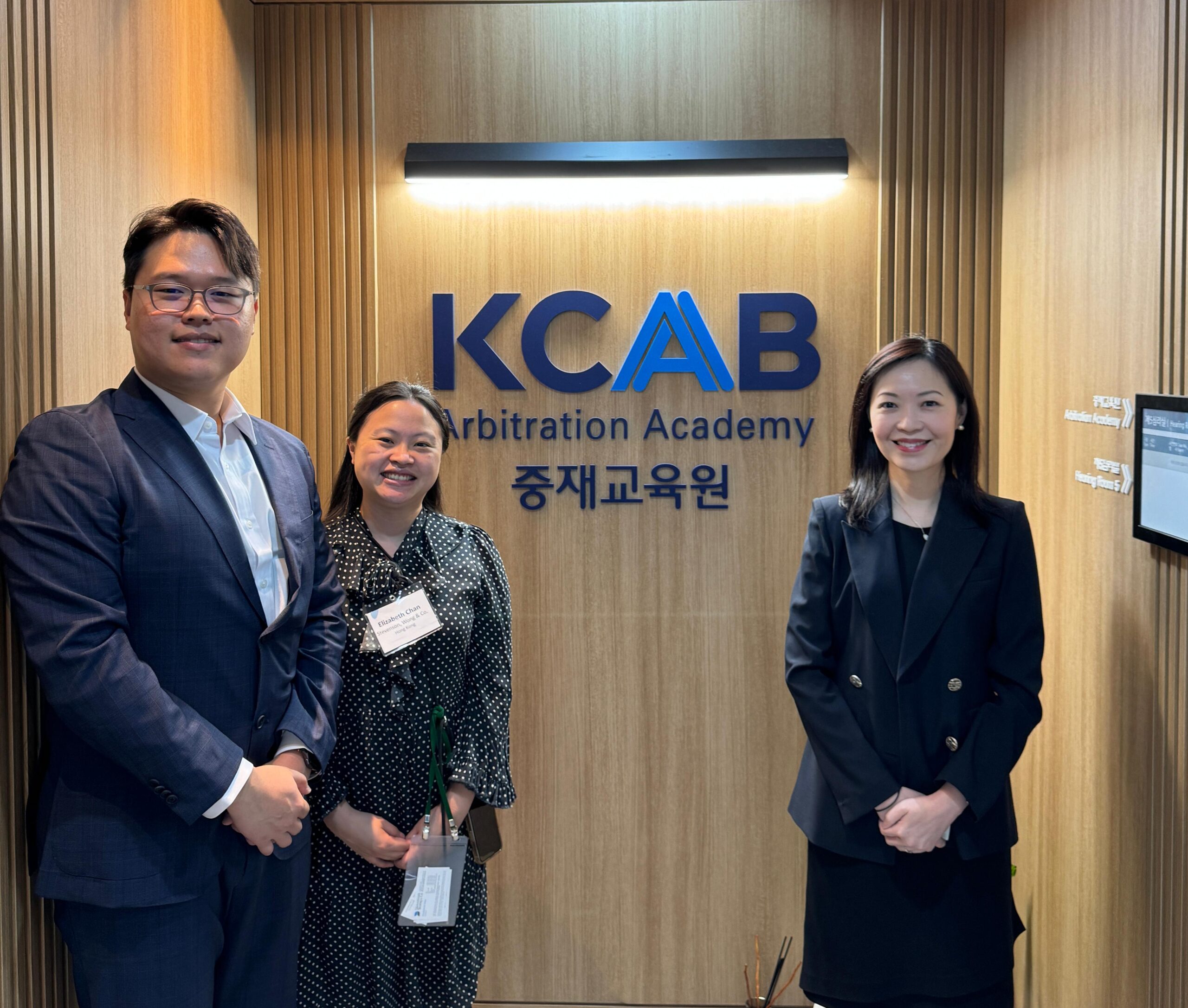
Our firm’s Partner and Head of the Litigation and Dispute Resolution Department, Heidi Chui, Consultant Elizabeth Chan and Associate Justin Kim participated in the event.
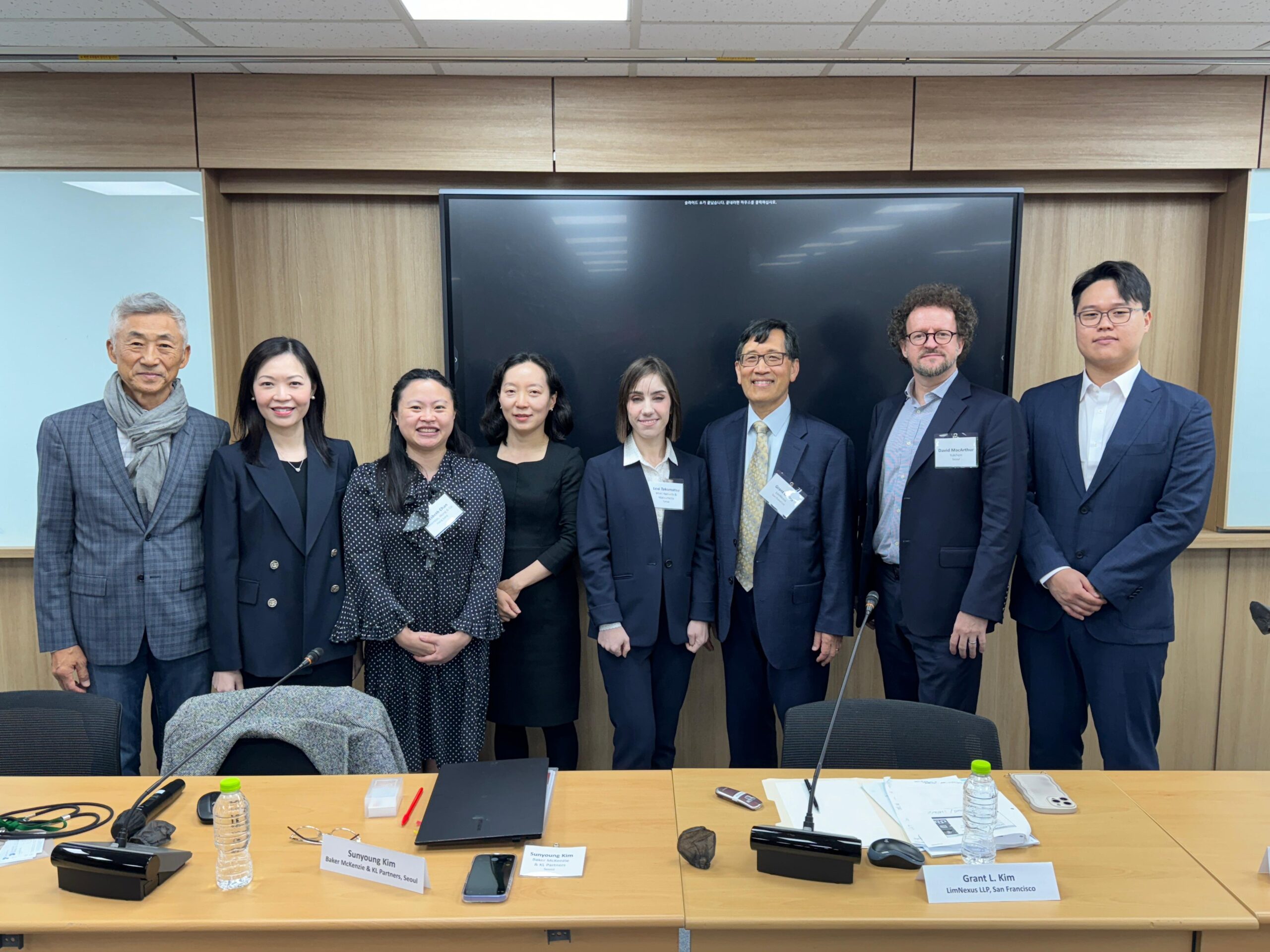
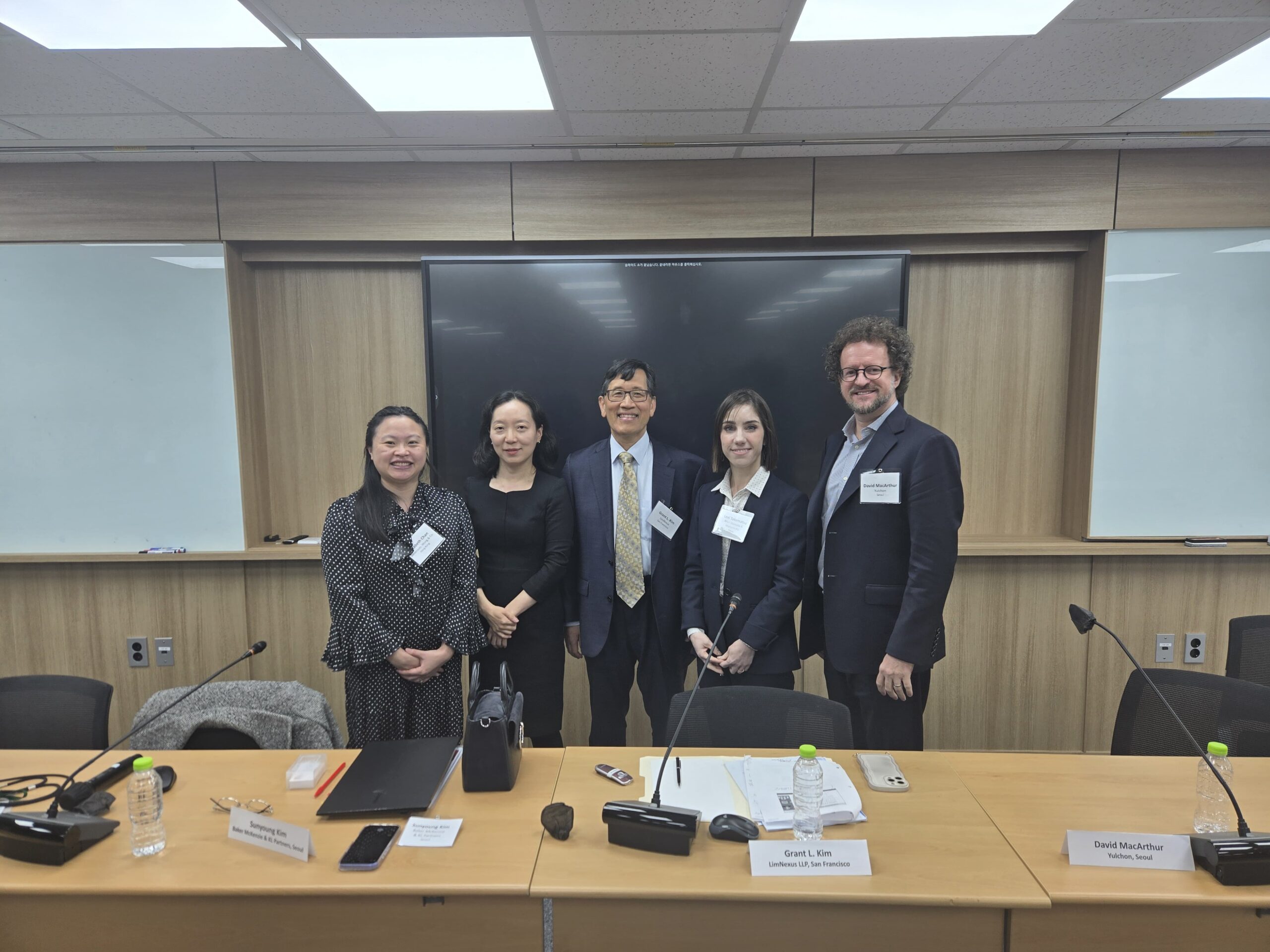
From the left: John Lim, our firm’s Partner Heidi Chui, Consultant Elizabeth Chan, Panel Speakers Sun-young Kim, Lexi Takamatsu, Grant L. Kim, David MacArthur, and our firm’s Associate Justin Kim
…
Panellists and Discussion Highlights
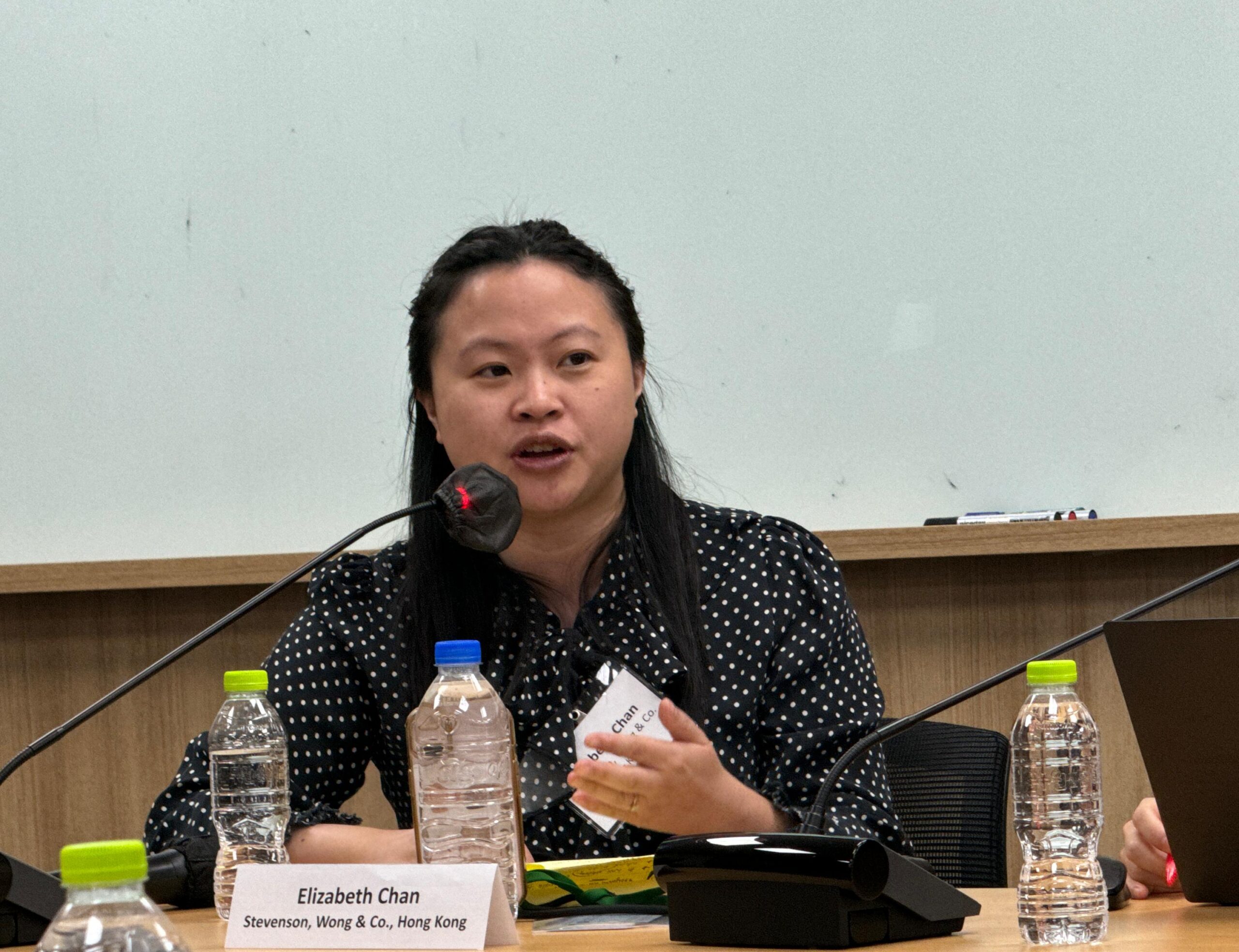
The session featured panellists from firms across Asia and North America, including Elizabeth Chan of Stevenson, Wong & Co., Grant Kim of LimNexus LLP, Sunyoung Kim of Baker McKenzie, David McArthur of Yulchon, and Lexi Takamatsu of Mori Hamada & Matsumoto.
They engaged the audience on some of the most pressing issues involving AI-assisted work product in arbitration, examining AI’s potential to assist in the arbitration process while highlighting the essential safeguards needed to maintain fairness, transparency, and procedural integrity. The panel also discussed the practical application of the SVAMC Guidelines on Using AI in Arbitration (SVAMC Guidelines), which are the only comprehensive set of guidelines on using AI in arbitration generally as at the time of this article.

AI Assistance in Drafting Arbitral Awards
Opening with a discussion on AI’s role in assisting with arbitral awards, the panel emphasised that while AI can enhance efficiency, human tribunal members should not delegate decision-making authority to AI tools. Under the SVAMC Guidelines, arbitrators should ensure that AI complements rather than replaces their independent judgement.
The panellists debated the merits of transparency, noting that although the guidelines do not mandate a universal duty to disclose AI use to participants in an arbitration proceeding, arbitrators might consider proactive disclosure in certain cases to maintain trust in the arbitration process.
A parallel was drawn between controversial issues surrounding human tribunal secretaries’ assistance in drafting awards and similar concerns raised by generative AI tools. For example, panellists explored whether it could constitute improper delegation if an arbitrator used an AI tool to identify the top three pieces of evidence from a hearing transcript on a particular issue, even while maintaining overall authorship of the award.

AI Assistance in Expert Work Product
The panel then addressed the use of AI in preparing expert reports. Discussion centred on the role of cross-examination as an additional safeguard, with panellists noting that if an expert disclosed AI assistance in their report, it could prompt tactical questioning about the AI’s specific use and the extent of human verification of the work product.
AI in Document Production
The conversation moved to AI’s application in document production, with panellists noting that several existing tools, such as Relativity and Sightline, are widely used in e-discovery, and newer tools like Lawdify or Co-Counsel are being developed specifically for legal use.
The panel explored potential challenges if a party questions the completeness or sufficiency of a document production where AI tools were used.
While complete accuracy in document production is rarely achievable, panellists noted the risk of guerrilla tactics, where parties might make tactical challenges based on allegations of algorithmic bias and other issues.
The panel emphasised the need for arbitrators to have the technical competence to manage these situations effectively, ensuring both efficiency and the legitimacy of the process.

Confidentiality and Data Security
Confidentiality and data security emerged as central concerns, especially given AI’s potential use to handle vast amounts of sensitive information in arbitration. The SVAMC Guidelines underscore that all participants must ensure AI tools meet appropriate confidentiality requirements, favouring privacy-appropriate solutions whenever possible.
The panellists discussed practical actions to secure confidential information, including anonymising data, using AI tools with robust security protocols, and avoiding tools that cannot guarantee confidentiality.
This approach aligns with the SVAMC Guidelines’ broader emphasis on data protection, offering parties a framework for addressing security concerns in the event of a data breach. Where confidentiality lapses occur, steps such as audits or remedial assessments of AI tools may be warranted.

Conclusion
In closing, the panel reinforced the SVAMC Guidelines as a progressive framework for addressing the complex and evolving risks associated with AI in arbitration. These Guidelines represent a vital resource for the arbitration community, enabling practitioners to harness AI’s benefits responsibly while preserving core principles of fairness and procedural integrity.
Stevenson, Wong & Co. was delighted to be part of the 2024 Seoul ADR Festival, especially given the close trading ties between Korea and Hong Kong.


If you have any questions about this event or our firm’s arbitration practice, please contact Partner Heidi Chui.
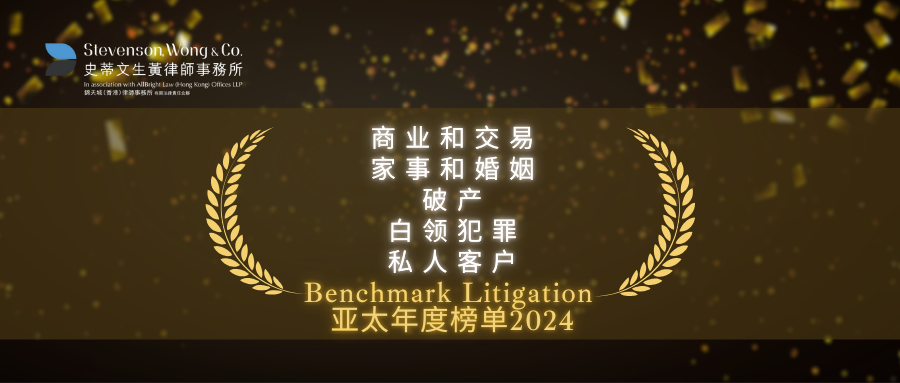
本所欣然宣布﹐史蒂文生黄律师事务所再次获得国际法律评级机构《Benchmark Litigation》的认可,连续第七年荣登“2024亚太年度争议解决榜单”。这一榜单是亚太地区争议解决领域的重要参考,展示了顶尖律师事务所和律师的专业水平。
…
本所共有五项专业领域荣登榜单:
此外﹐本所高级法律顾问傅景元律师在“家庭与婚姻”领域被评为“诉讼之星”。
关于《Benchmark Litigation》
《Benchmark Litigation》通过深入的市场分析、客户反馈以及同行评审,评选出领先的律所和律师。这一荣誉体现了我们团队的专业能力和在市场上的优异表现。
如阁下有任何查询或想了解更多详情,请联络本所郑炎潘律师、徐凯怡律师、许懿律师或刘俊明律师。
请按此查看完整榜单 (只提供英文版本)。
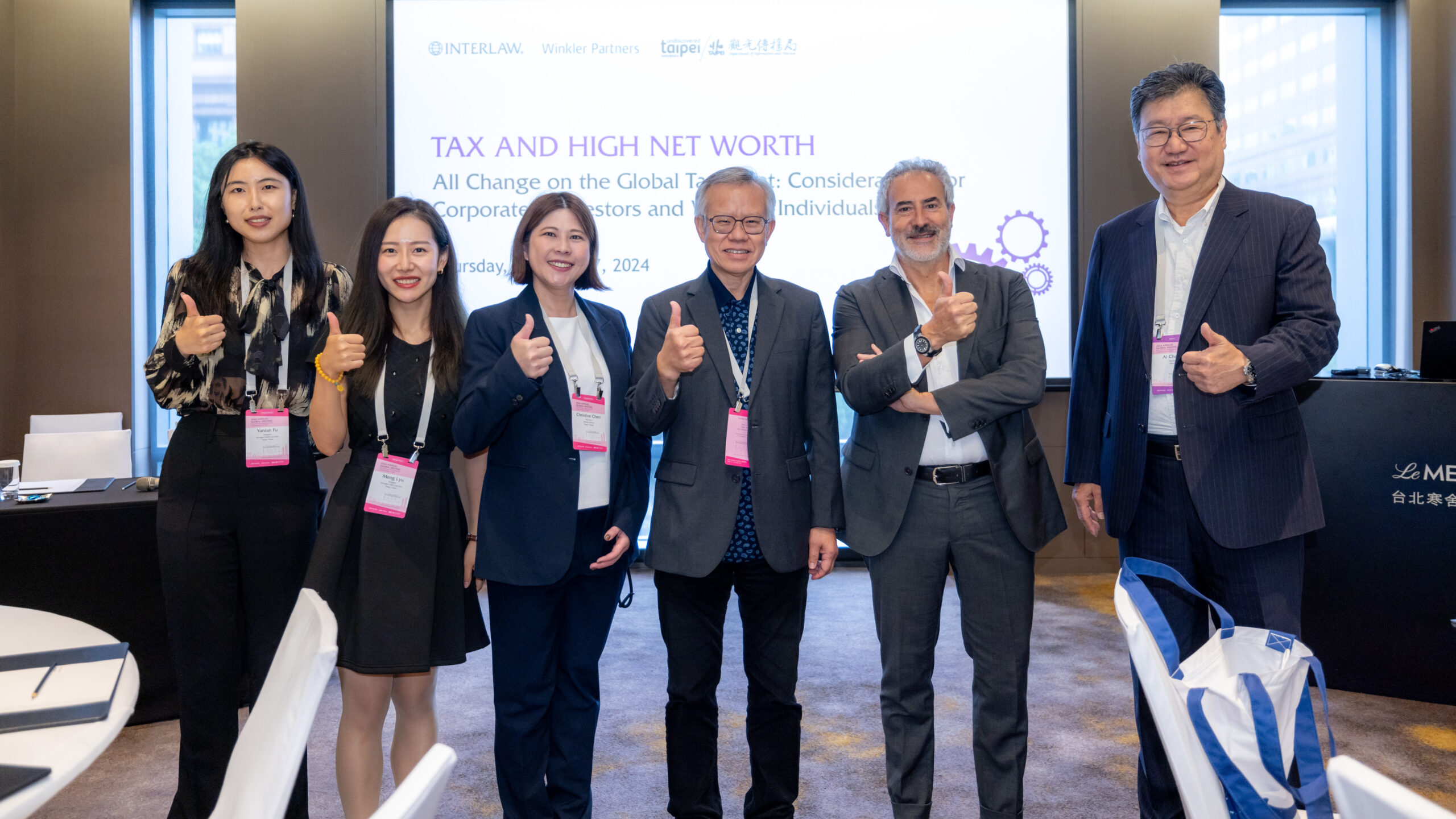
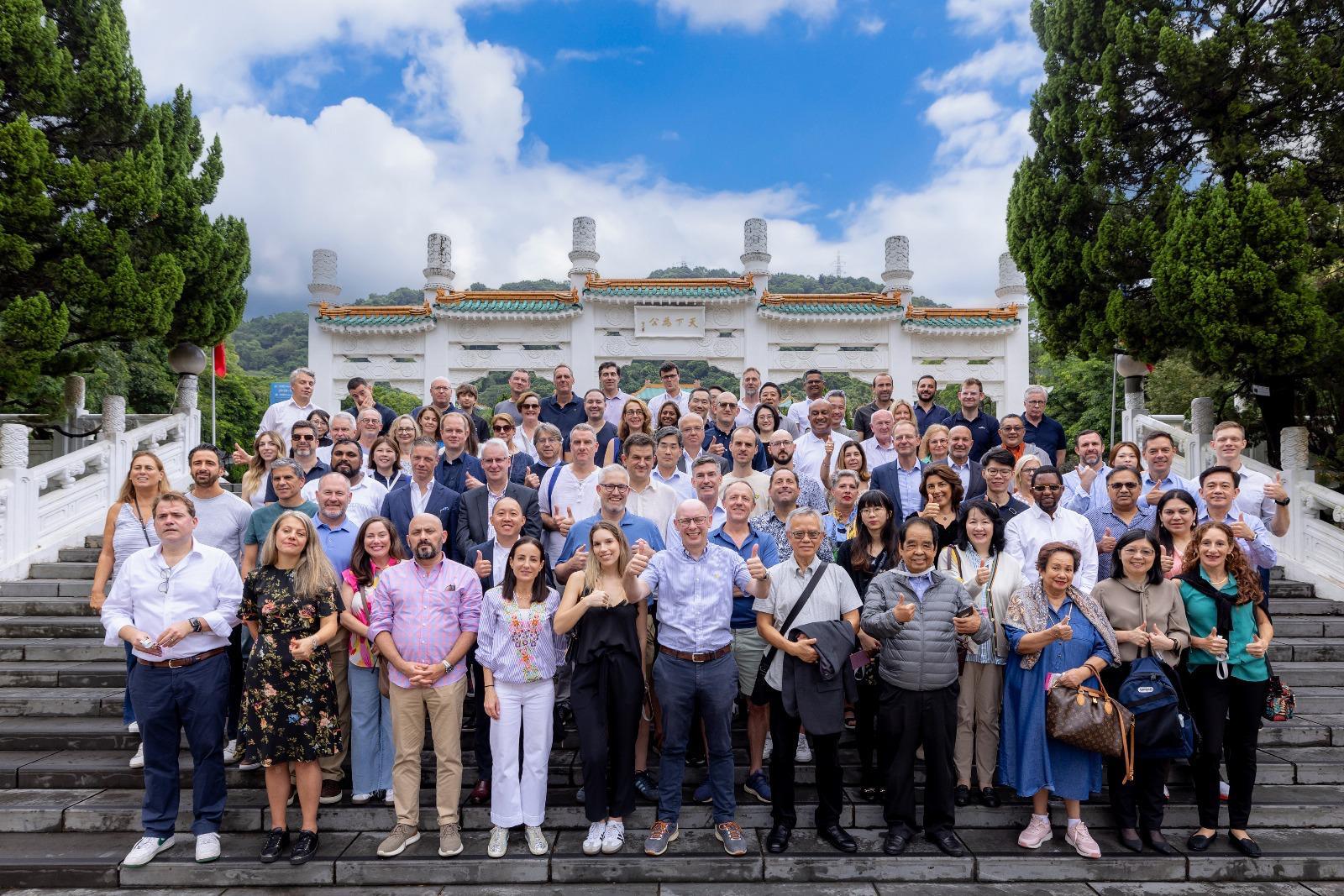
2024年10月16日至19日,本所合伙人郑炎潘律师和林丽嫦律师参加了在台北举行的2024年度全球会议。Interlaw是一个享有盛誉的全球顶级独立律师事务所网络,涵盖全球150多个城市。本所为INTERLAW自1982年的创始成员之一,亦是香港的唯一代表。
…
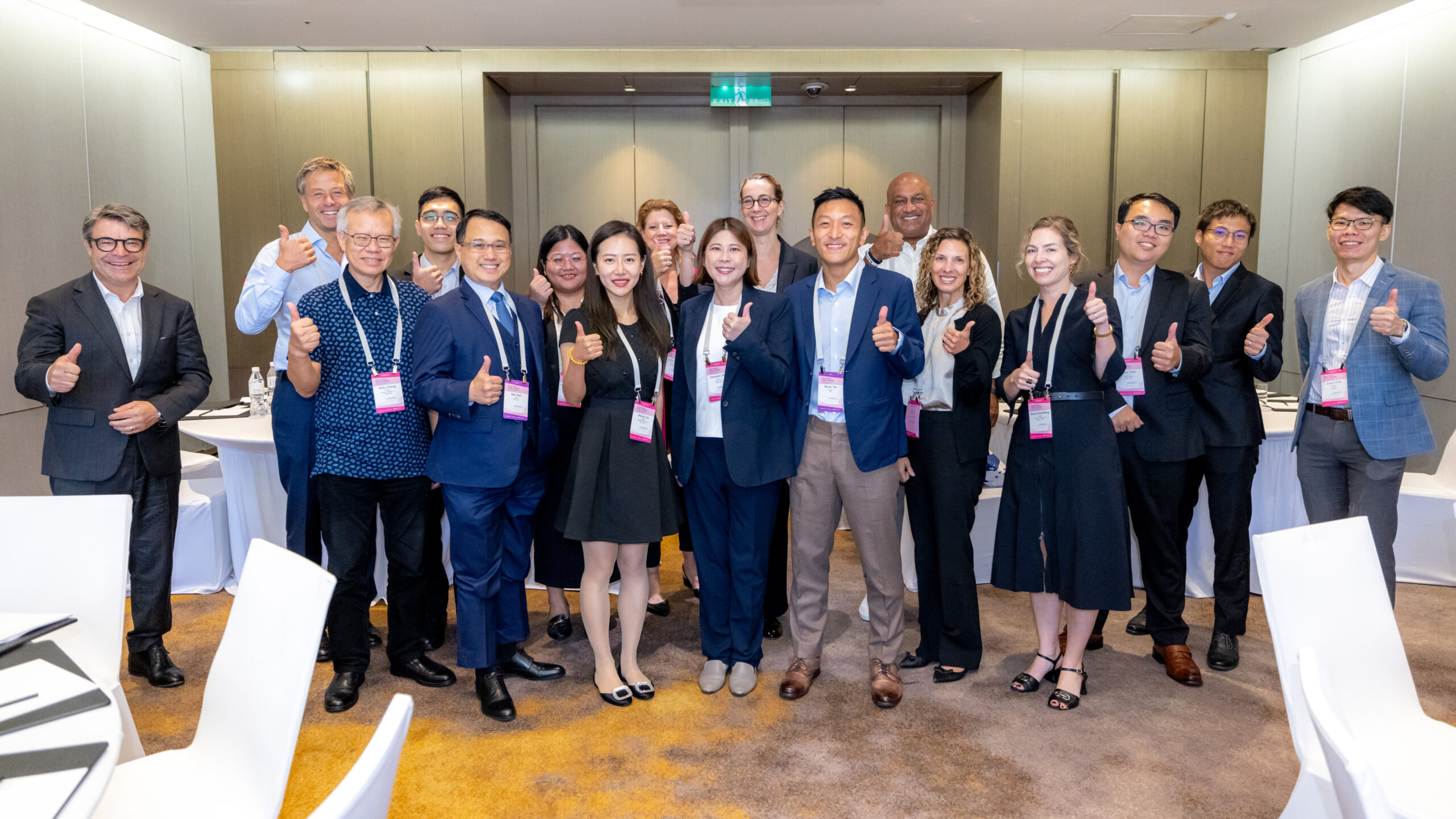
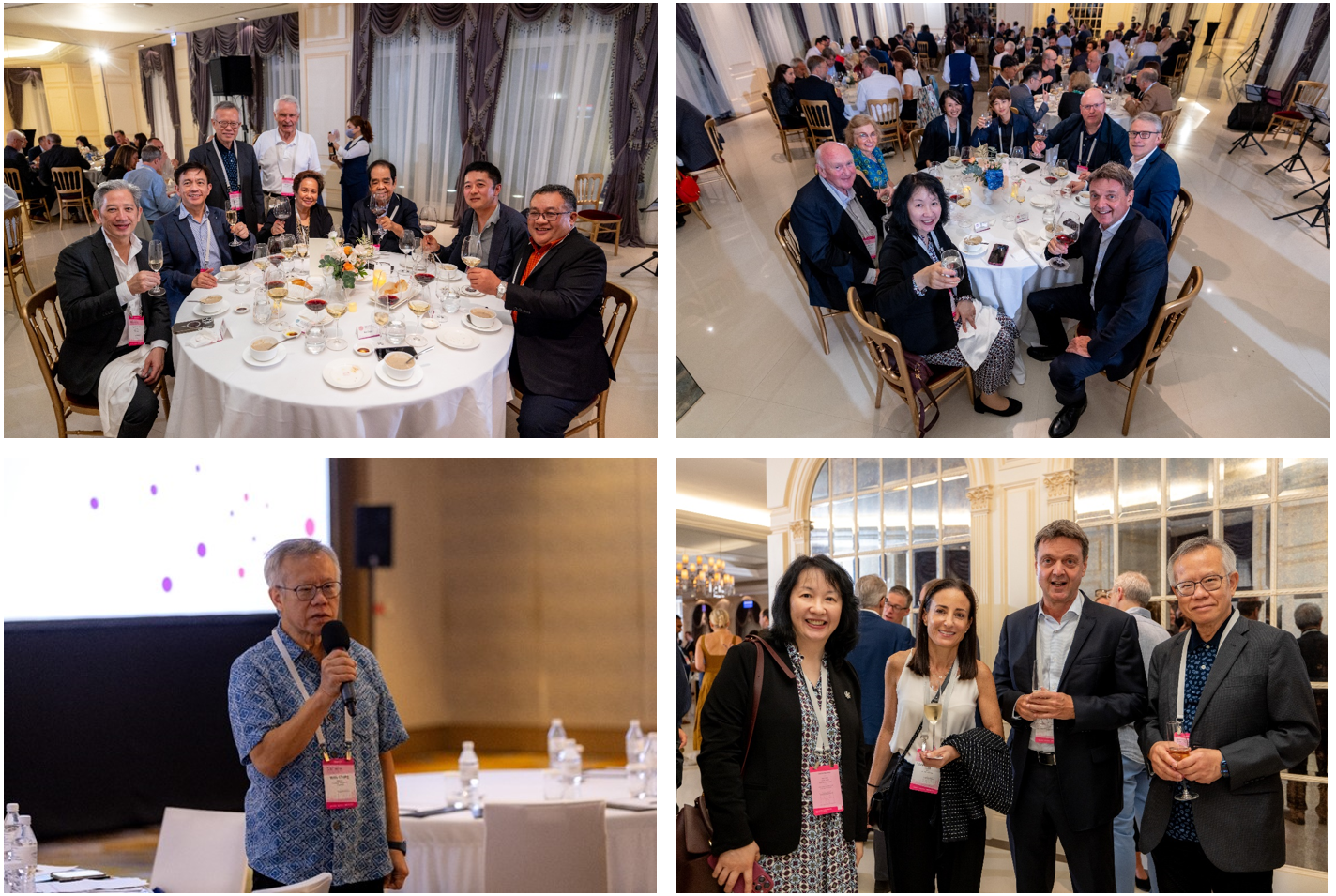
Interlaw会定期组织会议,以推动专业发展并强化与其他律师事务所的关系。今年年会的主题是“海洋变革:可持续未来的应对策略 (Sea Change: Strategies for a Sustainable Future)”。在会议期间,郑律师和林律师参与了一系列精心策划的会议,讨论了环境问题、地缘政治的不确定性以及受生成性人工智能影响的快速变化的全球格局所带来的前所未有的挑战。

本所合伙人郑炎潘律师为税务与高净值论坛担任发言嘉宾 (左四)

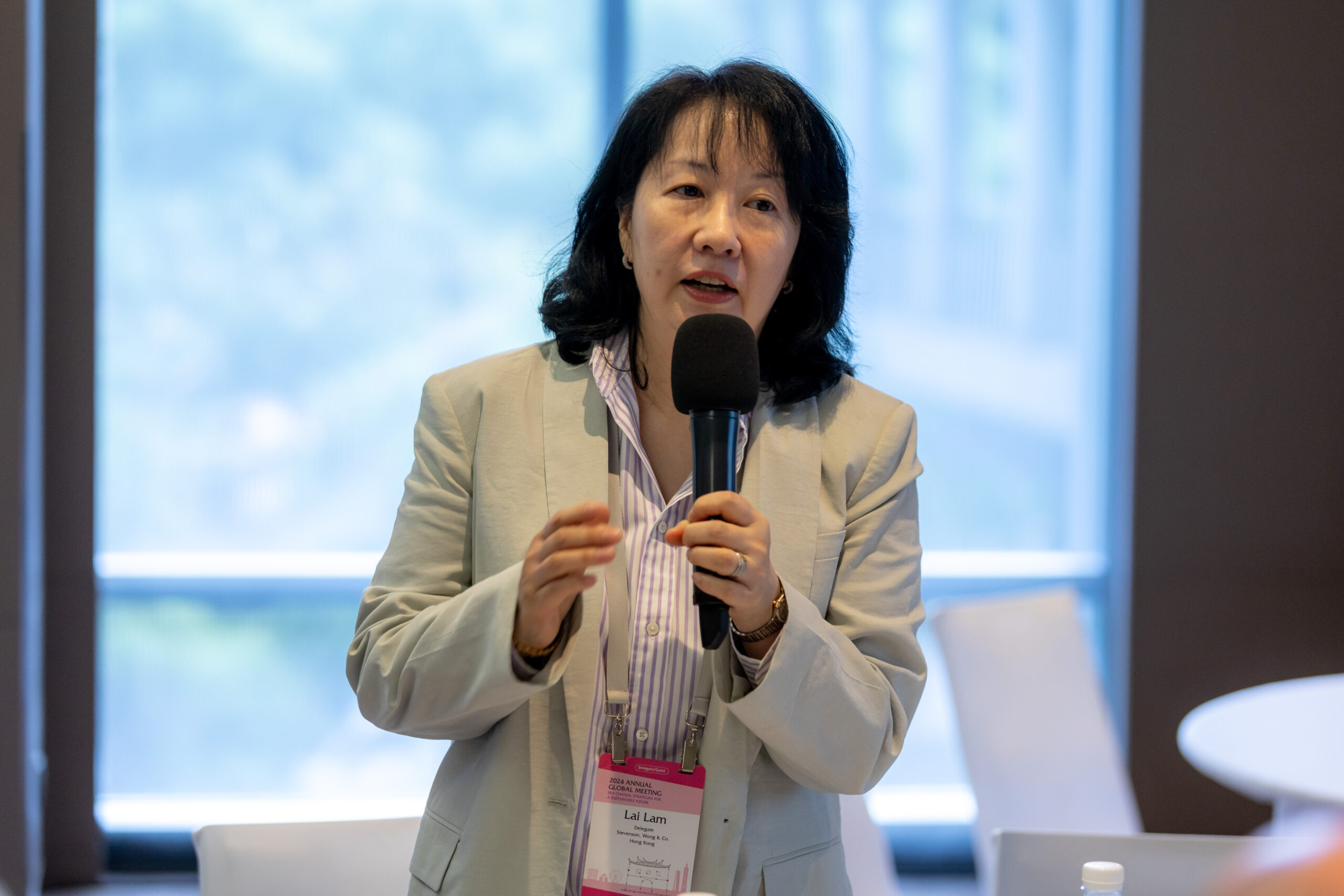
本所合伙人林丽嫦律师及前Interlaw多元化、包容性和社区亲和力小组的亚太区副主席


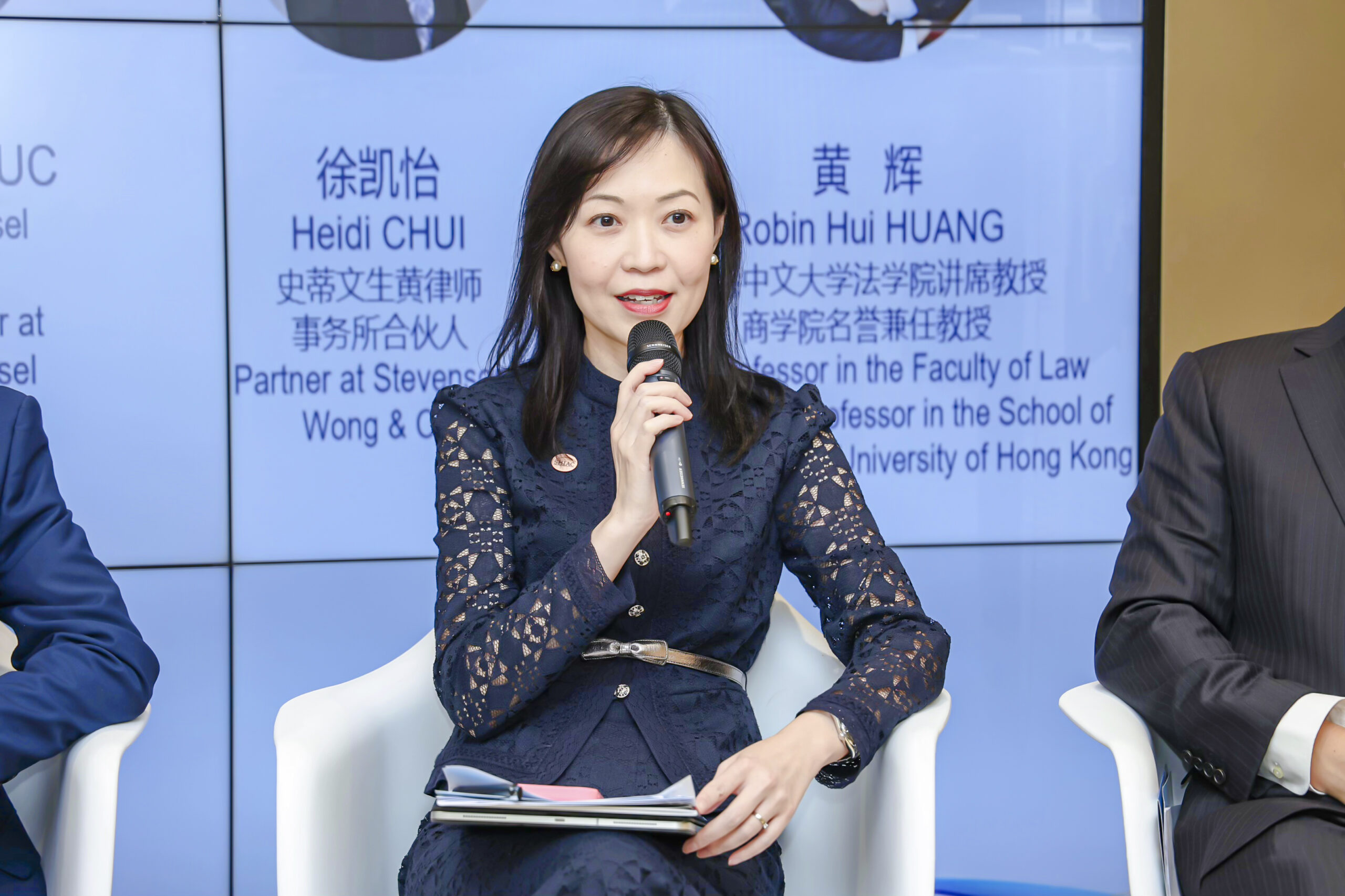
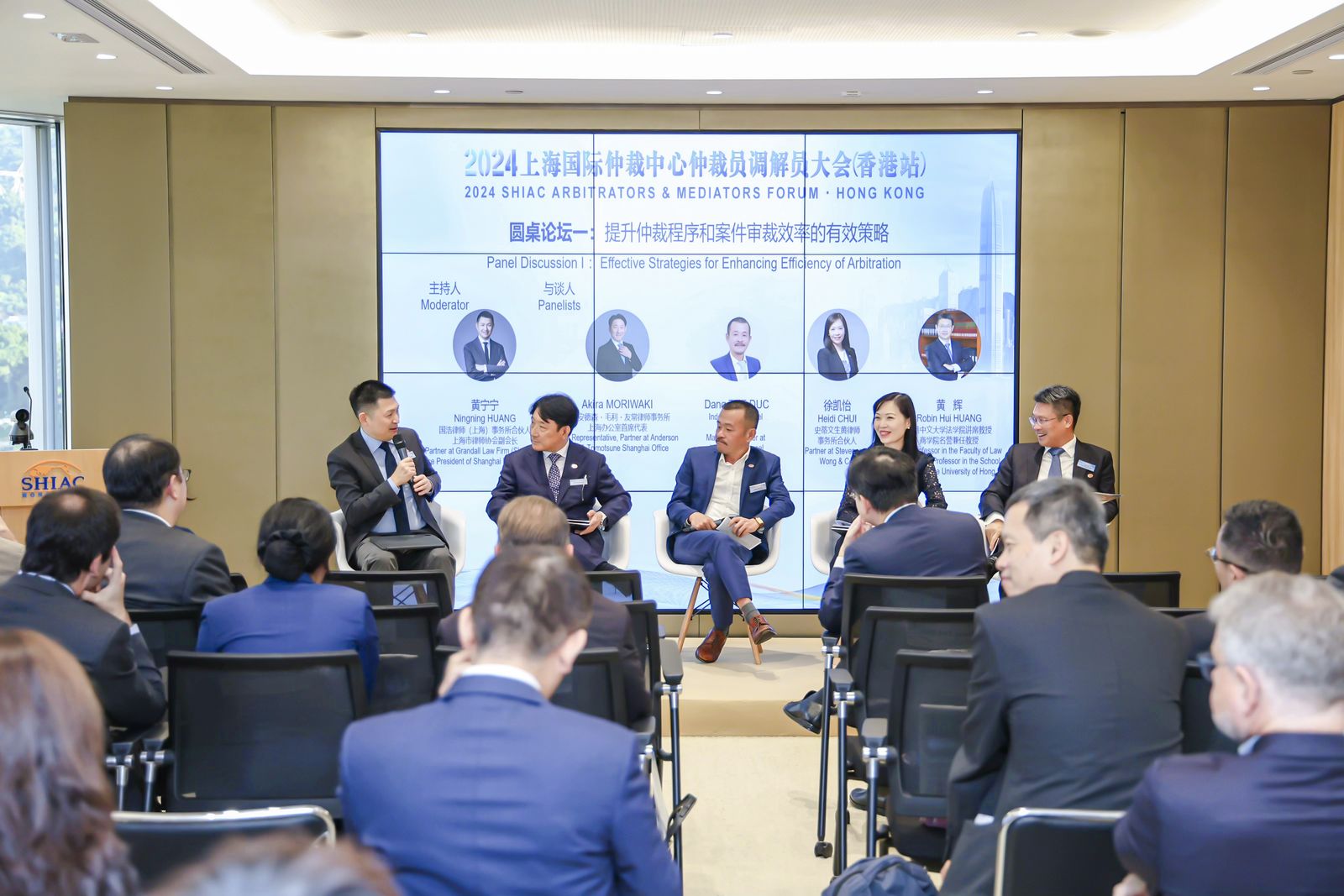
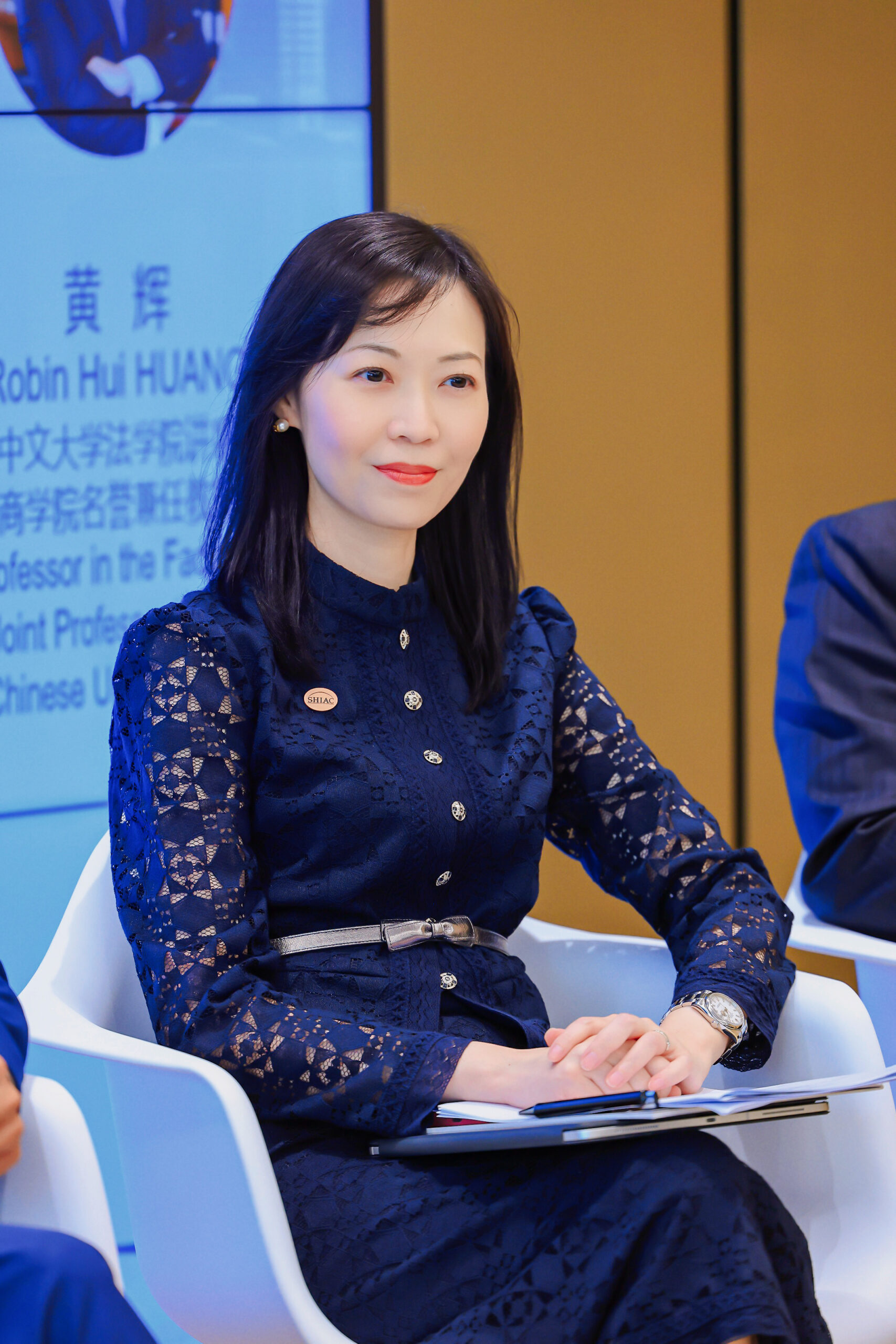
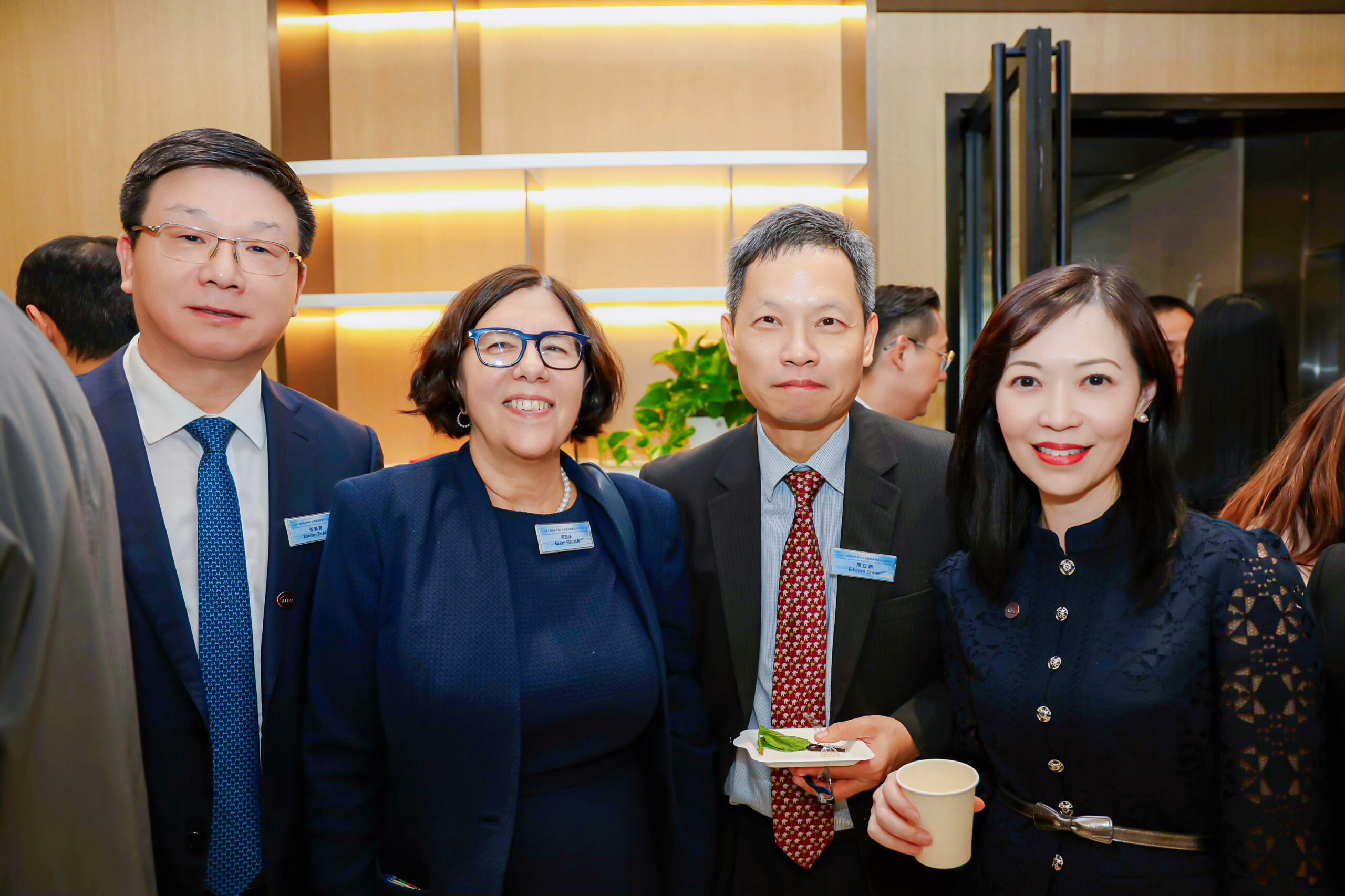
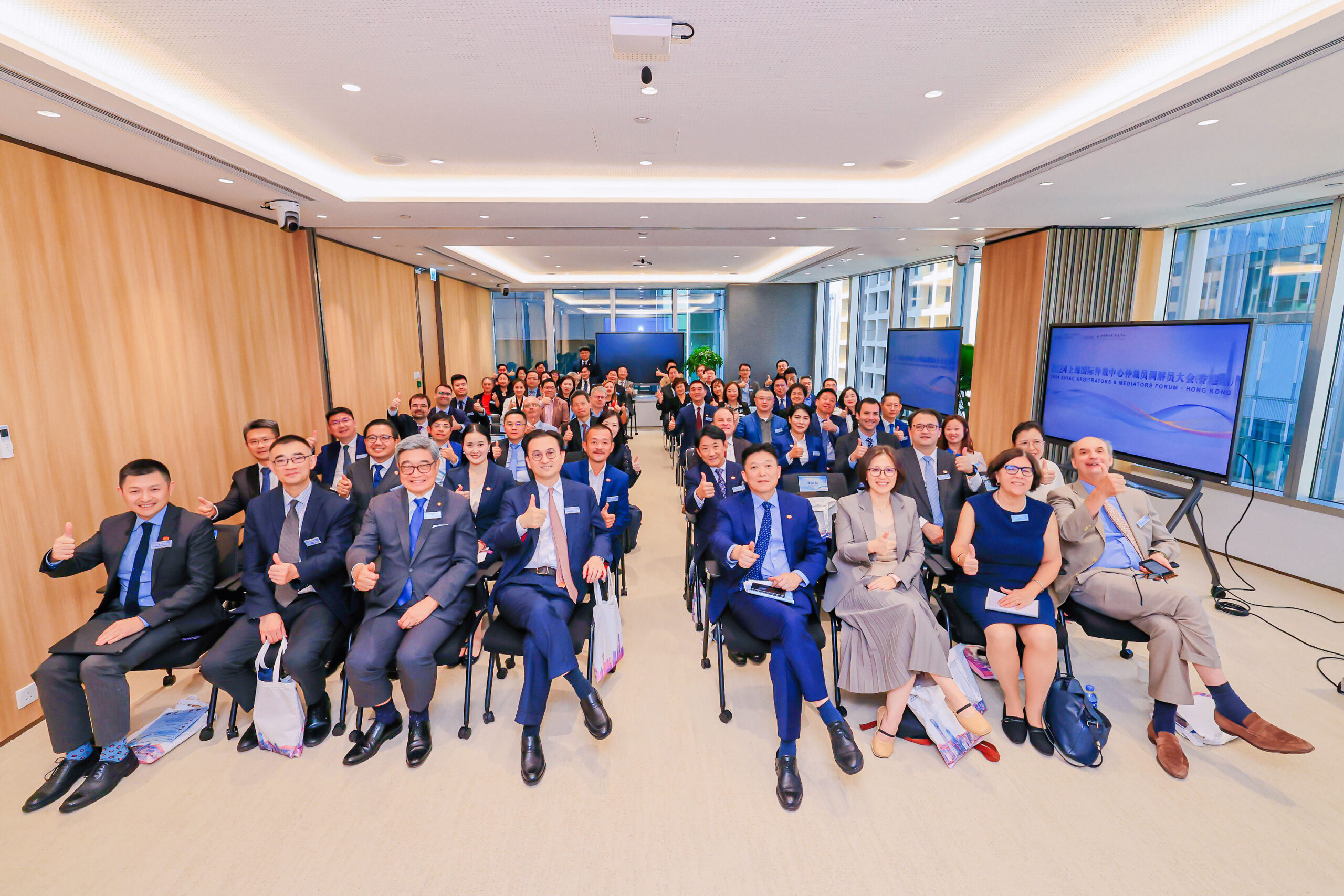
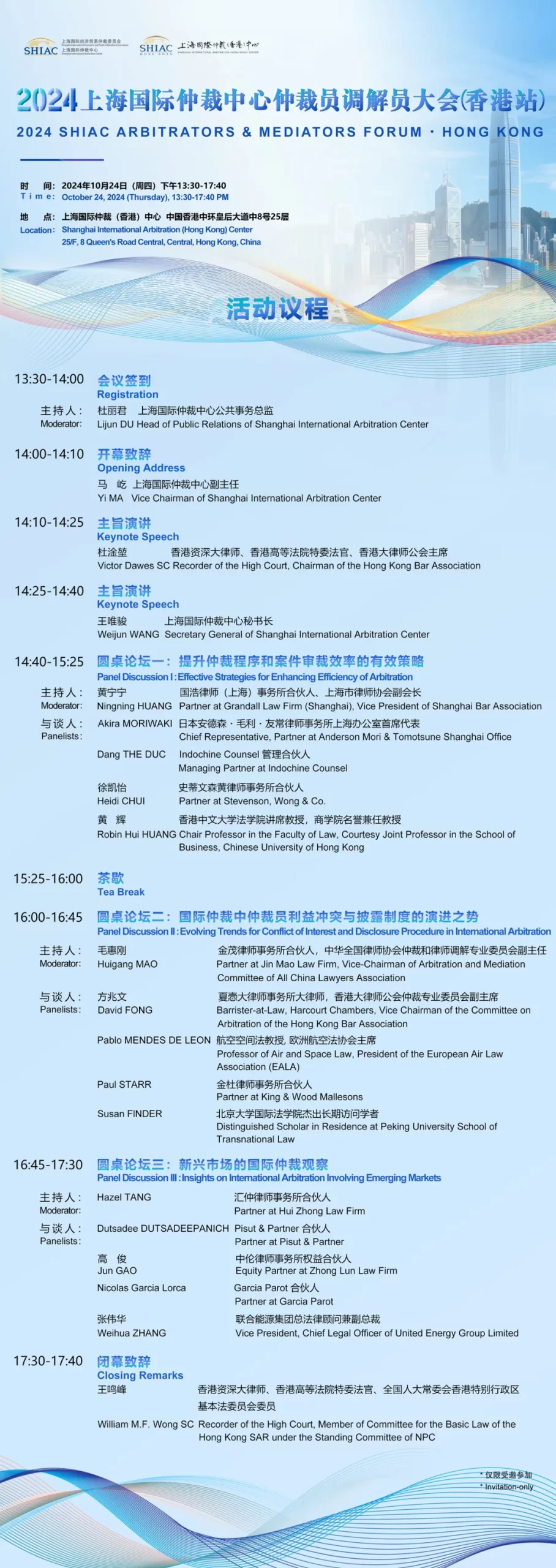
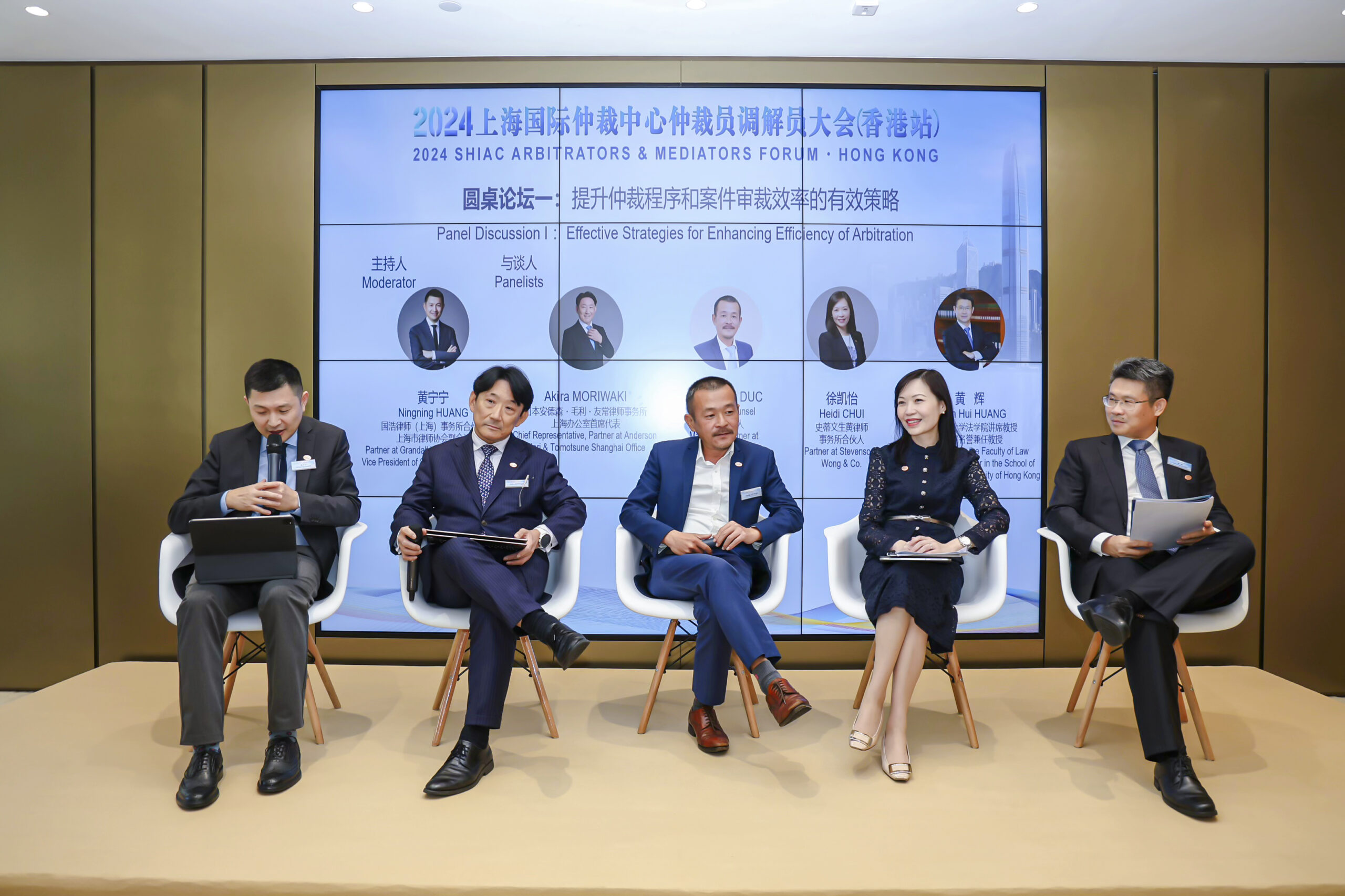
由上海国际经济贸易仲裁委员会(“SHIAC”)主办的“2024上海国际经济贸易仲裁中心会仲裁员调解员大会(香港站)”于2024年10月24日在上海国际仲裁(香港)中心(“SHIAC HK”)办公室成功举行。本所合伙人、诉讼及争议解决部主管徐凯怡律师受邀为本次大会担任演讲嘉宾。
…
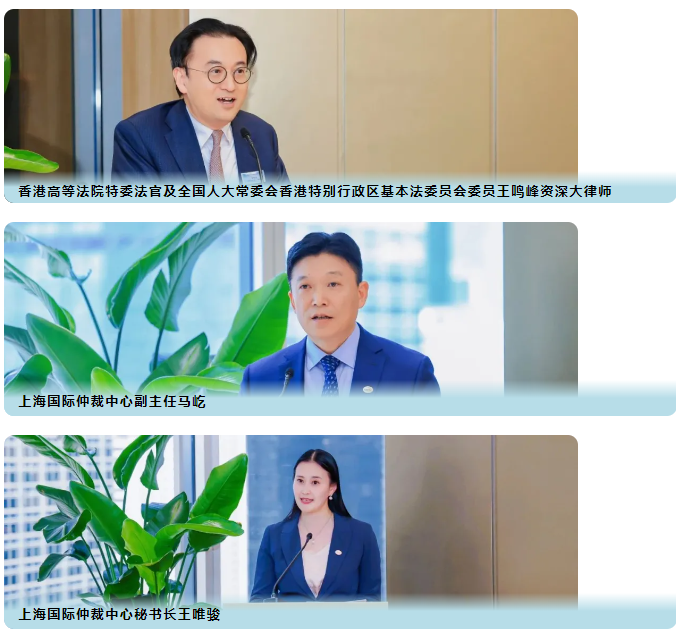
此次大会汇聚了众多业界专家,嘉宾包括香港高等法院特委法官及全国人大常委会香港特别行政区基本法委员会委员王鸣峰资深大律师、上海国际仲裁中心副主任马屹﹑以及上海国际仲裁中心秘书长王唯骏等。会上,徐律师与上海市律师协会副会长黄宁宁﹑香港中文大学法学院讲席教授,商学院名誉兼任教授黄辉及其他来自日本、越南等地的嘉宾,共同探讨了国际仲裁中仲裁员利益冲突及披露制度的演进趋势。


本所合伙人徐凯怡律师


如阁下有任何查询或想了解更多详情,请联络本所合伙人徐凯怡律师。
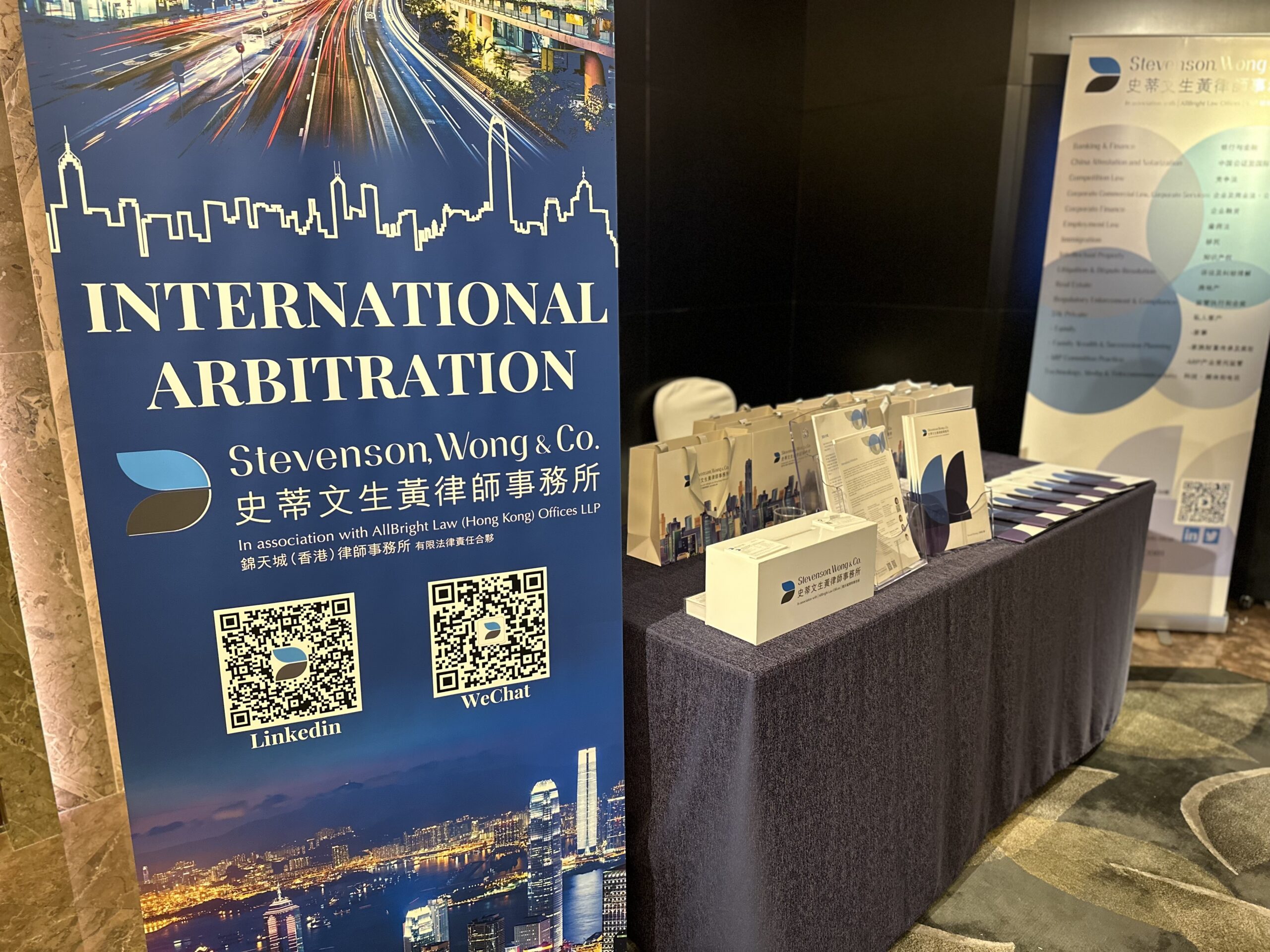
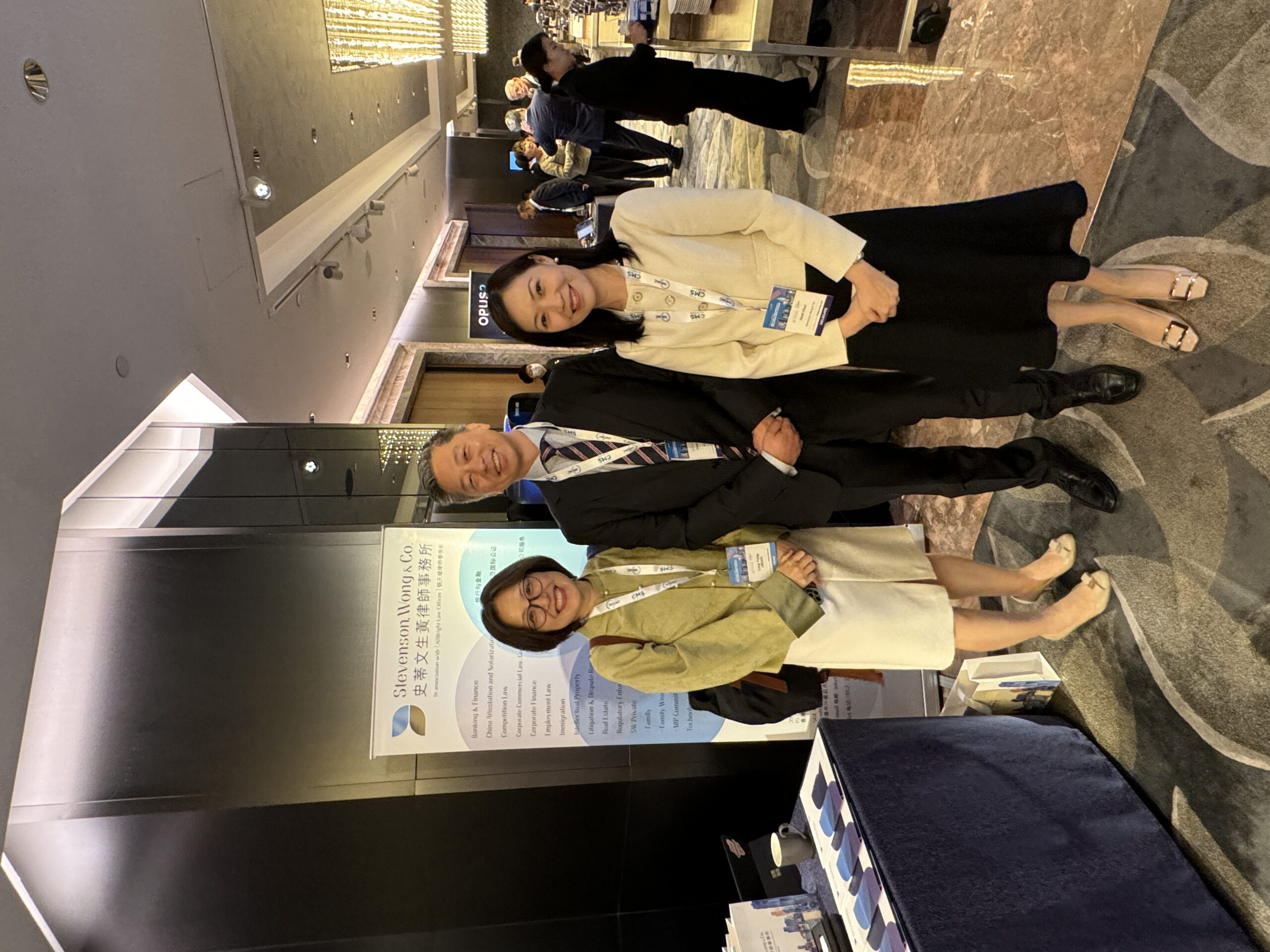
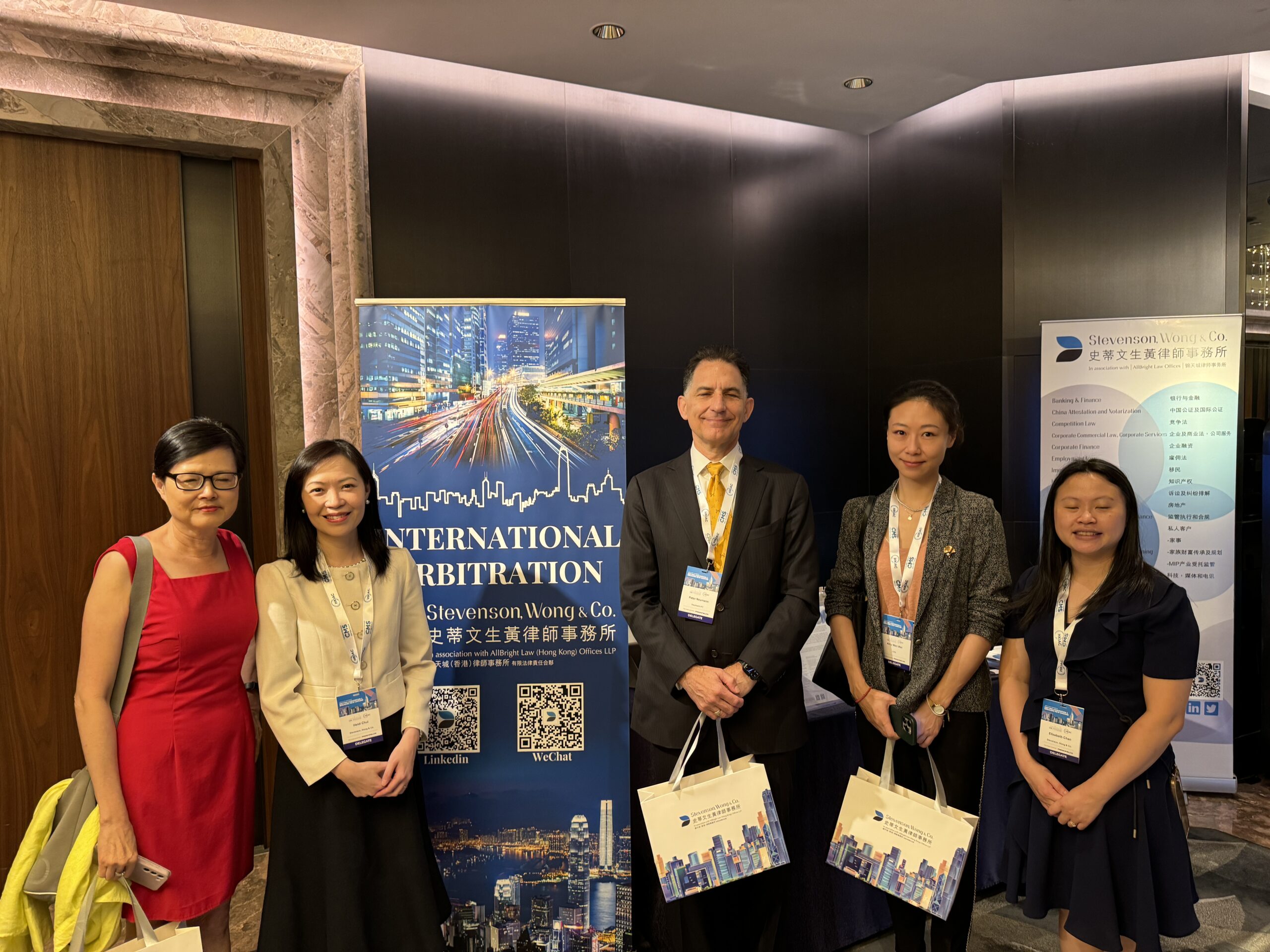
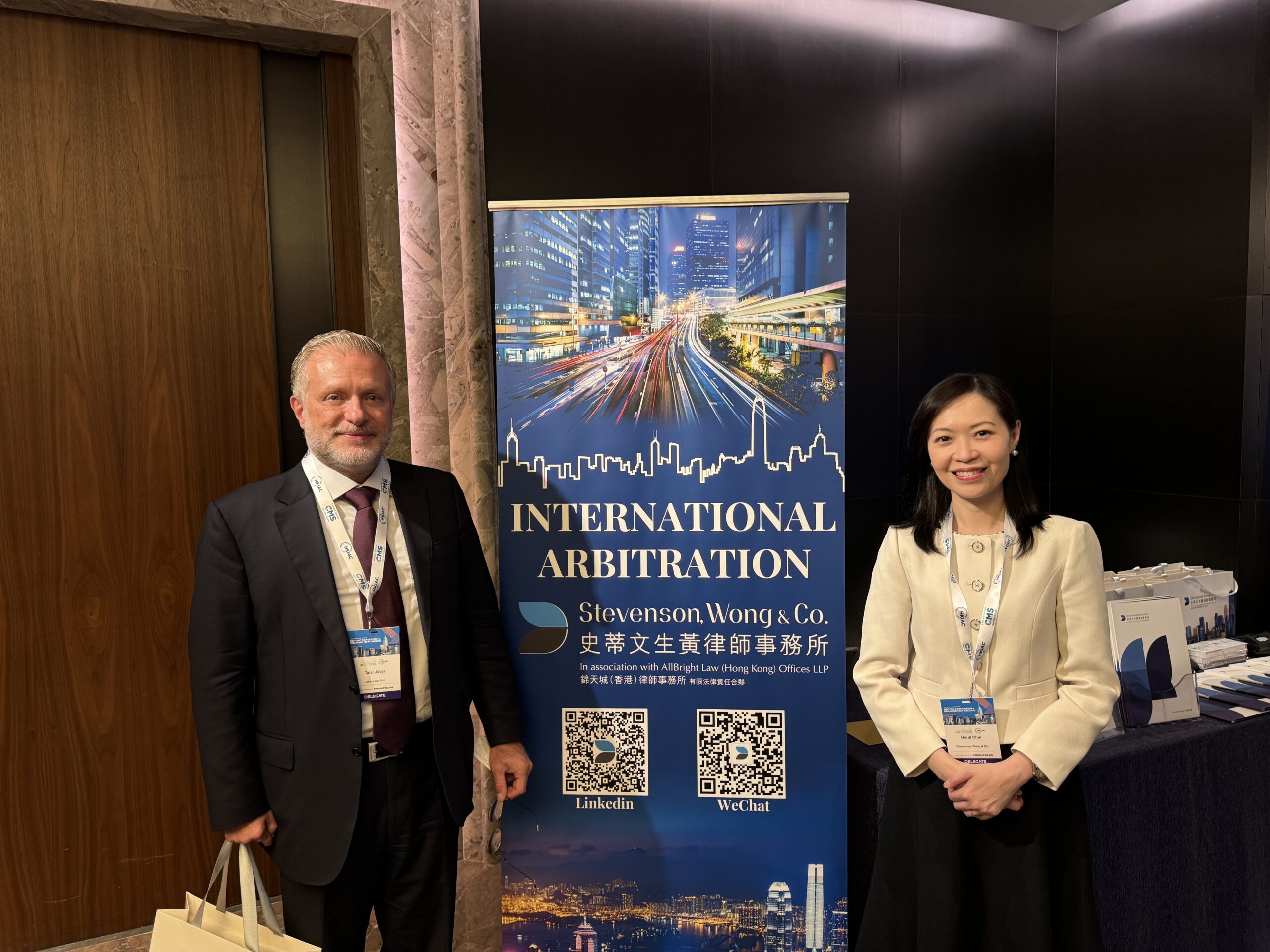
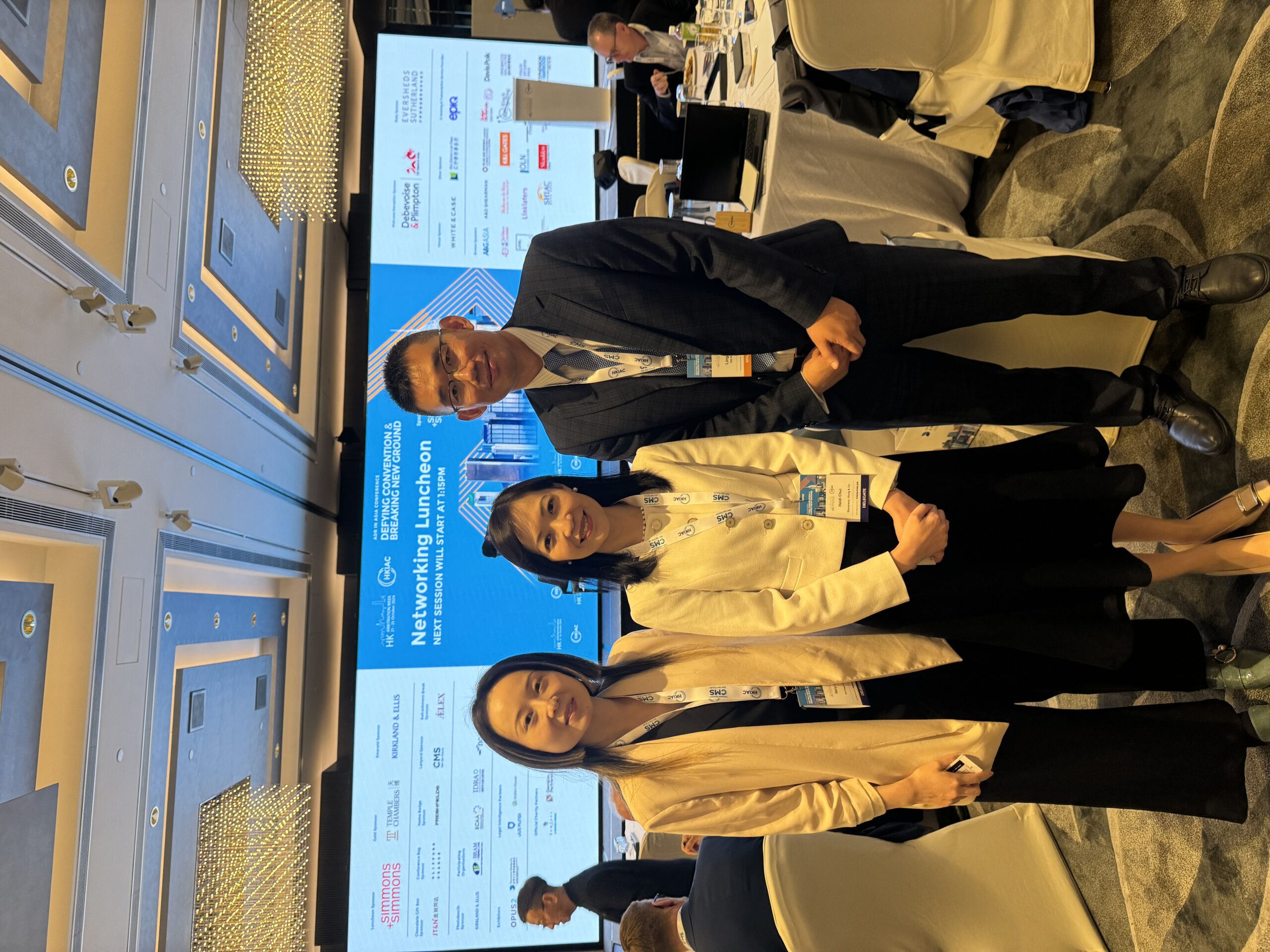
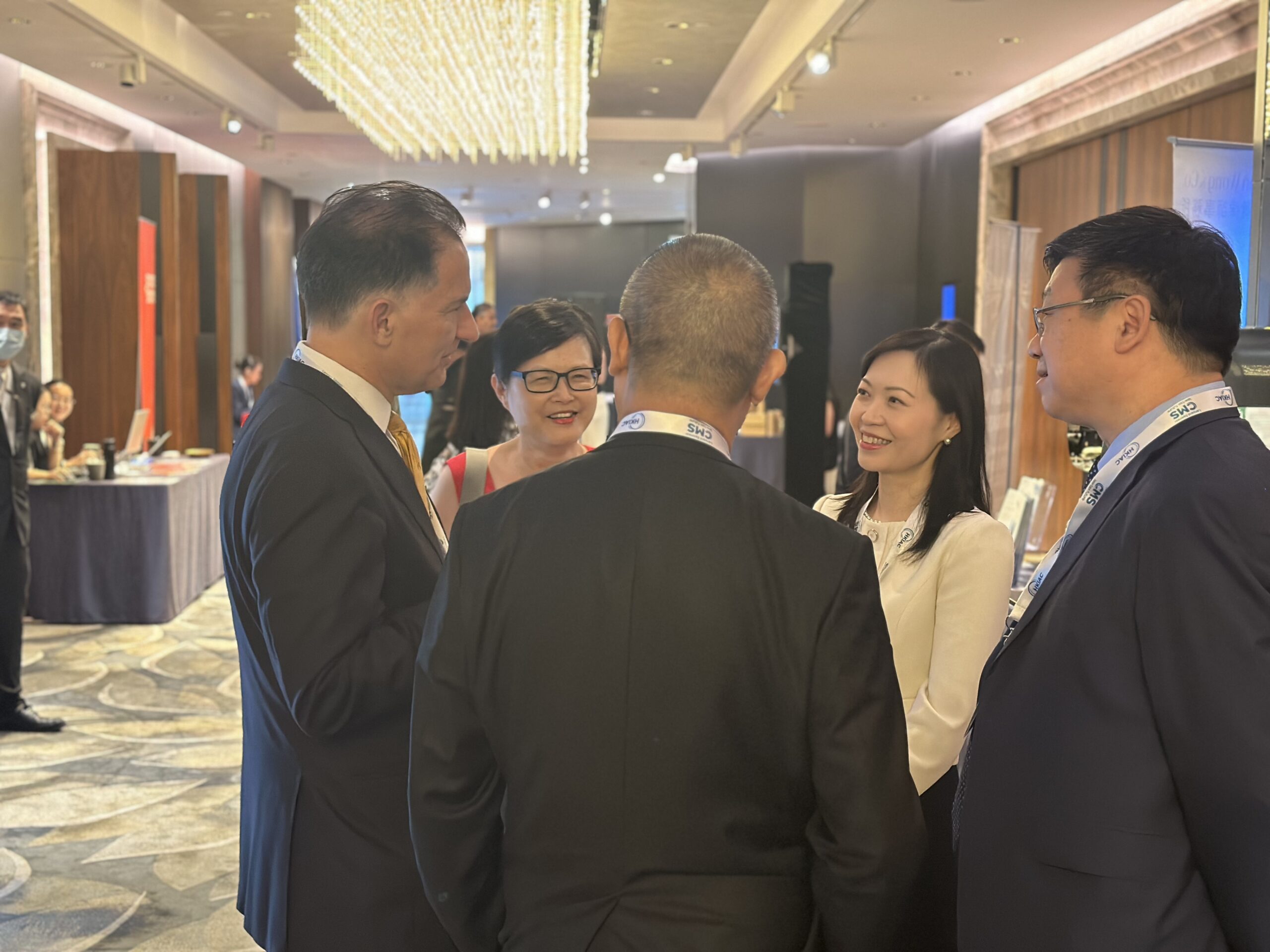
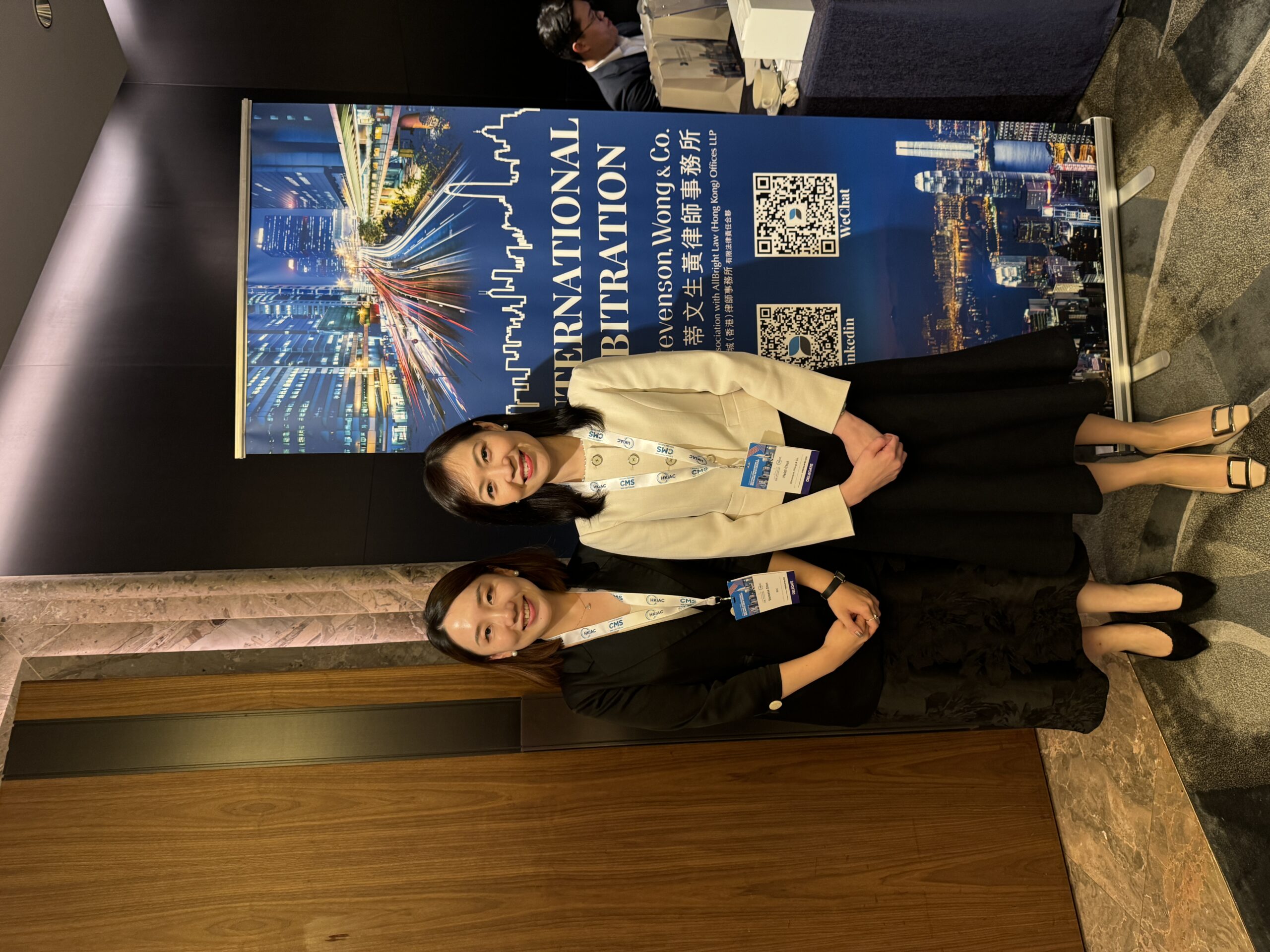
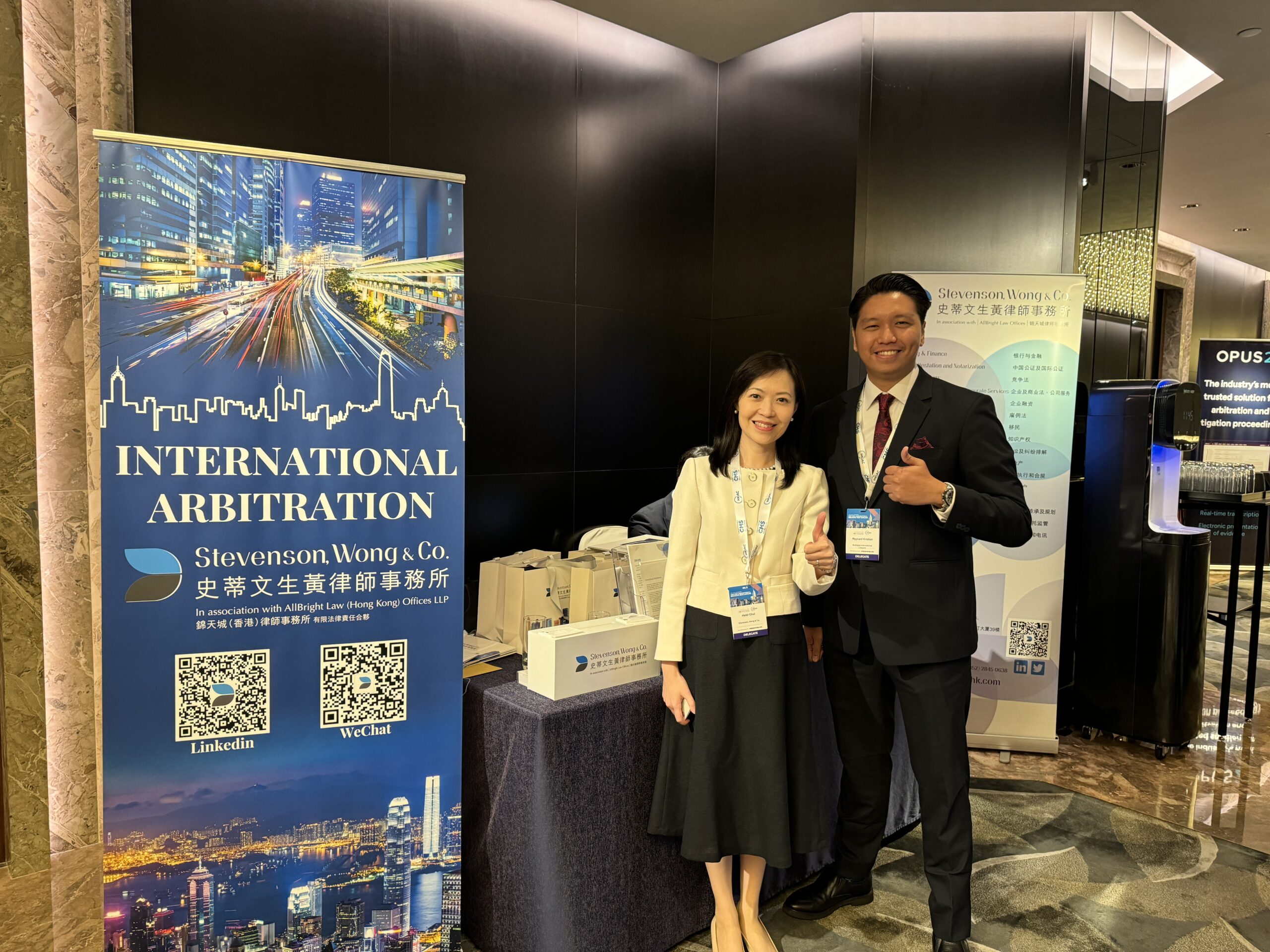
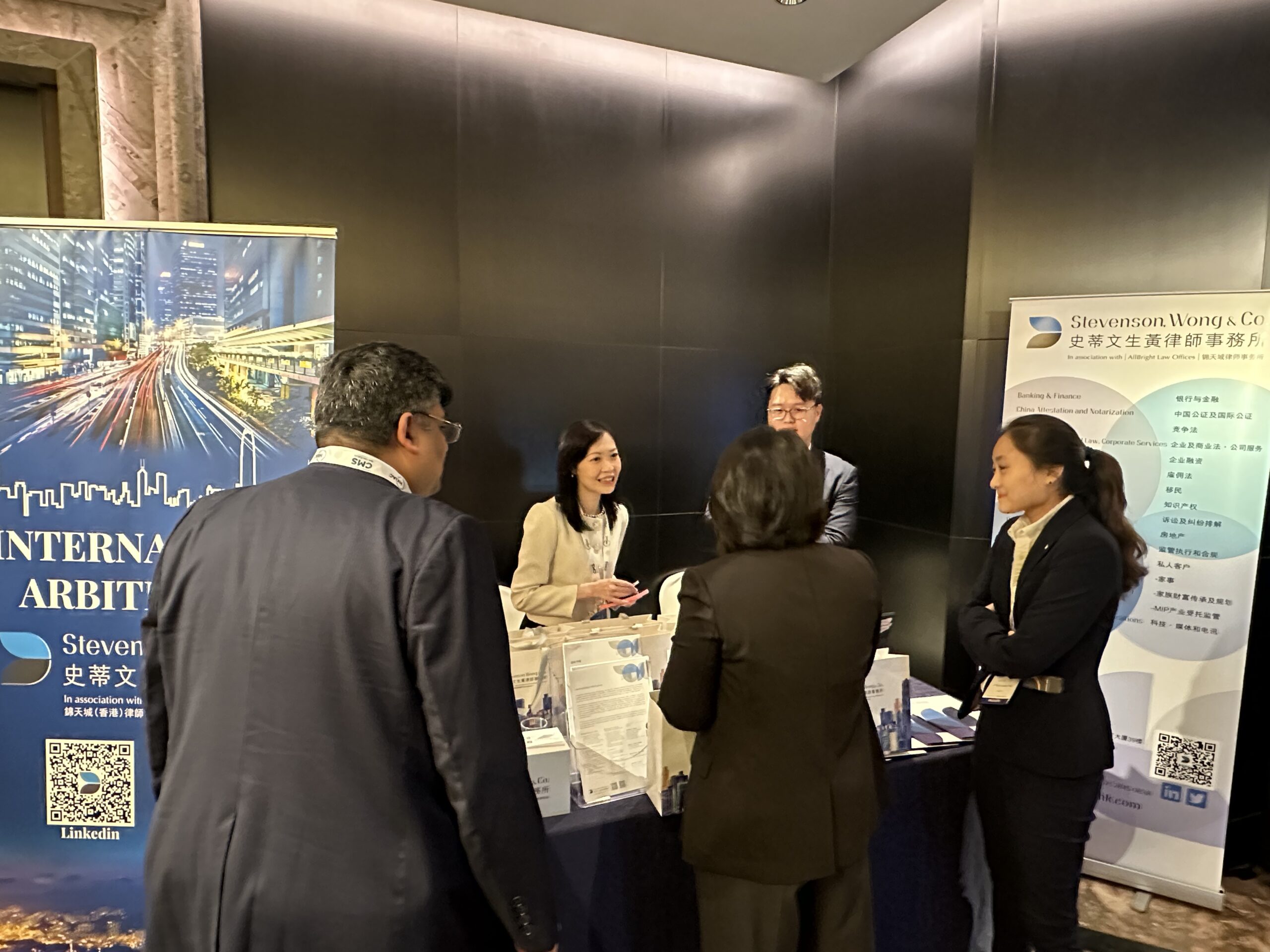
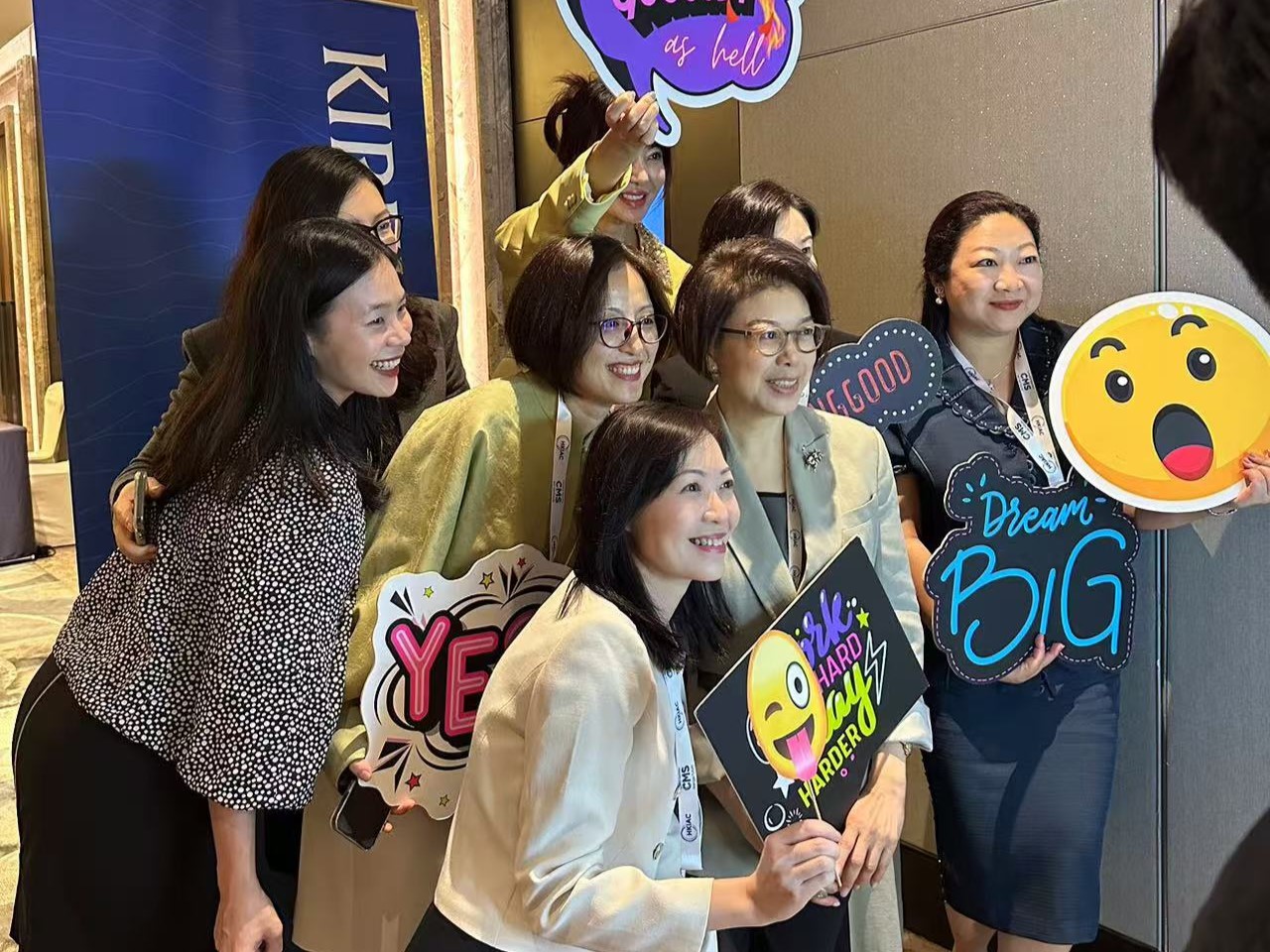
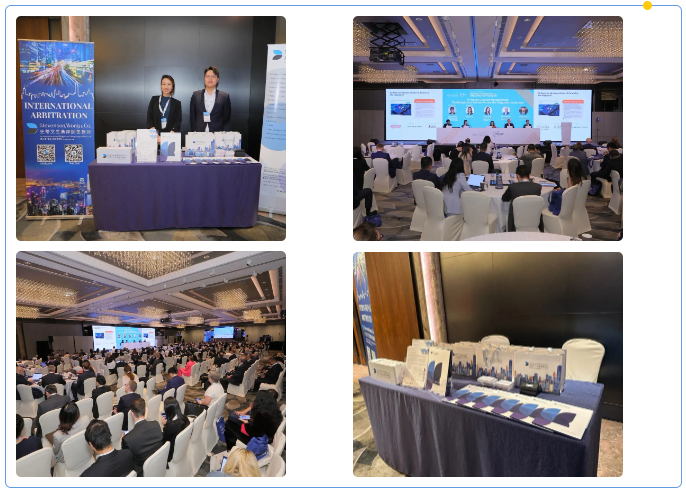
2024年10月21至25日,由香港国际仲裁中心(下称“HKIAC”)主办的2024年香港仲裁周成功举行。本所很荣幸再度作为参展方,赞助并参与了香港仲裁周之旗舰活动——“亚洲替代性争议解决大会(ADR in Asia Conference)”(下称“亚洲ADR大会”)。
…
本届香港仲裁周获得中国国际经济贸易仲裁委员会(CIETAC)、香港律政司、香港贸发局和香港大律师公会等近45间国内外知名机构的大力支持,并吸引了来自44个司法管辖区超过900名代表参加。
本次亚洲ADR大会在2024年10月23日于香港万豪酒店举行,主题为“打破常规,开拓创新 (Defying Convention & Breaking New Ground) ”。大会邀请了来自金融与投资、制药、运输和人工智能等多个行业的高级管理人员和法律总监,共同探讨他们所面临的主要挑战以及对亚洲争议格局发展的看法。同时,来自全球的仲裁专家也就多个主题进行了深入的分析与讨论。
本所合伙人、诉讼及争议解决部主管﹑HKIAC理事徐凯怡律师﹑陈晓彤顾问律师﹑金相烨律师和市场及传讯主管杨诗雅共同参与了亚洲ADR大会。


若阁下想了解更多详情,请联络本所合伙人徐凯怡律师。
2024年10月23日,由上海国际经济贸易仲裁委员会(“SHIAC”)、上海国际仲裁(香港)中心(“SHIAC HK”)及威科先行(”Wolters Kluwer”)联合主办的“2024香港仲裁周SHIAC&SHIAC HK边会活动——中国企业出海背景下的争议解决新视野” 专题研讨会在SHIAC HK办公室成功举行。本所合伙人、诉讼及争议解决部主管徐凯怡律师受邀为本次活动担任演讲嘉宾。
…
本次研讨会邀请了上海国际仲裁中心副主任马屹﹑上海国际仲裁中心秘书长王唯骏及上海国际仲裁(香港)中心秘书长韩刚等嘉宾发言。徐律师以“海外风险应对策略 ——中国企业国际投资争端解决的案例及启示”为主题,对中国企业作为申请人参与的投资者与国家争议解决机制(ISDS)争议案件进行了深入探讨,并通过多个案例分析,提示了中国企业在“走出去”时可能面临的常见问题及应留意的重要事项。


本所合伙人徐凯怡律师
在随后的圆桌讨论环节,徐律师与上海国际仲裁中心研究部部长徐之和、FTI Consulting董事总经理陈嘉大律师、海普洛斯集团副总裁兼海普国际CEO赵永刚等嘉宾共同就国际投资协定及ICSID仲裁等议题展开深入交流。


本所陈晓彤顾问律师 (左)

如阁下有任何查询,请联络本所合伙人徐凯怡律师。