新闻快讯
有关本所的新闻快讯,请浏览以下内容。如有兴趣个别了解,请点击此处与我们联系。
新闻快讯
有关本所的新闻快讯,请浏览以下内容。如有兴趣个别了解,请点击此处与我们联系。
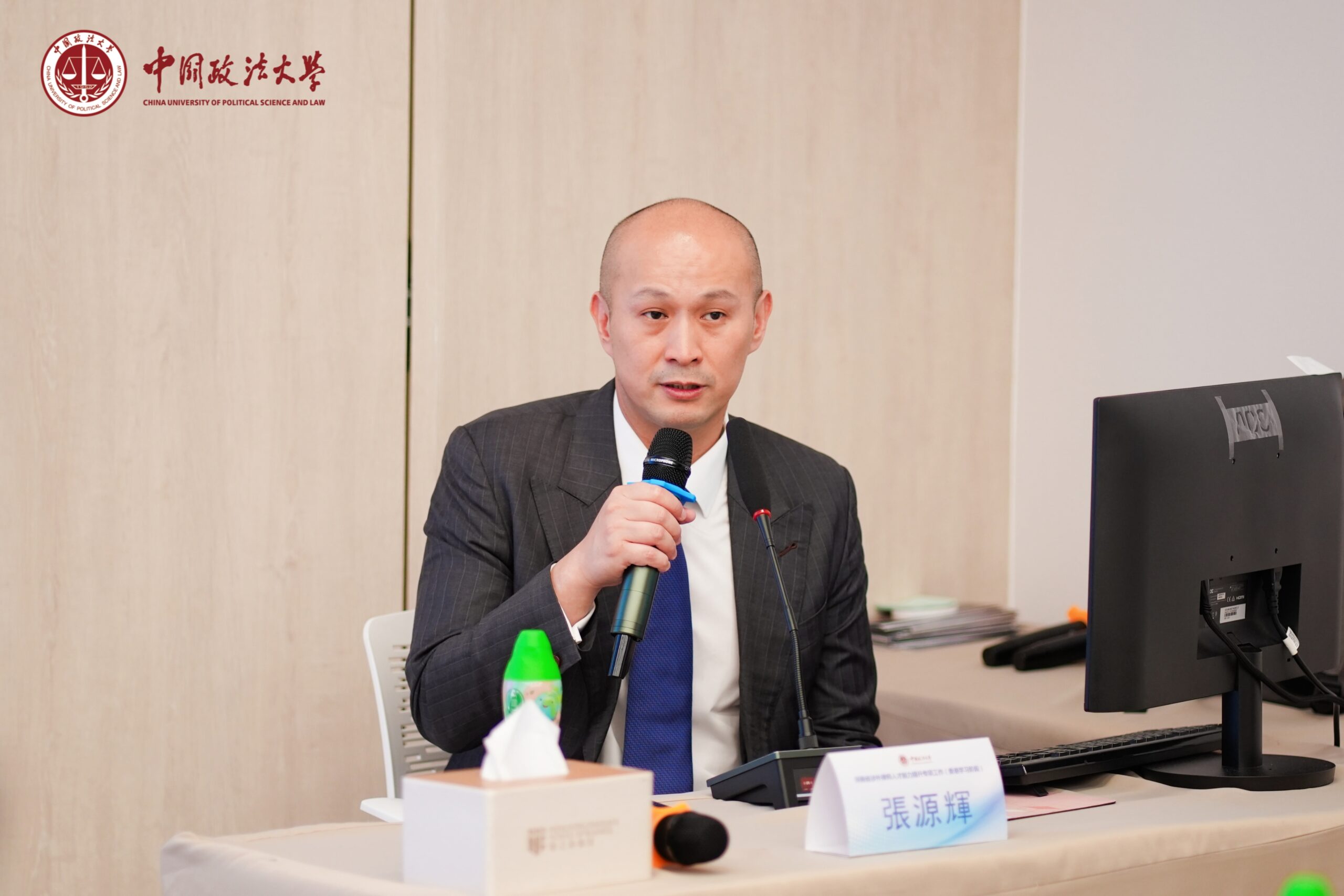
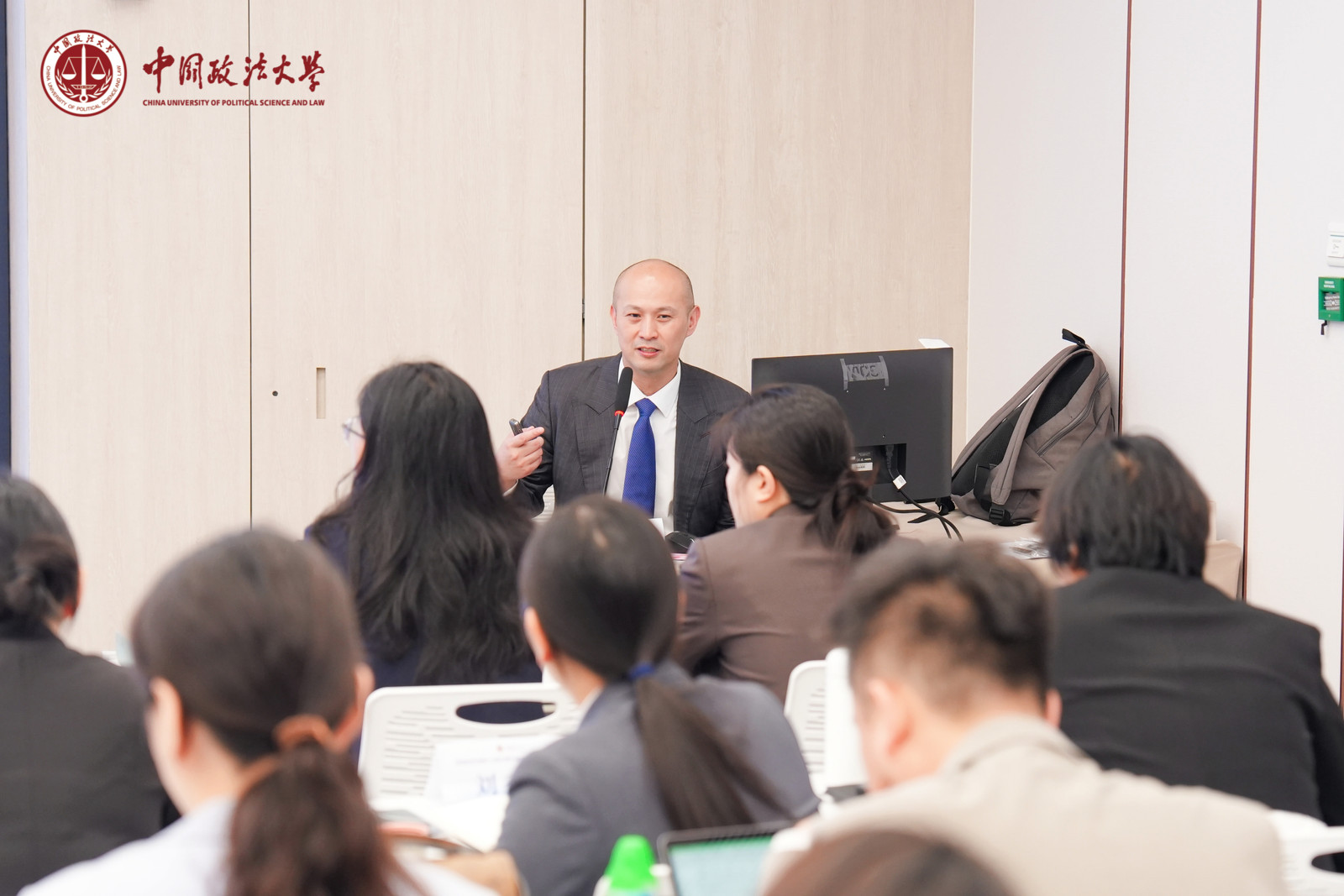
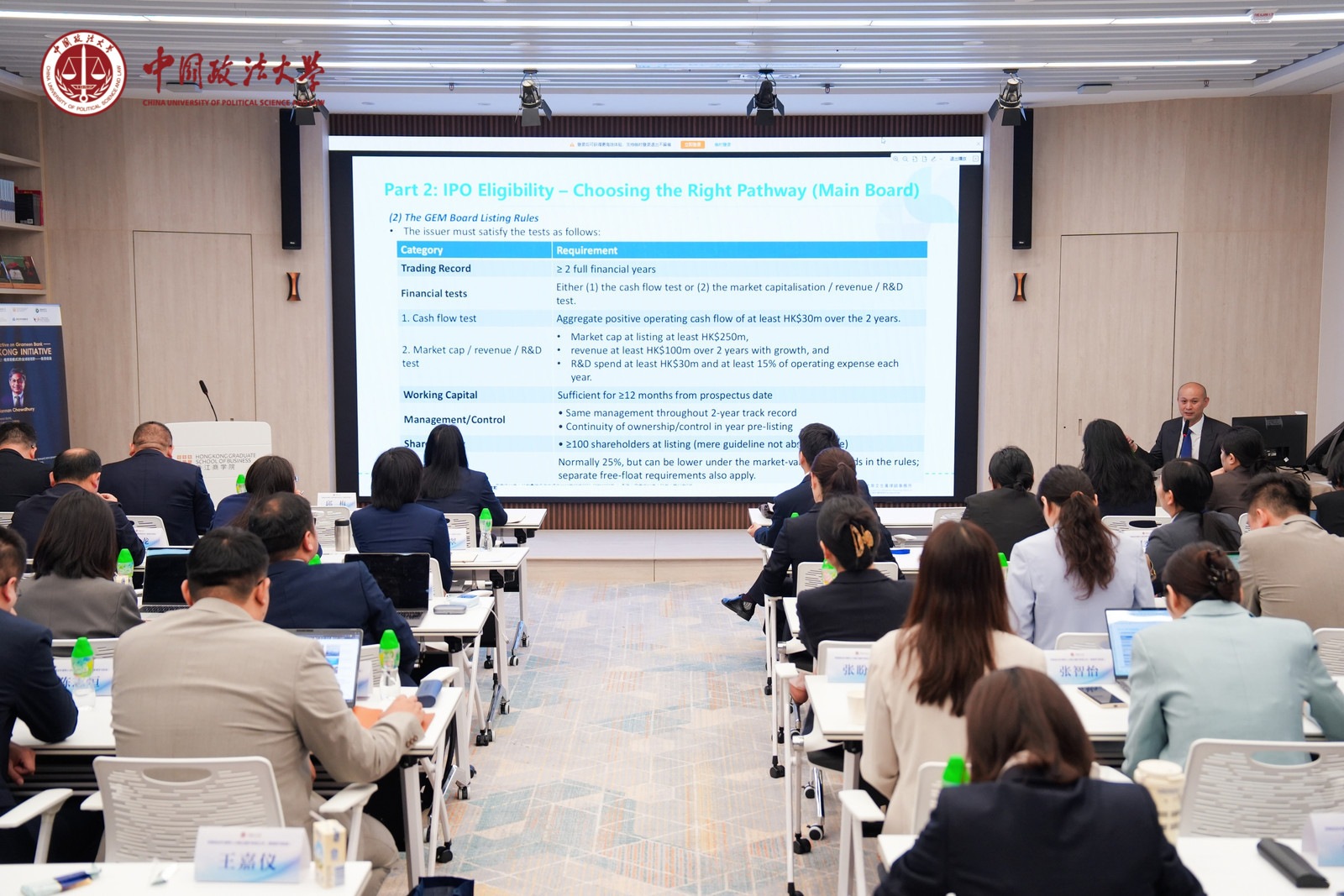
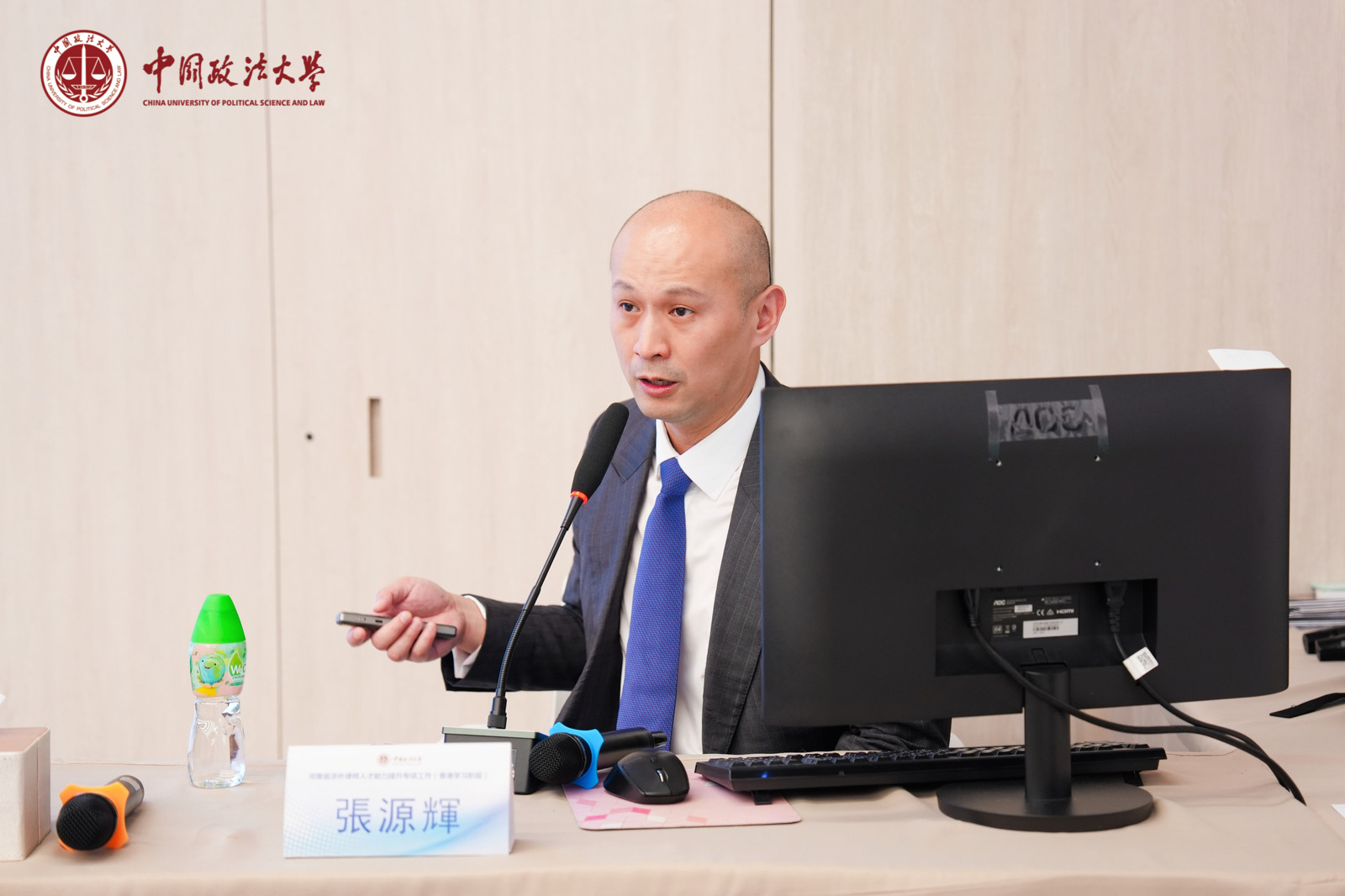
2026年4月24日,本所合伙人、企业融资副主管及金融科技联席主管张源辉律师应中央政法培训学院邀请,担任由中国政法大学「中央政法培训学院」与河南省律师协会联合主办的“涉外律师人才能力提升专项工作培训班”讲师,为来自河南省的涉外律师人才进行专题授课。
 …
…
本次培训班面向企事业单位、律师、公证员、仲裁员等各领域在职法律人才,旨在提升涉外法律服务队伍的专业能力,增强跨境法律服务的实务水平,推动涉外法治人才培养体系建设。
在授课中,张源辉律师以《涉外律师跨境金融业务实务:跨境融资、国际债券发行与金融监管合规》为题,结合其在香港及国际金融市场多年的实务经验,系统讲解了跨境融资结构设计、国际债券发行的法律要点与流程、以及当前全球主要金融监管框架下的合规挑战与应对策略。张律师通过实际案例分析,深入剖析了香港律师在跨境金融交易中的角色,获得了与会学员的高度评价。
 …
…
香港首次公开招股(IPO)市场正迎来强劲的复苏。继2025年的强劲势头——证监会共接获超过460宗新上市申请,逾110家公司成功上市,集资金额约2,860亿港元[1] ——这股热潮猛烈延续至2026年第一季度。单在第一季度,香港便迎来了40家新上市企业,集资近1,099亿港元,重夺全球新股集资额榜首之位[2]。
然而,数量上的胜利也暴露出显著的素质隐患。在2025年新上市申请激增的背景下,香港证券及期货事务监察委员会(“证监会”)与香港联合交易所有限公司(“联交所”)观察到,上市文件草拟本的素质有所下降,且从事保荐人工作的持牌法团(“保荐人”)存在不达标的行为。
为此,证监会于2026年1月30日发布了一份措辞严厉的通函(《通函》),向业界发出警告。其传达的信息非常明确:绝不能以牺牲实质尽职审查为代价来盲目追求市场份额。
市场实况:质素下降与“以程序为主导”的尽职审查
证监会表示关注,某些保荐人可能正就上市申请采取以程序为主导的方针,而非专注于实质的尽职审查及对上市申请人的顾问服务。证监会所强调的具体不达标行为案例,进一步印证了这项监管隐忧。
正如《通函》附录所强调 :
在《通函》中,证监会概述了以下具体关注领域:
“主要人员负担过重”的困境
截至2026年1月29日,有超过420宗活跃的上市申请正在审批。这庞大的工作量不成比例地集中在市场上极小部分合资格的主要人员身上,引发了人才争夺战,保荐人纷纷争相以满足监管机构的承接项目上限。证监会注意到,同时承担六项或以上活跃上市委聘项目的主要人员的数目之多,已引起关注。
证监会在督导精力与资源上划定了严格界线。除非情况非常特殊,否则证监会一般会将指定任何主要人员同时监督或参与六宗或以上活跃上市委聘项目的保荐人(“主要人员负担过重的保荐人”),视为缺乏充足资源来履行保荐人职责。证监会更是首次明确表达其期望:一名主要人员最多应只承担五项活跃委聘项目。
为执行此规定,证监会要求所有保荐人提交已获委任的主要人员姓名和数目,以及各人从事的活跃上市委聘项目的数量。今后,拟从事第6类首次公开招股保荐人工作的个人在提交新牌照申请时,必须附上由负责整体管理监督的核心职能主管(OMOs)签署的文件,以确认遵守五项委聘项目的数量上限。
严厉纠正措施与暂停审理流程
证监会与联交所正从发出警告转向采取直接的监管及执法行动。在2025年12月,他们向13名特定保荐人发出了一份联合函件,引述了在近期上市申请中出现的关注事项。这些“受关注保荐人”及任何主要人员负担过重的保荐人应预期,证监会将于不久将来就其保荐人工作及资源进行现场主题视察。
此外,证监会也在申请阶段施加了即时的阻吓措施:
提高胜任能力与考试门槛
如上所述,某些保荐人委派的团队中,有超过40%的职员在香港本地IPO方面的经验不足一年。对此,证监会收紧了考试要求。除非获得豁免,否则所有从事首次公开招股保荐人工作的个人,现须在首次从事该等工作前不多于三年的期间内,通过证券及投资学会资格考试卷一及十六。保荐人必须呈报任何不合规的职员。
管理层的责任
虽然保荐人的管理层可将运作职能转授予其职员,但管理层对监督保荐人工作以及对确保所有相关法律及监管规定获得遵从负上最终责任。
在严重缺失的情况下,证监会可能会采取监管行动,包括对保荐人的业务范围或保荐人可承担的活跃上市委聘项目的数量设限。证监会亦会在严重的失当行为个案中,对保荐人及须就保荐人缺失负责的保荐人主要人员和管理层展开调查及/或纪律行动。
史蒂文生黄律师事务所的法规与诉讼团队在就证监会合规、视察及补救措施向持牌法团提供法律意见方面拥有丰富经验。如您在评估贵公司的保荐人资源或应对即将到来的证监会视察方面需要策略性建议,请联系我们的合伙人叶小铃律师或梁祺澧律师。
本文仅供参考。其内容不构成亦不应视为法律咨询意见。史蒂文生黄律师事务所不会就任何因倚赖本处所载资料而作出的决定丶采取的行动或不采取的行动所引致的或与之有关的任何特别丶间接或相应而生的损失或损害向阁下承担法律责任。
[1] 根据《通函》,在2025年1月1日至12月31日期间,监管机构收到超过460宗新的上市申请。《通函》亦指出,在同一期间有超过110宗成功上市,集资额约为2,860亿港元。请参阅:https://apps.sfc.hk/edistributionWeb/api/circular/openFile?lang=TC&refNo=26EC4
[2] 根据毕马威中国在2026年第一季度回顾中报告的市场数据,香港IPO市场在第一季度共有40宗新上市,集资额达1,099亿港元。请参阅:https://kpmg.com/cn/en/insights/2026/04/china-hk-ipo-2026-q1-review.html.
 …
…
跨境诉讼“第一公里”的制度升级:内地与香港民商事司法文书送达新安排
2026年4月20日,最高人民法院与香港特别行政区政府在北京签署《关于内地与香港特别行政区相互送达民商事司法文书的安排》(以下简称《新安排》)。《新安排》关注的是跨境民商事诉讼中一个非常基础、但往往决定案件能否推进的环节,即司法文书如何有效送达给身处另一法域的当事人。
一、《新安排》的重大实践意义
在跨境诉讼中,司法文书能否合法送达,直接关系到诉讼能否启动、程序是否有效、案件能否继续、后续判决能否稳妥执行。此次两地签署《新安排》,将很大程度优化香港法院审理的民商事案件向内地受送达人送达司法文书的渠道和手段。
从制度背景看,1999年的《关于内地与香港特别行政区法院相互委托送达民商事司法文书的安排》(以下简称《旧安排》)实施已超过二十多年。过去二十多年间,两地跨境案件数量显著增加。香港律政司司长在2026年4月27日向立法会介绍时提到,两地相互送达司法文书的申请由1999年的359件增加至2024年的2,388件;而在《旧安排》下香港司法文书向内地送达只有委托送达一个路径,在实践中,也出现送达地址不准确、委托环节多、耗时较长等问题。
这正是《旧安排》下的典型痛点:跨境送达表面上已有司法协助通道,但委托文书、地址信息、送达规则之间未能精准衔接,导致“知道可能是有效地址但无法在委托程序中使用”的情况,最终影响诉讼效率。
因此,《新安排》针对过去的痛点对《旧安排》进行了全面升级。其核心目标,是拓宽送达方式、缩短送达路径、提高送达成功率,并在效率提升的同时保留法院把关和受送达人程序保障。
二、《新安排》在“委托送达”外增设了多样化的委托途径
如上所述,就香港司法文书向内地送达而言,《旧安排》仅设置了“委托送达”单一途径,而该机制在效率和灵活性上存在明显局限性。《新安排》保留委托送达,并在原有内地各高级人民法院与香港高等法院可以相互委托送达、最高人民法院可以直接委托香港高等法院送达外,更增加了最高人民法院可以授权部分中级人民法院、基层人民法院与香港高等法院相互委托送达的机制。
这意味着未来部分案件可能不必再逐级上报至高级人民法院后再转递香港法院,程序链条有望缩短。对于由内地基层法院或中级法院审理的大量合同、公司、金融、贸易纠纷而言,如相关法院获得授权,送达请求可更直接地与香港法院衔接,减少转递时间和信息损耗。
2.《新安排》设置了多样化的委托途径
《新安排》在保留“委托送达”的基础上,同时明确可采用邮寄送达、电子送达、受权主体代为送达等双方认可的方式送达;如多种方式同时使用,则以最先实现送达的方式确定送达日期。这些送达安排,在符合法律要求和法院许可的前提下,更为贴近商业实践。
(1)邮寄送达
《新安排》第十三条明确,内地人民法院向香港受送达人邮寄送达司法文书,应附送达回证;香港当事人向内地受送达人邮寄送达司法文书,应提供加盖审理法院印章的司法文书正本,以及供受送达人签收的送达认收书或其他证明文件。受送达人在证明文件上签收的日期为送达日期;未在证明文件上签收但在邮件回执上签收的,也视为送达。这使邮寄送达不再只是实践中的辅助方式,而成为具有明确证明规则和日期认定规则的跨境送达路径。其优势在于成本较低、操作直接、时间相对可控,尤其适用于地址明确、规避送达风险较低的案件。
(2)电子送达
《新安排》第十四条允许在一定条件下通过能够确认受送达人收悉的电子方式送达,例如受送达人明确同意、主动提供用于接收送达的电子地址,或通过回复收悉、参加诉讼等方式接受已完成的电子送达。电子送达媒介包括传真、电子邮件、移动通信等即时收悉的特定系统。这对高度依赖电子邮件、即时通信工具和线上办公系统的跨境商业主体尤其重要,也将送达判断的重点从传统物理交付转向“能否确认收悉”。
(3)受权主体代为送达
《新安排》第十五条规定,内地人民法院经审查认为,当事人申请由香港律师行或注册外地律师行向香港受送达人直接送达司法文书不违反法律规定的,可以将文书交当事人自行安排交付送达。反向而言,香港当事人需要向内地受送达人送达司法文书的,可以通过内地律师事务所、公证机构直接送达。律师行、律师事务所、公证机构更熟悉当地地址核验、送达留痕和证据保存要求,有助于提高送达成功率,并证明送达过程的合规性。
(4)公告送达
如其他方式无法实现,《新安排》第十七条允许公告送达。内地法院向香港受送达人公告送达的,应在内地和香港具有传播力、影响力的信息网络等媒体上发布;香港法院如认为确有需要,也可委托内地法院协助向内地受送达人公告送达。自公告发出之日起经过六十日,即视为送达。这为受送达人下落不明、拒避送达等情形提供最终路径,也避免案件长期卡在送达环节。
综上,《新安排》下,当事人可以根据案件情况,结合邮寄、电子、受权主体代为送达等方式,提前设计更稳妥的送达组合。
三、《新安排》下的实务启示
第一,跨境争议启动前,应重视对方地址、电子地址、公司注册资料和实际经营地点的保存。
第二,合同文件中应更有意识地设计送达条款,例如明确电子邮箱、通讯地址、联系人、送达确认方式及地址变更通知义务。
第三,原告方应提前选择最适合的送达路径:地址清晰、配合度较高的案件,可优先考虑邮寄或电子送达;存在规避送达风险的案件,则应提前准备律师行、公证机构参与送达,或为后续公告送达保留证据基础。
第四,被告方也应提高风险意识。《新安排》下,拒收、拖延、回避未必能阻止程序推进;只要存在足以确认已经收悉的情形,仍可能构成有效送达。
需要注意,《新安排》虽已签署,但尚未正式生效。其生效仍须最高人民法院发布相关司法解释,以及香港完成本地法例修订程序;两地届时将共同公布生效日期。在生效前,《旧安排》仍继续适用。
结语
总体而言,《新安排》是内地与香港民商事司法协助体系中的一次重要程序升级。它并不改变实体法律规则,也不直接涉及判决承认与执行问题;但它解决的是跨境诉讼中最基础、最常见、也最容易拖延案件进程的“送达难”问题。
对企业和高净值客户而言,送达制度的变化意味着跨境诉讼节奏可能加快,程序抗辩空间可能收窄,证据留痕和合规应对的重要性进一步提高。未来在《新安排》正式生效后,跨境争议当事人应尽早把送达策略纳入整体诉讼方案,而不是等案件启动后才被动处理。特别是身处香港的案件当事人,未来申请将香港司法文书送达内地受送达人时,可考虑综合运用多元送达方式,以提高送达成功率并争取程序主动。
本文由本所合伙人,诉讼及争议解决部主管徐凯怡律师﹑黄善端跨境民商事法务总监和张政豪律师共同撰写。若阁下想了解更多详情,请联络本所徐凯怡律师。
本文仅供参考。其内容不构成亦不应视为法律咨询意见。史蒂文生黄律师事务所不会就任何因倚赖本处所载资料而作出的决定丶采取的行动或不采取的行动所引致的或与之有关的任何特别丶间接或相应而生的损失或损害向阁下承担法律责任。
 …
…
新闻快讯
香港金融科技推广蓝图 —— 加速采纳新兴金融科技
2026年4月28日
引言
香港金融管理局(”金管局“)于2026年2月已发布全面的《金融科技推广蓝图》,当中载列具体措施,推动香港银行业从广泛、基础地使用数码工具,转向在核心业务中深度融入成熟的金融科技。
从“全面推展银行数码化”迈向更高层次的应用
该蓝图建基于金管局的“金融科技 2030”策略及较早前推出的《金融科技推广路线图》,后者在“全面推展银行数码化”的措施下,协助银行实现前线至后勤的数码化。比较 2022 年至 2025 年的数据,95% 的受访银行(包括所有零售银行)已采用金融科技进行端对端数码化,其中在合规科技(由 83% 升至 97%)、保险科技(28% 升至 57%)、绿色科技(26% 升至 45%)及财富科技(43% 升至 52%)方面的应用率尤其高。银行亦在增加投资:36% 的银行将其科技预算的 30% 以上投放于金融科技,95% 的银行计划在未来三年维持或增加此水平,当中一半银行预期预算增长为 10% 至 20%。
然而,金管局指出,大多数机构仍将金融科技作为独立工具部署,既没有从根本上重新设计流程,亦未将其整合至核心营运模式,因而限制了投资回报,并减缓了更进取的应用步伐。因此,新的蓝图将重点从广度转向深度,旨在推动业界迈向“高阶”成熟度,使金融科技融入日常营运,并创造切实的业务价值。
五大支柱:人工智能、分布式分类帐技术、高效能运算、数据及网络安全
蓝图围绕五个优先推动因素及基础而构建:人工智能、分布式分类帐技术 (DLT)、高效能运算 (High Performance Computing)、数据卓越 (Data Excellence),以及网络韧性 (Cyber Resilience)。
人工智能
香港金融业正进入人工智能的新阶段,从用于欺诈检测和信用评分的传统模型,发展至生成式人工智能 (GenA.I.)及智能体人工智能 (agentic A.I.)。生成式人工智能已应用于打击洗钱系统(分析交易叙述及通讯)及能自主处理客户查询的对话式代理等领域,并获得金管局生成式人工智能沙盒 (Generative AI Sandbox)的支持。自 2025 年开始兴起的智能体人工智能,能够实现自主监察、决策及执行,例如可冻结账户的实时欺诈预防,或协调风险评估、身份验证及放款的多智能体贷款审批流程。
然而,机构报告指存在重大障碍:有限的创收用例、对准确性及幻觉 (Hallucinations)的担忧、与零散的传统系统整合的困难、分散的数据,以及严重缺乏同时具备技术、监管及业务技能的人才。小型银行在应用方面落后于大型银行,只有 63% 的小型企业使用人工智能,而大型企业则有 83%。蓝图优先推动业界知识交流、针对性的技能提升、扩大沙盒的使用,以及共享基础设施(例如数码港的人工智能超算中心),以以推动人工智能的安全、可扩展且具有影响力的应用。
分布式分类帐技术
分布式分类帐技术被视为推动代币化及下一代支付的关键,通过提供共享、同步的账本,支持更快速、更安全的交易及资产代币化。蓝图引用了实际案例,包括香港特别行政区政府发行的代币化绿色债券、金管局的“数码港元+”计划,以及用作代币化存款跨境结算的沙盒“Ensemble项目”,还有分布式分类帐技术监管孵化器 (Supervisory Incubator for Distributed Ledger Technology)。
尽管取得进展,银行仍面临与传统系统整合的高昂成本、互通性和可扩展性限制、智能合约和私钥风险、撤销欺诈性不可变交易的困难,以及在数码资产分类和智能合约可强制执行性方面的监管不确定性。因此,金管局设定的推广重点包括:分享具体的整合策略及商业上成功的用例、培养生产级技能(尤其是智能合约方面),以及致力于在资产分类、安全基准及首选网络架构方面厘清标准,以支持可扩展和可互操作的部署。
高效能运算
高效能运算(包括超级运算及量子运算)被定位为支持先进模型、人工智能及风险分析的关键基础设施。超级计算机已可支持密集的风险模拟、投资组合压力测试及量化交易策略优化,同时亦可为生成式人工智能工作负载提供运算能力,例如透过数码港的人工智能超算中心。量子运算在投资组合优化、情景分析、产品定价及欺诈检测方面的潜力备受关注,但同时对现有的密码学构成威胁。
应用受到成本高昂、缺乏配套基础设施、能源和冷却需求,以及专业人才短缺等因素所阻碍,部分小型银行甚至完全没有探索高效能运算。因此,蓝图呼吁建立共享的超级运算设施,提高对超级运算及量子概念的认识,并及早整合后量子密码学以应对“先撷取,后解密”的风险。
数据卓越
数据卓越被认为是人工智能、分布式分类帐技术及高级风险管理的核心基础,但许多银行因零散的传统系统限制了不完整及不一致的数据集而面临困难。批处理为主的大型主机、非标准格式及孤立的存储库阻碍了统一的客户视图、实时监控及高质量模型训练,而日益增长的非结构化数据及跨境数据则增加了复杂性。
蓝图呼吁制定结构化计划,以分享管理结构化和非结构化数据的最佳实践、制定内部及外部数据使用的治理框架,以及就互通性、格式及验证制定行业标准,以提高风险数据的可用性、质量和共享。
网络韧性
先进金融科技的应用需要大量且微细的数据集,因此相关的网络及私隐风险亦随之加剧。蓝图重点关注对抗性人工智能攻击(例如投毒训练数据 (poisoned training data)、词元注入 (prompt-injection)及深伪技术 (deepfakes))、分布式分类帐技术中的智能合约漏洞及预言机操纵 (oracle manipulation),以及量子技术带来的密码学威胁,再加上云端、数据及平台服务中多层第三方供应链的复杂性。金管局的优先事项包括:加强对第三方风险的治理、在业界分享威胁情报及防御实践,以及就先进金融科技方案的网路标准厘定基准期望。
市场状况:应用进展及痛点
该蓝图描述了香港丰富的金融科技生态系统,包括金融科技公司、金融机构、监管机构、投资者、行业协会、学术界及公众,所有这些都通过 Fintech Connect、FiNETech 活动系列、商业数据通、生成式人工智能沙盒及分布式分类帐技术监管孵化器等平台相互联系。政府资助计划、数码债券资助计划,以及数码港和香港科技园公司的孵化计划,进一步降低了应用风险并支持解决方案的开发。
尽管如此,科技成熟度评估仍识别出持续存在的障碍:75% 的银行表示实施成本高昂,73% 的银行强调新技术带来的风险,71% 的银行难以将其整合至现有系统,61% 的银行担心数据私隐及网络安全,59% 的银行表示存在监管不确定性和人才短缺。这些挑战,尤其是对小型机构而言,凸显了采取策略性及协调性措施的必要性——这正是新蓝图的核心重点。
关键优先事项:从应用案例到制定标准
根据其研究及业界参与,金管局提炼出五个优先方向,作为蓝图设计的基础:
这些优先事项贯穿蓝图的三个策略维度 —— (1) 生态圈协作、(2) 技术推进,以及 (3) 人才与外展,每个维度均配以具体措施。
蓝图设计 1:生态圈协作
除旗舰项目外,蓝图还制定了一系列生态圈措施,旨在加强连通性,并降低市场中的搜寻及协调成本:
这些措施旨在将现有的双边合作,转变为更结构化、数据驱动的协作网络,帮助银行更快地找到可靠的合作伙伴并扩展经证实的解决方案。
蓝图设计 2:技术推进
在技术推进维度下,金管局将运用多种以内容和互动为基础的工具,将复杂技术转化为银行可实施的蓝图:
这些措施旨在将抽象的创新叙事,转化为银行可根据自身情况调整及部署的实用、可重复的模型。
蓝图设计 3:人才与外展
为确保人力资本能够跟上技术推进的步伐,蓝图扩展了金管局的人才与外展工作:
这些措施旨在逐步提高整个行业的技术及实践能力基线,使机构能够安全地采用和管理复杂的金融科技。
成效评估及后续工作
为确保蓝图能转化为切实成果,金管局将在措施及计划层面监测进度。措施层面的指标将追踪参与度及行为变化,而计划层面的评估将评估生态圈协作、技术推进及人才与外展方面的整体进展,使金管局能够因应市场状况的变化调整行动。
金管局将于 2026 年第二季度举办以数据卓越为主题的 FiNETech 活动,以此启动蓝图的实施工作,并将继续通过与银行、科技公司及其他监管机构的积极互动,不断完善各项措施。最终,蓝图旨在透过针对性的策略措施,加速香港金融业采纳先进且负责任的金融科技,从而使香港从基础的金融科技应用,迈向策略性的技术领导地位。
如有任何疑问或需进一步了解详情,请联系我们的合伙人张源辉律师。
本文仅供参考。其内容不构成亦不应视为法律咨询意见。史蒂文生黄律师事务所不会就任何因倚赖本处所载资料而作出的决定丶采取的行动或不采取的行动所引致的或与之有关的任何特别丶间接或相应而生的损失或损害向阁下承担法律责任。
2026年3月10及11日,证券及期货事务监察委员会(「证监会」)与廉政公署(「廉署」)执行了一项代号为「导火线」的联合行动。该行动旨在打击涉嫌内幕交易及贪污行为,涉案人士为三家持牌法团(包括两家证券行及一家对冲基金管理公司)的高层人员。
 …
…
在行动中,执法人员搜查了共14个地点,并拘捕了八名人士。被捕人士包括涉案持牌法团的高层人员以及一名中间人。调查人员怀疑,涉案证券行的高层人员涉嫌从该对冲基金管理公司的东主收取逾400万港元贿款。作为回报,他们涉嫌在多家香港上市公司配售股份的机密资料公布前,向该东主披露该等资料。
该对冲基金在掌握上述机密资料后,透过卖空及订立卖空股权互换合约,为其基金建立淡仓。当股份配售最终获公布时,相关股票的股价下跌,该对冲基金据称从中获利约3.15亿港元。
是次联合突击搜查是证监会与廉署之间最新的一次联合行动,其背后原因是金融犯罪日益复杂,以及监管机构必须采取统一应对措施。从历史上看,证监会负责行政监管领域,而廉署则负责刑事调查领域。然而,两者之间的界限已变得愈发模糊;双方于2019年签订了《谅解备忘录》,并透过随后一连串的联合行动使这种合作模式得以巩固。为上市发行人、持牌中介机构及上市公司董事提供法律意见的从业人员,必须深入了解此统一执法机制的运作模式。
法例架构
联合行动模式的成效并非建立在权力的合并,而是依赖权力的平行与协调运用。2019年的《谅解备忘录》建立了一个框架,让一个机构的局限性得以由另一机构的能力来弥补。目前的执法方针采用「钳形攻势」策略,以系统性地瓦解复杂的犯罪网络。
执法行动的演变
《谅解备忘录》的实施已从侧重于单一的贪污事件,演变为针对庞大且跨司法管辖区的犯罪集团。
司法态度趋严与战略准备
法庭对日益猖獗的复杂金融犯罪作出了回应,判刑日益严厉。2024年5月,原讼法庭对市场操纵行为作出了自《证券及期货条例》生效以来最重的判刑,三名被告因操纵正利控股有限公司股份,被判处4年4个月至6年8个月不等的监禁。
鉴于这些发展,采取积极主动的辩护策略势在必行。上市公司及金融机构必须优先考虑以下事项 :
结论
随着执法行动变得更频繁、更复杂及更具惩罚性,金融咨询工作必须超越单纯的技术性合规,并应对金融犯罪及内部贪污等更广泛的风险。可以预见,证监会与廉署等监管机构开展联合行动的频率在未来只会增加。毫无疑问,这对于维持有序和廉洁的金融市场是一个强而有力的发展。虽然这些合作提升了市场诚信及投资者信心,但同时亦创造了一个高风险的环境,金融参与者必须敏锐地意识到自身的法律义务及权利。
如欲讨论我们如何为您提供协助,请联系本所合伙人叶小铃律师、梁祺澧顾问律师或谢朗希律师。
本文仅供参考。其内容不构成亦不应视为法律咨询意见。史蒂文生黄律师事务所不会就任何因倚赖本处所载资料而作出的决定丶采取的行动或不采取的行动所引致的或与之有关的任何特别丶间接或相应而生的损失或损害向阁下承担法律责任。
 …
…
多年来,市场中普遍存在一种误解,认为将资金转移到海外司法管辖区就可以避开本土监管机构的执法。然而,香港证券及期货事务监察委员会(「证监会」)最近采取的一项史无前例的行动,彻底打破了这一幻想。
作为对企图逃避监管人士的严厉警告,证监会成功从英国法院取得了一项首创的临时资产冻结令,冻结了嫌疑人位于英格兰及威尔士的资产,这与在香港取得的资产冻结令(Mareva injunction)双管齐下。
这一事态发展标志着证监会在执法策略上的重大转变:地理边界作为限制证监会执法能力的屏障,作用已大大减弱。
背景:涉嫌「监守自盗」的内幕交易
2026年2月12日,证监会根据《证券及期货条例》(「SFO」)第213条,从香港原讼法庭取得了一项全球性临时强制令(「香港命令」)。该法律程序针对香港交易及结算所有限公司(「香港交易所」)上市监管及规则执行部前助理副总裁陈政华先生(「陈先生」),以及他的两名姻亲林祖文先生(「林先生」)和周志光先生(「周先生」)。
证监会指称,在2020年6月至2025年3月期间,陈先生滥用其职位,在至少24家香港上市公司对外公布消息前,获取了机密及对股价敏感的信息。这些公司中不乏知名企业,如SOHO中国、平安健康医疗科技(平安好医生)及利福国际等。
据证监会指称,陈先生通过其亲属持有的证券账户买卖股票进行内幕交易。他涉嫌促使林先生代其进行交易。林先生亦涉嫌将来自陈先生的内幕消息透露给周先生,周先生随后也进行了相关股票买卖。这是一种典型,但也易被追踪的规避手段。
史无前例的跨境强制令
虽然上述涉嫌违规行为代表着掌握上市文件「上帝视角」的内部人士严重违反了信任,但本案真正的分水岭意义在于证监会的资产追回策略。
由于这三名嫌疑人已离开香港并将资产转移至海外,证监会并没有止步于在香港取得香港命令。在一项开创性的法律行动中,该监管机构在英格兰及威尔士展开了法律程序,成功从英格兰及威尔士高等法院商业及财产法庭取得临时强制令(「英国命令」),冻结了陈先生及周先生在英格兰及威尔士的资产。
香港命令及英国命令禁止嫌疑人处置或减少其在香港及海外(包括英格兰及威尔士)的资产价值,总额约为430万港元(陈先生和林先生的上限为合共3,709,566港元;周先生的上限为604,545港元)。
证监会新闻稿可在此处查阅。
成本效益分析:展现坚决执法的明确信号
纯粹从商业角度来看,这项执法行动的经济账令人瞩目。市场观察人士和法律界从业者都深知,在英国高等法院聘请外国律师并展开复杂的跨境诉讼,其相关成本很可能与目前被冻结的约430万港元相当,甚至远超于此。
那么,为什么证监会愿意耗费如此巨大的资源来追回相对有限的资金?
这很可能是一项旨在建立强大威慑力的战略举措。通过展示其愿意承担高昂的法律费用,在普通法司法管辖区跨境追究违规者责任的意愿,证监会正在树立一个坚定的先例。其目的在于摧毁部分人士所依赖的心理「防火墙」——他们误以为,只要将自己或财富转移到英国等热门移民目的地,就能免受香港监管机构的追责。
此外,这一高调行动也有助于巩固香港金融市场的廉洁稳健,向市场证明监管机构将果断进行「大扫除」,并以最高标准向内部人士——尤其是像前港交所职员这样能够广泛接触股价敏感信息的人士——追究责任。
对市场参与者的启示
证监会成功运用跨境司法协助,带来了深远的影响:
史蒂文生黄律师事务所能为您提供哪些协助
监管环境正变得越来越无国界化且执法日益严厉。在这样的环境下,依赖地理距离或司法管辖区分隔来寻求保护,无疑是一种具有缺陷的策略。
无论您是持牌法团、高管,还是拥有跨司法管辖区资产的个人,积极合规以及在任何监管调查初期立即寻求法律顾问的意见,都至关重要。
史蒂文生黄律师事务所的监管及合规团队在处理复杂的证监会调查以及第213和214条程序方面拥有丰富的经验。我们经常就以下事项为客户提供法律意见:
如欲讨论我们如何为您提供协助,请联系本所合伙人叶小铃律师、梁祺澧顾问律师或谢朗希律师。
本文仅供参考。其内容不构成亦不应视为法律咨询意见。史蒂文生黄律师事务所不会就任何因倚赖本处所载资料而作出的决定丶采取的行动或不采取的行动所引致的或与之有关的任何特别丶间接或相应而生的损失或损害向阁下承担法律责任。