最新动态
有关本所的最新动态和活动,请浏览以下内容。如有兴趣个别了解,请点击此处与我们联系。
最新动态
有关本所的最新动态和活动,请浏览以下内容。如有兴趣个别了解,请点击此处与我们联系。
介绍
香港交易及结算所有限公司(「港交所」)于2017年12月15日发表了《有关建议设立创新板的咨询总结》 (「设立创新板咨询结论」), 建议落实未来发展方向, 以拓宽现行的上市制度。请点击这里为我们以前的新闻更新概述的建议摘要。总括而言,设立创新板咨询结论建议: (1) 允许从事生物科技产品、处理程序或技术而未有收益的公司(「生物科技发行者」) 和拥有不同投票权架构的创新产业及高增长发行人于香港联合交易所有限公司 (「联交所」)上市;(2)为在合资格交易所上市的创新产业发行人创建新的第二上市渠道。
经过与证券及期货事务监察委员会 (「证监会」) 及利益相关者的商讨, 港交所于2018年2月23日发表一份有关新兴及创新行业公司上市制度的咨询文件(「咨询文件」), 以跟进设立创新板咨询结论中的建议。咨询文件提出详细的建议, 并新增《香港联合交易所有限公司证券上市规则》(「上市规则」)的两个新章节及某些修订。咨询文件内的建议密切配合咨询结论的未来发展方向。
在这些修订中, 须要注意的重点新建议包括:
未有收益的生物科技发行者
● 生物科技公司必须至少有一只核心产品已通过概念阶段(即生物科技公司的受规管产品,并以该产品作为根据《上市规则》申请上市的基础) 。
● 生物科技发行者必须能够证明它在上市前至少十二月从事其核心产品的研发。
● 联交所将认可美国食品及药物管理局、中国食品及药物管理局及欧洲医药署为监管当局, 以便根据上市规则评估生物科技发行人的核心产品。
● 生物科技发行者在建议上市日期的至少六个月前已得到至少一名资深投资者提供相当数额的第三方投资。
● 按新生物科技章节上市的生物科技公司将受一定的限制, 如果没有联交所事先同意, 不得进行会使主营业务出现重大变动的交易。此外,按生物科技章节上市的生物科技公司若未能维持充分的营运或资产水平,因而不符合 《上市规则》的持续责任, 将获给予最多十二个月时间重新遵守此规定;若仍然未能遵守此规定,将被联交所除牌。
具有不同投票权架构的发行者
● 联交所将要求,不同投票权公司中所有受益人他们合计必须实益拥有申请人首次上市时已发行股本总额至少10%但最多不超过50%的相关经济利益(如股息权)。然而,联交所不拟于公司上市后持续施加此规定。
● 不同投票权受益人只限上市时是发行人董事及上市后留任董事的人士,这意味着不同投票权将随时间消失。
● 不同投票权架构必须附于某一个(或多于一个)类别的股份,而这类别股份必须是非上市股份;
不同投票权只可提高受益人于发行人股东大会上就所提呈议案投票表决的权利, 不同投票权受益人不得就某些事宜行使不同投票权,如发行人组织章程文件的变动(不论遣词造句/形式如何)。
第二上市渠道
● 在美国或其他主要国际交易所作主要上市的申请人必须证明其成立所在地的法例、规则及法规以及组织章程文件总体而言如何可达到联交所满意的主要股东保障水平,即能够符合2013年9月证监会和联交所联合发行的有关海外公司上市的联合政策声明第1节所规定的主要股东保障标准。
● 具不同投票权架构的非大中华发行人又或具不同投票权架构的获豁免的大中华发行人,则毋须符合香港的不同投票权保障措施。
此外,联交所指出「创新产业」的定义视乎申请人营运所属行业及市场的状况而定,而 且该定义可能随着科技、市场及行业不断发展和变迁而改变。因此,一家合资格以不同投票权架构上市的公司并不代表另一家采用类似科技、创新理念或业务模式的申请人同样合资格以不同投票权架构上市。
结论
为了让新兴创新企业在香港上市有更多的选择,港交所迅速发布了修订上市规则的详细建议和草案,此举反映出其改革上市制度的决心。另外,咨询文件更进一步建议当有关不同投票权公司的修订付诸实行时,港交所将于修订实行后另行进行为期三个月的咨询,探讨是否容许企业实体成为不同投票权公司的受益者,可见港交所希望采纳更多各界建议。鉴于这些令人鼓舞的发展,我们都期望香港继续保持一个有吸引力的集资地点。
本新闻简讯仅供参考之用。对于任何因资料不确或遗漏又或因根据或倚赖本文件所载资料所作决定、行动或不行动而引致的损失或损害,史蒂文生黄律师事务所概不负责。
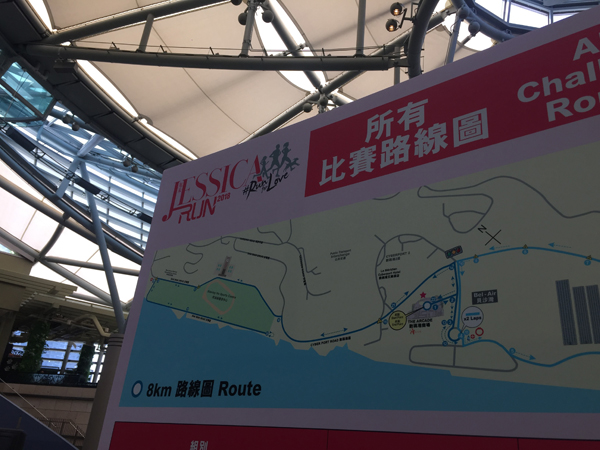
由《旭茉JESSICA》及「旭茉JESSICA慈善基金」举办的第十二届「旭茉JESSICA Run」于2018年4月8日在数码港圆满落幕。当天活动非常热闹,吸引百多人士参加。本所向来热衷参与各项公益活动,不只局限于捐款赞助,本所诉讼团体包括卢家俊律师、莫薏筠律师、张俊燊律师、黄晊晄实习律师更是身体力行,代表本所参加「旭茉JESSICA Run」团体挑战赛,为关怀社会出一分力。

由左至右:黄晊晄实习律师、张俊燊律师、莫薏筠律师及卢家俊律师

由左至右:莫薏筠律师、南华集团控股有限公司执行副主席吴旭茉女士、黄晊晄实习律师、卢家俊律师及张俊燊律师



关于「旭茉JESSICA Run」
「旭茉JESSICA Run」由《旭茉JESSICA》及「旭茉JESSICA慈善基金」于2007年起开始举办,希望透过健康的跑步活动,增加香港人对身心健康的关注。亦希望借着慈善跑为社会福利机构筹款,帮助社会上有需要之人士。「旭茉JESSICA Run 2018」所筹得之善款将全拨捐至「旭茉JESSICA慈善基金」、「心莲心」、「保护遗弃动物协会」、「苗圃行动」以及「愿望成真基金」。
如阁下对本次活动有任何查询或想了解更多详情,请联络本所徐凯怡律师。
史蒂文生黃律師事務所(簡稱「史蒂文生黃」)作為君百延集團控股有限公司(簡稱「君百延」,股票編號:8372.hk)的香港法律顧問,就其在香港聯合交易所GEM的首次公開發行提供諮詢。
是次首次公開發行共發行1.68億股,每股售價定為港幣0.335元,是次發行共集資約港幣5,630萬元。
君百延為一家成熟的醫療儀器分銷商,於香港醫療儀器市場擁有逾19年經驗。
君百延的客戶包括香港的私立和公立醫院、私家診所、非牟利組織及大學。
史蒂文生黃團隊由企業部合夥人勞恒晃律師和朱㥣潛律師、以及劉硯楓高級律師領導,團隊成員包括陳元龍註冊外地律師、以及梁偉杰法律助理,為是次首次公開發行提供了全程專業法律服務。
是次首次公開發行的獨家保薦人為國泰君安融資有限公司。獨家全球協調人為國泰君安證券(香港)有限公司。

由左至右: 陈元龙律师、刘砚枫高級律师、君百延集團控股有限公司主席兼行政總裁黃碧君女士、合伙人劳恒晃律师


江苏省涉外律师培训正在南京大学进行,国际商会于2018年3年23至25日一连三天为江苏省精英青年律师提供国际商会国际仲裁培训,本所合伙人、诉讼及争议排解部门主管徐凯怡律师获邀担任国际商会讲师团成员,并担任小组导师。培训一连三天在南京东南大学中山院举办,近三十位精英青年律师参加。

在首日的培训,课程统筹、前香港法院法官、现任香港大学法律学院教授芮安牟教授 (Prof. Anselmo Reyes) 致欢迎词。芮安牟教授表示希望参加学员在经过这三天的培训,能让大家对国际仲裁有更深入了解。
培训课程由国际商会邀请的讲师授课,包括芮安牟教授、课程统筹、国际商会(北亚地区) 助理主任黄一文女士、本所合伙人徐凯怡律师、英国特许仲裁司学会东亚分会副主席方兆文先生、金茂律师事务所合伙人韩正律师、香港大律师陈星南先生、香港大律师梁希贤先生、汇仲律师事务所(上海)高级顾问刘京律师等。
为了让学员深入了解国际仲裁、国际商会在这三天培训中设有多个环节、包括主题演讲、小组讨论、模拟仲裁示范、大型研讨会及仲裁比赛。本所合伙人徐凯怡律师除了担任小组导师,带领一众学员从多角度分析国际仲裁的做法及解答学员对国际仲裁的疑问,并分享「从当事人角度看仲裁员的选择和任命」这课题。


国际仲裁培训课程的最后一天,学员分为四组,在导师包括徐凯怡律师、韩正律师、梁希贤大律师及陈星南大律师的领导下,进行了一场既刺激又紧张的仲裁比赛,各学员把连日来学习的知识演活在仲裁比赛上。胜出的团队更可获赠得由芮安牟教授撰写的作品《The Practice of International Commercial Arbitration》为奖品。

由左至右: 英国特许仲裁司学会东亚分会副主席方兆文先生、本所合伙人徐凯怡律师、国际商会(北亚地区) 助理主任黄一文女士、江苏省律协涉外业务委员会主任、国浩律师事务所合伙人陈发云律师、以及金茂律师事务所合伙人韩正律师
如欲查询是次活动,请联络本所徐凯怡律师。
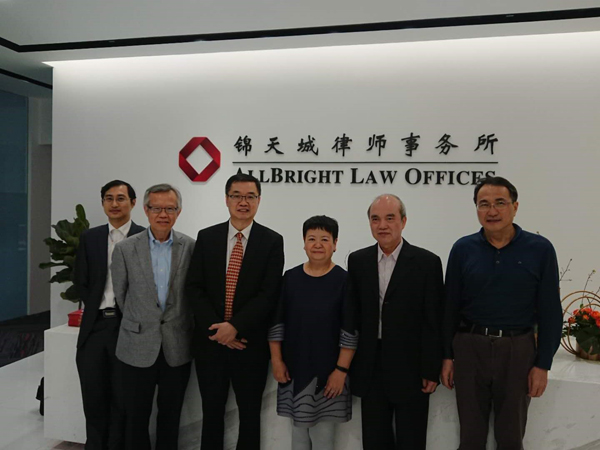
史蒂文生黄律师事务所合伙人徐凯怡律师及张源辉律师,联同公共关系部经理叶慧珍小姐于2018年3月22日到访锦天城南京分所参观交流,双方就诉讼及仲裁和资本巿场(上市及收购合并)等议题举行交流座谈会,并获多位南京分所同仁热切款待,包括南京分所主任倪同木律师、高级合伙人奚庆律师、何海军律师、张宇坤律师、王芳律师、王小晶律师、刘嘉豪资深律师、以及南京分所行政主管吴小红女士等。

交流会由锦天城高级合伙人张宇坤致欢迎词掀开序幕,奚庆律师也介绍了南京分所的专业领域。

本所合伙人、诉讼及争议排解部门主管徐凯怡律师在交流会上就「跨境诉讼与仲裁」发表演讲。徐律师利用不同的案例,深入浅出地向大家阐述跨境诉讼与仲裁的各种情况,并互相讨论。徐律师更向大家分享第三方资助仲裁的最新发展。


另外,合伙人张源辉律师也介绍了本所企业融资部门的团队及业务,也分享了本所在去年处理上市及收购合并的项目。


最后,南京分所主任倪同木律师肯定了这次交流会的成果,对本所的到访与分享表示感谢,期待未来两所有更多合作,并祝愿两所有更好的发展。


(English) In July 2017, Mr. Ashley Alder, the Chief Executive officer of the Securities and Futures Commission (“SFC”) introduced a new approach to regulate licensed corporations, listed companies and companies that are applying to be listed on the Stock Exchange of Hong Kong. This new approach, often called the “front-loaded regulation”, aims to identify risks and minimise harm to the investing public from market misconduct and irregularities. It places a strong emphasis on “earlier, more targeted intervention”.
Conventional approach
There are three main arms of the SFC’s regulatory work. The first arm is education. The SFC would issue reports, circulars and guidelines periodically to provide regulatory guidance for the investing public, companies (listed and non-listed), and licensees. The second arm is the Intermediaries Division, which carries out licensing and supervisory functions. Regarding its supervisory role, it acts as a ‘good cop’ to perform regular inspections on regulated licensees with a view to protect the investing public. When material irregularities are found during inspections, the Intermediaries Division would refer the case to the Enforcement Division. The final arm is the Enforcement Division, which takes criminal, civil and disciplinary actions against offenders following investigations into the alleged irregularities or market misconduct.
Issues with the conventional approach
Traditionally, the SFC has primarily relied on the Enforcement Division to carry out its regulatory enforcement functions. On top of that, enforcement powers may only be exercised through a Court or the Market Misconduct Tribunal (“MMT”). This approach can be very time-consuming because all sanctions and remedies were dependent on the approval from the Court or MMT. Once the Intermediaries Division has referred a case to the Enforcement Division, the Enforcement Division would carry out further in-depth investigation into the alleged irregularity before commencing proceedings. The ensuing proceedings in the Court or MMT would also take a considerable amount of time.
Moreover, the transition of cases from the Intermediaries Division to the Enforcement Division may not always be smooth, due to the difference in their investigation approach and evidence gathering methodology causing unnecessary delay that may risk losing the opportunity for timely fact-finding. As a result, the irregularities or market misconducts might usually be needlessly prolonged.
New approach – “early intervention”
Under the new approach, the SFC will take pre-emptive measures to tackle market irregularities and “interact directly with the market at an early stage”.
In terms of administrative measures, the Intermediaries Division will now issue more thematic guidance to licensees and companies on how the SFC intends to deal with specific issues under the Securities and Futures Ordinance (“SFO”) and the Securities and Futures (Stock Market Listing) Rules (“SMLR”). Such thematic guidance will require licensees and companies to conduct internal control reviews regularly to check for irregularities. The active review will be done by the company/licensee so that irregularities can be identified and dealt with immediately.
The SFC may also issue a restriction notice pursuant to ss. 204 and 205 of the SFO. This gives the SFC powers to prohibit the targeted company or licensee from carrying out specific regulated activities that would create irregularities. The issue of restriction notice aims to preserve the assets of the licensee and its clients, and protect the interest of those clients and the investing public. While the SFC has been issuing restriction notices long before the adoption of the new approach, we can expect the SFC to exercise such powers more readily in the future in light of the new approach.
Regarding the disciplinary actions and proceedings brought by the Enforcement Division, the SFC will now be able to exercise enforcement powers without prior approval from the Court/MMT. Under the SMLR, the SFC could suspend a listed company without the need to seek Court approval. The SFC has indicated that it would use such power of suspension as an “exceptional early protective action” during an investigation pending further investigation or legal action.
Furthermore, the SFC will now give credit to the people and/or licensees who are willing to cooperate with the SFC in their investigations. Forms of cooperation may include, inter alia, voluntarily and promptly reporting any breaches or failings to the SFC, acceptance of liability, and taking rectification measures. In both disciplinary matters and Court/MMT proceedings, the SFC may reduce the sanctions imposed if the person/licensee is cooperative. In particular, the SFC has divided its disciplinary process into three stages, with sanction reduction up to 30%, 20% and 10% respectively. These changes to the SFC’s cooperation policy may give rise to more constructive solutions in resolving irregularities, while keeping the daily operations of the company intact. These benefits should help to provide more incentive for people and licensees to cooperate with the SFC.
Overall, the Intermediaries Division will be more proactive in exercising its supervisory powers, meanwhile, the Enforcement Division will only focus on the most serious issues, such as fraud and corporate misfeasance, which would have serious ramifications to the integrity of the capital markets of Hong Kong.
Implications to companies: the changes that will affect your business
The new approach may increase the efficiency of the SFC in handling investigations into the irregular conduct of licensees, companies, and also individuals. The cooperation between the SFC and the licensed entities is also going to be tighter.
However, this approach may also cause the compliance cost of licensees and companies to soar. Licensees and companies may need to conduct excessive internal reviews and monitoring in order to meet the requirements of the regulators, albeit there may not be any material findings on any misconducts.
The lack of universal standards for internal reviews conducted by licensees and companies may also be problematic, as the standard of review would vary from one licensee/company to another, making it difficult for licensees and companies to fully understand how to comply with the SFC’s requirements.
The expansion of enforcement powers of the Intermediaries Division may also be seen as a misplacement of resources. In essence, the roles of the Intermediaries Division and the Enforcement Division are distinct. The “front-loaded” approach delegates more enforcement power to the Intermediaries Division, despite the fact that the Division may not have enough expertise to conduct thorough investigations and obtain material findings for imposing preliminary sanctions.
To tackle such changes, listed companies and regulated activities licensees should be prepared that the SFC may take aggressive strategies to handle any irregularities spotted even at an early stage when the Enforcement Division has not been engaged. Professionals should be engaged to conduct ‘health checks’ on the entities’ internal control on a regular basis.
What we can provide to help you
Key contact

Stephen Wong
Partner
Tel: +852 2533 2525
Email: stephenwong.office@sw-hk.com